
TL;DR

Get backup power and energy gear delivered free — and shop member deals
- Fast, free delivery on millions of items
- Access to Prime Big Deal Days deals on October 6–7
- Prime Video, Amazon Music and more included
Search and coverage interest around European heat pump sales is spiking, according to the supplied trend signal. It does not verify that sales have risen or identify what triggered the attention.
Interest in European heat pump sales is spiking, according to the supplied trend signal, but it does not establish that sales themselves are rising. The signal gives no measurement window, data source or confirmed trigger, leaving open whether the attention reflects a market change, a policy development or another factor.
The available information consists of a short topic label, “European heat pump sales on the rise,” and metadata identifying it as a home item delivered via RSS. The accompanying note characterizes the material as a trend signal only: interest in the topic is increasing, while the underlying cause is not confirmed. No sales figures, country breakdowns, dates or comparisons are provided.
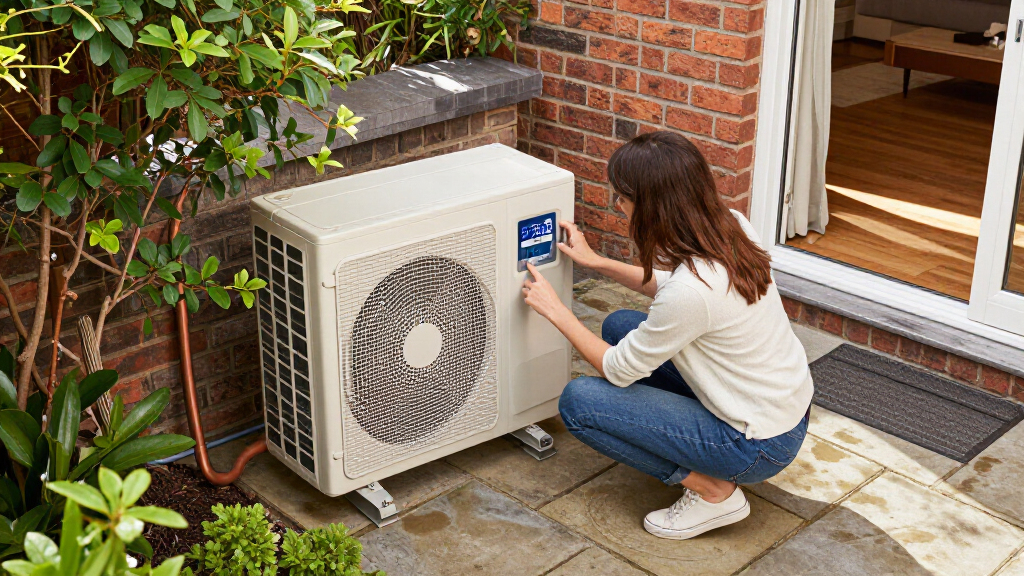
Heat pumps are established heating and cooling systems that move heat rather than generating it through direct combustion. They are used in homes and other buildings. That general background helps explain why their sales may attract public attention, but it does not confirm a new sales trend in Europe. The source names no retailer, industry group, government body or research organization responsible for a sales estimate.
There are also no statements from manufacturers, policymakers or consumers, and no quoted comments to report. The supplied material does not say how interest was measured, whether it refers to searches or news coverage, or how large the increase is. Readers should treat the development as rising attention to a subject, not as verified evidence of rising purchases.
Why Heat Pump Interest Matters
Heat pumps are part of discussion about how buildings are heated and cooled, so changes in public attention can prompt questions about household choices, energy costs and policy. But this signal alone cannot show that households are buying more units or that the market has changed. It offers no figures with which to assess the scale or location of any sales movement.
The distinction matters for readers following housing and energy trends: media or search attention can rise before reliable sales data is available, or without a sales change at all. Until a source supplies measured transactions or installations and a defined comparison period, the reported spike is best understood as a clue about what people are looking at, not proof of a market shift.
What the Trend Signal Shows
The topic concerns sales of heat pumps in Europe, but the material provides no country-level or Europe-wide statistics. It does not specify whether “sales” means equipment sold, systems installed, orders placed or another measure. Those measures can describe different stages of the market and should not be treated as interchangeable.
The accompanying note explicitly instructs that the trigger is unconfirmed and that plausible explanations should remain possibilities. Policy changes, energy prices, seasonal conditions or new industry data might be relevant areas to check, but none is identified as the reason for this particular attention spike. No date range, previous baseline or comparison is given, so its size and duration cannot be assessed.
The Sales Picture Is Unverified
It is not yet clear what caused interest in the topic to rise, how that interest was measured, or when the increase occurred. The supplied item contains no sales data and does not identify a source that has confirmed higher purchases or installations. It also provides no comparison baseline, so the scale of the attention spike cannot be quantified from the material.
Whether the signal points to a lasting trend, a short-lived burst of coverage or a specific development is unknown. No particular policy announcement, company statement, market report or event is confirmed as its trigger.
Look for Sales Data and a Trigger
A clearer account would require a dated sales or installation report from an identifiable source, including its geographic coverage, measurement period and comparison baseline. Such data could establish whether sales are rising and where. Reporting that identifies the trigger for the attention spike would also help explain why the topic is drawing notice now.
Until those details are available, the status remains a trend in attention with an unconfirmed cause. The supplied material sets out no next announcement or publication date.
Key Questions
Have European heat pump sales been confirmed to rise?
No. The supplied trend signal reports rising interest in the topic, but it includes no verified sales figures or installation data.
What is driving the spike in interest?
The trigger is unconfirmed. The material does not identify a policy change, market report, company announcement or other specific event.
How large is the increase in interest?
The size cannot be determined from the information provided. It gives no measurement window, baseline, count or method for tracking interest.
What information would confirm a sales trend?
A dated report from an identifiable source would need to state what it measures, where the data applies, the time period and the comparison baseline.
Source: rss
Fall Picks
fall essentials
As an affiliate, we earn on qualifying purchases.