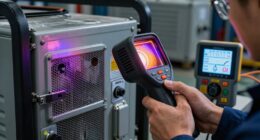
To meet load bank testing requirements, you need to follow industry standards like NFPA 110 and IEEE guidelines, ensuring your tests are thorough and safe. Prepare detailed documentation that records test conditions, load levels, equipment used, and performance metrics like voltage and frequency stability. Conduct gradual load increases with proper cooling periods and monitor power quality throughout. Staying compliant and maintaining detailed records helps you verify equipment reliability and safety—keep going to learn more about the best practices.
Key Takeaways
- Follow industry standards like NFPA 110 and IEEE for testing procedures and documentation.
- Record detailed test conditions, equipment used, load levels, and performance metrics during each test.
- Ensure gradual load increases with cooling periods to prevent equipment damage and ensure accurate results.
- Monitor and document voltage stability, frequency, and power quality throughout testing.
- Maintain comprehensive records for audit compliance, regulatory review, and future system analysis.
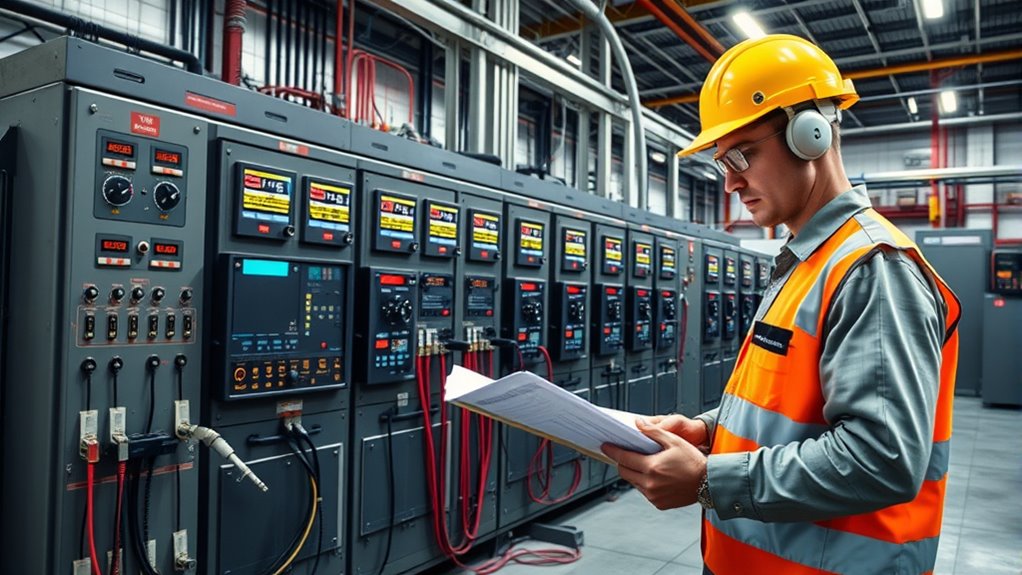
Are you aware of the essential load bank testing requirements for ensuring your power systems operate reliably? Proper testing isn’t just a good practice; it’s a critical step to verify that your equipment can handle real-world demands while maintaining ideal power quality. When you perform load bank tests, you’re simulating actual loads to assess how your generators or backup power sources respond under stress. This process helps identify potential issues before they cause failures during outages, ensuring your system can deliver consistent, clean power when it matters most. Meeting compliance standards is also a key reason for thorough testing. Regulatory bodies and industry standards, such as NFPA 110 or IEEE guidelines, specify testing procedures to confirm your system’s capacity and safety. Adhering to these standards not only keeps you compliant but also demonstrates that you’re committed to operational excellence and safety.
During load bank testing, you need to closely monitor and record various parameters, including voltage stability, frequency, and power factor. These measurements are essential for maintaining power quality, which is vital for protecting sensitive equipment and preventing unexpected downtime. Power quality issues, like voltage dips or harmonic distortions, can cause equipment malfunctions or reduce lifespan. By conducting comprehensive tests and documenting the results, you gain valuable insights into your system’s performance and can make informed decisions about maintenance or upgrades. Proper documentation isn’t just for record-keeping; it’s often required for audits, insurance claims, or regulatory reviews. It provides proof that your system has been tested according to industry standards and is capable of reliably supporting your operations.
Furthermore, adhering to load bank testing requirements involves following specific procedures, such as gradually increasing loads and allowing systems to cool between tests. This helps prevent damage and ensures accurate results. Proper documentation should include test conditions, equipment used, load levels, and observed performance metrics. These records serve as a benchmark for future testing and help identify trends or emerging issues over time. It’s also important to ensure that your testing personnel are trained and familiar with both the technical aspects and compliance standards involved. This guarantees that your testing process is thorough, accurate, and aligned with industry best practices. Ultimately, by diligently performing load bank tests, maintaining detailed documentation, and following compliance standards, you’re proactively safeguarding your power systems’ reliability, power quality, and overall safety.
Understanding load testing standards is vital for ensuring your tests meet industry and regulatory requirements.

Porch Shield Waterproof Universal Generator Cover 38 x 28 x 30 inch - for Most Generators 5500-15000 Watt, Black
- Compatible - More sizes for 5500w -15000w gas...
- Upgrade Material - Made of 600D polyester fabric...
- Tear Resistant & Waterproof - The high-level double...
As an affiliate, we earn on qualifying purchases.
Frequently Asked Questions
How Often Should Load Bank Testing Be Performed?
You should perform load bank testing at least once a year to guarantee your equipment’s reliability and compliance. The load bank frequency may vary depending on your system’s usage, environment, and manufacturer recommendations. Regular testing intervals help identify potential issues early, prevent unexpected failures, and maintain ideal performance. Keep a schedule, document each test, and follow your facility’s specific guidelines to stay compliant and assure your backup power systems are always ready.
What Safety Precautions Are Necessary During Testing?
As you prepare for load bank testing, imagine the unexpected—sparks or equipment malfunctions. To stay safe, wear personal protective equipment like gloves and eye protection, and guarantee emergency shutdown procedures are clear and accessible. Stay vigilant, monitor equipment closely, and never bypass safety protocols. Your awareness and quick response can prevent accidents, keeping everyone safe and the testing smooth. Safety isn’t just a rule; it’s your first line of defense.
Are There Industry Standards for Load Bank Testing?
Yes, industry standards guide load bank testing to guarantee safety and accuracy. You should verify that your testing equipment meets recognized standards, such as IEEE or UL, and ensure proper load bank calibration for reliable results. Following these standards helps you perform consistent tests, maintain equipment integrity, and comply with safety regulations. Always use certified equipment and regularly calibrate your load bank to meet testing equipment standards.
How Do Testing Results Impact Equipment Maintenance Schedules?
Your testing results directly influence your maintenance planning by highlighting equipment performance and identifying potential issues early. When tests show equipment is operating reliably, you can extend maintenance intervals; if results indicate weaknesses, you can schedule repairs sooner. This proactive approach enhances equipment reliability, reduces downtime, and guarantees essential performance. Regular load bank testing becomes a crucial tool in maintaining your system’s health and avoiding costly failures.
Can Load Bank Testing Be Performed Remotely?
Yes, load bank testing can be conducted remotely through remote testing and remote operation. You can monitor and control the testing process from a distance using specialized software and communication systems. This approach allows you to oversee equipment performance, guarantee safety, and gather data without being physically present. Remote testing is especially useful for minimizing downtime, increasing efficiency, and maintaining safety standards in critical environments.
Porch Shield Waterproof Universal Generator Cover 32 x 24 x 24 inch - for Most Generators 5000-10000 Watt, Black
- Compatible - More sizes for 5000w -10000w gas...
- Upgrade Material - Made of 600D polyester fabric...
- Tear Resistant & Waterproof - The high-level double...
As an affiliate, we earn on qualifying purchases.
Conclusion
As you complete your load bank testing, picture the steady hum of equipment working in harmony, each test a essential heartbeat in your system’s life. The documentation becomes your guiding map, ensuring every detail is captured like footprints in fresh snow. With thorough testing and accurate records, you build a fortress of reliability, ready to face any power challenge. Trust in the process, and watch your system stand tall, resilient and prepared for whatever lies ahead.

GenArmor Generator Covers While Running, 100% Waterproof Heavy Duty Tarps Generator Tent, Portable Outdoor Generator Enclosure for Most 4000w~13000w Generators, Black, Standard
- 100% Waterproof Protection: A patented innovation from GenArmor...
- Robust Integrated Design: Our unique design secures the...
- Long-lasting Durability: Weighs a hefty 14 pounds,...
As an affiliate, we earn on qualifying purchases.
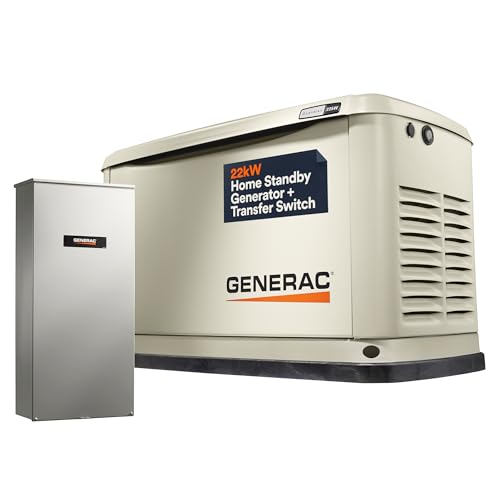
Generac Guardian 22kW Home Standby Generator with 200 Amp Transfer Switch - Automatic Whole House Backup Power for Storms, Emergencies, and Outages, WiFi Enabled, Runs on Natural Gas or Liquid Propane
- Remote Monitoring Anywhere: With Generac 7043 22kW Mobile...
- Whole House Protection: Enjoy comprehensive coverage with Generac's...
- Long-Term Assurance: Backed by a 5-Year Limited...
As an affiliate, we earn on qualifying purchases.