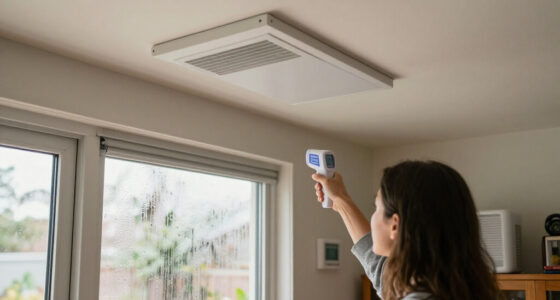

Working with the Authority Having Jurisdiction (AHJ) means following their rules, submitting proper permit applications, and keeping open communication. Make sure you understand their inspection processes, provide accurate plans, and be ready for multiple review stages. Respect their authority and respond promptly to inspections or questions. Building a good relationship helps prevent delays and ensures your project stays compliant and safe. Continue exploring to discover how to navigate these processes smoothly and successfully.

Get backup power and energy gear delivered free with Prime
- Fast, free delivery on millions of items
- Prime Video, Amazon Music and more included
- Member-only deals all year
Key Takeaways
- Obtain all necessary permits before starting construction by submitting accurate plans for AHJ review.
- Maintain open communication with the AHJ for clarifications and to address inspection findings promptly.
- Prepare thoroughly for inspections to ensure compliance with approved plans and safety standards.
- Keep detailed records of permits, inspection reports, and correspondence for accountability and dispute resolution.
- Respect the AHJ’s authority and procedures to facilitate smooth approval processes and project compliance.
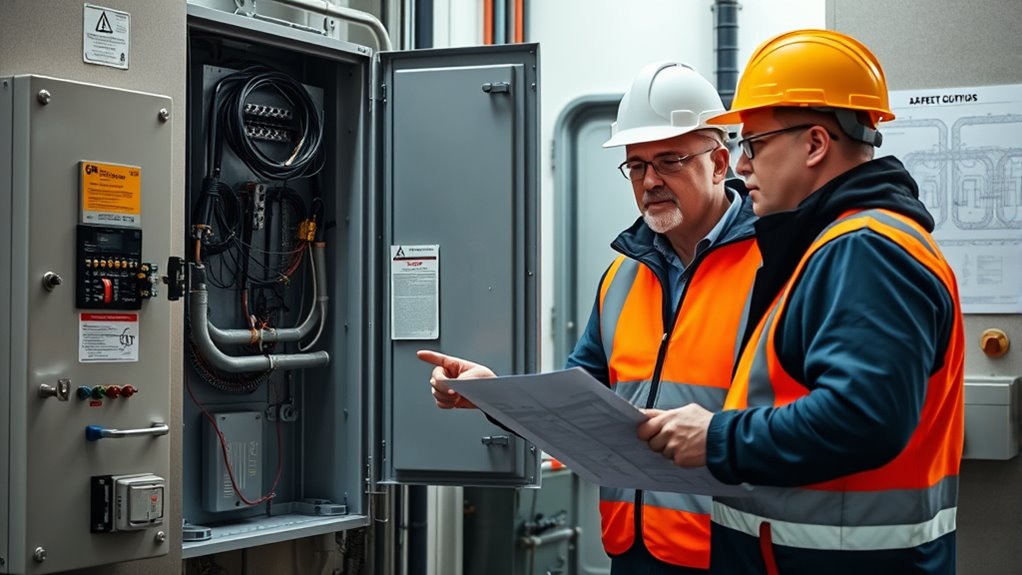
Have you ever wondered who is responsible for ensuring that building codes and safety standards are properly enforced? It’s the Authority Having Jurisdiction (AHJ). This entity, whether a local building department, fire marshal, or state agency, oversees compliance to guarantee that construction projects meet all necessary regulations. Working with the AHJ requires understanding their role in inspection procedures and permit requirements. Their job isn’t just about enforcement; it’s about safeguarding public safety and guaranteeing that buildings are constructed to withstand the test of time and environmental conditions.
When you start a project, you need to familiarize yourself with the permit requirements set by the AHJ. These requirements specify what approvals you need before beginning construction, renovation, or repair work. Securing permits isn’t optional; it’s a legal obligation essential for compliance. The AHJ reviews your plans and documents to confirm they meet all applicable codes. Without these permits, your project risks delays, fines, or even forced shutdowns. It’s essential to submit thorough, accurate applications and cooperate fully during the review process to get approvals smoothly.
Once permits are in place, the AHJ’s inspection procedures come into play. These inspections verify that your work aligns with approved plans and complies with safety standards. During inspections, the AHJ evaluates various aspects—structural integrity, electrical systems, fire safety measures, and more. You should prepare for multiple inspections at different project stages. Being proactive, organized, and transparent with the inspector helps avoid issues or re-inspections, saving time and costs. Remember, inspections aren’t just formalities; they’re critical checkpoints to catch potential problems early, ensuring your project remains compliant and safe.
Throughout the process, communication with the AHJ is key. If you encounter unexpected issues or need clarification on permit requirements, don’t hesitate to reach out. The AHJ is there to help you navigate the complex web of codes and regulations. Establishing a good working relationship can facilitate smoother inspections and approvals, reducing frustration and setbacks. Keep detailed records of all permits, inspection reports, and correspondence. These documents serve as proof of compliance and can help resolve disputes or questions that might arise later.
In essence, working with the AHJ means respecting their authority and adhering to their procedures. It’s about collaborating transparently to meet the safety standards that protect everyone involved. Understanding inspection procedures and permit requirements from the outset allows you to plan effectively, avoid costly mistakes, and complete your project with confidence. You play an essential role in maintaining safety standards, and by working closely with the AHJ, you ensure your project not only meets legal requirements but also contributes to a safer built environment. Additionally, understanding the role of the AHJ in safety enforcement can help you better navigate the regulatory landscape.
Frequently Asked Questions
How Do I Identify the Correct AHJ for My Project?
To identify the correct AHJ for your project, start by researching local building codes and regulations, as they specify which authority oversees your area. Check with city or county offices to clarify jurisdiction boundaries. This guarantees you follow the proper permit process and maintain code compliance. Contact your local building department directly or visit their website to confirm the AHJ responsible for your project’s location and scope.
What Are Common Challenges When Working With the AHJ?
You might find negotiation strategies challenging, especially when the AHJ enforces strict compliance standards. To overcome this, communicate clearly, listen actively, and demonstrate your commitment to meeting regulations. Be patient and flexible, understanding that some standards may seem rigid. Building rapport helps ease conflicts, making it easier to address concerns and find mutually agreeable solutions. This approach guarantees smoother collaboration and helps you navigate common challenges effectively.
How Can I Expedite Approval From the AHJ?
To expedite approval from the AHJ, guarantee your permit application is thorough and complete, reducing delays in the inspection process. Address all requirements upfront and clearly organize your documents. Communicate proactively to clarify any questions early. Be prepared to pay permit fees promptly. Building a good rapport and showing your willingness to cooperate can speed up the review, making the entire process smoother and faster.
What Documentation Is Typically Required by the AHJ?
You typically need to submit permit requirements such as detailed plans, specifications, and application forms. The AHJ often requests documentation related to inspection procedures, including safety protocols, inspection checklists, and compliance records. Confirm your paperwork is complete and accurate to streamline approval. Providing clear, organized documentation helps the AHJ evaluate your project efficiently, reducing delays and potential rejections during the review process.
How Do I Handle Disagreements With the AHJ?
When you disagree with the AHJ, use effective communication techniques like active listening and clear, respectful dialogue. Employ mediation strategies such as finding common ground and proposing compromises to resolve conflicts. Keep documentation of your discussions and decisions, and stay professional throughout. By maintaining open communication and demonstrating willingness to collaborate, you increase the chances of reaching a mutually acceptable solution while preserving a positive working relationship.
Conclusion
So, when you work with the AHJ, you’re not just following rules—you’re stepping into the arena of legendary safety and compliance. Think of the AHJ as the ultimate gatekeeper, wielding the power to make or break your project in a heartbeat. Master this relationship, and you’ll discover the secrets to building greatness. Fail to do so, and you risk facing the wrath of the regulatory gods themselves. Play it smart—your reputation depends on it!
Halloween Picks
halloween
As an affiliate, we earn on qualifying purchases.