Solar-powered backup generators are becoming essential for reliable off-grid power, emergency preparedness, and outdoor adventures. The best models combine high capacity, portability, and efficient solar integration, but tradeoffs persist. For instance, larger units offer more power but can be heavy and costly, while smaller options are easier to carry but may lack capacity. The top contenders balance these factors differently, catering to varied needs. Continue reading for a detailed comparison to find your ideal solar backup generator.

Get backup power and energy gear delivered free with Prime
- Fast, free delivery on millions of items
- Prime Video, Amazon Music and more included
- Member-only deals all year
Key Takeaways
- The most capable options, like the Jackery HomePower 3600 Plus, excel in high capacity and expandability but come with higher price tags.
- Portable units such as the Jackery Explorer 2000 v2 and EF DELTA 2 offer a balance of power and portability, suitable for both emergency and outdoor use.
- Battery chemistry matters: LiFePO4 batteries provide longer lifespan and safer operation, influencing long-term value.
- Solar panel compatibility and charging speed are critical; models with higher wattage panels recharge faster and support longer outages.
- Price varies widely, with premium units offering more features and capacity—buyers should consider their specific backup needs and budget.


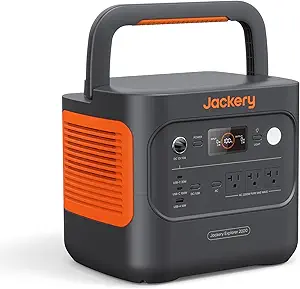


| solar-powered backup generator | Capacity | Battery Type | Weight | Wattage |
|---|---|---|---|---|
| Jackery HomePower 3000 Portabl | 3072Wh | LiFePO4 | 47% smaller and lighter than comparable models | — |
| Blavor Portable Power Station | 1024Wh | LiFePO4 | Heavy and bulky | 1600 watts |
| Jackery Explorer 2000 v2 Porta | 2042Wh | LiFePO4 | Less bulky than larger models | 2200 watts |
| EF ECOFLOW Portable Power Stat | 1024Wh | LiFePO4 | — | 1800 watts |
| Jackery Portable Power Station | 292Wh | — | 7.5 lbs | — |
| Jackery HomePower 3600 Plus Po | 3584Wh, expandable to 21kWh | — | — | — |
| Jackery Solar Generator 1000 v | 1070Wh | LiFePO4 | 23.8 lbs | 1500W |
More Details on Our Top Picks
Jackery HomePower 3000 Portable Power Station with 2x 200W Solar Panels
This model stands out for its impressive capacity and versatile power options, making it suitable for both home backup and outdoor adventures. Compared with the Jackery Explorer 2000 v2, the HomePower 3000 offers a higher continuous output and longer cycle life, but it also weighs more and requires multiple components for full setup. Its fast recharging via AC, DC, or solar ensures you won’t be left powerless, even during extended outages. The long-lasting LiFePO4 batteries with 4,000 cycles mean long-term reliability. However, solar panels are shipped separately, and the setup can be more involved, which might be a drawback for those seeking a plug-and-play solution.
Pros:- High capacity and powerful output suitable for essential home devices
- Fast recharging via multiple sources including solar panels
- Long cycle life with durable LiFePO4 batteries
- Versatile ports for various device types
Cons:- Solar panels shipped separately and may arrive in multiple packages
- Relatively heavy at 47% larger than comparable portable models
Best for: Homeowners needing reliable backup power with outdoor flexibility
Not ideal for: Individuals seeking a lightweight, all-in-one portable solution for frequent travel
- Capacity:3072Wh
- Surge Power:7200W
- Continuous Power:3600W
- Recharge Time (AC/DC):1.7 hours
- Recharge Time (solar):up to 80% in 9 hours
- Battery Type:LiFePO4
- Cycle Life:4,000 cycles
- Weight:47% smaller and lighter than comparable models
Our verdict“This pick makes the most sense for those who need serious power and long-term reliability in both home and outdoor settings.”
Blavor Portable Power Station 1600W with Built-in Solar Panel, 1024Wh LiFePO4 Battery, 100W USB-C Fast Charge, for Home Backup, Camping, RV
The Blavor portable power station excels for outdoor use, combining a solid 1024Wh capacity with a built-in 40W foldable solar panel, making it ideal for camping, RV trips, and emergency scenarios. When compared to the EF ECOFLOW DELTA 2, it offers a more integrated solar solution, though with a lower solar input capacity which can slow charging in low sunlight. Its long-lasting LiFePO4 battery with over 3,500 charge cycles ensures durability for frequent outdoor use. The 1600W rated output supports multiple devices simultaneously, and fast USB-C charging adds convenience. However, its weight and bulkiness could be limiting for those prioritizing ultralight portability, and the limited 40W solar input may slow recharge times in shaded conditions.
Pros:- Built-in foldable solar panel simplifies setup
- Large 1024Wh capacity supports multiple devices
- Long-lasting LiFePO4 battery with over 3,500 cycles
- Supports fast USB-C charging
Cons:- Relatively heavy and bulky for frequent portability
- Limited to 40W solar input, resulting in slower charging
Best for: Campers, RV travelers, and emergency preppers seeking a durable, all-in-one power unit
Not ideal for: Urban users looking for a lightweight, everyday backup power source
- Wattage:1600 watts
- Peak Wattage:3200 watts
- Capacity:1024Wh
- Battery Type:LiFePO4
- Solar Panel:Built-in 40W
- Output Ports:8
- Runtime:40 hours
- Weight:Heavy and bulky
Our verdict“This unit is best suited for outdoor adventures and emergency preparedness where integrated solar is a priority.”
Jackery Explorer 2000 v2 Portable Power Station, 2042Wh LiFePO4 Battery, 2200W Solar Generator, USB-C PD 100W, Emergency & Camping Backup
The Jackery Explorer 2000 v2 offers a compelling balance of high capacity and portability, with a 2042Wh LiFePO4 battery and 2200W output, making it suitable for extended camping trips and emergency backup. It’s lighter and more compact than larger models like the Jackery HomePower 3000, but still delivers impressive power. Its fast charging capabilities and long battery lifespan—up to 10 years—set it apart from bulkier, less durable options. The limited runtime at full load, around 1 hour and 7 minutes, is a tradeoff for its lighter weight. Solar charging is available but requires an optional panel, adding to setup complexity. It’s ideal for those who need a portable, reliable power source with long-term durability, but less suitable for powering large appliances continuously.
Pros:- High-capacity 2042Wh battery for long-lasting power
- Lightweight and easier to carry than larger models
- Fast charging and long battery lifespan
- Multiple outlets including USB-C PD
Cons:- Limited runtime at full load
- Requires an additional solar panel for solar charging
Best for: Outdoor enthusiasts and emergency preppers needing a portable, durable power source
Not ideal for: Home users needing continuous high-capacity backup without portability concerns
- Wattage:2200 watts
- Capacity:2042Wh
- Battery Type:LiFePO4
- Weight:Less bulky than larger models
- Runtime:1 hour and 7 minutes at full load
- Fast Charging:Yes
- Recommended Uses:Camping, emergencies
Our verdict“This model is ideal for users seeking a portable, long-lasting power station for outdoor or emergency use, with some tradeoffs in runtime and setup complexity.”
EF ECOFLOW Portable Power Station DELTA 2, 1024Wh LiFePO4 Battery, 1800W AC/100W USB-C Output, Solar Generator for Home Backup, Camping & RVs
The ECOFLOW DELTA 2 delivers reliable power with its 1024Wh LiFePO4 battery and 1800W AC output, making it a flexible choice for camping, RV use, and home backup. Its standout feature is the ability to expand capacity up to 3kWh, unlike most competitors like the Blavor, which are limited to their built-in capacity. Fast charging from 0 to 80% in just 50 minutes adds to its appeal, and with multiple outlets, it handles a variety of devices simultaneously. However, its weight and size are less ideal for frequent portability, and full solar integration depends on compatible panels. Its longer lifespan of over 3,000 cycles and expandable design make it a versatile, future-proof option.
Pros:- Fast charging from 0 to 80% in 50 minutes
- Expandable capacity up to 3kWh for versatility
- High power output supporting most appliances
- Long-lasting batteries with over 3,000 cycles
Cons:- Relatively heavy and bulky for portability
- Requires compatible solar panels for solar charging
Best for: Preppers and campers needing a scalable, fast-charging power station
Not ideal for: Users prioritizing ultralight, compact portable power for frequent hiking or backpacking
- Wattage:1800 watts
- Capacity:1024Wh
- Battery Type:LiFePO4
- Expandability:1-3kWh
- Charge Rate:0-80% in 50 mins
- Solar Input:Up to 500W
- Warranty:5 years
Our verdict“This unit is ideal for those who want fast, expandable power with long-term durability in a semi-portable form for camping and backup.”
Jackery Portable Power Station Explorer 300
The Jackery Explorer 300 offers a compact, lightweight design with a 292Wh capacity, making it perfect for short outdoor trips, travel, or emergency backup. Compared with larger units like the HomePower 3000, it sacrifices capacity but excels in portability, weighing only 7.5 lbs. Its fast solar charging and long cycle life—over 4,000 cycles—make it a dependable choice for occasional use. The multiple ports, including USB-C PD, allow for versatile device charging. However, its limited capacity means it cannot power larger appliances or run devices for extended periods, making it less suitable for serious backup needs or prolonged outages.
Pros:- Very lightweight and portable with handle
- Multiple charging options including USB-C PD
- Long-lasting LiFePO4 battery with over 4,000 cycles
- Fast solar charging capability
Cons:- Limited capacity of 292Wh
- Not suitable for powering large appliances for long periods
Best for: Travelers and outdoor enthusiasts needing a lightweight, reliable power source
Not ideal for: Homeowners requiring high-capacity backup for essential appliances during extended outages
- Weight:7.5 lbs
- Capacity:292Wh
- Battery Chemistry:LiFePO4
- AC Outlets:2
- USB-C PD Port:1 (100W)
- Rated Output:300W
- Charge Cycles:Over 4,000
Our verdict“This model is best for short trips, travel, or light emergency backup where portability is the priority over capacity.”
Jackery HomePower 3600 Plus Portable Power Station, 3600W AC Output, 3584Wh LFP Solar Generator, Expandable up to 21kWh, Home Backup for Emergencies and RV
The Jackery HomePower 3600 Plus stands out for its high capacity and expandability, making it a strong choice for those who want a dependable backup that can grow with their needs. Compared to the Jackery Explorer 2000 v2, it offers a substantially larger capacity—3584Wh versus 2042Wh—and the ability to expand up to 21kWh, which is a game-changer for long-term outages or RV use. Its multiple charging options, including solar, AC, and gas generator, provide flexibility, but this expansion potential comes with a high price tag and the need for additional units, which could be impractical for some. The luggage-style design enhances portability, making setup straightforward, even for those with limited technical skills. However, detailed info on solar panel compatibility is limited, and the cost can be steep for larger setups. This pick makes the most sense for homeowners or RV travelers seeking a scalable, high-capacity, portable backup system.
Pros:- High-capacity, expandable to 21kWh for long-term power needs
- Multiple charging options including solar, AC, and gas generator
- Luggage-style, portable design for easy transport
Cons:- High initial cost, especially when adding expansion units
- Limited detailed info on compatible solar panels
Best for: Homeowners or RV enthusiasts who want a reliable, expandable backup power source that can handle significant loads over extended outages.
Not ideal for: Casual campers or small-scale backup users who prefer a simpler, less expensive solution without the need for large capacity expansion.
- Power Output:3600W (7200W in parallel)
- Capacity:3584Wh, expandable to 21kWh
- Voltage:120V & 240V in parallel
- Cycle Life:6,000 cycles
- Lifespan:10 years
- Charging Time:AC in 2.5 hours, Solar in 4 hours, Hybrid in 2 hours
Our verdict“This model is best suited for users requiring a scalable, high-capacity backup system and willing to invest in expandability.”
Jackery Solar Generator 1000 v2 with 200W Solar Panel, 1070Wh Portable Power Station, LiFePO4 Battery, 1500W AC/100W USB-C, Fast Charging for Outdoor & Emergency
The Jackery Solar Generator 1000 v2 is a compact, lightweight power station ideal for outdoor activities and emergency scenarios where portability matters most. With a 1070Wh LiFePO4 battery and 1500W AC output, it can power multiple appliances but is limited to about 2 hours of runtime at full load, unlike the larger capacity units such as the Jackery HomePower 3600 Plus. Its included 200W solar panel supports fast charging, yet the panel and station are shipped separately, adding some setup complexity. The device’s versatility is clear, with multiple ports including USB-C, USB-A, and DC, plus support for fast charging, but the relatively short runtime limits its use for longer outages or high-energy appliances. This makes it a strong choice for outdoor enthusiasts, campers, or emergency kits that prioritize lightweight design and quick recharge.
Pros:- Lightweight at just 23.8 lbs with foldable handle for portability
- Supports fast charging and has over 4,000 charge cycles for long lifespan
- Versatile ports including USB-C, USB-A, and pure sine wave AC outlets
Cons:- Solar panel and power station are shipped separately, complicating setup
- Limited runtime (~2 hours at full load) restricts long-term backup capabilities
Best for: Outdoor adventurers, campers, or small household emergency users needing portable, quick-charging power for a few hours.
Not ideal for: Homeowners seeking a long-term backup solution or those with high power demands, due to its limited runtime and capacity.
- Wattage:1500W
- Capacity:1070Wh
- Battery Type:LiFePO4
- Weight:23.8 lbs
- Output Ports:Multiple including USB-C, USB-A, AC
- Fast Charging:Yes
Our verdict“This generator excels for outdoor use and quick emergency power, but isn’t suited for sustained backup needs.”
How We Picked
To select these top solar-powered backup generators, I examined a combination of key factors including capacity, solar compatibility, portability, battery chemistry, and overall build quality. Performance metrics such as wattage output and recharge times were prioritized, along with usability features like user interface and expandability. I also considered value based on price-to-capacity ratio and long-term durability, particularly for units with LiFePO4 batteries. Products were ranked to reflect a range of use cases from emergency backup to outdoor recreation, ensuring choices suit different buyer needs.Factors to Consider When Choosing Solar-powered Backup Generators
Choosing the right solar-powered backup generator involves understanding several core factors that impact performance, convenience, and longevity. Beyond initial capacity, consider how quickly the generator recharges via solar, its portability, and whether the battery chemistry supports long-term use. Recognizing common pitfalls—such as underestimating your power needs or ignoring solar panel compatibility—can save money and frustration. This guide highlights key considerations to help you make an informed decision aligned with your specific backup requirements.Capacity and Power Output
Understanding your power needs is fundamental. Larger capacity units like the Jackery HomePower 3600 Plus provide enough juice to run multiple appliances simultaneously, ideal for home backup. Smaller models such as the Jackery Explorer 300 are better suited for charging devices or small appliances. Always match your expected load with the generator’s continuous wattage and surge capacity to avoid overloads. Remember that higher capacity often means increased weight and cost, so balance your needs accordingly.
Solar Panel Compatibility and Charging Speed
Efficient solar charging hinges on panel wattage and compatibility. Generators with higher wattage inputs can recharge faster, reducing downtime during outages. For example, a 200W solar panel set paired with a high-capacity unit can replenish power more swiftly than a 100W panel. Additionally, check if the generator supports multiple panels or has MC4 connectors for versatile setups. Poor solar compatibility can lead to longer recharge times, undermining the reliability of your backup system.
Portability and Size
The ease of moving your generator varies widely. Compact models like the Jackery Explorer 300 are lightweight and perfect for outdoor adventures or small emergencies. Conversely, larger units like the Jackery HomePower 3600 Plus offer immense capacity but can be cumbersome to transport. Consider your typical use case—if portability is a priority, opt for lighter, more manageable units, even if it means sacrificing some capacity. Conversely, for stationary home backup, size may be less of a concern.
Battery Chemistry and Longevity
Battery type significantly impacts lifespan and safety. LiFePO4 batteries are increasingly favored for their longer cycle life, greater thermal stability, and safer operation compared to lithium-ion variants. While LiFePO4 models tend to be more expensive upfront, they often offer better long-term value. Cheaper units with older battery chemistries might degrade faster, leading to reduced capacity over time and higher replacement costs. Consider your commitment to long-term reliability when evaluating options.
Price and Overall Value
Pricing varies based on capacity, features, and build quality. Premium models with expandable batteries and faster solar recharge tend to cost more but deliver superior performance and durability. Cheaper units might be suitable for light, short-term needs but could fall short during extended outages. When comparing prices, focus on the capacity-to-price ratio and long-term costs, including battery replacement and maintenance. Investing in a slightly more expensive but reliable unit can pay off with better performance and longevity.
Frequently Asked Questions
How long does it take to fully recharge a solar backup generator?
Recharge times depend on the size of the battery and the wattage of the solar panels used. For example, a 100W panel can take several hours to a full recharge, while a 200W or higher setup can halve that time. Environmental factors such as sunlight angle and weather conditions also impact charging efficiency. When planning for extended outages, choosing a generator with higher solar input capacity ensures you can restore power more quickly, providing peace of mind during longer emergencies.
Can I run my household appliances directly from a solar backup generator?
Yes, but only if the generator has sufficient wattage output and the right type of outlets. Many portable units support standard AC outlets suitable for common household devices. However, larger appliances like refrigerators or HVAC systems may require a high surge capacity and stable power, which not all portable generators can provide. Always verify the continuous and surge wattage ratings and consider using a compatible inverter for sensitive electronics to prevent damage.
Are solar-powered backup generators safe for long-term use?
When built with quality batteries such as LiFePO4, solar backup generators are generally safe and durable for long-term operation. Proper maintenance, such as avoiding over-discharge and keeping the device in a suitable environment, extends their lifespan. It’s also important to follow manufacturer instructions regarding charging and storage. While no system is entirely maintenance-free, choosing reputable brands with robust safety features minimizes risks associated with long-term use.
How do I know if my solar panels are compatible with a backup generator?
Compatibility hinges on the panel’s wattage, voltage, and connector type. Many generators specify maximum input wattage and voltage ranges—exceeding these can damage the unit or reduce efficiency. Look for models that support MC4 connectors or offer adaptable input options. Additionally, pairing a high-wattage panel set with a generator designed for rapid solar input enhances recharging speed. Confirming compatibility before purchase prevents frustration and ensures your system functions as intended.
Is it better to buy a larger capacity generator than I currently need?
Opting for a larger capacity generator offers flexibility for future needs and longer backup durations, but it also involves higher costs, increased weight, and potential overkill for small tasks. If your primary concern is emergency power for essential devices, a smaller, more portable unit may suffice. Conversely, if you plan to run multiple appliances or wish to future-proof your setup, investing in a higher capacity model can save you from upgrading later. Balance your current needs with potential future scenarios to make the best choice.
Conclusion
For those seeking a reliable, all-around solution, the Jackery HomePower 3600 Plus stands out as the best overall due to its massive capacity and expandability, perfect for long-term home backup. Budget-conscious buyers and outdoor enthusiasts will find the Jackery Explorer 300 or EF DELTA 2 excellent for portability and quick recharges. For beginners or occasional use, a smaller, easier-to-use model like the Jackery Portable Power Station Explorer 300 offers simplicity without sacrificing basic functionality. Advanced users needing maximum capacity and flexibility should consider larger units like the Jackery HomePower 3600 Plus. Ultimately, your choice depends on your power needs, portability preferences, and budget.
Halloween Picks
halloween
As an affiliate, we earn on qualifying purchases.