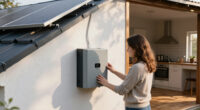
An automatic standby generator turns on by itself within seconds of a power outage, feeding your home through a permanent transfer switch — no extension cords, no fueling in the dark. In this category, the decision really comes down to how much of your house you want to power and whether the package includes the transfer switch. The Generac 24 kW with Transfer Switch stands out as my top overall pick because it pairs true whole-home output with the switch and cellular monitoring bundled in. The Generac 14 kW with Transfer Switch makes more sense for budget-conscious buyers with smaller homes, while the Generac 28 kW is the ceiling of this lineup for large properties with dual-fuel flexibility in mind. The main tradeoffs you’ll face are upfront cost versus wattage, bundled versus separately purchased transfer switches, and single-stage versus two-stage engines. Keep reading for the full breakdown of all twelve models.

Get backup power and energy gear delivered free — and shop member deals
- Fast, free delivery on millions of items
- Access to Prime Big Deal Days deals on October 6–7
- Prime Video, Amazon Music and more included
Complete the kit


Key Takeaways
- Generac dominates this lineup with ten of twelve slots, but the Honeywell 14 kW and Champion 100837 prove worthwhile alternatives — the Champion’s included 200-amp aXis load-managing switch is the most transfer-hardware value in the group.
- Whether a transfer switch is bundled is the single biggest price-and-convenience differentiator; models without one can add substantial cost and an electrician visit before they’re functional.
- Wattage tiers cluster around 10, 14, 18, 22, 24, 26, and 28 kW — the jump from partial-home coverage (14 kW) to genuine whole-home coverage (22 kW and up) is where budgets get stretched.
- Cellular connectivity is standard across nearly every pick here, so remote monitoring shouldn’t be a deciding factor — engine design, switch compatibility, and output should be.
- The 10 kW Generac is the only pick suited mainly to essential circuits rather than whole homes, making it a niche choice for small houses or backup-of-the-backup scenarios.
| Honeywell 14 kW Home Standby Generator |  | Best for Clean Power | Power output: 14 kW | Total harmonic distortion: Less than 5% | Engine: Generac G-Force, pressure-lubricated | VIEW LATEST PRICE | See Our Full Breakdown |
| Generac 28 kW Whole-Home Standby Generator with Cellular Connectivity |  | Best Whole-Home Coverage | Power output: 28 kW | Fuel type: Liquid propane or natural gas | Connectivity: Built-in cellular connectivity | VIEW LATEST PRICE | See Our Full Breakdown |
| Generac 24 kW Whole Home Standby Generator with Transfer Switch and Cellular Connectivity |  | Best Complete Package | Power output: 24 kW | Type: Whole-home standby generator | Connectivity: Built-in cellular | VIEW LATEST PRICE | See Our Full Breakdown |
| Generac 22 kW Whole Home Standby Generator with Cellular Connectivity | | Best Balanced Performer | Power output: 22 kW | Connectivity: Built-in cellular | Remote monitoring: Mobile Link app | VIEW LATEST PRICE | See Our Full Breakdown |
| Generac 10 kW Whole-Home Standby Generator with Transfer Switch and Cellular Connectivity |  | Best Entry-Level Value | Power output: 10 kW | Fuel type: Liquid propane or natural gas | Connectivity: Built-in cellular | VIEW LATEST PRICE | See Our Full Breakdown |
| Generac 14 kW Whole-Home Standby Generator with Transfer Switch and Cellular Connectivity | | Best Mid-Size Pick for Smaller Homes | Power output: 14 kW | Type: Whole-home standby generator | Connectivity: Built-in cellular | VIEW LATEST PRICE | See Our Full Breakdown |
| Generac 22 kW Whole-Home Standby Generator with Transfer Switch and Cellular Connectivity |  | Best Balanced Whole-Home Coverage | Power output: 22 kW | Connectivity: Built-in cellular | Monitoring app: Mobile Link | VIEW LATEST PRICE | See Our Full Breakdown |
| Champion Power Equipment 100837 14 kW Home Standby Generator with 200-Amp aXis Automatic Transfer Switch |  | Best Warranty and Load Management | Model: 100837 | Power output (propane): 14,000 watts | Power output (natural gas): 12,500 watts | VIEW LATEST PRICE | See Our Full Breakdown |
| Generac 26 kW Whole-Home Standby Generator with Transfer Switch and Cellular Connectivity | | Best for Large Homes with High Demands | Power output: 26 kW | Type: Whole-home standby generator | Connectivity: Built-in cellular | VIEW LATEST PRICE | See Our Full Breakdown |
| Generac 26 kW Whole Home Standby Generator with Cellular Connectivity | | Best for Flexible Switch Selection | Power output: 26 kW | Connectivity: Built-in cellular | App: Mobile Link | VIEW LATEST PRICE | See Our Full Breakdown |
| Generac 14 kW Whole-Home Standby Generator with Cellular Connectivity |  | Best Mid-Size Value | Power output: 14 kW | Type: Whole-home standby generator | Connectivity: Built-in cellular | VIEW LATEST PRICE | See Our Full Breakdown |
| Generac 18 kW Whole-Home Standby Generator with Cellular Connectivity | | Best for Larger Homes Without Overkill | Power output: 18 kW | Type: Whole-home standby generator | Connectivity: Built-in cellular | VIEW LATEST PRICE | See Our Full Breakdown |
| automatic standby generator | Power output | Connectivity | Warranty | Remote monitoring |
|---|---|---|---|---|
| Honeywell 14 kW Home Standby G | 14 kW | — | — | — |
| Generac 28 kW Whole-Home Stand | 28 kW | Built-in cellular connectivity | 5-year limited warranty | Mobile Link app; premium subscription required |
| Generac 24 kW Whole Home Stand | 24 kW | Built-in cellular | 5-year limited warranty | Mobile Link app; premium subscription required |
| Generac 22 kW Whole Home Stand | 22 kW | Built-in cellular | 5-year limited warranty | Mobile Link app |
| Generac 10 kW Whole-Home Stand | 10 kW | Built-in cellular | 5-year limited warranty | Mobile Link app; premium subscription required |
| Generac 14 kW Whole-Home Stand | 14 kW | Built-in cellular | — | — |
| Generac 22 kW Whole-Home Stand | 22 kW | Built-in cellular | 5-year limited | — |
| Champion Power Equipment 10083 | — | — | 10-year limited warranty | — |
| Generac 26 kW Whole-Home Stand | 26 kW | Built-in cellular | 5-year limited warranty | Mobile Link app; premium subscription required |
| Generac 26 kW Whole Home Stand | 26 kW | Built-in cellular | 5-year limited warranty | — |
| Generac 14 kW Whole-Home Stand | 14 kW | Built-in cellular | — | Mobile Link app; premium subscription required |
| Generac 18 kW Whole-Home Stand | 18 kW | Built-in cellular | — | Mobile Link app; premium subscription required for updates and alerts |
More Details on Our Top Picks
Honeywell 14 kW Home Standby Generator
This option stands out for one spec most standby shoppers overlook: less than 5% total harmonic distortion. That clean sine wave is what protects variable-speed HVAC motors, modern TVs, and computers from the voltage roughness cheaper units can produce. Compared with the Generac 10 kW model, the tradeoff is reversed — instead of connectivity, you get power quality and a pressure-lubricated G-Force engine, which typically lasts longer than splash-lubricated designs because oil reaches critical components under pressure rather than splash. The quiet self-test mode at lower RPM keeps weekly checks from waking the neighborhood, and the aluminum Rhinocoat enclosure resists corrosion in coastal or humid climates better than bare steel. The catch: there’s no cellular monitoring here, so status checks mean walking outside to read the multilingual LCD controller.
Pros:- Clean power under 5% THD protects sensitive electronics and modern appliances
- Pressure-lubricated G-Force engine supports long-term durability
- Quiet, low-RPM self-test mode uses less fuel and reduces neighborhood noise
- Corrosion-resistant aluminum enclosure suits coastal and humid climates
Cons:- No cellular or app-based remote monitoring
- Self-test cycle limited to 5 or 12 minutes, which gives a shorter health snapshot than longer exercise runs
Best for: Homeowners with sensitive electronics, variable-speed HVAC systems, or coastal exposure who value power quality and durability over remote monitoring
Not ideal for: Buyers who want to check generator status from their phone — this model has no built-in cellular connectivity, unlike the Generac cellular units in this lineup
- Power output:14 kW
- Total harmonic distortion:Less than 5%
- Engine:Generac G-Force, pressure-lubricated
- Self-test mode:5 or 12 minutes at lower RPM
- Controller:Sync Controller with multilingual LCD display
- Enclosure:Powder-coated aluminum with RhinoCoat finish
Our verdict“This pick makes the most sense for buyers who care more about clean power delivery and engine longevity than app-based convenience.”
Generac 28 kW Whole-Home Standby Generator with Cellular Connectivity
At 28 kW, this is the most powerful option in the batch, and capacity is the whole story here. Where the Honeywell 14 kW covers essentials plus some extras, this unit can realistically run two central air conditioners, a well pump, and every household circuit at once — the difference between roughing it and barely noticing an outage. Built-in cellular connectivity enables remote monitoring through Mobile Link, a feature the Honeywell lacks entirely, though you’ll need a premium subscription to unlock the full remote-control experience. Cold-start improvements and oil-level sensors address the two most common standby failure modes: won’t-start-in-winter and unnoticed oil loss. The real tradeoff is installation scale — a unit this size demands a larger gas supply and a more substantial pad, so budget for professional installation accordingly.
Pros:- Highest output in this lineup, capable of true whole-home coverage including multiple HVAC systems
- Built-in cellular connectivity for remote monitoring without home Wi-Fi dependency
- Cold-start improvements and oil-level sensors address common standby failure points
- Five-year limited warranty with 24/7/365 customer support
Cons:- Mobile Link premium subscription required for full remote monitoring features
- Requires a liquid propane or natural gas supply sized for 28 kW output
- Largest physical footprint and installation requirements in the batch
Best for: Owners of large homes with multiple HVAC zones, well pumps, or electric-heavy appliances who refuse to ration power during outages
Not ideal for: Smaller homes or essential-circuits-only buyers — the capacity is wasted, and installation costs climb for power you won’t use
- Power output:28 kW
- Fuel type:Liquid propane or natural gas
- Connectivity:Built-in cellular connectivity
- Remote monitoring:Mobile Link app; premium subscription required
- Warranty:5-year limited warranty
- Support:24/7/365 customer support
Our verdict“This model is better suited to large households that want blackout life to feel exactly like normal life, subscription and installation costs included.”
Generac 24 kW Whole Home Standby Generator with Transfer Switch and Cellular Connectivity
This is the lineup’s most turnkey option because it ships with a transfer switch included — the component that actually senses outages and switches your home onto generator power. Most competitors here, like the Generac 28 kW, leave you sourcing that separately, which can add hundreds of dollars and another compatibility decision to an already complex install. At 24 kW, output sits in the sweet spot between the 22 kW and 26 kW models: enough for whole-home coverage in most mid-to-large houses without the gas-supply demands of the 28 kW flagship. Weather details deserve attention — the sloped roof and rear intake design specifically counteract snow and ice intrusion, making this the strongest cold-climate pick of the cellular-equipped units. As with its siblings, remote monitoring through Mobile Link locks the best features behind a premium subscription.
Pros:- Transfer switch included, simplifying purchase and installation coordination
- Sloped roof and rear intake resist snow and ice intrusion
- 24 kW output covers most whole-home loads without oversized installation demands
- Oil-level sensors, cold-start support, and 5-year limited warranty
Cons:- Mobile Link premium subscription required for remote monitoring and control
- Transfer switch installation still demands professional electrical work
Best for: Buyers in snowy regions who want a single-purchase setup with the transfer switch bundled rather than pieced together
Not ideal for: Budget-conscious shoppers unwilling to pay a recurring premium subscription for the remote features that justify the cellular hardware
- Power output:24 kW
- Type:Whole-home standby generator
- Connectivity:Built-in cellular
- Remote monitoring:Mobile Link app; premium subscription required
- Weather features:Sloped roof and rear intake to reduce snow or ice intrusion
- Warranty:5-year limited warranty
- Support:24/7/365 customer support
Our verdict“Compared with similar options, this one makes the most sense for cold-climate homeowners who want everything in one box and winter-proofed engineering.”
Generac 22 kW Whole Home Standby Generator with Cellular Connectivity
The 22 kW sits at the practical center of this lineup, and that’s its strength. It offers enough headroom for most 2,500–3,500 sq ft homes — central air, kitchen appliances, lighting, and electronics — without the fuel-supply demands that push the 28 kW model into premium installation territory. Unlike the Honeywell 14 kW, it brings built-in cellular connectivity, so outage status and maintenance tracking happen from your phone rather than a walk to the unit. Cold-weather readiness features mean it’s built to start reliably during winter outages, which is exactly when standby generators earn their keep. The recurring frustration is Generac’s subscription approach: real-time updates and maintenance alerts through Mobile Link require a premium tier, and without it the connectivity hardware loses much of its purpose. A transfer switch is also not bundled here, unlike the 24 kW package.
Pros:- 22 kW output comfortably covers whole-home loads for most mid-size houses
- Built-in cellular connectivity for monitoring without relying on home Wi-Fi
- Cold-start readiness features for reliable winter operation
- Five-year limited warranty with round-the-clock customer support
Cons:- Premium subscription required for real-time updates and maintenance alerts
- Transfer switch sold separately, unlike the 24 kW bundled package
Best for: Mid-to-large homeowners who want whole-home coverage and remote insight without paying for capacity they don’t need
Not ideal for: Buyers wanting an all-in-one kit — no transfer switch is included, and the app’s best features sit behind a subscription paywall
- Power output:22 kW
- Connectivity:Built-in cellular
- Remote monitoring:Mobile Link app
- Subscription requirement:Premium subscription required for real-time updates and maintenance alerts
- Warranty:5-year limited warranty
- Customer support:24/7/365
Our verdict“This option stands out as the sensible middle ground — more capability than the 14 kW units, less installation burden than the 28 kW flagship.”
Generac 10 kW Whole-Home Standby Generator with Transfer Switch and Cellular Connectivity
This is the most accessible entry into true automatic standby power in the batch. The included transfer switch gives it the same turnkey appeal as the Generac 24 kW package, but at 10 kW the whole proposition shifts: you’re managing essentials, not the entire house. Think refrigerator, furnace, lights, sump pump, and internet — the loads that actually cause damage and misery during an outage — while accepting that central air and electric dryers sit out. Compared with stepping up to the Generac 22 kW, you save on both equipment and gas-supply requirements, since a 10 kW unit places far lighter demands on an existing natural gas line. Oil-level sensors and cold-start features keep readiness intact, and cellular monitoring plus the five-year warranty round out a genuinely complete starter package. The Mobile Link subscription requirement is the same recurring annoyance found across the Generac range.
Pros:- Transfer switch included for a more complete out-of-box setup
- Lower power output means easier gas-line compatibility and lower installation barriers
- Oil-level sensors and cold-start features maintain reliability despite the smaller size
- Five-year limited warranty and 24/7/365 customer support
Cons:- 10 kW limits you to essential circuits rather than true whole-home coverage
- Remote monitoring requires a Mobile Link premium subscription
Best for: First-time standby buyers and smaller homes that need reliable essential-circuit backup at the lowest practical entry point
Not ideal for: Households expecting seamless whole-home coverage — 10 kW won’t run central air alongside other major loads
- Power output:10 kW
- Fuel type:Liquid propane or natural gas
- Connectivity:Built-in cellular
- Remote monitoring:Mobile Link app; premium subscription required
- Transfer switch:Included
- Warranty:5-year limited warranty
- Support:24/7/365 customer support
Our verdict“This pick makes the most sense for essential-circuit buyers who want automatic standby power without whole-home capacity or cost.”
Generac 14 kW Whole-Home Standby Generator with Transfer Switch and Cellular Connectivity
For households that don’t need to run every circuit at once, this 14 kW unit hits a practical middle ground between the smaller Generac 10 kW model and the beefier 22 kW version. The included transfer switch removes one of the biggest headaches of standby generator ownership, since sourcing a compatible switch separately can add real cost and coordination with an installer. What sets this model apart from most rivals in this roundup is its ecobee and PWRcell compatibility, which matters if you’re building a broader Generac-powered energy ecosystem rather than just buying a backup box. The tradeoff is the premium subscription for real-time Mobile Link updates — remote monitoring works, but the useful alerts sit behind a paywall. Fuel type is also unspecified, so buyers need to confirm propane or natural gas suitability with their installer before committing.
Pros:- Transfer switch included, simplifying installation and cost
- Works with ecobee by Generac thermostats and PWRcell battery systems
- Improved cold-start performance for harsh climates
- Automatic outage detection with no manual intervention needed
Cons:- Real-time app updates and maintenance alerts require a premium subscription
- Fuel type not specified, requiring confirmation before purchase
Best for: Owners of modest single-family homes who want essentials covered and already use or plan to add ecobee thermostats or Generac PWRcell batteries
Not ideal for: Buyers who refuse subscription fees — the full remote-monitoring experience requires a premium Mobile Link plan
- Power output:14 kW
- Type:Whole-home standby generator
- Connectivity:Built-in cellular
- App:Generac Mobile Link
- Transfer switch:Included
- Cold-weather support:Improved cold-start performance
- Compatibility:ecobee by Generac thermostats and Generac PWRcell battery systems
Our verdict“A sensible mid-size standby for smaller homes, especially those already invested in the Generac ecosystem, provided you accept the subscription-based monitoring.”
Generac 22 kW Whole-Home Standby Generator with Transfer Switch and Cellular Connectivity
The 22 kW tier is where standby generators stop being about essentials and start being about living normally through an outage, and this model earns the balanced-pick slot for that reason. Compared with the 14 kW Generac above it, the extra headroom means air conditioning, well pumps, and kitchen appliances can run simultaneously instead of being triaged. It matches the larger 26 kW Generac on support features — 24/7/365 customer service and a 5-year limited warranty — while costing less to buy and likely less to fuel. The transfer switch is bundled, which the 26 kW model without one (B0G2ML8LZB) doesn’t offer, making this the more complete out-of-the-box package. The main drawbacks are familiar Generac pain points: Mobile Link’s cellular service sits behind a premium subscription, and professional installation is non-negotiable for a permanent standby unit.
Pros:- 22 kW output covers whole-home loads including HVAC
- Transfer switch included in the package
- 5-year limited warranty with 24/7/365 customer support
- Oil-level sensors and improved cold-start performance
Cons:- Mobile Link cellular service requires a premium subscription
- Permanent home installation required — not a portable solution
Best for: Suburban families with 2,500–4,000 sq ft homes who want true whole-house coverage without overpaying for 26+ kW capacity
Not ideal for: Renters or anyone unwilling to arrange permanent professional installation and ongoing monitoring fees
- Power output:22 kW
- Connectivity:Built-in cellular
- Monitoring app:Mobile Link
- Warranty:5-year limited
- Customer support:24/7/365
- Included components:Transfer switch
Our verdict“The sweet spot of this Generac lineup: genuine whole-house power, bundled transfer switch, and strong support without stepping up to the price of a 26 kW unit.”
Champion Power Equipment 100837 14 kW Home Standby Generator with 200-Amp aXis Automatic Transfer Switch
Champion takes a different philosophical approach from Generac here, and it pays off in two places: backing and load intelligence. The 10-year limited warranty doubles Generac’s 5-year coverage across this entire roundup, and lifetime technical support outlasts even Generac’s 24/7 service desk over a long ownership horizon. The 200-amp aXis transfer switch with four priority levels is the real differentiator — instead of just dumping 14 kW at a house like the Generac 14 kW model does, it manages high-demand loads intelligently, letting a smaller generator behave like a bigger one by sequencing what runs when. Its -22°F to 104°F operating range without a cold-weather kit also beats the vague ‘improved cold-start’ language on the Generac units. The costs are real though: output drops to 12,500 watts on natural gas, it runs at a noticeable 62 dBA, and dual-fuel setup demands professional installation.
Pros:- 10-year limited warranty — double the Generac standard
- aXis ATS with 4 load-priority levels manages unlimited high-demand loads
- Operates from -22°F to 104°F without a cold weather kit
- Dual-fuel flexibility: 14,000 W on propane, 12,500 W on natural gas
Cons:- 62 dBA operating noise is louder than some competitors
- Requires compatible fuel supply and professional installation
Best for: Cold-climate homeowners who want the strongest warranty in the category and smart load prioritization to stretch 14 kW across a whole house
Not ideal for: Noise-sensitive properties with the unit near bedrooms or patios — 62 dBA is audible during operation
- Model:100837
- Power output (propane):14,000 watts
- Power output (natural gas):12,500 watts
- Transfer switch:200-Amp aXis ATS200 automatic transfer switch
- Load management:Unlimited high-demand loads with 4 priority levels
- Noise level:62 dBA
- Operating temperature:-22°F to 104°F
- Warranty:10-year limited warranty
- Support:Lifetime technical support
Our verdict“The thinking buyer’s standby — less raw wattage than the Generac 22 kW, but smarter load management and twice the warranty coverage make it the better long-term ownership bet.”
Generac 26 kW Whole-Home Standby Generator with Transfer Switch and Cellular Connectivity
When a house has dual HVAC systems, a well pump, an EV charger, or a home workshop, 22 kW starts feeling tight — and that’s exactly the gap this 26 kW model fills. It matches the 22 kW Generac’s support structure (5-year warranty, 24/7/365 support, bundled transfer switch) but adds enough output that load-shedding conversations with your installer mostly disappear. It also outguns the Champion 100837’s 14 kW by a wide margin, though the Champion counters with its four-level load prioritization — if your goal is running everything at once rather than sequencing loads, the Generac wins outright. The cellular-connected Mobile Link monitoring is the standout convenience, letting you confirm the generator started while traveling, but the same premium subscription requirement applies. Cold-start features and oil-level sensors round out a package aimed squarely at big properties that can’t afford partial power.
Pros:- 26 kW output handles simultaneous high-demand loads
- Transfer switch included
- 5-year limited warranty with 24/7/365 customer support
- Oil-level sensors and cold-start features keep the unit outage-ready
Cons:- Mobile Link remote monitoring requires a premium subscription
- More capacity than most homes need, with fuel consumption to match
Best for: Owners of large homes (4,000+ sq ft) with multiple HVAC zones, well pumps, or high-draw appliances who need everything running simultaneously
Not ideal for: Small or mid-size homes — the extra capacity goes unused and the unit is oversized for the fuel supply and budget
- Power output:26 kW
- Type:Whole-home standby generator
- Connectivity:Built-in cellular
- Remote monitoring:Mobile Link app; premium subscription required
- Cold-weather features:Improved cold-start performance
- Warranty:5-year limited warranty
- Customer support:24/7/365
Our verdict“The right choice when ‘essentials only’ isn’t acceptable — maximum whole-home coverage with Generac’s full support package behind it.”
Generac 26 kW Whole Home Standby Generator with Cellular Connectivity
This model looks nearly identical to the 26 kW Generac above, and that’s the point — the difference is what’s not in the box. With no transfer switch included, it suits buyers whose installer already has a preferred ATS, who are upgrading an existing standby setup, or who found a compatible switch elsewhere at better terms. The Generac 26 kW with transfer switch (B0G2MRKSRK) is the stronger choice for first-time buyers precisely because bundling removes compatibility guesswork. Everything else carries over: automatic outage detection, cellular Mobile Link monitoring, oil-level sensors, cold-start support, a 5-year limited warranty, and 24/7 support. The premium subscription requirement for app control remains the recurring irritation, and the listing omits fuel type and runtime details — information you’ll want from your installer before signing off. This is a pick for informed buyers, not ones comparison-shopping on listing pages alone.
Pros:- Same 26 kW whole-home output as the bundled version
- Cellular connectivity for remote monitoring and control
- Oil-level sensors and cold-start support
- 5-year limited warranty with 24/7/365 support
Cons:- Transfer switch not included — must be sourced separately
- No fuel type or runtime details provided in the listing
Best for: Buyers replacing an aging standby generator or working with an installer who supplies their own transfer switch
Not ideal for: First-time standby buyers who need a complete, matched package — sourcing a transfer switch separately adds complexity
- Power output:26 kW
- Connectivity:Built-in cellular
- App:Mobile Link
- App subscription:Premium subscription required for remote monitoring and control
- Warranty:5-year limited warranty
- Support:24/7/365 customer support
Our verdict“Identical muscle to the bundled 26 kW Generac minus the transfer switch — the right buy only if you already have or can source your own ATS.”
Generac 14 kW Whole-Home Standby Generator with Cellular Connectivity
This 14 kW unit carves out a sensible middle ground between the entry-level Generac 10 kW model and the pricier 22–28 kW flagships in this lineup. For a typical household, 14 kW is enough to run heating, refrigeration, lighting, and most major appliances without paying for capacity you may never draw on. The built-in cellular connection means monitoring works even if home internet fails during an outage — a real advantage over generators that rely on Wi-Fi alone. The catch is that Mobile Link’s remote features sit behind a premium subscription, so budget for that recurring cost before committing. Compared with the Generac 14 kW with Transfer Switch variant, this one leaves you to source a transfer switch separately, which adds planning and expense. Integration with ecobee by Generac thermostats and PWRcell batteries is a nice forward path if you plan to build out a broader home energy system.
Pros:- Automatic outage detection with true whole-home standby convenience
- Built-in cellular connectivity keeps monitoring alive when home internet is down
- Oil-level sensors and improved cold-start performance support reliable operation in harsh climates
- Compatible with ecobee by Generac thermostats and PWRcell battery systems for future expansion
Cons:- Mobile Link remote monitoring and control requires a paid premium subscription
- Transfer switch is not included, unlike the 14 kW transfer-switch variant in this lineup
Best for: Homeowners of average-sized houses who want most-essentials backup power and cellular monitoring without stepping up to a 22 kW+ unit
Not ideal for: Households with two central AC units, electric water heating, and an EV charger — 14 kW will force load management or triage
- Power output:14 kW
- Type:Whole-home standby generator
- Connectivity:Built-in cellular
- Remote monitoring:Mobile Link app; premium subscription required
- Outage response:Automatic outage detection
- Safety features:Oil-level sensors
- Cold weather:Improved cold-start support
- Compatibility:ecobee by Generac thermostats and Generac PWRcell battery systems
Our verdict“A well-balanced pick for mid-sized homes that want dependable automatic backup and remote visibility — provided they accept the subscription and separate transfer-switch purchase.”
Generac 18 kW Whole-Home Standby Generator with Cellular Connectivity
Sitting between the Generac 14 kW model and the heavier Generac 22 kW unit, this 18 kW generator targets a specific buyer: the larger home that needs more headroom but doesn’t want to fund capacity for a mansion. That extra 4 kW over the 14 kW version is often the difference between running a central AC system alongside household essentials and having to choose. The sloped roof and rear intake design help with weather resistance and airflow, a practical detail for units that live outside year-round. Like its 14 kW sibling, it leans on cellular connectivity through Mobile Link, but real-time updates and maintenance alerts are gated behind a premium subscription — a genuine annoyance on a machine at this level. It also ships without a transfer switch, unlike the 22 kW transfer-switch package, so installation planning matters. For homes planning a PWRcell battery or ecobee thermostat ecosystem, the integration path is a genuine plus.
Pros:- 18 kW output comfortably covers large-home essentials plus central air conditioning
- Cellular connectivity enables remote monitoring independent of home internet
- Sloped roof and rear intake improve weather shedding and airflow
- Oil-level sensors and improved cold-start performance support readiness in cold climates
Cons:- Premium subscription required for real-time Mobile Link updates and maintenance alerts
- No transfer switch included, unlike comparable 22 kW bundled packages
Best for: Owners of larger homes with central air conditioning who want whole-house comfort coverage short of the 22 kW+ tier
Not ideal for: Small homes or apartment-style dwellings with modest loads — this is more generator than the electrical panel will ever need
- Power output:18 kW
- Type:Whole-home standby generator
- Connectivity:Built-in cellular
- Remote monitoring:Mobile Link app; premium subscription required for updates and alerts
- Outage response:Automatic outage detection
- Safety features:Oil-level monitoring
- Cold weather:Improved cold-start support
- Enclosure:Sloped roof and rear intake
- Compatibility:ecobee by Generac thermostats and Generac PWRcell battery systems
Our verdict“The right-sized choice for bigger households that need real power headroom but can’t justify a 22–28 kW flagship.”
How We Picked
My ranking starts with power output relative to home size, because that’s what actually determines whether a generator serves your needs or leaves half your house dark. I grouped the twelve models into essential-circuit, whole-home, and large-property tiers, then compared what each package includes. A bundled automatic transfer switch ranks higher than a bare generator at the same wattage, because buying a switch separately adds real cost and complexity for the same end result.
From there I weighed engine design, fuel flexibility, monitoring features, and brand support. Two-stage engines that run at lower RPM under light loads earn credit for fuel economy and quieter operation. Cellular monitoring is now common across this lineup, so it functions as a baseline expectation rather than a differentiator. Finally, I factored in who each model is actually for — a 28 kW unit isn’t “better” than a 14 kW unit if you only need to run essentials, and the rankings reflect fit as much as raw capability.
| automatic standby generator | Connectivity | Remote monitoring |
|---|---|---|
| Honeywell 14 kW Home Standby G | — | — |
| Generac 28 kW Whole-Home Stand | Built-in cellular connectivity | Mobile Link app; premium subscription required |
| Generac 24 kW Whole Home Stand | Built-in cellular | Mobile Link app; premium subscription required |
| Generac 22 kW Whole Home Stand | Built-in cellular | Mobile Link app |
| Generac 10 kW Whole-Home Stand | Built-in cellular | Mobile Link app; premium subscription required |
| Generac 14 kW Whole-Home Stand | Built-in cellular | — |
| Generac 22 kW Whole-Home Stand | Built-in cellular | — |
| Champion Power Equipment 10083 | — | — |
| Generac 26 kW Whole-Home Stand | Built-in cellular | Mobile Link app; premium subscription required |
| Generac 26 kW Whole Home Stand | Built-in cellular | — |
| Generac 14 kW Whole-Home Stand | Built-in cellular | Mobile Link app; premium subscription required |
| Generac 18 kW Whole-Home Stand | Built-in cellular | Mobile Link app; premium subscription required for updates and alerts |
Factors to Consider When Choosing Automatic Standby Generators
Choosing between automatic standby generators is really a sizing and packaging exercise. These are the factors that separate a satisfying purchase from an expensive mistake.Size by Load, Not by Square Footage
The most common mistake buyers make is sizing a generator off house size alone. What matters is the sum of the loads you actually want to run simultaneously — air conditioning is usually the single biggest driver, and an older 4-ton central AC unit can demand more starting wattage than everything else in the house combined. A 14 kW unit comfortably handles essentials plus a modest AC system, while 22 kW and above is where central air, well pumps, and electric water heaters can coexist without load-shedding compromises. The smarter approach is to have an electrician perform a load calculation before you shop, not after the generator arrives. Undersizing leaves you managing a house that feels half-alive during outages; oversizing means you paid for capacity you’ll never use, and the engine runs less efficiently at partial load. Note that a load-managing transfer switch, like the Champion’s aXis system, can effectively stretch a smaller generator’s usable capacity by prioritizing circuits on demand.
Bundled Transfer Switch vs. Bare Unit
Several models in this category ship as bare generators, and that’s a hidden cost trap if you’re comparing prices side by side. A 200-amp automatic transfer switch is the component that actually makes a standby generator automatic — it senses the outage, starts the engine, and isolates your home from the grid. Buying one separately can add a meaningful expense plus another line item on the electrician’s bill, and compatibility isn’t always straightforward. Models that bundle the switch, like the Generac 24 kW and the Champion 100837, arrive as a matched system, which simplifies both installation and warranty questions. If you already own a compatible switch from a previous generator, a bare unit makes sense — but for first-time buyers, bundled packages almost always represent the smoother path. Check the switch’s amperage rating against your main panel, because a 100-amp switch on a 200-amp service limits what the generator can back up.
Fuel Type and Engine Architecture
Nearly everything in this lineup runs on natural gas or liquid propane, but the fuel flexibility story differs by model, and that matters if your property has one fuel source but not the other. Engine architecture is the less obvious differentiator: Generac’s G-Force and Honeywell’s related two-stage designs are built to handle the long run hours that extended outages demand, with features like pressure lubrication that extend engine life. Some models run at a lower, variable speed under light loads, which reduces fuel consumption and noise — a real benefit if the unit sits near a bedroom window or close to a neighbor’s property line. Propane users should also plan for tank sizing; a whole-home generator under load can drain a 250-gallon tank faster than expected during a multi-day outage. Before committing, confirm gas meter capacity with your utility, because a large generator on an undersized meter won’t reach its rated output.
Installation Costs and permitting Reality
The generator price is typically only part of the total project cost, and buyers who skip this math end up surprised. Professional installation involves a concrete pad or gravel base, gas line work, electrical connections, and permits — and in many municipalities, an inspection is required before the system can legally operate. Placement is regulated too: setback rules dictate how close the unit can sit to windows, doors, and property lines, which can complicate small lots. Complex installations, like long gas line runs or panel upgrades to accommodate a 200-amp switch, can approach or exceed the generator’s own cost. Getting two or three installer quotes before purchasing the hardware gives you leverage and surfaces site issues early. Also confirm whether the installer is certified for the brand you choose, since warranty coverage often depends on certified installation.
Monitoring and Maintenance Expectations
Cellular monitoring is nearly universal across this lineup, and it changes how you relate to the machine — you get outage alerts, exercise-cycle notifications, and service reminders on your phone instead of discovering problems during the outage itself. But monitoring doesn’t replace routine maintenance: oil changes, air filters, and battery checks on roughly an annual schedule, ideally before storm season. Ask who performs warranty service in your area before buying, because a great generator with no nearby dealer is a liability during a regional outage when every technician is booked. Battery replacement is the most commonly neglected item — the starter battery typically needs attention every few years, and a dead battery is the leading reason standby generators fail to start when called upon. Budget for a maintenance plan the same way you would for an HVAC system, and register the warranty promptly after installation.
Whole-Home vs. Essential-Circuit Thinking
Before comparing wattages, decide which philosophy fits your household. A whole-home setup at 22 kW and above means life continues normally during an outage — every outlet, every appliance, no thinking required. An essential-circuit approach at 10 to 14 kW means you’ve chosen what matters: refrigeration, heat, lighting, maybe a small AC zone, and the garage door. The essential-circuit route costs substantially less to buy and install, and for many households it covers 90% of real outage needs. The mistake to avoid is buying in the middle without intention — enough wattage to feel expensive, not enough to forget the generator is running. If you’re uncertain, err toward the bigger unit only if you have electric heat, a well pump, or central air you can’t live without. Otherwise, a well-planned 14 kW system with a smart transfer switch often delivers better value per dollar than a marginally larger bare unit.
Frequently Asked Questions
Do I need to buy a transfer switch separately for these generators?
It depends entirely on which model you choose, and this is the most overlooked line item in the buying process. Several picks in this lineup — including the Generac 24 kW and 26 kW with switch, the Generac 14 kW with switch, the Generac 10 kW with switch, and the Champion 100837 — bundle the automatic transfer switch, which makes them complete systems out of the box. Others ship as bare generators, meaning you’ll purchase a compatible switch separately and pay for its installation too. If you’re replacing an existing Generac-equipped generator and already have a working switch, a bare unit can save money. For everyone else, the bundled packages usually total less and install faster, so verify what’s in the box before comparing prices.
What size standby generator do I need for a typical house?
For most single-family homes with central air, 22 kW is the practical threshold for true whole-home coverage, while 24 to 26 kW gives headroom for larger AC systems, well pumps, or electric water heaters. A 14 kW unit covers essentials plus a modest air conditioner and suits smaller homes or households willing to shed some loads. The 10 kW pick is really an essential-circuits-only machine — refrigeration, furnace, lights, and sump pump, but not central air in most cases. Rather than guessing, have an electrician run a load calculation based on your actual appliances, since starting surge on an AC compressor can dominate the math. Sizing up slightly from your calculated need is cheap insurance; sizing down means living with compromises every time the power goes out.
Is Generac the only brand worth considering here?
Generac holds ten of the twelve spots in this comparison because its lineup covers more wattage tiers and switch configurations than anyone else, with deep dealer networks and consistent cellular monitoring across the range. But the Honeywell 14 kW offers comparable build quality with the brand’s own installation and support ecosystem, and the Champion 100837 stands out for its included 200-amp aXis transfer switch, which actively manages loads to stretch the generator’s usable capacity. Champion also includes a longer standard warranty on some home standby models, which matters for long-term ownership costs. The practical answer is that brand matters less than package fit — the right wattage with the right included switch beats badge loyalty. Where Generac genuinely leads is parts availability and service coverage in rural areas, so check your local dealer landscape before deciding.
Can a standby generator run on natural gas, and what if I only have propane?
Nearly every model in this roundup is factory-configured for either natural gas or liquid propane, and converting between them is a routine setup step during installation rather than a hardware limitation. The catch is that output differs slightly by fuel — propane typically delivers equal or slightly higher wattage, while natural gas may reduce rated output by a small margin on some models. If you’re on natural gas, confirm your meter and supply line can feed the generator alongside your furnace and water heater; your utility may need to upgrade the meter for larger units. Propane users should size their tank realistically, since a 26 kW generator running hard can burn through several gallons per hour. Your installer will handle the fuel configuration, but knowing your fuel situation before shopping prevents surprises.
How long can one of these generators run continuously during an extended outage?
The engine itself is designed for extended operation — the models here with two-stage or pressure-lubricated engines are engineered to run for days or even weeks with basic maintenance. On natural gas, runtime is effectively unlimited since the fuel supply is continuous, which is a major advantage of standby units over portable generators. On propane, your practical limit is tank size, so a 250-gallon tank might mean refills during a multi-day outage depending on load. The maintenance reality is that oil changes become due after roughly every two days of heavy running, and most owners schedule a mobile fuel and service provider during prolonged events. The cellular monitoring on these units helps here, tracking run hours and alerting you when service is due. Plan for the fuel logistics before storm season, not during it.
Conclusion
The right pick here depends almost entirely on your home’s demands and whether you want the transfer switch handled for you. For most buyers, the Generac 24 kW with Transfer Switch is my best overall recommendation — it delivers genuine whole-home power with a complete, matched system and cellular monitoring in one package. Budget-conscious owners of smaller homes should look at the Generac 14 kW with Transfer Switch, my best value pick, which covers essentials plus modest AC at a far lower total project cost. On the premium end, the Generac 28 kW is the choice for large properties with heavy loads or plans for future expansion. For beginners who want the simplest path to a working system, the Champion 100837 with its 200-amp aXis switch is the standout — the load-managing switch stretches its 14 kW into whole-home-feeling coverage and removes the most confusing part of the purchase. And for specific needs, the Generac 10 kW handles essential circuits in small homes or cabins, while the Generac 26 kW with Transfer Switch suits buyers who want maximum capacity without stepping all the way up to the 28 kW. Whatever you choose, get a professional load calculation first and buy the package that matches it — the wattage tier matters more than any brand badge.
Fall Picks
fall essentials
As an affiliate, we earn on qualifying purchases.