
TL;DR

Get backup power and energy gear delivered free with Prime
- Fast, free delivery on millions of items
- Prime Video, Amazon Music and more included
- Member-only deals all year
A Family Handyman report says smart-home devices left in a new property may remain linked to the previous owner’s account, sometimes with access shared to other people. Security specialists recommend checking device accounts, resetting inherited equipment, changing codes and Wi-Fi credentials, and replacing devices that cannot be reset or no longer receive security updates.
New homeowners may inherit smart cameras, locks, thermostats and other devices that remain linked to a previous owner’s account, according to a Family Handyman report. The report cites security specialists who advise treating access as unresolved until devices and accounts have been checked, because someone with lingering permissions could potentially view camera feeds or operate connected equipment remotely.
There is no reliable way to determine account ownership simply by looking at a device, offensive security specialist Kurtis Baron of Echo Secure told Family Handyman. Baron recommends assuming a former owner may retain access until each inherited device has been reset or its ownership has been transferred. That is precautionary guidance, not confirmation that a particular seller still has access to a particular home.
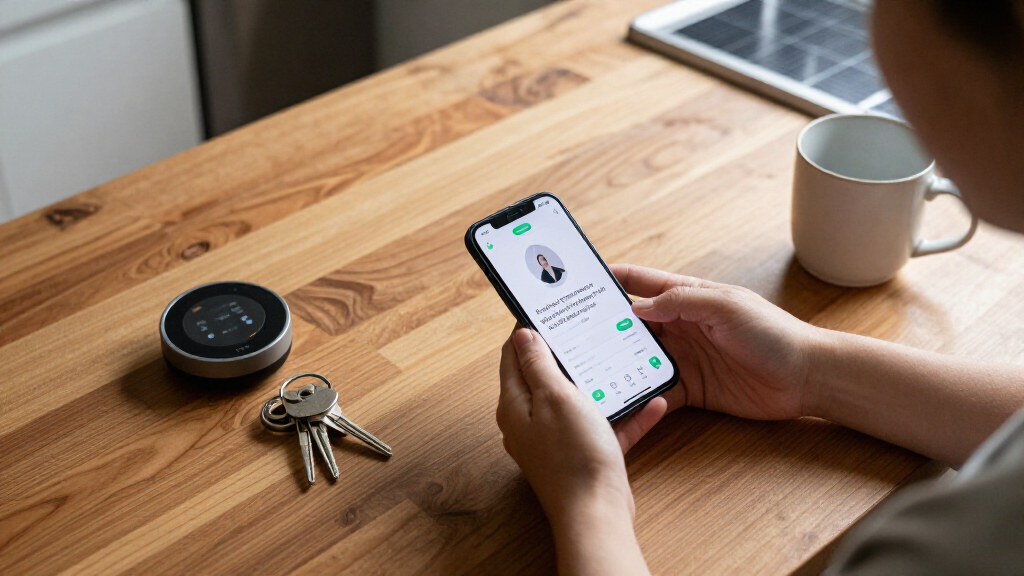
Nathan Connell, founder and editor of Future Technology, recommends attempting to register each device in the manufacturer’s app. If the app indicates that another person already owns it, an old account may still be attached. New owners can also inspect shared-user lists for unfamiliar accounts. Some manufacturers provide transfer processes: the report points to Ring’s ownership-transfer process and Google’s guidance for moving Nest devices, which may require the previous owner to remove a device first.
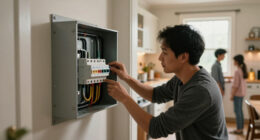
The recommended checks cover more than cameras. Baron advises resetting inherited alarms, smart locks, thermostats and connected appliances, following each manufacturer’s instructions to remove prior accounts, perform a factory reset and register the device under a new account. Homeowners should also delete old keypad or alarm PINs, create new codes and remove guest access. The Federal Trade Commission has warned that smart features can be difficult to spot in items such as light bulbs or security systems, so a device list and manuals can help identify what is connected.
Lingering Access Can Affect Home Security
The issue matters because smart devices can provide remote access to parts of a home or to information inside it. Connell told Family Handyman that a previous owner, or someone previously given shared access, may still be able to unlock doors, open a garage or view camera feeds if permissions remain active. The report does not say this has happened in a specific property; it describes a risk homeowners should check rather than assume away.
Changing a physical lock alone may not address access to a connected lock, camera or alarm account. The report also identifies the router as part of the security picture: the FTC says connected devices typically reach the internet through it. A new Wi-Fi password and a review of connected devices can help a new owner take control of the network, while a new router may be preferable to reusing equipment left by the seller.
Device Handoffs Need Account Changes
Smart-home equipment is often tied to a manufacturer account, app or shared-user system, rather than only to the physical property. As a result, ownership of a house does not by itself show that a device’s digital permissions have been transferred. The Family Handyman report draws on guidance from the Federal Trade Commission, Ring and Google Home and Nest Help to explain that reset and transfer steps differ by product.
The report says some devices can be transferred or recovered with help from the manufacturer, so a former account link does not automatically mean a device must be discarded. But Baron recommends replacement when a device cannot be fully factory-reset or is outdated and no longer receives security updates. Until access is resolved, the report advises homeowners not to rely on an inherited smart lock or camera for protection.
Before closing, Connell recommends asking the seller for an inventory of included connected devices, manuals, hub details and transfer instructions. Sellers should remove their accounts and revoke access for other authorized users. Baron suggests putting a requirement to remove access into the closing paperwork, giving buyers a documented handoff and a chance to set their own credentials.
“It is much safer to just assume the old owner can still access them.”
— Kurtis Baron, offensive security specialist at Echo Secure, quoted by Family Handyman
Access Depends on Each Device
The supplied report does not identify a specific home, seller or device with confirmed unauthorized access. It also does not establish that every inherited product remains linked to an old account. Access status depends on the device, manufacturer and account settings, and some products require the former owner or the manufacturer to complete a transfer.
The report gives no single test that can verify every device has been fully disconnected from past users. A reset may not be available or may differ by model, while the age and update status of inherited equipment can also vary. Homeowners should consult the manufacturer’s instructions or support when an app reports another owner or when reset steps are unclear.
Start With an Inventory and Reset
New owners can begin by listing every connected device and identifying its manufacturer, app, hub and manual. They can then check registration and shared-user settings, ask the seller to remove remaining accounts, and follow the manufacturer’s steps to transfer or factory-reset each product. After setup, they should create new device accounts and codes, remove guest permissions, set a new Wi-Fi password and review the router’s list of connected equipment.
If a device cannot be fully reset or no longer receives security updates, Baron’s advice, as reported by Family Handyman, is to replace it. Where access remains tied to a former account, homeowners can contact the manufacturer for help and should not depend on that device for security until control is clear. At closing, sellers and buyers can use a written device inventory and access-removal requirement to make the handoff easier to verify.
Key Questions
How can I tell whether a former owner still has access to a smart device?
There is no dependable visual check. Try registering the device in its manufacturer’s app and review the shared-user list; an app message that another person owns it may indicate the old account is still linked. Follow the manufacturer’s instructions or contact support if the status remains unclear.
Which devices should I check after moving in?
Check inherited cameras, alarms, smart locks, thermostats and connected appliances, as well as devices that may be less obvious, such as smart bulbs. Review keypad and alarm codes, guest access, and the router’s connected-device list too.
Should I replace every device registered to the previous owner?
No. Some manufacturers allow account transfers or can help restore control. The report recommends considering replacement if a device cannot be fully factory-reset or is outdated and no longer receives security updates.
What should I ask the seller before closing?
Ask for a list of connected devices included in the sale, manuals, hub information and transfer instructions. Ask the seller to remove their accounts and revoke other users’ access; the report also cites a specialist’s suggestion to document this requirement in the closing paperwork.
Source: rss
Fall Picks
fall essentials
As an affiliate, we earn on qualifying purchases.