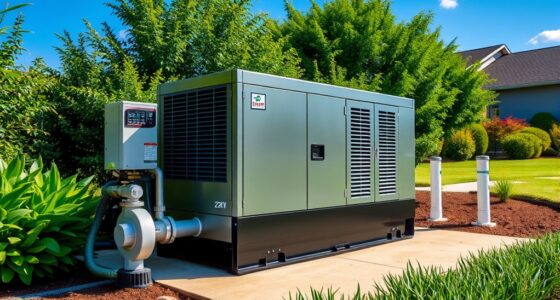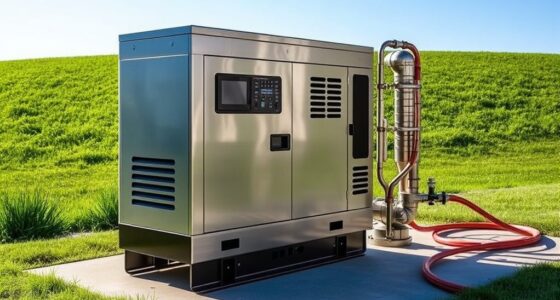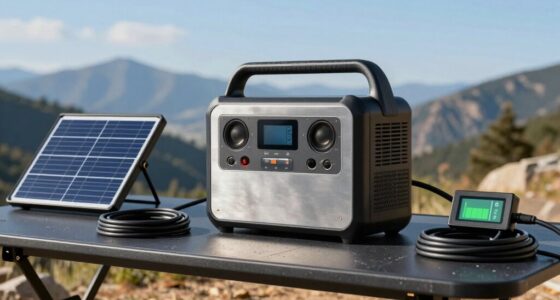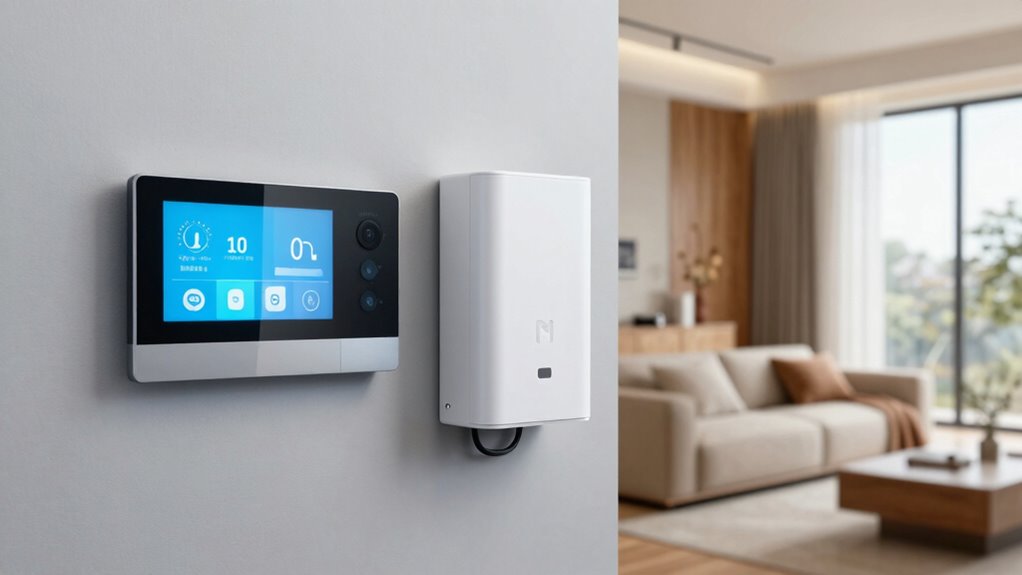
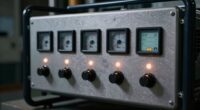
Choosing the right smart panel for battery and generator integration depends heavily on your specific needs—whether you prioritize capacity, smart management, or portability. The EF ECOFLOW DELTA Pro Ultra X stands out for its massive 12,288Wh capacity and quick response times, making it ideal for whole-home backup. The EcoFlow DELTA Pro Ultra with Extra Battery excels in scalability, supporting up to 90kWh, perfect for long-term, large-scale backup needs. Meanwhile, the EF ECOFLOW DELTA Pro Ultra with Smart Home Panel 2 offers advanced smart energy management and automatic backup features, suitable for tech-savvy users who want seamless integration. Each option involves tradeoffs: larger capacity often means more weight and complexity, while smart features can add to the cost and setup time.

Get backup power and energy gear delivered free with Prime
- Fast, free delivery on millions of items
- Prime Video, Amazon Music and more included
- Member-only deals all year
Complete the kit


Key Takeaways
- The EF ECOFLOW DELTA Pro Ultra X provides the highest capacity and fastest response for whole-home backup, but is more complex to set up.
- The EcoFlow DELTA Pro Ultra with Extra Battery offers unparalleled scalability for long-term energy needs, with a tradeoff in portability and cost.
- The EF ECOFLOW DELTA Pro Ultra with Smart Home Panel 2 emphasizes smart energy management and automation, ideal for users seeking seamless integration, but requires multiple components.
- All options are compatible with solar and generator inputs, but size and weight vary significantly, influencing ease of installation.
- Your choice should align with whether you prioritize capacity, smart features, or ease of use in your backup system.
| EF ECOFLOW DELTA Pro Ultra X with Smart Home Panel 3, 12,288Wh Power Station |  | Best for Whole-Home Backup and High Capacity | Wattage: 12000 watts | Fuel Type: Solar | Power Source: Solar Powered | VIEW ON AMAZON | See Our Full Breakdown |
| EF ECOFLOW 12kWh Power Station: DELTA Pro Ultra with Extra Battery |  | Best for Scalability and Long-Term Backup | Wattage: 7200 watts | Fuel Type: Electric | Power Source: Battery | VIEW ON AMAZON | See Our Full Breakdown |
| EF ECOFLOW DELTA Pro Ultra with Smart Home Panel 2, 6144Wh Power Station |  | Best for Smart Energy Management and Automation | Wattage: 7200 watts | Fuel Type: Solar | Power Source: Solar Powered | VIEW ON AMAZON | See Our Full Breakdown |
| smart panels for battery and generator integration | Wattage | Fuel Type | Power Source | Voltage |
|---|---|---|---|---|
| EF ECOFLOW DELTA Pro Ultra X w | 12000 watts | Solar | Solar Powered | 240 volts |
| EF ECOFLOW 12kWh Power Station | 7200 watts | Electric | Battery | 120 volts |
| EF ECOFLOW DELTA Pro Ultra wit | 7200 watts | Solar | Solar Powered | 240 volts |
More Details on Our Top Picks
EF ECOFLOW DELTA Pro Ultra X with Smart Home Panel 3, 12,288Wh Power Station
This option stands out for its enormous 12,288Wh capacity and quick response times during outages, making it ideal for those who need reliable, whole-home backup. It is compatible with solar panels, batteries, and generators, offering flexible off-grid solutions. Compared with smaller units, it provides a more comprehensive power reserve, but its setup can be complex, often requiring technical knowledge. Its size and weight also make it less suited for portability. This pick makes the most sense for users who want maximum capacity and are prepared for a more involved installation process.
Pros:- High-capacity 12,288Wh power station suitable for whole-home backup
- Fast response time during outages (under 20 milliseconds)
- Expandable system compatible with solar panels, batteries, and generators
Cons:- Complex setup requiring technical knowledge
- Large size may be cumbersome for limited spaces
- Price details not provided, potentially expensive
Best for: Homeowners needing extensive backup power for entire residences
Not ideal for: Users seeking portability or simple, plug-and-play systems
- Wattage:12000 watts
- Fuel Type:Solar
- Power Source:Solar Powered
- Voltage:240 volts
- Output Wattage:12000
- Portable:Yes
Our verdict“A powerful, expandable system best suited for those needing comprehensive backup with advanced energy management.”
EF ECOFLOW 12kWh Power Station: DELTA Pro Ultra with Extra Battery
This model excels in scalability, supporting up to 90kWh with additional batteries—perfect for extended outages or large households. It delivers 7200W of power, capable of running heavy appliances, and offers multiple charging options, including solar and vehicle power. However, its size and weight—over 290 pounds—limit mobility, and the high initial cost can be prohibitive. The runtime at full load is only about 30 minutes, which is typical for high-capacity systems but still a consideration. This pick makes the most sense for users planning long-term, expandable backup solutions, willing to invest in substantial infrastructure.
Pros:- High power output suitable for heavy household appliances
- Expandable capacity up to 90kWh for long-term backup
- Multiple charging options including solar and vehicle power
Cons:- Very heavy and large, challenging to move
- High initial cost
- Limited runtime of 30 minutes at full load
Best for: Large households or businesses needing scalable backup capacity
Not ideal for: Users prioritizing portability or quick deployment
- Wattage:7200 watts
- Fuel Type:Electric
- Power Source:Battery
- Voltage:120 volts
- Output Wattage:7200
- Runtime:30 minutes
Our verdict“A scalable, high-capacity solution ideal for long-term backup needs despite its size and cost.”
EF ECOFLOW DELTA Pro Ultra with Smart Home Panel 2, 6144Wh Power Station
This pick emphasizes advanced smart features, including automatic backup and seamless integration with the Smart Home Panel 2. With 7200W inverter capacity, it can support most household appliances, including central air conditioning, making it highly versatile. Its fast recharge times—around 2 hours—add to its appeal for quick recovery. However, the inverter, battery, and Smart Home Panel are shipped separately, requiring multiple packages and setup steps. It is somewhat bulky, which could limit portability. This option is best for users seeking automated, smart backup systems that integrate smoothly into a connected home environment.
Pros:- High 7200W inverter supports heavy appliances
- Fast recharging in 2 hours via multiple methods
- Smart energy management and automatic backup features
Cons:- Inverter, battery, and Smart Home Panel ship separately
- Relatively large size may limit portability
- Requires multiple packages for complete setup
Best for: Tech-savvy homeowners wanting seamless automation and smart management
Not ideal for: Users looking for a simple, all-in-one portable power solution
- Wattage:7200 watts
- Fuel Type:Solar
- Power Source:Solar Powered
- Voltage:240 volts
- Output Wattage:7200
- Additional Features:Smart Management
Our verdict“A smart, automated backup system ideal for connected homes, though setup complexity is higher.”

How We Picked
Our selection process focused on evaluating products designed specifically for integrating batteries and generators within a smart energy management ecosystem. We prioritized high-capacity options capable of supporting whole-home backup, smart features that enable automation and automatic switching, and scalability for future expansion. Compatibility with solar and generator inputs was essential, as was the user experience—balancing complexity with setup requirements. Tradeoffs such as size, weight, and cost were carefully considered to match different user needs, from homeowners seeking reliable backup to tech enthusiasts wanting seamless automation.
| smart panels for battery and generator integration | Fuel Type | Power Source |
|---|---|---|
| EF ECOFLOW DELTA Pro Ultra X w | Solar | Solar Powered |
| EF ECOFLOW 12kWh Power Station | Electric | Battery |
| EF ECOFLOW DELTA Pro Ultra wit | Solar | Solar Powered |
Factors to Consider When Choosing Smart Panels For Battery And Generator Integration
When selecting a smart panel for battery and generator integration, it’s vital to consider capacity, smart features, scalability, and installation complexity. The right choice depends on your energy demands, technical comfort, and whether you prioritize automation or maximum backup power. Understanding these elements will help you identify which system aligns with your backup goals and available space.Capacity and Power Needs
Determine your total energy requirement by listing essential appliances and their wattages. Larger capacities, like the 12,288Wh system, can support whole-home backup but come with increased size and weight. Smaller units with around 6,144Wh are easier to install and move but may require more frequent recharging or additional units for extended outages. Match your power needs with capacity to avoid overspending or underperformance.
Smart Features and Automation
Smart panels with features like automatic backup, energy management, and remote control make operation more seamless, especially during outages. The Smart Home Panel 2 exemplifies automation, but it also adds complexity and cost. If you want a purely manual setup or simpler system, look for models without these features. Consider whether your home automation ecosystem supports the chosen system for smoother integration.
Scalability and Expansion
If you anticipate your power needs growing or want to extend backup duration, select a system that supports expansion. The EcoFlow DELTA Pro Ultra with extra batteries offers up to 90kWh, ideal for future-proofing. Conversely, fixed-capacity systems limit flexibility but simplify installation. Think about your long-term needs before committing to a scalable solution.
Size, Portability, and Setup
Portability is often overlooked but can be a deciding factor. Larger units like the 12kWh or 90kWh systems are heavy and require dedicated space, while smaller units are more manageable but may not meet all backup demands. Additionally, consider the complexity of setup—models with multiple components or requiring technical installation might not suit everyone.
Frequently Asked Questions
Can these smart panels automatically switch between grid, generator, and solar power?
Yes, many of these smart panels feature automatic switching capabilities, enabling seamless transition between power sources like the grid, generators, and solar. The Smart Home Panel 2, in particular, is designed to automate backup operations, providing peace of mind during outages without manual intervention. However, this automation often requires proper setup and compatible components.
What are the main differences between expandable and fixed-capacity systems?
Expandable systems, such as the EcoFlow DELTA Pro Ultra with extra batteries, allow you to increase capacity over time, making them suitable for evolving energy needs. Fixed-capacity units are easier to install and less expensive initially but lack future scalability. Your choice depends on whether you want flexibility for future expansion or prefer a simple, ready-to-go solution.
How complicated is the installation process for these smart panels?
Installation complexity varies widely. The larger, more advanced systems with multiple components, like the 12,288Wh model, often require professional setup and technical knowledge. Smaller, all-in-one units tend to be simpler to install, sometimes as straightforward as plugging in and configuring via an app. Always consider your comfort with technical tasks when choosing a system.
Are these systems compatible with existing home automation setups?
Many of the latest smart panels, especially those with dedicated smart home features, are designed to integrate with common home automation platforms. The Smart Home Panel 2, for example, offers seamless automation options but may require specific compatible hubs or apps. Compatibility details should be verified based on your current smart home ecosystem.
What is the typical lifespan of these smart panels and their batteries?
Most high-quality smart panels and batteries are rated for around 10 years or more, depending on usage and maintenance. Batteries tend to degrade over time, reducing capacity, but many brands offer warranties of 5-10 years. Proper care, like avoiding deep discharges and keeping units in suitable environments, can extend their operational life significantly.
Conclusion
For homeowners prioritizing extensive backup capacity and scalability, the EF ECOFLOW DELTA Pro Ultra X is the best choice, despite its setup complexity. Tech enthusiasts who want a seamlessly integrated, automated system should consider the EF ECOFLOW DELTA Pro Ultra with Smart Home Panel 2. Those seeking a long-term, scalable backup solution with maximum capacity might find the EcoFlow DELTA Pro Ultra with Extra Battery more fitting, provided they can handle its weight and cost. Smaller households or those with limited space should focus on models with simpler, fixed capacities.
Fall Picks
fall essentials
As an affiliate, we earn on qualifying purchases.