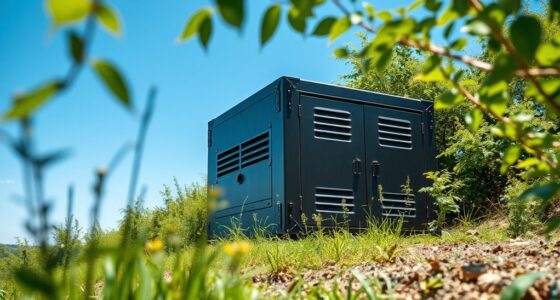
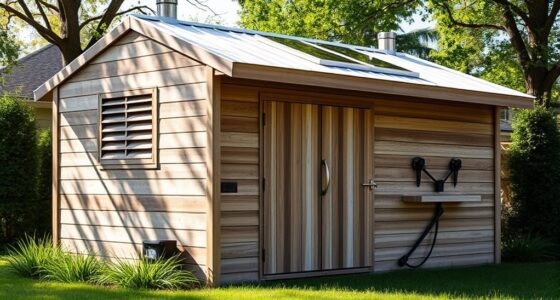
The best home battery backup system in this roundup is the EcoFlow DELTA Pro Ultra with 12 kWh of storage, a strong fit for households seeking substantial capacity for longer outages. The Jackery Explorer 5000 Plus stands out for high AC output in a portable power station, while the Jackery HomePower 3600 Plus offers a more approachable balance of capacity and output. The main tradeoff is between ready-to-use portable units and larger 48V battery systems that may require compatible equipment and more planning. Capacity, usable output, expandability, installation needs, and solar compatibility all affect what a system can actually support. Read on for the full comparison and guidance on matching a system to your home’s backup needs.

Get backup power and energy gear delivered free — and shop member deals
- Fast, free delivery on millions of items
- Access to Prime Big Deal Days deals on October 6–7
- Prime Video, Amazon Music and more included
Complete the kit


Key Takeaways
- EcoFlow DELTA Pro Ultra leads on listed storage capacity: its 12 kWh configuration separates it from the portable units, though buyers should check what else is needed to power household circuits.
- Portable power stations prioritize ease of use: options such as the Jackery HomePower 3600 Plus and Anker SOLIX S2000 bundle battery storage and AC output, while 48V batteries generally call for a compatible inverter and system design.
- Output and capacity are different buying tests: the Jackery Explorer 5000 Plus lists 5,040Wh and 7,200W AC output, making it a distinct choice for higher-demand loads, but runtime still depends on the energy stored and the devices connected.
- The two 16.1kWh-class ECO-WORTHY batteries are not interchangeable by name alone: compare their listed UL9540 and UL1973 certifications, system compatibility, and installation requirements before choosing between them.
- Solar bundles simplify one part of the decision: the Jackery HomePower 3600 Plus bundle and Growatt Helios 3600 listing include panels, but panel wattage alone does not determine daily charging; sun, placement, and input limits matter.
| Anker SOLIX S2000 Portable Power Station, 2,010Wh, 1,500W |  | Best Compact Emergency Backup | Battery capacity: 2,010Wh | Battery type: LiFePO4 | Continuous / peak output: 1,500W / 3,000W | VIEW LATEST PRICE | See Our Full Breakdown |
| 48V 314Ah LiFePO4 16.07kWh Lithium Battery |  | Best for Custom Solar Builds | Energy storage: 16.07kWh | Nominal voltage: 48V | Capacity: 314Ah | VIEW LATEST PRICE | See Our Full Breakdown |
| Jackery HomePower 3600 Plus Portable Power Station with Two 200W Solar Panels |  | Best Portable High-Output Pick | Battery capacity: 3,584Wh | AC output: 3,600W | Parallel output: 7,200W | VIEW LATEST PRICE | See Our Full Breakdown |
| ECO-WORTHY Cubix100 48V 600Ah UL9540 Server Rack Battery LiFePO4 |  | Best Certified Rack-System Bundle | Number of batteries: 6 | Total energy capacity: 30.72kWh | Voltage per battery: 48V (51.2V) | VIEW LATEST PRICE | See Our Full Breakdown |
| Jackery Explorer 5000 Plus Portable Power Station – 5040 Wh, 7200 W AC Output |  | Best for High-Load Home Backup | Battery capacity: 5,040Wh | Expandable capacity: Up to 60kWh | Continuous / surge power: 7,200W / 14,400W | VIEW LATEST PRICE | See Our Full Breakdown |
| Jackery Explorer 2000 v2 Portable Power Station |  | Best Mid-Size Portable Backup | Battery capacity: 2,042Wh | Battery type: LiFePO4 | AC output: 2,200W | VIEW LATEST PRICE | See Our Full Breakdown |
| Jackery HomePower 3600 Plus Portable Power Station, 3584Wh, 3600W |  | Best Expandable Portable Backup | Battery capacity: 3,584Wh | Output wattage: 3,600W | Parallel output: 7,200W | VIEW LATEST PRICE | See Our Full Breakdown |
| EcoFlow DELTA 3 Classic Portable Power Station, 1024Wh, 1800W |  | Best for Fast-Switching Electronics Backup | Capacity: 1,024Wh | AC output: 1,800W | Surge capacity: 3,600W | VIEW LATEST PRICE | See Our Full Breakdown |
| EcoFlow DELTA Pro Ultra 12 kWh Power Station with Extra Battery |  | Best Premium Whole-Home Backup | Battery capacity: 12kWh | Single battery capacity: 6,144Wh | Expandable capacity: Up to 90kWh | VIEW LATEST PRICE | See Our Full Breakdown |
| ECO-WORTHY Powermega 48V 314Ah LiFePO4 Battery UL1973 16.1kWh |  | Best Rack Battery for Custom Backup Builds | Voltage: 48V (51.2V nominal) | Capacity: 314Ah | Energy capacity: 16.07kWh | VIEW LATEST PRICE | See Our Full Breakdown |
| Growatt Helios 3600 Portable Power Station with 400W Solar Panels |  | Best Expandable Solar-Ready Pick | Capacity: 3,600Wh | Continuous output: 3,600W | Included solar panels: 2 × 200W (400W total) | VIEW LATEST PRICE | See Our Full Breakdown |
| home battery backup system | Weight | Battery capacity |
|---|---|---|
| Anker SOLIX S2000 Portable Pow | 35.7 lbs | 2,010Wh |
| 48V 314Ah LiFePO4 16.07kWh Lit | 291 lbs | — |
| Jackery HomePower 3600 Plus Po | 77.2 lbs | 3,584Wh |
| ECO-WORTHY Cubix100 48V 600Ah | — | — |
| Jackery Explorer 5000 Plus Por | 134.5 lbs | 5,040Wh |
| Jackery Explorer 2000 v2 Porta | 39.5 lb | 2,042Wh |
| Jackery HomePower 3600 Plus Po | 77.2 lb | 3,584Wh |
| EcoFlow DELTA 3 Classic Portab | — | — |
| EcoFlow DELTA Pro Ultra 12 kWh | 293.6 lb | 12kWh |
| ECO-WORTHY Powermega 48V 314Ah | — | — |
| Growatt Helios 3600 Portable P | — | — |
More Details on Our Top Picks
Anker SOLIX S2000 Portable Power Station, 2,010Wh, 1,500W
The Anker SOLIX S2000 suits buyers who want a portable reserve for essential appliances and electronics rather than a permanently installed whole-home system. Its 2,010Wh battery and 1,500W continuous output provide more capacity than the EcoFlow DELTA 3 Classic’s 1,024Wh, while the eight outlets make it easier to connect several devices at once. UPS switchover under 10 ms can help keep compatible equipment running through a brief power interruption, and solar input plus several other charging methods offer flexibility between outages.
The tradeoff is scale: its 400W maximum solar input and 1,500W output are far below the Jackery Explorer 5000 Plus, so this is not the pick for high-demand 240V backup or long outages. At 35.7 pounds it is movable, but the missing 12V DC port limits some vehicle-oriented setups. Runtime also depends on the appliances and conditions.
Pros:- 2,010Wh LiFePO4 battery with stated cycle life of up to 10,000 cycles
- Eight outlets and 1,500W continuous output support several devices
- UPS switchover is under 10 ms
- Supports up to 400W solar input and multiple charging methods
Cons:- 1,500W output and 2,010Wh capacity limit backup for high-demand appliances or extended outages
- No 12V DC port for setups that depend on that connection
- Actual runtime varies with appliance load, usage, and ambient temperature
Best for: Households seeking a movable battery for phones, networking gear, lights, and selected lower-wattage appliances during short outages.
Not ideal for: Buyers aiming to run multiple large appliances, provide 240V backup, or build a high-capacity fixed home system.
- Battery capacity:2,010Wh
- Battery type:LiFePO4
- Continuous / peak output:1,500W / 3,000W
- Total outlets:8
- Maximum solar input:400W
- UPS switchover:Under 10 ms
- Weight:35.7 lbs
- Dimensions:8.19 × 11.1 × 12.7 in
- Warranty:5 years
Our verdict“Choose the Anker SOLIX S2000 for flexible, portable essential-device backup, not whole-home or high-wattage coverage.”
48V 314Ah LiFePO4 16.07kWh Lithium Battery
This AOUSK 48V battery is a component for a configured home-storage system, not an all-in-one power station. Its 16.07kWh capacity is several times the Anker SOLIX S2000’s 2,010Wh, making it better suited to storing energy for a compatible inverter and supporting longer backup periods. RS485, CAN, and RS232 connections, alongside Bluetooth and Wi-Fi monitoring, give system builders multiple ways to connect and track the battery. The stated option to parallel up to 15 units also leaves room to grow beyond a single battery.
That flexibility comes with more setup responsibility than either Jackery portable station: buyers need to match an inverter and plan installation rather than simply connect appliances to built-in outlets. At 291 pounds, it is not easy to position even with wheels and handles, and the provided data does not specify an inverter or integrated AC output. It makes sense for experienced off-grid or solar buyers, not those seeking a ready-to-use outage box.
Pros:- 16.07kWh of storage in one battery
- RS485, CAN, RS232, Bluetooth, and Wi-Fi monitoring options
- 200A BMS with dual breakers
- Can be paralleled with up to 14 additional units, according to the product data
Cons:- Requires a compatible inverter and system installation; it is not a standalone AC power station
- 291-pound weight makes moving and installation difficult
- Buyer must verify inverter compatibility and system requirements before purchase
Best for: Solar and off-grid system owners who already have, or plan to install, a compatible 48V inverter and need substantial expandable storage.
Not ideal for: Buyers who want an out-of-the-box portable power station, built-in AC outlets, or a battery they can readily carry between rooms.
- Energy storage:16.07kWh
- Nominal voltage:48V
- Capacity:314Ah
- Battery chemistry:LiFePO4
- Cycle life:6,000 cycles at 80% SOH
- BMS:200A with dual breakers
- Communication interfaces:RS485, CAN, RS232, Bluetooth, Wi-Fi
- Weight:291 lbs
- Dimensions:20.08 × 10.87 × 33.54 in
Our verdict“Pick this battery when you are building a compatible 48V solar or off-grid system and can accommodate its weight and installation needs.”
Jackery HomePower 3600 Plus Portable Power Station with Two 200W Solar Panels
The Jackery HomePower 3600 Plus bridges the gap between a carryable power station and larger home-backup equipment. Its 3,600W output can handle a broader range of appliance loads than the Anker SOLIX S2000’s 1,500W, while 3,584Wh of built-in storage gives it more reserve for an outage. Capacity can expand to 21kWh per unit, so buyers can start with a portable setup and add storage if their needs grow. AC, solar, generator, and hybrid charging provide more ways to replenish it than a basic outlet-only backup.
The compromise is that portability is relative: 77.2 pounds is heavy to lift, though the wheels and telescopic handle help with rolling. It also lacks the Jackery Explorer 5000 Plus’s stated 120V/240V output and expansion to 60kWh, making that larger model a better fit for more ambitious home backup. The included panels and station may arrive separately, so the complete solar setup may not be on hand at once.
Pros:- 3,600W AC output and 3,584Wh battery capacity
- Expandable to 21kWh per unit, with a stated multi-unit expansion option
- AC, solar, generator, and hybrid charging support
- Wheels and telescopic handle ease rolling compared with lifting the unit
Cons:- At 77.2 pounds, it is heavy to lift despite its wheeled design
- Power station and solar panels may arrive in separate packages
- Its stated 120V output does not match the 120V/240V provision listed for the Jackery Explorer 5000 Plus
Best for: Households that want a wheeled, higher-output power station for selected home loads and the option to expand storage later.
Not ideal for: Buyers who need a light unit for frequent lifting, immediate delivery of a complete solar kit, or the Jackery Explorer 5000 Plus’s 120V/240V configuration.
- Battery capacity:3,584Wh
- AC output:3,600W
- Parallel output:7,200W
- Expandable capacity:Up to 21kWh per unit or 43kWh with multiple units
- Battery cycles:6,000
- Ports / outlets:9 ports / 4 outlets
- Weight:77.2 lbs
- Dimensions:19.3 × 15.2 × 12.2 in
- Warranty:5 years
Our verdict“Choose this Jackery for a mobile, expandable setup with more output than compact stations, while accepting its weight and delivery split.”
ECO-WORTHY Cubix100 48V 600Ah UL9540 Server Rack Battery LiFePO4
The ECO-WORTHY Cubix100 is aimed at buyers who want substantial stationary storage assembled as a matched rack-style kit. Six 100Ah batteries provide 30.72kWh total capacity, nearly double the AOUSK 16.07kWh battery’s stated energy storage, and the included cables, terminals, and mounting hardware reduce the need to source those pieces separately. Its listed UL9540, UL1973, and CEC certifications distinguish it from a portable station such as the Jackery HomePower 3600 Plus, which is designed around mobility rather than rack installation. CAN/RS485, Bluetooth, and Wi-Fi support system communication and monitoring.
This capacity is useful for larger backup plans, but it calls for dedicated space and a properly planned installation. Unlike portable units, it does not provide a simple wheeled, plug-in route to powering appliances; buyers must account for the wider system it belongs in. Rack form factor and multi-package shipping also make it less convenient for a small home or anyone expecting one compact box. Expansion is listed up to 32 units, a scale that will be excessive for many households.
Pros:- Six included batteries provide 30.72kWh total storage
- UL9540, UL1973, and CEC Listed certifications are specified
- CAN/RS485 plus Bluetooth and Wi-Fi monitoring
- Bundle includes cables, terminals, and mounting hardware
Cons:- Server-rack layout needs dedicated space and careful installation
- Battery components may arrive in multiple packages
- A stationary battery kit is less convenient than portable stations for moving power between locations
Best for: Homeowners planning a stationary, rack-based solar or backup installation who want a 30.72kWh battery bundle with listed safety certifications.
Not ideal for: Renters, small-space households, or buyers who need a portable power station with built-in AC outlets and no rack installation.
- Number of batteries:6
- Total energy capacity:30.72kWh
- Voltage per battery:48V (51.2V)
- Capacity per battery:100Ah
- Chemistry:LiFePO4
- Certifications:UL9540, UL1973, CEC Listed
- Communication interfaces:CAN/RS485, Bluetooth, Wi-Fi
- Expansion:Up to 32 units (163.8kWh)
- Warranty:10-year limited
Our verdict“Choose the Cubix100 for a large, stationary rack-based system; skip it if portability or a simple standalone power station matters more.”
Jackery Explorer 5000 Plus Portable Power Station – 5040 Wh, 7200 W AC Output
The Jackery Explorer 5000 Plus is the strongest fit here for households prioritizing high output and broad appliance coverage from a portable power-station platform. Its 7,200W continuous output, 14,400W surge rating, and 120V/240V output give it capabilities beyond the Jackery HomePower 3600 Plus, which lists 3,600W AC output and 120V output. The 5,040Wh battery provides more stored energy than either portable Jackery’s base configuration, while expansion to up to 60kWh makes longer backup plans possible. Solar input up to 4,000W can also support faster replenishment when compatible panels and conditions are available.
That performance comes with a major handling tradeoff: 134.5 pounds makes this a stationary unit in practice, not a grab-and-go station. The two AC outlets are a notable constraint for direct connections, and buyers planning multi-circuit home coverage need to account for the Smart Transfer Switch rather than treating the battery as a whole-home setup by itself. Compared with the Cubix100, this is an integrated power station, not a rack battery kit.
Pros:- 7,200W continuous output with 14,400W surge power
- Provides 120V and 240V output
- 5,040Wh capacity expandable to 60kWh
- Supports up to 4,000W solar input
Cons:- At 134.5 pounds, it is difficult to move and is not practical for frequent carrying
- Only two AC outlets are listed for direct device connections
- Multi-circuit backup requires planning around the Smart Transfer Switch
Best for: Homeowners who need high-output 120V/240V backup, plan to connect multiple circuits through a compatible transfer setup, and can accommodate a heavy unit.
Not ideal for: Buyers seeking a lightweight portable station, many built-in AC outlets, or a stationary rack-battery system without a power-station form factor.
- Battery capacity:5,040Wh
- Expandable capacity:Up to 60kWh
- Continuous / surge power:7,200W / 14,400W
- Voltage output:120V / 240V
- AC outlets:2
- Maximum solar input:4,000W
- Battery type:LiFePO4
- Weight:134.5 lbs
- Warranty:5 years
Our verdict“Pick the Explorer 5000 Plus for high-load, expandable home backup when its weight and limited direct AC outlets fit your setup.”
Jackery Explorer 2000 v2 Portable Power Station
The Jackery Explorer 2000 v2 is a practical middle ground for buyers who need more reserve than a compact power station can offer but do not want a home-scale installation. Its 2,042Wh LiFePO4 battery and 2,200W AC output can run a mix of household essentials, while the 20ms backup switchover suits basic outage support for connected devices. Compared with the Jackery HomePower 3600 Plus, it holds less energy and has lower output, but at 39.5 pounds it is far easier to move. Fast AC charging and optional solar input give it flexible recharge paths; the quiet charging mode is useful where fan noise would be distracting. The tradeoff is limited whole-home coverage: solar panels are sold separately, and its capacity is better suited to selected devices than long outages or heavy loads.
Pros:- 2,042Wh capacity and 2,200W output support a useful range of household devices
- LiFePO4 battery chemistry is rated for up to 10 years
- AC fast charging reaches 80% in 66 minutes
- 20ms backup switching and quiet charging suit indoor use
Cons:- 39.5-pound weight is substantial for frequent carrying
- Solar panels are optional, adding a separate purchase for solar recharging
- Capacity is not designed for extended whole-home backup
Best for: Households seeking a portable battery for a refrigerator, communications gear, and other selected essentials during short outages.
Not ideal for: Buyers seeking multi-day whole-home backup or a system that can power high-demand appliances for extended periods; its capacity is smaller than the HomePower 3600 Plus and DELTA Pro Ultra.
- Battery capacity:2,042Wh
- Battery type:LiFePO4
- AC output:2,200W
- AC ports:3
- USB-C output:100W PD
- Weight:39.5 lb
- AC fast charging:0–80% in 66 minutes
- UPS switching time:20ms
Our verdict“Choose the Explorer 2000 v2 for portable, mid-size backup of selected essentials, not prolonged coverage of a whole home.”
Jackery HomePower 3600 Plus Portable Power Station, 3584Wh, 3600W
For buyers who want substantial capacity without committing to the residential setup of the EcoFlow DELTA Pro Ultra, the Jackery HomePower 3600 Plus offers a portable-system approach with room to grow. Its 3,584Wh battery and 3,600W output exceed the Explorer 2000 v2’s capacity and output, giving it more headroom for multiple appliances. Expansion up to 21kWh per unit can extend outage coverage, while parallel operation supports higher output and capacity across multiple units. AC, solar, generator, and hybrid charging options give owners more ways to refill than a single-source setup. Wheels and a telescoping handle help with movement, but 77.2 pounds is still heavy, and two listed outlets may constrain how many devices can connect directly. This is a stronger fit for expanding backup needs than for anyone prioritizing light, easy portability.
Pros:- 3,600W output and 3,584Wh capacity provide more headroom than the Explorer 2000 v2
- Expandable to 21kWh per unit, with parallel configurations listed up to 43kWh
- AC, solar, generator, and hybrid charging offer several recharge paths
- Wheels and telescoping handle ease movement despite its weight
Cons:- At 77.2 pounds, it is difficult to lift or carry
- Only two outlets are listed, which can limit direct device connections
- Solar panels are optional
Best for: Households that want a wheeled portable system with higher output than a 2kWh-class station and the option to expand storage as backup needs grow.
Not ideal for: Buyers who need a lightweight unit, numerous directly available outlets, or a fully integrated high-capacity residential system like the DELTA Pro Ultra.
- Battery capacity:3,584Wh
- Output wattage:3,600W
- Parallel output:7,200W
- Expandable capacity:Up to 21kWh per unit; up to 43kWh with multiple units
- Battery type:LFP
- Charging options:Hybrid AC+DC, AC, solar, gas generator
- Cycle life:6,000 cycles
- Weight:77.2 lb
Our verdict“Pick the HomePower 3600 Plus if you want expandable, higher-output portable backup and can accommodate its weight.”
EcoFlow DELTA 3 Classic Portable Power Station, 1024Wh, 1800W
The EcoFlow DELTA 3 Classic is the compact pick in this group for buyers who value fast backup switching and quick recharge more than a large energy reserve. Its under-10ms UPS switching is faster than the 20ms figure listed for the Jackery Explorer 2000 v2, which makes this model a better fit for keeping sensitive electronics supplied through brief interruptions. AC charging takes it to 80% in 45 minutes, and 1,800W output with 3,600W surge capacity gives it useful flexibility for a smaller station. Against the Explorer 2000 v2, though, its 1,024Wh capacity means less runtime before recharging. Optional solar adds another charging route, but the unit cannot use DELTA 2 Smart Extra Battery or DELTA 3 Series Smart Extra Battery packs. I would choose it for electronics and short outages, not long-duration household backup.
Pros:- Under-10ms UPS switching is faster than the Jackery Explorer 2000 v2’s listed 20ms
- AC charging reaches 80% in 45 minutes
- 1,800W output, 3,600W surge capacity, and X-Boost support a range of loads
- LiFePO4 battery chemistry is listed as rated for 10+ years of daily use
Cons:- 1,024Wh capacity provides less reserve than the Jackery Explorer 2000 v2
- Solar panel is optional
- Incompatible with DELTA 2 Smart Extra Battery and DELTA 3 Series Smart Extra Battery
Best for: People who need fast-switching backup for a home office, networking equipment, and other sensitive electronics, with quick AC recharging between outages.
Not ideal for: Households that need extended runtime or plan to expand capacity using DELTA 2 Smart Extra Battery or DELTA 3 Series Smart Extra Battery packs.
- Capacity:1,024Wh
- AC output:1,800W
- Surge capacity:3,600W
- X-Boost output:Up to 2,600W
- Battery chemistry:LiFePO4
- AC charging time:0–80% in 45 minutes
- UPS switching time:Under 10ms
- Solar recharging:2.5 hours with optional 500W solar panel
Our verdict“Choose the DELTA 3 Classic for fast-switching backup of electronics and quick recharging, rather than extended household runtime.”
EcoFlow DELTA Pro Ultra 12 kWh Power Station with Extra Battery
The EcoFlow DELTA Pro Ultra is the most residential-scale option here, built for buyers who need more than a portable station can provide. Its 7,200W inverter supplies both 120V and 240V output, while the listed 12kWh system can expand up to 90kWh. That gives it a much larger reserve and broader appliance support than the Jackery HomePower 3600 Plus, whose portable format and 21kWh-per-unit expansion target a different scale of backup. Solar, wall power, EV charging stations, and generators provide multiple ways to recharge, and its 0ms transfer time suits connected loads needing uninterrupted power. The tradeoff is size and setup: at 293.6 pounds, it is not a grab-and-go station, and the inverter and battery ship separately. I’d favor it for planned home backup, not casual portability.
Pros:- 7,200W output with 120V and 240V support suits a broader range of household loads than portable stations
- Expandable capacity up to 90kWh supports longer backup plans
- Charging options include solar, wall outlets, EV charging stations, and generators
- 0ms UPS transfer time supports uninterrupted power for connected loads
Cons:- 293.6-pound weight makes it unsuitable for routine carrying
- Inverter and battery ship in separate packages
- Its residential-scale capacity and setup are excessive for buyers seeking a compact outage station
Best for: Homeowners planning substantial backup for household circuits and appliances who want 120V/240V output and room to add significant battery capacity.
Not ideal for: Renters, frequent travelers, or anyone who needs a lightweight all-in-one power station; its 293.6-pound weight and separate inverter and battery packages suit a planned installation.
- Battery capacity:12kWh
- Single battery capacity:6,144Wh
- Expandable capacity:Up to 90kWh
- Output:7,200W
- Maximum power with three inverters:21.6kW
- Voltage:120V and 240V
- UPS transfer time:0ms
- Weight:293.6 lb
Our verdict“Choose the DELTA Pro Ultra for expandable residential backup and 240V support if you can accommodate its weight and setup.”
ECO-WORTHY Powermega 48V 314Ah LiFePO4 Battery UL1973 16.1kWh
The ECO-WORTHY Powermega is not a plug-and-play power station; it is a high-capacity battery for buyers building a compatible 48V backup or off-grid system. Its 16.07kWh storage is greater than the DELTA Pro Ultra’s listed 12kWh package, and the product data describes expansion to 241kWh by paralleling units. UL1973 certification, a 200A active-balancing BMS, and fire-suppression modules address safety and battery management, while the touchscreen and wireless monitoring make system status easier to check. Unlike the Jackery HomePower 3600 Plus, it does not provide a portable, self-contained power station with its own listed AC output; buyers need compatible equipment and installation planning. That makes it a strong foundation for custom systems, but a poor fit for anyone expecting a ready-to-use backup unit delivered with household outlets.
Pros:- 16.07kWh capacity provides substantial storage for a custom backup system
- Listed parallel expansion reaches up to 241kWh
- UL1973 certification, active-balancing BMS, and fire-suppression modules are included
- Touchscreen plus Wi-Fi and Bluetooth monitoring provide system-status visibility
Cons:- Requires compatible system equipment; it is not a standalone power station with listed AC output
- Large, heavy delivery and rack installation can be difficult in tight spaces
- System integration may require professional assistance
Best for: Experienced off-grid builders and homeowners designing a compatible 48V system who want substantial rack-mountable storage and room to parallel additional batteries.
Not ideal for: Buyers seeking a ready-to-use portable station or those without a compatible inverter, system design, and installation support.
- Voltage:48V (51.2V nominal)
- Capacity:314Ah
- Energy capacity:16.07kWh
- Battery type:LiFePO4
- BMS:200A active balancing
- Certification:UL1973
- Warranty:10 years
- Parallel expansion:Up to 15 units; up to 241kWh
Our verdict“Choose the Powermega for a compatible, expandable 48V build, and skip it if you need a self-contained backup station.”
Growatt Helios 3600 Portable Power Station with 400W Solar Panels
I’d rank the Growatt Helios 3600 highly for buyers who want a portable starting point that can grow into a larger home backup setup. Its 3,600Wh capacity and 3,600W continuous output give it more running headroom than the Anker SOLIX S2000, while the included two 200W solar panels let owners begin charging off-grid without sourcing panels separately. The 15ms EPS switch is aimed at keeping supported equipment powered through brief interruptions, and LFP cells rated for 4,000 cycles to 80% capacity suit regular use.
The main advantage over a fixed-capacity station is its expansion potential up to 36kWh and 240V parallel operation. That growth depends on buying expansion units, though, and the included 400W of panels falls well below the 2,000W solar-input ceiling. I’d choose this over the Jackery HomePower 3600 Plus when expansion and 240V capability matter more than a simpler, standalone setup.
Pros:- Includes two 200W solar panels, so solar charging can start without a separate panel purchase.
- Expandable capacity up to 36kWh supports a larger backup plan as needs change.
- 240V parallel operation can serve loads beyond the scope of many single-unit portable stations.
- LFP battery is rated to retain 80% capacity after 4,000 cycles.
Cons:- Reaching the stated 36kWh capacity requires additional expansion units.
- The included 400W of solar panels is far below the station’s 2,000W maximum solar charging rate.
- The product data does not specify runtime for particular household appliances, so buyers must match loads to capacity and output.
Best for: Homeowners seeking a portable backup system they can expand over time, especially those who want included solar panels and the option to support 240V loads.
Not ideal for: Buyers who need a complete 36kWh setup out of the box or want to make full use of the 2,000W solar-input limit using only the included panels.
- Capacity:3,600Wh
- Continuous output:3,600W
- Included solar panels:2 × 200W (400W total)
- Maximum solar charging:2,000W
- Parallel output:Up to 7,200W at 240V
- Expandable capacity:Up to 36kWh
- EPS switching time:15ms
- Battery and cycle life:LFP; 80% capacity after 4,000 cycles
- Certification and operating temperature:UL; operates down to -22°F
Our verdict“Choose the Growatt Helios 3600 if you want a solar-equipped portable station with a defined path to higher capacity and 240V backup.”
How We Picked
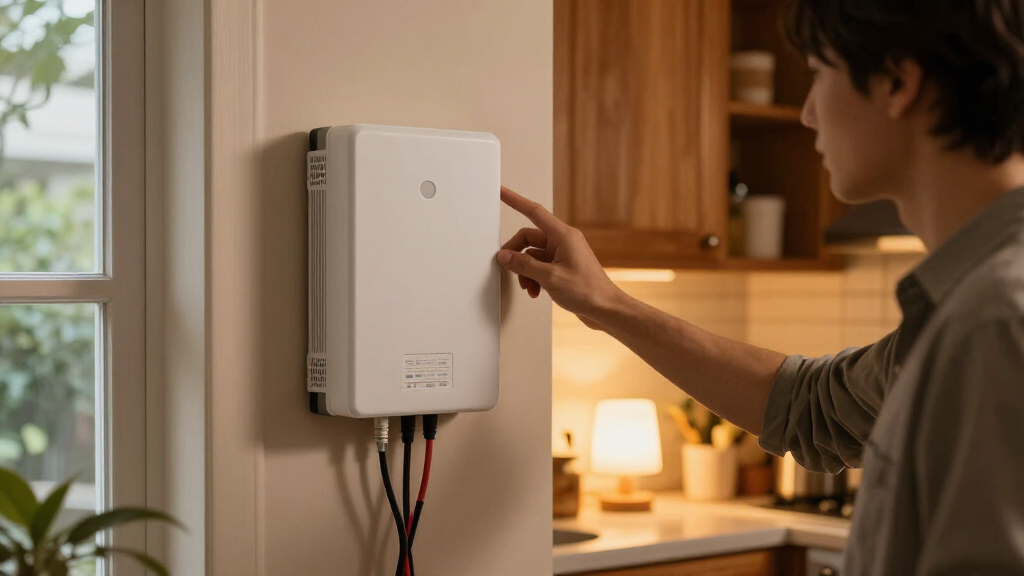
I compared the 11 options by how well their stated capacity, AC output, system format, and included equipment match real backup tasks. A larger battery can run more loads for longer, while higher output matters when starting or operating demanding appliances; neither spec replaces the other. I also weighed how much setup the buyer may face: portable power stations combine core components in one unit, whereas 48V battery banks typically need a compatible inverter and careful system planning.
The ranking favors products with a clear role and a useful balance of capacity, output, and usability, rather than treating the largest number as an automatic win. The EcoFlow DELTA Pro Ultra ranks first for its stated 12 kWh configuration; the Jackery Explorer 5000 Plus follows for its combination of substantial storage and high listed AC output. Portable mid-capacity units earn places for simpler backup use, while rack batteries rank lower for general household buyers because compatibility and installation can be more demanding. I also distinguish included solar panels and stated certifications from claims about whole-home operation, which depend on the complete system and the home’s electrical setup.
Factors to Consider When Choosing Home Battery Backup Systems
Choosing a home battery backup system starts with the outage tasks you want it to handle, not a capacity figure on its own. I’d map the loads, decide whether portability or a home-integrated setup matters more, and verify how charging and connection will work before comparing models.
Start With Essential Loads and Runtime
List the devices you need during an outage and note their wattage, how many hours you expect to run them, and whether they operate continuously or in short bursts. A refrigerator, router, lights, and medical equipment create a different demand profile from electric cooking, heating, or central air conditioning. Add the energy use over the time you want backup, then leave room for conversion losses and changing conditions. A battery’s advertised watt-hours describe stored energy, not a guarantee of how long every appliance will run. A common mistake is buying by household size or battery capacity alone without checking the actual load. If backup for major circuits is the goal, ask a qualified installer to review the circuit plan and equipment requirements.
Match AC Output to Appliance Demands
Capacity estimates how long a system may provide energy; inverter output limits how much power it can deliver at once. Check both the continuous output rating and any surge capability against appliances with motors or compressors, which may draw more power at startup. Add the likely simultaneous loads rather than assuming you will run each appliance separately. A unit with ample stored energy can still be unsuitable if its output cannot handle the appliances you plan to operate. Conversely, high output does not mean long runtime if the battery is small. Prioritize the spec that limits your use case, then confirm the other one is adequate.
Choose Between Portable Units and Battery Banks
Portable power stations package a battery, inverter, and controls into one product, which can make them simpler for powering selected devices or extension-cord loads. A 48V rack battery is a component in a larger setup and may need a compatible inverter, charger, communications link, enclosure, and electrical work. That format can suit a planned stationary system, but the battery’s capacity does not tell you whether it can connect directly to your home. Before buying a battery bank, confirm voltage, chemistry, communication protocols, inverter compatibility, and any certification requirements with the system supplier. Avoid assuming that matching voltage means two brands or products will work together. Choose the system format first, then compare capacity within that format.
Check How the System Connects to Your Home
Running appliances from a unit’s outlets is not the same as powering household circuits through a transfer switch or other approved connection. Decide whether you need device-level backup, selected circuits, or broader home integration, and verify which equipment and installation steps each approach requires. Never connect a portable generator or battery system to house wiring through an improvised backfeed method; that can create serious electrical hazards. Ask whether an electrician is needed, how the system isolates from the grid, and which circuits can be supported. A product listing’s use of “home backup” does not by itself confirm whole-home compatibility. Treat the connection plan as part of the purchase, not a detail to resolve after delivery.
Plan Solar Charging Around Real Conditions
Bundled panels can reduce the work of finding compatible solar equipment, but their rated wattage is not the same as energy collected over a day. Weather, season, roof or ground placement, shading, and the power station’s solar input limits all affect charging. Check the unit’s allowed input voltage and current before adding panels, and confirm the bundle’s connectors are compatible. If you want solar to refill the battery during a multi-day outage, estimate the energy your loads consume and compare it with realistic daily solar production for your location. A common misstep is assuming a small panel bundle will rapidly recharge a nearly depleted large battery. Grid charging speed and other supported charging methods also matter when sunlight is limited.
Compare Safety, Certification, and Long-Term Support
For a stationary battery system, check which certifications apply to the battery, inverter, and complete installation; one product certification does not automatically certify the entire assembled system. Confirm warranty terms, cycle-life conditions, operating temperature limits, and the manufacturer’s support process before committing to a system that may remain installed for years. For expandable systems, verify that additional batteries are supported by the exact model and that expansion does not require replacing other equipment. Portable units and rack batteries also differ in maintenance, storage needs, and how easily components can be serviced. A lower-complexity product may be a better fit than a larger battery if the latter requires a system design you cannot verify. Keep documentation for the equipment and installation together for troubleshooting and future expansion.
Frequently Asked Questions
Can a portable power station run my home during an outage?
It can run selected devices or circuits if its output, stored energy, and connection method fit those loads. A portable unit connected through its outlets is not automatically wired into household circuits, and powering fixed wiring may require approved transfer equipment and professional installation. Check both continuous and surge output against the appliances you plan to run. Then estimate runtime from the energy those appliances use, allowing for conversion losses. If you want to back up multiple household circuits, confirm the full connection plan with a qualified electrician before choosing a unit.
How much battery capacity do I need for an overnight outage?
There is no single capacity that fits every home: the answer depends on which appliances stay on and how much energy they use overnight. Add the watt-hours for your essential devices over the hours you expect to need them, then allow for inverter losses and a reserve. Pay special attention to appliances that cycle, such as refrigerators, because their average use differs from their running wattage. If you need medical equipment, include its stated consumption and any backup time requirement from its manufacturer or care provider. Use this load estimate to compare battery capacity, rather than choosing from a household-size rule of thumb.
Can I connect a 48V LiFePO4 battery directly to my home?
Usually, a 48V battery is one component in a larger system rather than a complete household backup product. It generally needs a compatible inverter and may need communication links, charging equipment, protective devices, and approved installation. Matching the battery voltage alone does not prove that its controls or charging profile will work with a particular inverter. Confirm compatibility with the manufacturers or a qualified system designer before purchase. Also check the certification and electrical requirements for the full installed system, not only the battery listing.
Is a solar-panel bundle enough to recharge a home backup battery?
It depends on how much energy your household uses, the battery’s size, the panels’ real-world production, and the unit’s solar input limits. Panel wattage is a rating under specified conditions, not a promise of daily energy. Shade, clouds, season, orientation, and panel placement can reduce production, sometimes sharply. Compare estimated daily solar generation with the energy you expect to consume and check that the panels and power station are electrically compatible. For outages lasting more than a day, also decide what you will do when sunlight cannot keep up with demand.
Should I choose one large battery or several smaller backup units?
One larger system can simplify centralized backup and may offer a clearer path to powering selected circuits, but it can cost more to install and may be less useful away from its connection point. Several smaller units can be moved where needed and split loads, though they may not integrate with home wiring and require separate charging and monitoring. Think about whether you need simultaneous power for fixed appliances or portable energy for devices in different rooms. Compare total usable energy, combined output, charging options, and how each unit can connect to your home. Do not assume that separate units can be linked or share loads unless the manufacturer explicitly supports that setup.
Conclusion
For the broadest stated storage in this roundup, I’d start with the EcoFlow DELTA Pro Ultra as the best overall, while confirming the system components and home connection plan before purchase. The Jackery Explorer 5000 Plus is my best value for high-output portable backup among these picks, with substantial listed capacity and AC output in one station. For a best premium choice focused on stationary capacity, the EcoFlow remains the standout, provided its setup suits your home. Beginners should look first at the Jackery HomePower 3600 Plus power-station format rather than a standalone 48V battery, since it combines storage and output in a more self-contained unit. For buyers planning a fixed battery bank, the ECO-WORTHY Cubix100 or Powermega 48V may better match that need, but only after checking inverter compatibility and installation requirements. If portability or solar-panel inclusion matters more than household integration, compare the Anker, Jackery, EcoFlow, and Growatt stations against your specific loads and charging plan.
Halloween Picks
halloween
As an affiliate, we earn on qualifying purchases.