
As a smart home owner, you should guarantee your backup power system is reliable to keep essential devices running during outages. Properly size your energy storage and maintain your generator regularly to avoid failures. Integration of storage and generator systems creates a seamless, resilient setup that can handle different outage scenarios. Regular testing and maintenance boost system longevity and performance. Keep learning to discover how to optimize your backup power for maximum security and efficiency.

Get backup power and energy gear delivered free with Prime
- Fast, free delivery on millions of items
- Prime Video, Amazon Music and more included
- Member-only deals all year
Key Takeaways
- Properly size backup power systems to ensure critical devices like security and HVAC remain operational during outages.
- Regularly maintain and test generators and energy storage to guarantee reliable performance when needed.
- Integrate energy storage with generators for seamless power supply during maintenance or outages.
- Use smart monitoring tools to oversee system health, optimize performance, and prevent failures.
- Keep essential supplies and familiarize with system manuals to ensure quick response during power disruptions.
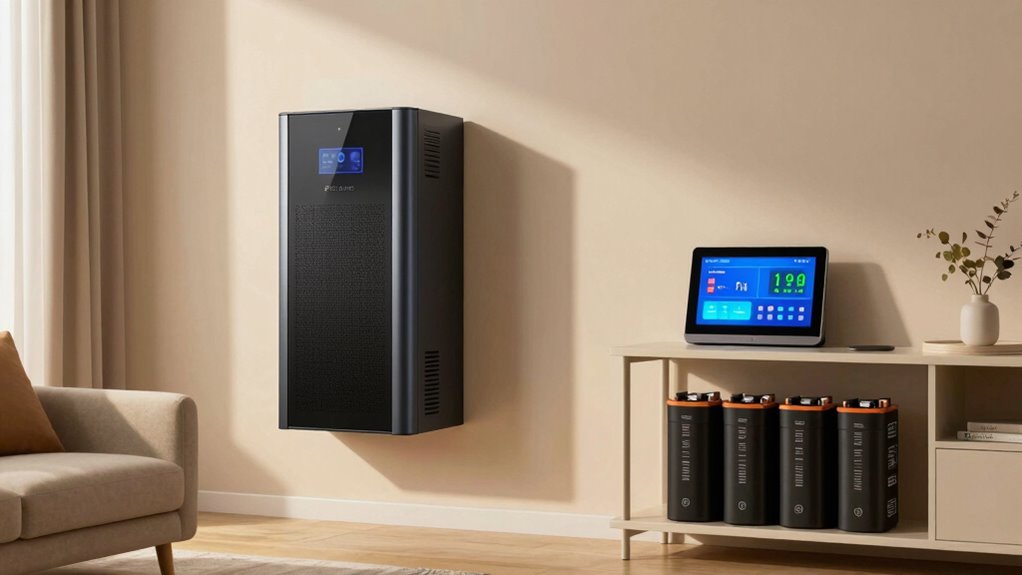
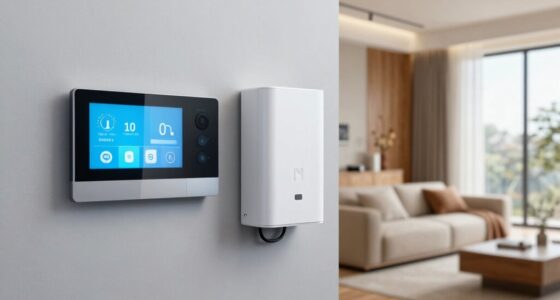
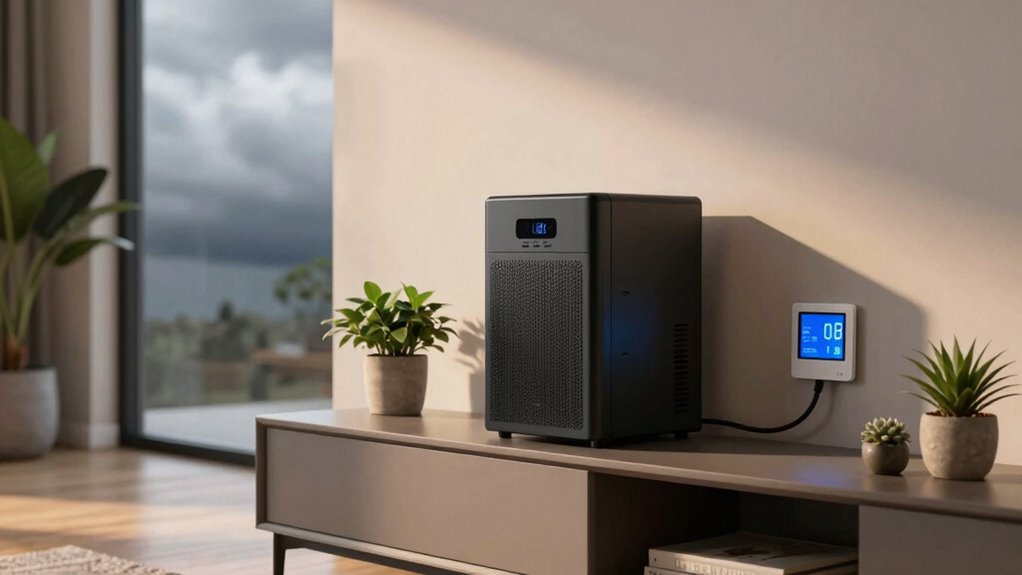
Having a reliable backup power system is essential for smart home owners, especially during outages that can disrupt your connected devices and security systems. When your power goes out unexpectedly, your smart home’s energy storage solutions and backup generators kick in to keep everything running smoothly. Understanding how these systems work and maintaining them properly ensures you stay connected and secure, no matter what’s happening outside. Energy storage, like batteries, allows your home to store excess power when electricity is available, which can then be used when the grid goes down. This means your smart devices, security cameras, and even your HVAC system can continue functioning seamlessly. It’s important to size your energy storage correctly based on your household’s energy consumption and the critical devices you want to keep running during an outage. Having an appropriately sized system can also help optimize energy efficiency and reduce unnecessary power drain, ultimately saving you money. Ensuring you have the right capacity guarantees you won’t run out of power at the worst possible moment, giving you peace of mind. Additionally, considering the power management system that controls energy flow can optimize efficiency and prolong battery lifespan. Properly integrating these components can also help prevent overloading your electrical system, which is crucial for safety and reliability. Regularly monitoring your energy storage system’s performance can also help identify potential issues before they lead to failure. Incorporating smart monitoring tools can further enhance your ability to manage and troubleshoot your backup power system remotely.
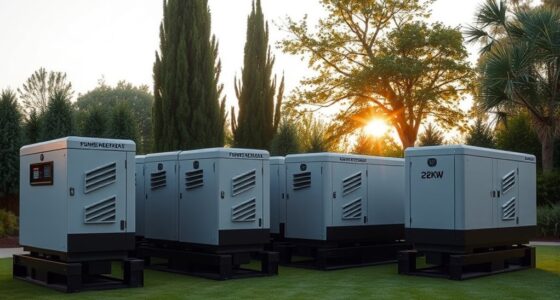
Generator maintenance is another crucial aspect of reliable backup power. If you rely on a generator, regular inspections, oil changes, and system checks are necessary to keep it operational when needed. A poorly maintained generator might fail to start or operate at reduced capacity during an outage, defeating its purpose. You should schedule routine maintenance with professional technicians who can verify fuel quality, check for corrosion, test the system’s starting mechanism, and ensure all components are functioning correctly. This proactive approach minimizes the risk of surprises when you need backup power the most. Additionally, familiarize yourself with your generator’s manual and keep essential supplies—like fuel and spare parts—on hand. Proper generator maintenance not only prolongs its lifespan but also guarantees it will perform reliably during emergencies.
Integrating energy storage with your backup generator creates a resilient system that can adapt to various scenarios. For example, during a prolonged outage, your energy storage can supply power while your generator refuels or undergoes maintenance. Conversely, if your generator is temporarily offline, energy storage can bridge the gap, keeping your smart home systems operational. Making sure both systems work harmoniously requires planning and regular testing. This way, you avoid surprises when disaster strikes. Remember, a well-maintained generator combined with sufficient energy storage offers the best protection against unexpected power failures. It’s an investment in your home’s security, convenience, and peace of mind, ensuring your smart home remains functional no matter what challenges come your way. Proper coordination between these systems can also help in reducing energy waste, contributing to overall sustainability. Consistent system testing and maintenance are key to ensuring your backup power solutions work effectively when needed most.
Frequently Asked Questions
How Long Can Backup Power Typically Last During an Outage?
During an outage, backup power usually lasts anywhere from a few hours to a day, depending on your system’s battery capacity. If you have a high-capacity battery, your power duration extends, keeping essential devices running longer. Smaller systems may only support critical functions for a few hours. To maximize backup time, consider your home’s energy needs and choose a system with adequate battery capacity tailored to your priorities.
Are There Specific Backup Solutions Compatible With All Smart Home Devices?
Don’t put all your eggs in one basket—finding a backup solution compatible with all your smart home devices can be tricky. While some universal options exist, each system’s battery lifespan and power management features vary. To keep everything running smoothly, choose backup solutions that integrate seamlessly with your devices, ensuring consistent power and avoiding compatibility issues. Always check device specifications and prioritize flexible, scalable options for reliable backup power.
What Are the Ongoing Maintenance Requirements for Backup Power Systems?
You need to regularly check your backup power system’s battery lifespan and follow maintenance schedules to guarantee reliable operation. Keep an eye on battery health, clean terminals, and test the system periodically. Replace batteries as recommended by the manufacturer to prevent failures during outages. Staying proactive with maintenance helps extend your backup system’s life and guarantees that your smart home stays powered and protected when you need it most.
Can Backup Power Systems Be Integrated With Renewable Energy Sources?
Yes, backup power systems can be integrated with renewable energy sources, especially solar. You can connect solar panels to your backup system, typically using battery types like lithium-ion or lead-acid, to store excess energy generated during the day. This setup guarantees you have sustainable, renewable backup power during outages, reducing reliance on the grid and lowering your carbon footprint while maintaining essential home functions seamlessly.
What Is the Cost Difference Between Portable and Permanent Backup Power Options?
You’ll find that portable backup power options are generally more budget-friendly upfront, but their limited battery capacity can be a drawback. Permanent systems, like home generators or solar batteries, cost more initially but offer greater capacity and reliability. The cost comparison depends on your needs; if you want peace of mind and longer backup, investing in a permanent solution might be worth it. Sometimes, you get what you pay for.
Conclusion
Having backup power means you’ll stay connected and secure, even when the grid goes down. Sure, it might seem like an extra hassle or expense now, but think of it as peace of mind for your smart home’s convenience and safety. Plus, with modern solutions, setting up backup power is easier and more affordable than ever. Don’t wait for a blackout to wish you’d been prepared—get your backup power system today and keep your smart home running smoothly no matter what.
Halloween Picks
halloween
As an affiliate, we earn on qualifying purchases.