Choosing between portable and standby generators depends on your needs; if you want flexible, temporary power for outdoor activities or emergencies, a portable unit is ideal. For reliable home backup during outages, a standby generator offers automatic operation and constant power. Consider installation, maintenance, and whether you prefer ease of use or long-term reliability. To find out which option suits you best and learn helpful tips, explore further for detailed guidance.
Key Takeaways
- Consider whether you need temporary power for outdoor activities or permanent backup for your home.
- Evaluate installation complexity and costs: portable units are easier to set up, standby systems require professional installation.
- Assess maintenance requirements: portable generators generally need simpler upkeep, while standby units require scheduled professional servicing.
- Determine your power needs: portable generators are suitable for small appliances, standby units support whole-home power.
- Decide on automatic operation vs. manual setup based on reliability needs during outages.
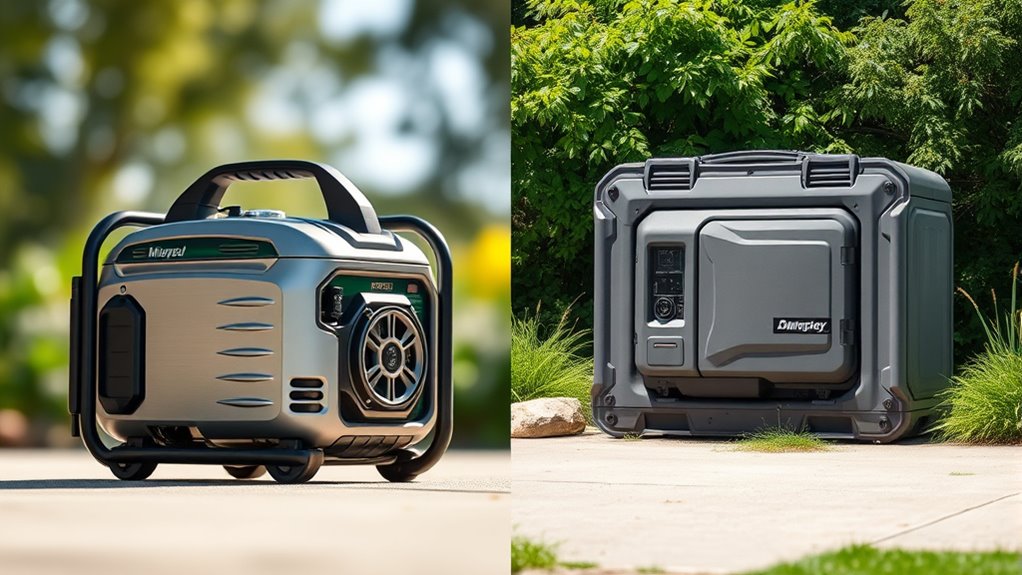
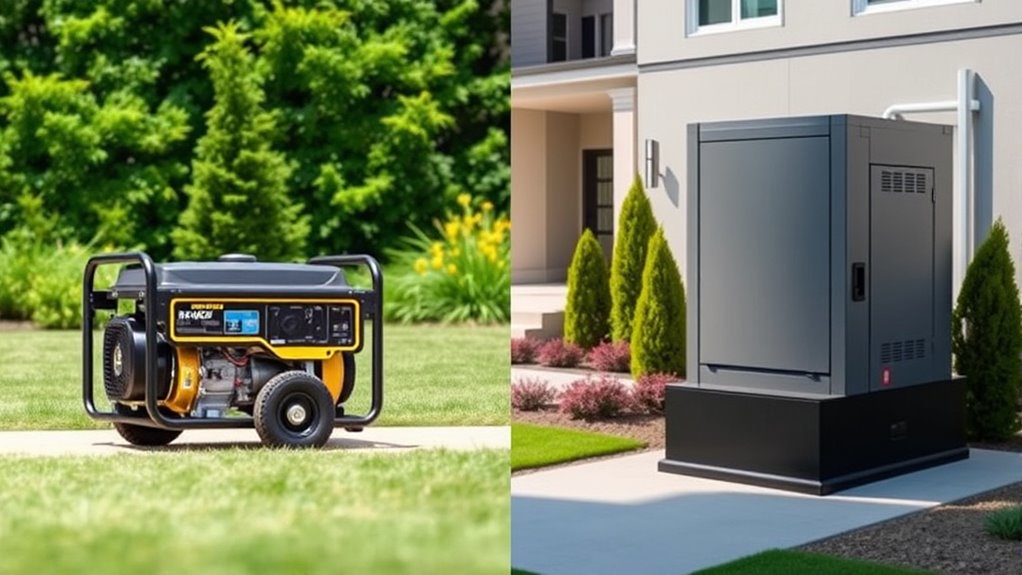
When selecting a generator, understanding your power needs is essential to making the right choice. If you’re trying to decide between a portable and a standby generator, consider how you’ll use it and what kind of setup fits your situation best. Portable generators are designed for flexibility. They’re compact, lightweight, and easy to move around, making them ideal for camping trips, outdoor events, or emergency backup for small appliances. When it comes to installation options, portable units typically require minimal setup. You just need a power source, like a fuel supply, and a safe, ventilated area to run them. Maintenance requirements for portable models are generally straightforward; they need regular oil changes, fuel stabilizer treatments, and periodic inspections, but they don’t demand complex procedures or professional servicing unless there’s a major issue.
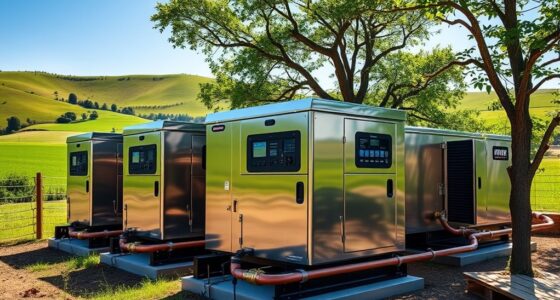
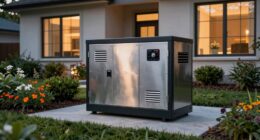
On the other hand, standby generators are built for continuous, automatic operation during power outages. They are permanently installed outside your home, often connected directly to your electrical system through a transfer switch. The installation options for standby generators are more involved—they usually require professional installation, including electrical wiring, a concrete pad, and sometimes permits from local authorities. This upfront setup might seem extensive, but it ensures the generator kicks in seamlessly when the power goes out, providing a reliable backup without your intervention. Maintenance requirements for standby units tend to be more extensive but are designed to be manageable. They typically involve scheduled inspections, oil changes, and testing, often carried out by professionals to ensure the system operates efficiently and safely over the long term.
Choosing between these two types comes down to your specific needs. If portability, ease of use, and minimal maintenance are top priorities, a portable generator is a smart choice. It’s perfect for temporary needs or situations where you might need power in different locations. Conversely, if you’re looking for a dependable, automatic backup that can run continuously during outages, a standby generator is worth the investment. Keep in mind that while standby models require more complex installation and ongoing maintenance, they offer convenience and peace of mind during severe weather or extended outages. Additionally, modern portable generators often incorporate high-quality inverter technology, which helps produce cleaner power suitable for sensitive electronics. Ultimately, evaluating your power demands, understanding installation options, and considering maintenance requirements will help you pick the generator that best fits your lifestyle and ensures you’re prepared for unexpected outages.
Top picks for "choos between portable"
Open Amazon search results for this keyword.
As an affiliate, we earn on qualifying purchases.
Frequently Asked Questions
What Is the Lifespan of Portable vs. Standby Generators?
You’ll find that portable generators typically last around 10,000 hours of use, with regular maintenance extending their lifespan, but they may need replacement after 8-10 years due to wear. Standby generators usually last 20-30 years, thanks to durable components and less frequent use. Fuel consumption impacts their longevity, and proper maintenance guarantees replacements are needed less often, especially for standby units with longer replacement intervals.
How Noisy Are Portable Generators Compared to Standby Models?
Portable generators tend to be noisier than standby models, with sound levels often reaching 60-70 decibels, similar to a loud conversation. Standby generators are designed for noise reduction, operating quietly at around 50-60 decibels, comparable to a normal conversation. If noise levels matter, a standby generator offers better sound levels and noise reduction features, making it more suitable for residential areas or places needing minimal disturbance.
Can Portable Generators Power an Entire House?
Imagine your home as a fortress, ready to face power outages—your portable generator can do that, but it might not power your entire house. While rental options make it accessible, installation costs vary. Portable models typically handle essentials, but for whole-house backup, standby generators are more reliable. You’ll need to weigh the convenience of portability against the power capacity needed to keep your home running smoothly.
What Maintenance Is Required for Standby Generators?
You need to follow a regular maintenance schedule for your standby generator, including inspecting and replacing oil, filters, and spark plugs. Keep fuel storage clean and dry, and periodically check fuel levels and quality to prevent issues. Test the system annually, especially before storm seasons, and schedule professional inspections to guarantee everything runs smoothly. Proper maintenance helps extend your generator’s lifespan and guarantees reliable power when needed.
Are There Fuel Efficiency Differences Between the Two Types?
Standby generators are generally more fuel-efficient than portable ones because they’re designed to run continuously during power outages, optimizing fuel consumption. In an efficiency comparison, standby models often use fuel more effectively due to their automatic operation and larger fuel tanks, reducing the need for frequent refueling. Portable generators tend to consume more fuel relative to power output, making standby units a better choice if fuel efficiency is a priority.
Conclusion
Whether you choose a portable or standby generator, understanding your power needs is key. Did you know that 60% of homeowners experience power outages annually? A portable generator offers flexibility for small emergencies, while a standby provides reliable, whole-house backup. Assess your situation carefully, and you’ll make the best choice. Remember, investing in the right generator keeps your home safe and powered when it matters most. Stay prepared, and power on confidently!