
Integrating automatic load transfer with load management enhances your power system’s reliability by enabling smooth responses during faults or overloads. When integrated, these systems automatically reroute power and shed non-essential loads to maintain stability, ensuring critical services stay online. Proper synchronization is essential during transfer to prevent disturbances. This coordination minimizes outages and equipment damage, making your system more resilient. If you continue exploring, you’ll discover how these processes work seamlessly together for ideal power stability.

Get backup power and energy gear delivered free — and shop member deals
- Fast, free delivery on millions of items
- Access to Prime Big Deal Days deals on October 6–7
- Prime Video, Amazon Music and more included
Key Takeaways
- Implement real-time monitoring systems to detect system disturbances and trigger automatic load transfer and shedding efficiently.
- Ensure proper generator synchronization before load re-connection to prevent system instability during transfer processes.
- Utilize advanced control algorithms for seamless coordination between load management and transfer operations.
- Prioritize critical loads during load shedding to maintain essential services and system stability under stress.
- Integrate automation with load management strategies to optimize reliability, minimize outages, and improve system resilience.
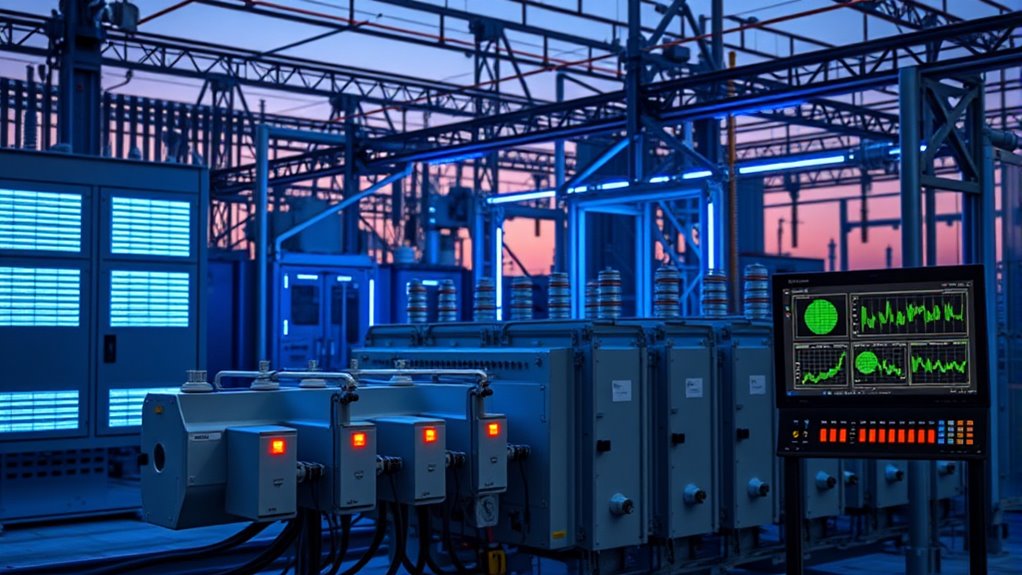
In modern power systems, seamlessly integrating automatic load transfer with load management is essential for guaranteeing reliability and efficiency. When a fault or overload occurs, automatic load transfer kicks in to reroute power swiftly, preventing outages and maintaining system stability. To do this effectively, generators must be synchronized properly before reconnecting them to the grid, ensuring that voltage, frequency, and phase align perfectly. This synchronization process is critical; if not done correctly, it can cause power surges or equipment damage. As you manage loads, you’ll need to coordinate generator synchronization carefully, especially during load transfer events, to keep the system balanced and prevent disturbances.
Load shedding strategies play a vital role in this integration. When demand exceeds supply or system stress reaches a critical point, load shedding helps reduce the load to avoid blackouts. These strategies involve selectively disconnecting non-essential loads, prioritizing critical services, and ensuring the system remains within safe operating limits. By implementing load shedding intelligently, you can stabilize the grid quickly while minimizing inconvenience to consumers. Combining load shedding with automatic load transfer means you can respond proactively to disturbances, reducing the risk of cascading failures.
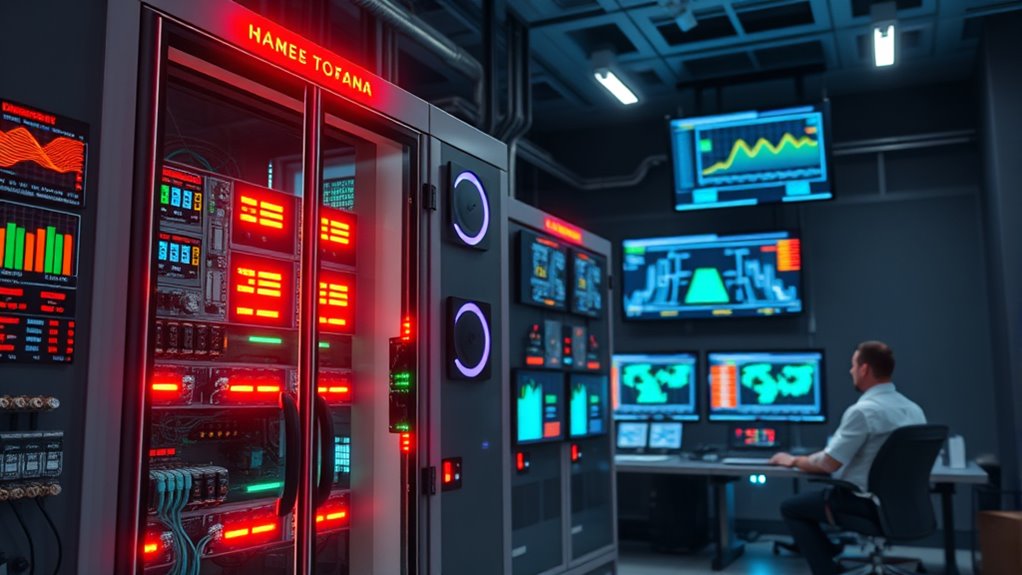
Automation systems are designed to monitor real-time conditions continuously. They detect anomalies, such as voltage dips or frequency deviations, and trigger load transfer or shedding sequences automatically. This reduces the need for manual intervention, making your power system more resilient. When automatic load transfer occurs, it’s crucial to synchronize the generators involved, so that reconnecting or shifting loads doesn’t introduce instability. Proper generator synchronization ensures that power flows smoothly, maintaining system integrity even during rapid adjustments. This seamless coordination minimizes outages and keeps power delivery reliable, even under challenging conditions.
Your ability to integrate these processes effectively depends on sophisticated control algorithms and real-time data. These systems evaluate system status, forecast potential issues, and execute load management actions swiftly. Load shedding becomes a strategic tool during peak loads or emergencies, while automatic load transfer rebalances the system, all working in harmony through precise generator synchronization. Maintaining this balance requires constant vigilance, quick decision-making, and a thorough understanding of the system’s dynamics. When executed correctly, this integration leads to a resilient, efficient power grid capable of handling unexpected disturbances without compromising service quality. Ultimately, your goal is to guarantee that load management strategies and automatic load transfer work hand-in-hand to deliver reliable, stable power to end-users under all conditions.
Additionally, understanding the importance of synchronization in the context of load transfer helps prevent potential system instabilities and ensures smooth operation during transitions.
Frequently Asked Questions
How Does Automatic Load Transfer Improve System Reliability?
Automatic load transfer improves system reliability by enabling real-time load balancing, so your system can quickly shift power to unaffected sources during faults. This enhances fault tolerance, reducing downtime and preventing outages. You benefit from continuous operation, as the system automatically detects issues and redistributes loads seamlessly. This proactive approach guarantees your system stays stable, resilient, and efficient, even when unexpected faults or surges occur.
What Are the Main Challenges in Integrating Load Management Systems?
You face challenges in integrating load management systems, especially with load balancing and system optimization. Ensuring compatibility between new and existing infrastructure can be complex, requiring careful planning and testing. Data accuracy and real-time monitoring are critical, yet difficult to maintain. Additionally, managing costs and training staff to operate advanced systems pose hurdles. Overcoming these issues is essential to achieve seamless integration and enhance overall system performance.
Can Existing Infrastructure Support Advanced Load Transfer Technologies?
You might think your existing infrastructure can handle advanced load transfer technologies, but often, it needs technological upgrades. Investigating the truth reveals that infrastructure compatibility varies, and many systems aren’t fully prepared for seamless integration. Upgrading components like control systems and communication networks is essential. Without these improvements, your load transfer processes could become inefficient or unreliable, making it vital to assess and upgrade your infrastructure first.
How Do Cost Savings Compare Before and After Integration?
After integration, you’ll notice significant cost reduction and efficiency gains. Automated load transfer minimizes downtime and reduces manual intervention, saving you money on maintenance and labor. Enhanced load management optimizes energy use, lowering operational costs. Overall, these improvements lead to smoother operations and better resource allocation, making your infrastructure more cost-effective. Expect a faster return on investment and long-term savings as the system adapts to your evolving needs.
What Are the Environmental Impacts of Implementing These Systems?
Implementing automatic load transfer and load management systems considerably benefits the environment. You’ll see increased use of renewable energy sources, which reduces reliance on fossil fuels and cuts pollution. These systems optimize energy use, minimizing waste and decreasing greenhouse gas emissions. As a result, you contribute to pollution reduction and promote cleaner, more sustainable energy practices. Overall, these technologies help you reduce environmental impact while improving energy efficiency.
Conclusion
By integrating automatic load transfer with load management, you enhance system reliability and efficiency. Studies show that such integration can reduce power outages by up to 30%, ensuring uninterrupted service. This not only improves customer satisfaction but also minimizes operational costs. Embrace these technologies to optimize your energy distribution, making your system smarter and more resilient. Ultimately, proactive load management combined with automatic transfer safeguards your infrastructure against unexpected disruptions, keeping your power flow steady and dependable.
Fall Picks
fall essentials
As an affiliate, we earn on qualifying purchases.