To assess blackout risks and plan capacity effectively, you should analyze your current system against potential demand spikes, natural disasters, and cyber threats. Regularly evaluate weak points and stress zones near maximum capacity. Use historical data and technology like smart grids and real-time monitoring to identify vulnerabilities early. Incorporating backup systems and updating response protocols help guarantee resilience. Keep exploring this topic to uncover more strategies for a reliable, fail-safe power infrastructure.
Key Takeaways
- Conduct comprehensive risk assessments identifying infrastructure vulnerabilities and potential failure points.
- Analyze historical data and forecast demand to determine capacity gaps and stress points.
- Implement real-time monitoring and smart grid technologies for early detection of issues.
- Develop and regularly update emergency response protocols and backup systems.
- Diversify energy sources and plan infrastructure upgrades to enhance system resilience.
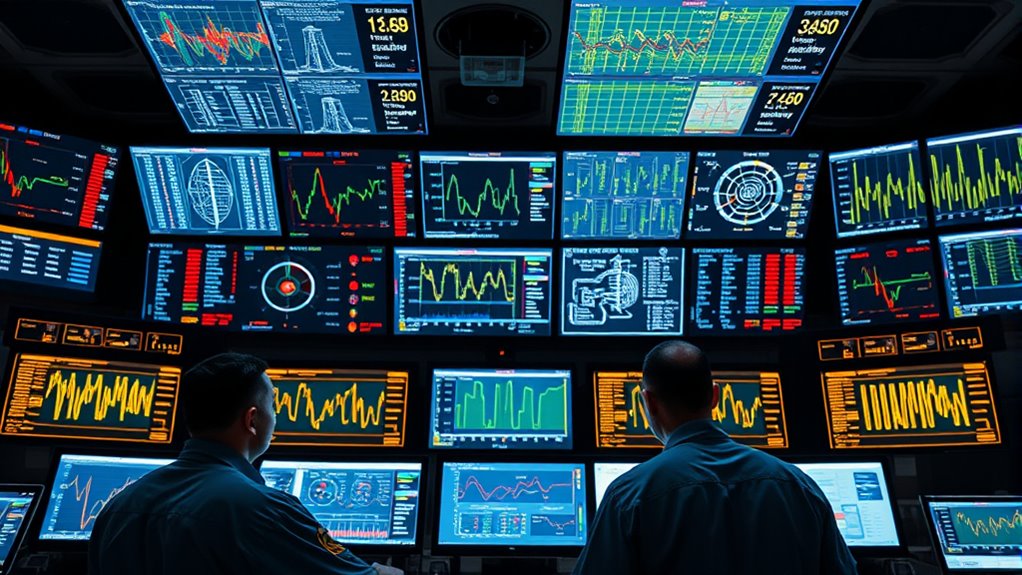
Understanding and managing blackout risks is essential for maintaining a reliable power supply. When it comes to safeguarding your energy infrastructure, recognizing grid vulnerabilities is a crucial first step. These vulnerabilities can stem from aging infrastructure, natural disasters, cyberattacks, or sudden equipment failures. If you overlook these weak points, they can escalate into widespread outages, disrupting homes, businesses, and critical services. To prepare effectively, you need to evaluate where your grid is most fragile and implement strategies to reinforce these areas. This proactive approach minimizes the chances of unplanned disruptions and ensures that your system can adapt to unexpected challenges.
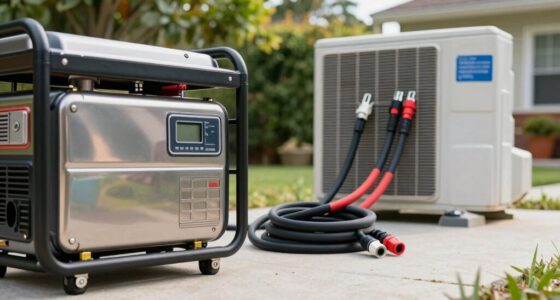
Emergency preparedness plays a vital role in managing blackout risks. It’s not enough to simply identify vulnerabilities; you must also have a comprehensive plan to respond swiftly when outages occur. This involves establishing clear protocols for rapid response, maintaining backup power sources, and ensuring communication channels remain open during emergencies. Regular drills and simulations can help you test your readiness, identify gaps, and refine your procedures. By integrating emergency preparedness into your capacity planning, you’re better equipped to handle sudden disruptions, reducing downtime and minimizing damage. Preparedness also includes educating staff, stakeholders, and the community about safety measures and contingency plans, creating a resilient network that can withstand various scenarios. Additionally, leveraging smart grid technologies can enhance your ability to monitor and respond to potential issues in real time.
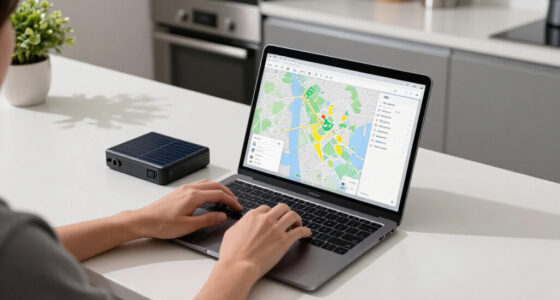
Assessing the risk of blackouts requires a thorough analysis of your current capacity versus potential demand spikes. If your system frequently operates near its maximum capacity, it becomes more susceptible to failures during peak times or unexpected surges. You should analyze historical data, forecast future needs, and consider factors like population growth, economic development, and technological changes that influence demand. This helps you plan capacity upgrades before stress points lead to outages. Additionally, diversifying your energy sources and incorporating renewable options can reduce dependence on a single power source, further enhancing grid stability. Investing in smart grid technologies, such as real-time monitoring and automated controls, allows you to detect issues early and respond proactively, preventing outages before they happen.

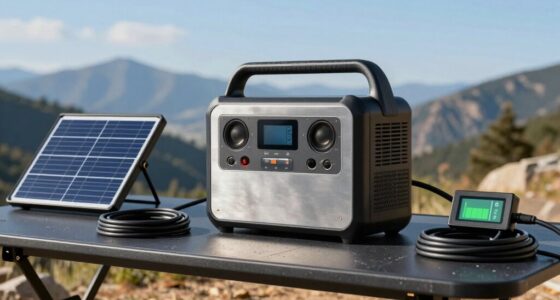
Portable Solar Generator 300W Portable Power Station with 60W Solar Panel
- Portable Generator with 60W Solar Panel Included: with a big battery pack,...
- Multiple Charging outlets for camping gear with SOS Flashlight: with 2* 300W Max AC...
- Multiple Charging Optional, Solar Panel Charger 60W Included: ZeroKor portable power bank generator...
As an affiliate, we earn on qualifying purchases.
Frequently Asked Questions
How Do Climate Change Impacts Influence Blackout Risks?
Climate change increases blackout risks by intensifying climate variability and causing more extreme weather events. These fluctuations can strain power grids, leading to overloads or failures. When storms, heatwaves, or floods hit, your energy infrastructure faces higher stress, making outages more likely. To stay prepared, it’s vital to strengthen grid resilience, incorporate adaptive planning, and monitor weather patterns closely, ensuring reliable power even amid changing climate conditions.
What Role Do Emerging Technologies Play in Capacity Planning?
Emerging technologies like smart grids and energy storage revolutionize capacity planning by making your power systems smarter and more flexible. While traditional infrastructure struggles to adapt to fluctuating demands, these innovations enable real-time monitoring and rapid response, reducing blackout risks. Smart grids optimize energy flow, and storage solutions guarantee supply during peak times, empowering you to better anticipate needs and maintain a resilient, efficient electricity network in a changing climate.
How Can Community Engagement Improve Blackout Prevention Strategies?
You can improve blackout prevention strategies by fostering public awareness and encouraging stakeholder collaboration. When community members understand the importance of energy conservation, they become active participants in reducing demand during peak times. Collaborating with local authorities, utility companies, and residents helps identify vulnerabilities and develop targeted solutions. This collective effort promotes resilience, ensuring the grid remains stable and reducing the risk of blackouts through shared responsibility and informed action.
What Are the Economic Costs Associated With Blackouts?
You may not realize it, but blackouts can have significant economic impacts, including lost revenue for businesses, increased operational costs, and damage to infrastructure. Conducting a cost analysis helps you understand these impacts, enabling better planning and risk mitigation. The economic costs extend beyond immediate outages, affecting local economies and consumers, making it essential for you to prioritize blackout prevention strategies to minimize financial losses and guarantee reliable energy supply.
How Do Regulatory Policies Affect Capacity Planning Decisions?
Regulatory policies directly influence your capacity planning decisions through regulatory barriers and policy incentives. When regulations are strict or unclear, you might face delays or increased costs, limiting your ability to expand or upgrade infrastructure efficiently. Conversely, policy incentives like tax credits or streamlined approval processes encourage investments in renewable energy and modernization, helping you better manage supply and reduce blackout risks. Balancing these factors is vital for effective capacity planning.

Jackery Explorer 300 Portable Power Station,292Wh
- Ultra-Lightweight: At only 7.5 lbs, the...
- Versatile Power for 6 Devices: Equipped with 2 AC outlets,...
- Built to Last: Upgraded with premium LiFePO4 chemistry,...
As an affiliate, we earn on qualifying purchases.
Conclusion
By understanding blackout risks and carefully planning capacity, you can better guarantee a reliable power supply. Stay proactive and vigilant, because as the saying goes, “Better safe than sorry.” Regular assessments and smart investments help you stay ahead of potential failures, minimizing disruptions and safeguarding your community’s needs. Remember, prevention is always easier and less costly than fixing a crisis after it strikes. Keep these principles in mind to build a resilient energy future.

Porch Shield Generator Cover for 5500-15000W, 38 x 28 x 30 inch, Black
- Compatible - More sizes for 5500w -15000w gas...
- Upgrade Material - Made of 600D polyester fabric...
- Tear Resistant & Waterproof - The high-level double...
As an affiliate, we earn on qualifying purchases.
Porch Shield Generator Cover for 5000-10000W, 32 x 24 x 24 inch, Black
- Compatible - More sizes for 5000w -10000w gas...
- Upgrade Material - Made of 600D polyester fabric...
- Tear Resistant & Waterproof - The high-level double...
As an affiliate, we earn on qualifying purchases.