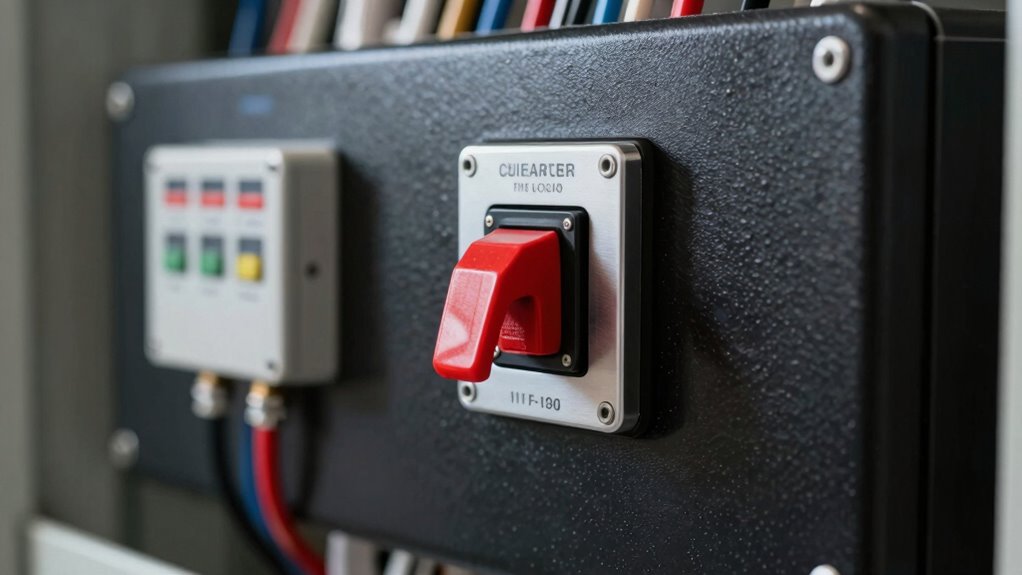

When disconnecting a generator, always turn it off and let it cool first. Switch the transfer switch back to utility power, then disconnect the load and generator, ensuring the generator isn’t running or loaded. Follow all safety protocols, wear protective gear, and confirm no residual current remains. Adhere to manufacturer instructions and local codes. If you keep exploring, you’ll discover even more important steps to keep everything safe.

Get backup power and energy gear delivered free with Prime
- Fast, free delivery on millions of items
- Prime Video, Amazon Music and more included
- Member-only deals all year
Key Takeaways
- Turn off the generator and allow it to cool before disconnecting.
- Switch the transfer switch back to utility power before disconnecting the generator.
- Never disconnect or work on the generator while it is running or under load.
- Follow manufacturer instructions and safety protocols during disconnection.
- Ensure the power source is fully disconnected and no residual current remains before handling wiring.
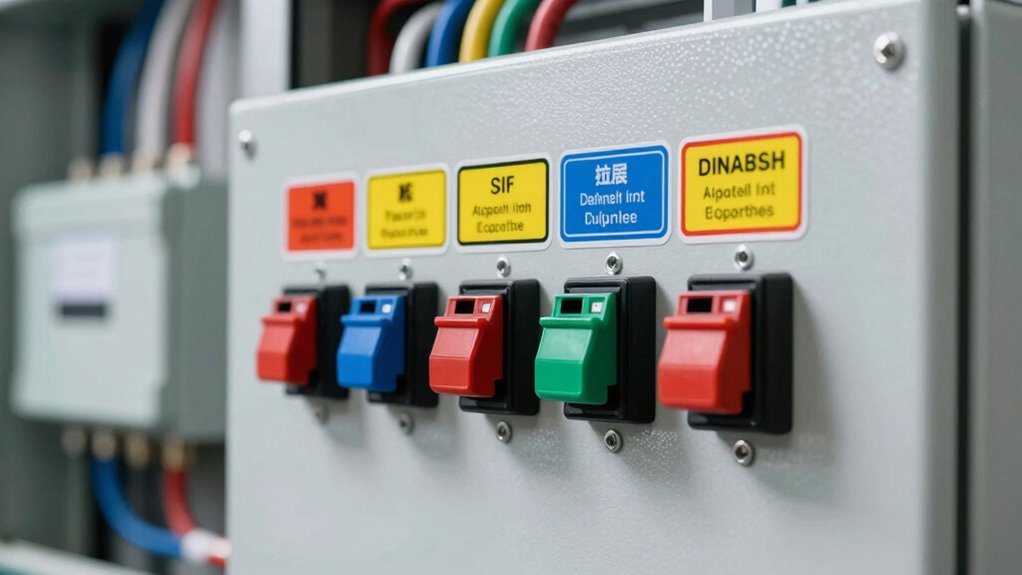
When it comes to safely disconnecting a generator, understanding the established rules is essential. Proper procedures ensure your safety and prevent damage to your equipment. One key aspect to consider is the role of an automatic transfer switch. This device automatically shifts power sources from the utility to your generator during an outage, and vice versa when power is restored. Knowing how this system works helps you manage disconnections correctly, avoiding the risk of back-feeding electricity into the grid, which can be dangerous for utility workers and others nearby. Before disconnecting your generator, always ensure the automatic transfer switch has completed its transfer process. This guarantees the generator isn’t still supplying power to the load, reducing the chance of electrical mishaps.
Following safety protocols is vital during disconnection. Always start by turning off the generator and letting it cool down if it’s been running. This prevents burns or other injuries. Next, disconnect the generator from the load, ensuring all appliances or systems are powered down. If your generator is connected via a transfer switch, switch it back to the utility power setting before attempting to disconnect the generator entirely. This step ensures that no current is flowing through the system, which could cause electrical shock or damage when disconnecting. Never attempt to disconnect the generator while it’s running or under load, as this can lead to sparks, electrical arcs, or equipment damage. Additionally, understanding the importance of proper disconnection procedures can help prevent electrical hazards and ensure safe operation. Being familiar with the generator’s safety features can also assist in avoiding accidental disconnections or unsafe conditions. It’s also helpful to be aware of regulatory requirements that govern electrical disconnections, ensuring compliance with local codes and standards. Incorporating regular maintenance and inspections into your safety routine can further reduce the risk of unexpected issues during disconnection.
It’s also crucial to be aware of safety precautions specific to your generator model, as features and recommended disconnection methods may vary. You should also consult your generator’s manual for specific disconnection instructions, especially if it’s equipped with features like automatic transfer or remote start. Many modern generators and transfer switches have built-in safety features to prevent accidental disconnection under unsafe conditions. Always verify that the power source is fully disconnected and that no residual current remains before handling any wiring or plugs. Wearing proper protective gear, like insulated gloves and eye protection, adds an extra layer of safety during this process.
Frequently Asked Questions
How Often Should Generator Disconnect Switches Be Tested?
You should test your generator disconnect switches at least annually, following proper maintenance schedules and inspection procedures. Regular testing guarantees they function correctly during emergencies and helps identify potential issues early. Additionally, consider testing more frequently if your generator experiences heavy use or harsh conditions. Consistent inspections and maintenance keep your disconnect switches reliable, ensuring safety and compliance with electrical standards and reducing the risk of unexpected failures.
Are There Specific Safety Protocols for Disconnecting Generators During Outages?
Yes, there are specific safety protocols you should follow when disconnecting generators during outages. First, guarantee fuel safety by turning off the fuel supply and avoiding sparks or open flames nearby. Follow emergency procedures by wearing protective gear and clearly communicating with others before disconnecting. Always shut down the generator properly, using the disconnect switch, to prevent electrical hazards and fuel leaks, ensuring everyone’s safety during the process.
Can Generator Disconnect Rules Vary by State or Region?
Yes, generator disconnect rules can vary by state or region. You need to follow regional regulations and safety compliance standards to guarantee proper disconnection procedures. Local authorities or utility companies often have specific guidelines, so it’s essential to check these before disconnecting your generator. Adhering to regional rules helps protect you, your equipment, and utility workers, ensuring safe and compliant operation during outages.
What Training Is Required for Personnel Handling Generator Disconnects?
Think of generator maintenance and disconnect procedures like a carefully choreographed dance—you need proper training to stay in step. You should complete electrical safety courses, including handling generator disconnects, and be familiar with manufacturer instructions. Many regions require certifications such as OSHA or NFPA standards, and ongoing refresher courses keep you sharp. With the right training, you’ll confidently perform disconnects, ensuring safety and reliability every time.
How Do Disconnect Rules Apply to Portable Versus Permanent Generators?
You must follow generator connection rules for both portable and permanent generators to guarantee safety compliance. Portable generators require proper disconnection procedures before refueling or moving, preventing electrical hazards. Permanent generators need automatic or manual disconnects that comply with safety standards, ensuring safe maintenance and operation. In both cases, adhering to disconnect rules minimizes risks, protects personnel, and guarantees safe generator operation during power outages or routine checks.
Conclusion
By understanding and following the simplified generator disconnect rules, you guarantee safety and compliance during maintenance or emergencies. Think of these rules as a safety net—trusting in their effectiveness allows you to focus on your work with confidence. Sometimes, complexity can obscure the truth; stripping it down reveals that safety relies on clear, straightforward actions. Embrace these simplified rules, and you’ll safeguard both your team and your equipment, proving that simplicity often leads to the best outcomes.
Halloween Picks
halloween
As an affiliate, we earn on qualifying purchases.