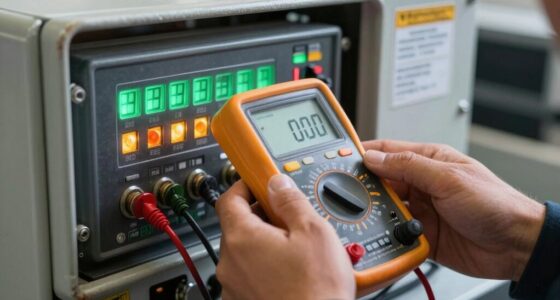

When planning for long‑duration outages, consider that fuel generators provide reliable, extended power but come with ongoing fuel costs and environmental impacts. Batteries offer cleaner, faster response options and excel at integrating renewable energy, though they usually have higher upfront costs and finite lifespans. Your decision depends on balancing reliability, environmental goals, and budget. If you want to explore which solution best fits your needs, there’s more to uncover about optimizing outage preparations.

Get backup power and energy gear delivered free with Prime
- Fast, free delivery on millions of items
- Prime Video, Amazon Music and more included
- Member-only deals all year
Key Takeaways
- Batteries enable quick response and renewable integration but have higher upfront costs and limited lifespan.
- Fuel generators offer longer operational durations and robustness, suitable for extended outages.
- Long-term cost analysis must include initial investment, maintenance, and fuel expenses.
- Batteries reduce environmental impact, supporting sustainability goals, while fuel systems contribute to emissions.
- The choice depends on balancing renewable targets, outage duration, cost, and environmental priorities.
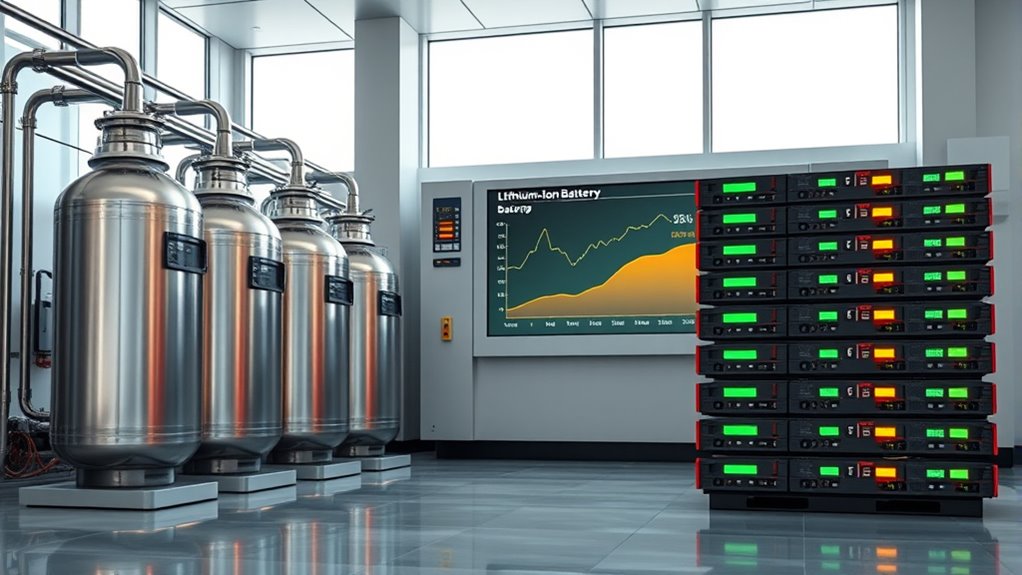
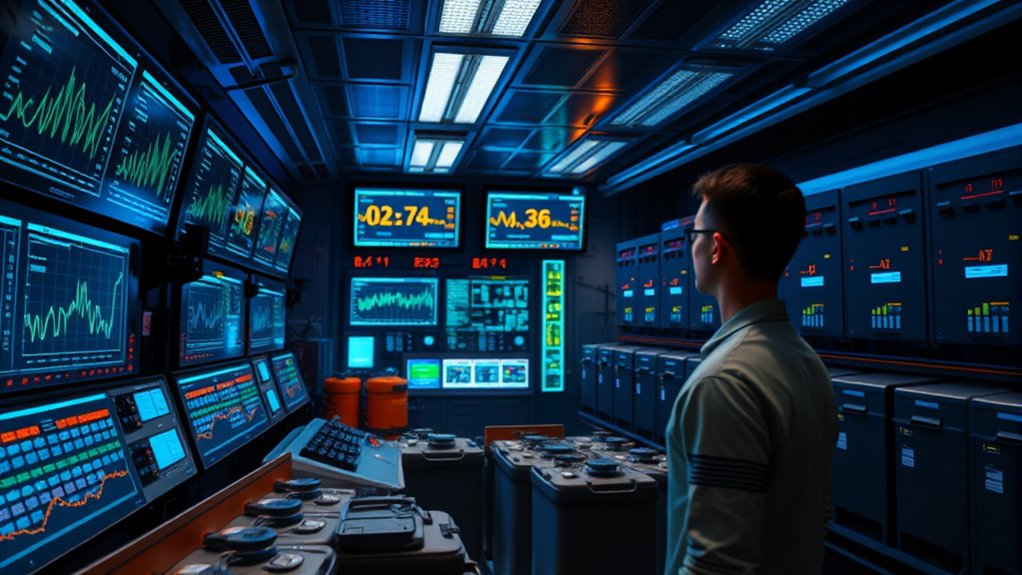
Have you ever wondered which backup power option—fuel or battery—best suits your needs during outages? When planning for long-duration disruptions, selecting the right system hinges on understanding how each option aligns with your operational goals, especially regarding renewable integration and cost analysis. Batteries, particularly lithium-ion or flow batteries, are increasingly popular because they can seamlessly integrate with renewable energy sources like solar or wind, enhancing sustainability. This integration allows you to store excess renewable energy during peak production and deploy it during outages, reducing reliance on fossil fuels. However, batteries come with upfront costs that can be significant, and their lifespan is limited, requiring eventual replacement or upgrades. Conducting a thorough cost analysis helps you determine whether the long-term savings and environmental benefits outweigh initial investments. Additionally, batteries’ ability to provide fast response times makes them ideal for managing grid stability and ensuring continuous power supply during fluctuations.
Choosing between fuel and battery backup power depends on renewable goals, costs, and long-term sustainability.
Fuel-powered generators, on the other hand, are known for their robustness and longer operational endurance but pose challenges in renewable integration. They typically rely on diesel or gas, which are not renewable and can contribute to carbon emissions. If your priority is sustainability, fuel generators might seem less appealing, but they can offer quick, reliable power without the extensive infrastructure that batteries sometimes demand. Fuel systems are generally cheaper initially and easier to scale for longer durations, but ongoing fuel costs can add up, especially during extended outages when fuel supply chains might be disrupted. When weighing these options, you should consider the total cost of ownership, including fuel expenses, maintenance, and environmental impact.
Ultimately, your choice depends on your specific needs and priorities. If renewable integration and reducing carbon footprints are top concerns, batteries might be the better option despite higher upfront costs, especially if paired with a robust renewable energy system. They can provide cleaner, quieter, and more flexible backup power, fitting well into sustainable energy strategies. Conversely, if you need immediate, reliable power for extended durations without concern for renewable compatibility, fuel generators may be more practical and cost-effective initially. But keep in mind, the long-term costs and environmental footprint could outweigh the immediate savings.
Balancing these factors requires careful planning and a detailed cost analysis tailored to your circumstances. You must evaluate not only the initial investment but also ongoing expenses, environmental impacts, and how each system supports renewable energy integration. By doing so, you’ll make an informed decision that ensures reliable power during outages while aligning with your sustainability goals and budget constraints.
Frequently Asked Questions
How Do Costs Compare Over the System’s Lifespan?
A cost analysis shows that batteries often have higher upfront costs but lower operating expenses over their lifespan, while fuel systems may be cheaper initially but incur higher ongoing fuel and maintenance costs. When you do a lifespan comparison, batteries tend to save money long-term, especially with advances in technology. So, over the system’s lifespan, batteries usually become more cost-effective, though your specific needs and usage patterns matter.
What Environmental Impacts Are Associated With Each Option?
You should consider that batteries generally have a smaller environmental footprint, producing no emissions during operation. They eliminate emission implications linked to fuel combustion, such as greenhouse gases and air pollutants. However, battery production involves resource extraction and recycling challenges. Fuel systems, while easier to recycle, have higher emission implications due to fuel combustion, contributing markedly to air pollution and climate change. Your choice impacts both the environment and sustainability goals.
How Do Maintenance Requirements Differ Between Fuel and Battery Systems?
Did you know that batteries typically require replacement every 5 to 15 years, depending on usage? You’ll find that maintenance for fuel systems focuses on fuel efficiency, filter checks, and refueling, which happen regularly. In contrast, battery systems demand periodic inspections, cell balancing, and eventual replacements to guarantee peak battery lifespan. Overall, batteries often need more frequent monitoring, but fuel systems require ongoing fuel management to stay efficient.
Are There Regulatory Considerations for Deploying These Systems?
You need to consider regulatory compliance and licensing requirements when deploying fuel or battery systems. Fuel systems often face stricter regulations due to safety concerns, requiring permits and regular inspections. Battery systems, while generally easier to license, still need adherence to standards for fire safety and environmental impact. It’s essential to check local, state, and federal regulations to ensure your system meets all licensing and compliance standards before deployment.
How Quickly Can Each System Be Deployed During an Outage?
Think of deploying these systems like launching ships at dawn. Batteries are like swift vessels, ready to set sail within minutes, making deployment speed quick and straightforward. Fuel systems, akin to larger ships, require more installation challenges and time, often taking hours or days to be fully operational. Your choice depends on how fast you need backup power during an outage and how manageable installation challenges are in your environment.
Conclusion
When it comes to planning for long outages, neither fuel nor batteries are perfect solos—they’re like two sides of the same coin. Fuel offers endurance but needs storage and refueling, while batteries provide quick, clean power but may fall short over time. To weather the storm, you’ll want a balanced approach, combining both. Think of it as crafting a safety net—strong, flexible, and ready to catch you when the lights go out.
Halloween Picks
halloween
As an affiliate, we earn on qualifying purchases.