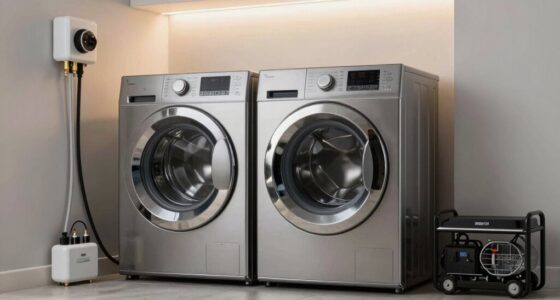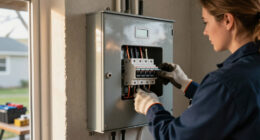
For those seeking reliable power sources with a 30a outlet, choosing the right portable station can be challenging. The best models balance power capacity, portability, and durability, but often involve tradeoffs like weight versus capacity or price versus features. The BLUETTI Elite 300 stands out as the overall top pick for its impressive capacity and versatility, while the Anker SOLIX F3000 offers a high-wattage option ideal for heavy-duty needs. The Jackery Explorer 300 excels for light, portable use, but falls short on peak power for larger appliances. Keep reading for a detailed breakdown to help you find the perfect fit for your power needs.

Get backup power and energy gear delivered free — and shop member deals
- Fast, free delivery on millions of items
- Access to Prime Big Deal Days deals on October 6–7
- Prime Video, Amazon Music and more included
Complete the kit


Key Takeaways
- Capacity and peak wattage vary significantly; choose based on your power demands.
- Portability often conflicts with capacity—larger stations are heavier but offer more power.
- Solar compatibility is common but varies in size and efficiency; consider your charging needs.
- Build quality and durability matter more than price alone, especially for outdoor use.
- Some stations include multiple outputs, but check if the 30a outlet is standard or requires adapters.


More Details on Our Top Picks
BLUETTI Elite 300 Portable Power Station for RV & Home Backup 3014.4Wh
The BLUETTI Elite 300 stands out for its impressive 3014Wh capacity packed into a surprisingly compact form, making it ideal for both RV adventures and emergency home backup. Compared to larger units like the Anker SOLIX F3000, it offers a more portable size without sacrificing significant power, though at a higher price. Its rapid recharging—78 minutes from 0 to 80%—and smart app control make it highly convenient, especially for tech-savvy users who want real-time management. The main tradeoff is its weight; despite being nearly 59% smaller than traditional large stations, it remains relatively heavy, which can challenge portability. This pick makes the most sense for those seeking a high-capacity, versatile power source that balances size and power, but less so for users on a tight budget or with limited lifting capacity.
Pros:- High energy capacity in a compact form
- Multiple output options including AC, USB, and DC
- Fast recharging with multiple methods
Cons:- Relatively high weight may limit portability
- Premium price point can be costly for some buyers
Best for: RV owners and homeowners needing reliable, portable backup power with smart monitoring features
Not ideal for: Budget-conscious users or those prioritizing ultra-lightweight solutions, because of its premium price and weight
- Capacity:3014.4Wh
- Output Power:2400W
- Surge Power:4800W
- Recharging Time:78 minutes from 0 to 80%
- Recharging Methods:AC, solar, car charger
- Dimensions:Nearly 59% smaller than traditional large power stations
Our verdict“This is best suited for users who need high capacity and smart features in a portable package, and are willing to pay a premium for it.”
ABOK Ark3600 Portable Power Station with 200W Solar Panel
The ABOK Ark3600 is designed for those who require extensive capacity and expandability, with a 3840Wh lithium iron phosphate battery that can grow up to 11520Wh. Compared to the Jackery Explorer 300, it offers vastly more power and versatility, supporting 15 output ports and a peak power of 4500W, making it suitable for larger appliances or multiple devices simultaneously. Its 92-pound weight, however, makes portability more challenging, especially for outdoor or mobile use. The long cycle life of over 4000 cycles and a 10-year expected lifespan make it a sound investment for emergency preparedness or off-grid living. The setup complexity and weight mean it’s better suited to stationary use or those who can handle heavier gear, rather than frequent transport.
Pros:- Extremely high, expandable capacity
- Long cycle life with over 4000 cycles
- Supports multiple devices and power sources
Cons:- Heavy weight limits portability
- High initial cost and setup complexity
Best for: Preppers, RV campers, and off-grid residents needing massive, expandable power capacity
Not ideal for: Casual campers or those seeking lightweight, portable solutions, because of its heavy weight and setup complexity
- Wattage:3600 watts
- Battery Capacity:3840Wh (expandable to 11520Wh)
- Battery Type:LiFePO₄
- Cycle Life:Over 4000 cycles
- Peak Power:4500W
- Weight:92 pounds
Our verdict“Ideal for power users needing expandable capacity and long-term durability, less suited for frequent movers or budget shoppers.”
Jackery Explorer 300 Portable Power Station, 292Wh
The Jackery Explorer 300 offers a lightweight, portable option for camping, hiking, or short-term off-grid adventures. Weighing only 7.5 lbs, it’s significantly more portable than larger stations like the ABOK Ark3600, though with less capacity—292Wh versus over 3000Wh. Its multiple outlets, including USB-C and USB-A, make it versatile for charging various devices, and LiFePO₄ chemistry ensures over 4,000 charge cycles. However, its limited capacity and 300W maximum output restrict use to small electronics or low-power devices, and it lacks a solar panel included, adding to overall cost. It’s best for those who prioritize portability over power, but not for heavy-duty or long-duration backup needs.
Pros:- Extremely lightweight and portable
- Multiple versatile charging ports
- Long cycle life with LiFePO₄ chemistry
Cons:- Limited capacity and output restrict use
- Solar panel not included, adding cost
Best for: Hikers, backpackers, and casual campers needing lightweight power for small devices
Not ideal for: Users requiring high power or backup for larger appliances, due to its small capacity and output limits
- Capacity:292Wh
- Weight:7.5 lbs
- AC Outlets:2
- USB-C Port:100W PD
- Cycle Life:Over 4,000
- Charging Time (solar):80% in 2.8 hours with 100W panel
Our verdict“Perfect for lightweight, short-term power needs where portability is a priority, but unsuitable for heavy-duty backup or long-term use.”
Anker SOLIX F3000 Portable Power Station, 3,072Wh, 6,000W, Solar Generator
The Anker SOLIX F3000 delivers substantial capacity—3,072Wh—and a robust 6,000W continuous output, making it suitable for demanding appliances or multiple devices simultaneously. Unlike the ABOK Ark3600, which emphasizes expandability and long-term capacity, the F3000 offers ‘hyper-fast’ recharging and supports solar and fuel generator inputs, ideal for emergency backup scenarios where rapid recharge is needed. Its size and weight, however, make it less portable, so it’s more suited for stationary use or large RV setups. The complex setup and high price point reflect its advanced capabilities, suitable for users who require reliable, high-power backup over extended periods.
Pros:- High capacity with 3,072Wh and 6,000W output
- Fast recharging via solar and fuel generator
- Pass-through charging for continuous power
Cons:- Large and heavy, less portable
- Higher price point with complex setup
Best for: Emergency preparedness, off-grid living, or large RV owners needing high-capacity, fast recharging power
Not ideal for: Lightweight travelers or those needing frequent transport, because of its size and weight
- Capacity:3,072Wh
- Continuous Power:6,000W
- Recharging Time:Hyper-Fast 6,000W
- Output Voltage:120/240V
- Solar Recharging:Ultra 2,400W
- Size & Weight:Large and heavy
Our verdict“Best suited for users needing serious power and rapid recharge capabilities in a stationary or semi-stationary setup, not for portability.”
AFERIY P280 Portable Power Station 2800W (Peak 5600W) UPS Solar Generator
The AFERIY P280 combines a 2800W inverter with a 2048Wh LiFePO₄ battery, offering a solid balance between capacity and portability. With a peak of 5600W, it can handle short surges, making it suitable for sensitive electronics and small appliances during outages. Its UPS feature elevates its value for home or RV backup, providing seamless power transitions. Compared to the Jackery Explorer 300, it offers a more robust power output, yet at a heavier 44 pounds, it’s less convenient for frequent transport. Its fast charging—80% in just 38 minutes—plus dual solar inputs, makes it versatile for renewable energy users. However, with only a single main outlet listed, it may limit simultaneous device use, and runtime at full load might be brief.
Pros:- Fast charging from 0% to 80% in 38 minutes
- Supports dual solar inputs for flexible energy sourcing
- Pure sine wave output for safe electronics operation
Cons:- Relatively heavy at 44 pounds
- Limited number of outlets may restrict device connectivity
Best for: Home and RV users seeking reliable, UPS-capable backup with fast charging and moderate portability
Not ideal for: Lightweight travelers or those needing extended runtime at high loads, due to its limited outlets and runtime
- Wattage:2800W
- Battery Capacity:2048Wh
- Peak Power:5600W
- Charging Time:38 minutes to 80%
- Battery Type:LiFePO₄
- Weight:44 pounds
Our verdict“This station is best for users who need dependable, UPS-ready backup power with rapid charging, but not for those prioritizing ultra-lightweight portability.”
Ark3600 Portable Power Station with 3×200W Solar Panels
The Ark3600 stands out for its massive 3840Wh capacity, which is ideal for long-term off-grid power needs. Its ability to expand to over 11,500Wh makes it perfect for serious outdoor adventures or backup scenarios, especially compared to the more compact Anker SOLIX C2000. However, its weight of 92 pounds makes it less portable, and setup complexity may deter casual users. The fast recharge time, under 1.3 hours with AC and solar combined, ensures minimal downtime, but the higher price reflects its advanced features and durability. This pick is best suited for those who prioritize capacity and longevity over portability and cost.
Pros:- Extremely high-capacity expandable battery for long-term power needs
- Fast recharging via AC and solar in just over 1 hour
- Multiple output ports for versatile device charging
- Long-lasting LiFePO4 battery with 4000+ cycles
Cons:- Heavy at 92 pounds, difficult to move frequently
- Complex solar setup compared to plug-and-play alternatives
- Higher cost due to advanced features
Best for: Homeowners or RV users needing reliable, high-capacity backup or off-grid power with expansion options
Not ideal for: Lightweight campers or casual users who require portability and easy setup due to its weight and complexity
Our verdict“This is the best choice for those who need maximum capacity and durability despite the weight and price.”
Anker SOLIX C2000 Gen 2 Portable Power Station, 2,048Wh, 2,400W, Camping
The Anker SOLIX C2000 Gen 2 offers a solid 2,048Wh capacity with an impressive 2,400W rated power, making it suitable for running multiple devices simultaneously during camping trips. Its ability to expand to nearly 4kWh surpasses smaller units like the Jackery Explorer 300, but at 41.7 pounds, it may still be a bit heavy for some. Its quick recharge time of under an hour via AC or solar is a significant advantage over less responsive models, though the price is on the higher end for its size. Compared to the BLUETTI AC200PL, it’s more portable but slightly less expandable. This model is ideal for outdoor enthusiasts who need reliable power without sacrificing portability.
Pros:- High capacity with expandable 4kWh option
- Fast recharge in less than an hour via multiple methods
- Compact and lightweight relative to capacity
- Powerful enough to run multiple appliances simultaneously
Cons:- Relatively heavy for ultra-light backpacking
- Expensive compared to smaller portable options
- Less detailed info on solar panel compatibility
Best for: Active campers and outdoor enthusiasts needing fast, reliable recharging and expandable capacity
Not ideal for: Lightweight backpackers or those with strict weight limits due to its weight, despite being portable
Our verdict“This makes the most sense for outdoor users who value quick recharging and a good balance of capacity and portability.”
BLUETTI AC200PL Portable Power Station 2304Wh 2400W LiFePO4 Solar Generator
The BLUETTI AC200PL offers 2,304Wh of dependable capacity and over 10 years of battery life, making it a top contender for long-term backup scenarios, especially compared to the smaller Jackery 300. Its fast recharge in about 1 hour via AC and nearly 4 hours via solar means minimal downtime for critical needs. With 11 ports and expandability up to 8,448Wh, it provides versatile charging options, but its weight and bulkiness may limit portability. The higher price point reflects its durability and extensive feature set, making it a better fit for those prioritizing reliability over lightweight portability. It’s an ideal choice for RVs, emergency preparedness, or extended off-grid use.
Pros:- Fast recharge from AC and solar inputs
- Long-lasting LiFePO4 batteries with over 3000 cycles
- Multiple output options including AC, DC, USB, and car port
- Expandable capacity for larger power needs
Cons:- Bulkier and heavier than smaller units
- Higher price due to extensive features and capacity
- Less portable for frequent transport
Best for: Users requiring a durable, long-lasting backup power source with multiple device options
Not ideal for: Those seeking ultra-light portable units for casual outdoor activities due to its weight and size
Our verdict“This unit is perfect for those who need a reliable, expandable power source for long-term backup or RV use.”
PECRON Portable Power Station 3072Wh E3600LFP with 16 Outputs
The PECRON E3600LFP provides a substantial 3,072Wh capacity with the ability to expand to over 18kWh, making it suitable for extended outdoor use where multiple devices need power—more than the BLUETTI or Anker units. Its 16 output options cater to a wide range of devices, and fast charging capabilities cut down on downtime. However, its weight and bulkiness limit portability, especially for hiking or backpacking. The setup complexity and higher price are tradeoffs for its extensive features. This model is best for serious campers or emergency kits where maximum capacity and multiple outputs outweigh portability concerns.
Pros:- Large, expandable capacity for extended use
- Multiple output ports for versatile device charging
- Fast charging with intelligent safety features
- Expandable batteries for future capacity growth
Cons:- Heavy and bulky, difficult to carry
- Complex setup with multiple accessories
- Premium price for extensive features
Best for: Heavy-duty outdoor enthusiasts or emergency responders needing maximum capacity and multiple device outputs
Not ideal for: Lightweight hikers or casual users who prioritize portability over raw power and output options
Our verdict“This station is designed for those who require maximum power and output versatility for demanding outdoor or emergency scenarios.”
Growatt Infinity 2000 Pro Portable Power Station, 2048Wh Solar Generator
The Growatt Infinity 2000 Pro offers 2,048Wh of capacity with advanced cold-weather performance, making it a standout choice for outdoor use in harsh climates when compared to the lighter Jackery Explorer. Its ability to operate in temperatures as low as -22°F and long cycle life of over 4000 cycles provide peace of mind for reliable backup. Its multiple ports and safety features make it versatile, but it can’t be charged independently and needs connection to the main unit, which may limit portability. The weight and bulk make it less suitable for casual hikes but ideal for consistent outdoor or emergency use where weather resistance matters. It’s best suited for users in extreme conditions needing dependable, long-lasting power.
Pros:- High capacity with over 4000 cycle lifespan
- Operates reliably in extreme cold temperatures
- Multiple output ports for versatile device charging
- Long-term stable performance with advanced safety features
Cons:- Requires connection to main unit for charging
- Heavy and bulky for portability
- Higher complexity in setup
Best for: Outdoor adventurers or emergency preparedness in cold or unpredictable weather conditions
Not ideal for: Casual campers or those who need ultra-lightweight portable power solutions
Our verdict“This unit is ideal for users needing dependable power in extreme weather rather than casual outdoor use.”

How We Picked
These products were selected based on their ability to supply a 30a outlet reliably, combined with overall performance, build quality, and user versatility. Priority was given to models offering sufficient capacity for RV or backup use, with a focus on safety features and ease of recharging via solar or grid. We balanced high-wattage output with portability and durability, ensuring each pick addresses different user scenarios—from lightweight camping to full RV power. The ranking reflects a mix of high-capacity power, value, and practical usability, helping buyers identify options tailored to their specific needs.Factors to Consider When Choosing Portable Power Stations With 30a Outlet
When choosing a portable power station with a 30a outlet, several factors come into play. Beyond just capacity, consider how you’ll recharge it, the weight for portability, and whether it has enough outlets for your devices. Understanding these aspects can prevent common mistakes like overpaying for capacity you won’t use or buying a station that’s too heavy to transport easily. Clarifying your primary use—whether RV, camping, or backup power—helps narrow your options to models that deliver the right balance of power and portability.Power Capacity and Peak Wattage
Ensure the station provides enough wattage for your essential devices. Continuous wattage determines what can run simultaneously, while peak wattage covers startup surges. For RV use or running larger appliances, look for models with at least 3000W peak power. Smaller units may suffice for charging phones or running small electronics but won’t handle heavy-duty equipment. Overestimating your needs can lead to unnecessary weight and cost, so match capacity carefully to your intended use.
Recharging Options
Flexible recharging methods like solar panels or AC outlets extend usability, especially off-grid. Check the solar input wattage to see how quickly the station can recharge with panels—higher is better for frequent off-grid use. Some models support fast AC charging, reducing downtime. Beware of stations that only support small solar inputs, which may prolong recharging times significantly when solar is your main power source.
Portability and Weight
The more power a station provides, the heavier it tends to be. If portability is a priority, aim for a balance—compact units with enough capacity for your needs. Consider whether the station has handles or wheels for easier transport. Heavier models might be suitable for stationary backup power, but for camping or frequent moves, lightweight options are preferable even if they sacrifice some capacity.
Build Quality and Durability
Outdoor use demands rugged construction, so look for models with sturdy casing, good heat dissipation, and weather resistance. Cheaper stations might save money upfront but could fail prematurely when exposed to the elements. Check reviews for real-world durability and warranty coverage to ensure the station can withstand regular use and transportation.
Additional Outputs and Features
Beyond the 30a outlet, evaluate other available ports, such as USB, standard AC, or 12V outlets, for comprehensive device compatibility. Some models include multiple outlets, LCD displays, or app controls, enhancing usability. Be cautious about stations with limited outputs or confusing interfaces that can complicate setup or operation, especially for users less familiar with power electronics.
Frequently Asked Questions
Can I run my RV air conditioner with a portable power station with 30a outlet?
Running an RV air conditioner depends heavily on the wattage of the power station. Many models with a 30a outlet are designed to support appliances with high startup surge wattages, but not all can handle the continuous draw of an air conditioner. Check the unit’s peak and rated wattage against your AC’s requirements. In many cases, a station with at least 3000W peak power is necessary for comfortable operation, but always verify compatibility beforehand to avoid overload issues.
How long can I run my devices on a portable power station with a 30a outlet?
The runtime depends on the station’s capacity and your devices’ power draw. For example, a station with around 3000Wh can run a 100W device for about 30 hours, but larger appliances will drain it faster. Remember that surge power and efficiency losses during conversion can reduce runtime. Always plan for some buffer and avoid overloading the station to maintain reliability over longer periods.
Is solar recharging effective for large portable power stations with 30a outlets?
Solar recharging can be efficient if the station supports high-input wattage and you have ample sunlight. Larger stations often support multiple solar panels, allowing faster recharging off-grid. However, the actual charging time depends on panel wattage, sunlight conditions, and the station’s input limits. For regular off-grid use, investing in high-quality panels and ensuring compatibility can significantly extend your operational time without grid access.
Are there safety considerations with using a 30a outlet on portable power stations?
Yes, safety is paramount when using high-current outlets. Ensure the station complies with relevant standards and has features like circuit breakers, overload protection, and proper grounding. Avoid daisy-chaining multiple devices or connecting incompatible loads that exceed the outlet’s capacity. Proper handling and adherence to manufacturer instructions will help prevent electrical hazards or damage to your equipment.
Should I prioritize capacity or portability when choosing a 30a portable power station?
The best choice depends on your primary use. For stationary backup power or RV installation, higher capacity units with more weight are suitable. However, if you need to transport the station frequently, lighter models with moderate capacity may be more practical. Consider your typical use scenarios and weigh the importance of ease of transport against the power needs to make an informed decision.
Conclusion
For heavy-duty RVers or backup power users, the BLUETTI Elite 300 offers unmatched capacity and flexibility, making it the best overall choice. Budget-conscious buyers or those with light power needs will find the Jackery Explorer 300 ideal for portability and affordability. For premium, high-wattage performance, the Anker SOLIX F3000 delivers robust power with solar compatibility, perfect for off-grid living. Beginners or casual campers should consider models with simpler interfaces and lighter weight, while those with specific needs, like running large appliances, should prioritize units with higher peak wattage. Clear understanding of your power demands and portability preferences will guide you toward the best fit.
As an affiliate, we earn on qualifying purchases.Evergreen bestsellers Picks
bestsellers