
To manage outages in multi-unit residential buildings effectively, guarantee you have a well-planned emergency preparedness plan that includes clear communication protocols and up-to-date contact info. Regular maintenance of backup systems and staff training are essential for quick response, while effective communication minimizes resident anxiety. Keep emergency kits accessible and post clear signage for safety. By staying proactive and organized, you can assure safety and minimize disruption—continue to explore ways to strengthen your outage management strategies.
Key Takeaways
- Develop and regularly review an emergency preparedness plan with clear roles, contacts, and communication protocols.
- Conduct routine maintenance and testing of backup generators and emergency systems to ensure readiness.
- Train staff on emergency procedures and assist residents, especially those with special needs, during outages.
- Use signage, notifications, and management apps to keep residents informed about outage status and recovery efforts.
- Document outage incidents, analyze responses, and implement continuous improvements to enhance future management.
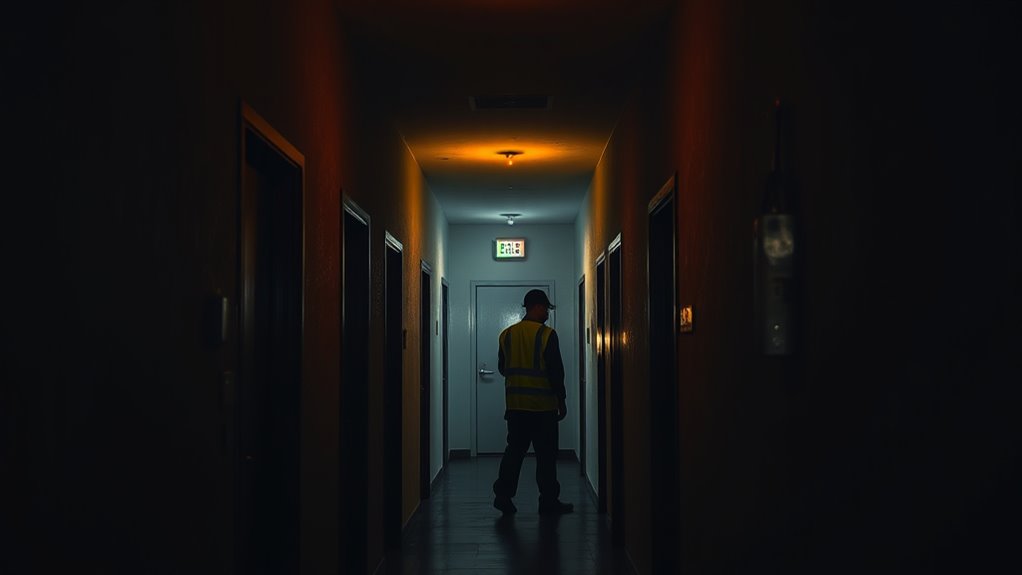
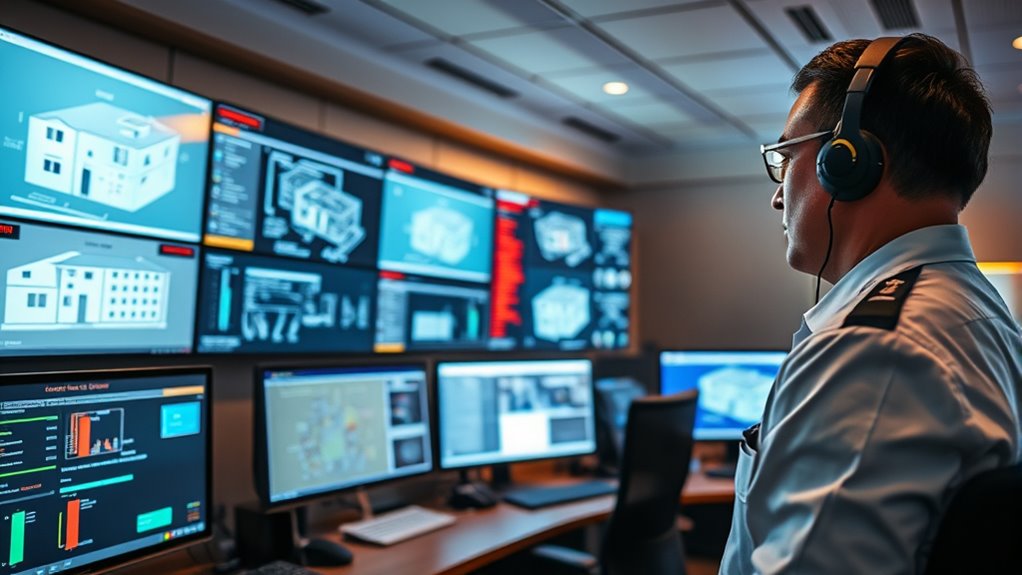
When a power outage hits a multi-unit residential building, quick and organized action is essential to minimize disruption and guarantee safety. Your first priority is to activate your emergency preparedness plan. This plan should be well-established and regularly reviewed, ensuring that everyone on-site knows their roles and responsibilities. Make sure emergency contacts are up-to-date, including local utility providers, emergency services, and maintenance teams. Having a clear communication protocol in place helps keep residents informed without causing unnecessary panic. Using signage, notifications, or a building management app ensures residents are aware of the situation, what steps are being taken, and when normal operations are expected to resume.
Activate your emergency plan, update contacts, and communicate clearly to keep residents safe during power outages.
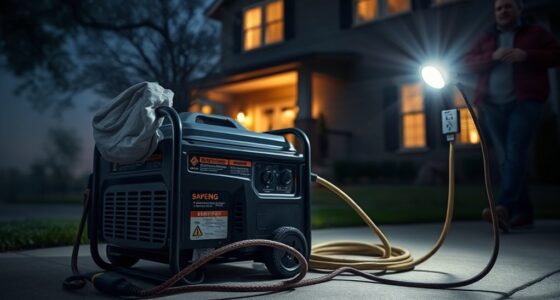
Maintaining a proactive approach to maintenance scheduling is indispensable for reducing the impact of outages. Regular inspections and servicing of electrical systems, backup generators, and emergency lighting can identify potential issues before they cause a failure. When scheduled properly, maintenance reduces unexpected outages and ensures all backup systems are ready to activate when needed. During a power outage, these backup systems become indispensable. If your building has generators, verify they are in working order and have enough fuel supply. Conduct routine testing and maintenance to prevent surprises during an emergency. This proactive approach minimizes downtime and keeps critical systems operational, such as elevator functions, security systems, and emergency lighting, ensuring resident safety.
Additionally, your team should be trained on how to respond during outages. Conduct periodic drills so everyone understands how to operate backup systems, assist residents with special needs, and coordinate with emergency services. Quick, decisive actions during an outage can prevent injuries and reduce chaos. Keep emergency kits accessible with flashlights, batteries, first aid supplies, and other essentials. Clear signage indicating emergency exits and procedures helps residents navigate safely if evacuations are necessary. Incorporating preventative maintenance strategies can further decrease the likelihood of outages and ensure systems are resilient enough to handle disruptions.
Furthermore, documenting each outage incident and response allows you to identify areas for improvement. After an outage, review what went well and what could be better. This feedback loop helps refine your emergency preparedness and maintenance scheduling, making future responses more efficient. Ultimately, managing outages effectively relies on foresight, regular upkeep, and clear communication. When you prioritize these elements, you create a safer environment, reduce downtime, and protect your residents from the chaos and hazards that power failures can bring. Staying prepared isn’t just about reacting to outages — it’s about anticipating them and ensuring your building is resilient enough to handle them smoothly.
Frequently Asked Questions
How Can Residents Prepare for Unexpected Outages?
To prepare for unexpected outages, you should gather emergency supplies like bottled water, non-perishable food, and a flashlight. Keep a power backup, such as a portable charger or generator, ready for essential devices. Make sure everyone in your household knows the emergency plan, including how to safely use backup power sources. Regularly check and update your supplies to stay prepared and reduce inconvenience during outages.
What Are the Legal Responsibilities During a Building Outage?
You might think outages are just a nuisance, but legally, you’re responsible for safety and communication. Your building’s management must meet legal obligations, like notifying residents promptly and ensuring safety measures. Liability considerations mean you could be held accountable if they neglect these duties. Ignoring these responsibilities isn’t just careless—it’s a legal risk. So, stay aware, and expect management to act swiftly and within their legal bounds during outages.
How Is Communication Managed With Tenants During Outages?
During outages, you manage communication by promptly providing tenant notification through multiple channels like emails, notices, or texts. You clearly explain the situation, expected duration, and emergency protocols, so tenants know what to do. Keep them updated regularly, especially if delays occur. This proactive approach guarantees residents feel informed and safe, reducing confusion and frustration during the outage. Effective communication is key to maintaining trust and safety in your building.
What Are Effective Long-Term Outage Prevention Strategies?
To prevent outages long-term, you should implement electrical redundancies and perform preventative maintenance regularly. Electrical redundancies guarantee backup systems are in place, reducing the risk of total outages. Preventative maintenance keeps equipment in top condition, catching issues early before they cause failures. By combining these strategies, you can minimize interruptions, improve reliability, and ensure tenants experience fewer outages over time.
How Do Outages Impact Building Insurance Policies?
Outages hit your building’s insurance policies like a thunderstorm, causing unforeseen complications. When outages occur, you might face increased insurance claims and potential policy adjustments, which can raise premiums or tighten coverage. Insurers see outages as risks that threaten property and tenant safety, so they often respond by reevaluating your policy. To protect your building, you should proactively document outages and maintain clear communication with your insurer.
Conclusion
By staying proactive and well-prepared, you can mitigate the impact of outages on your building. Some experts believe outages are becoming more frequent due to aging infrastructure and climate change, making resilience even more critical. By investing in regular maintenance, backup systems, and clear communication, you guarantee residents stay safe and comfortable. Remember, embracing the idea that outages are inevitable can motivate you to plan smarter—turning potential chaos into manageable moments.