Hurricanes and ice storms require different prep codes and safety measures. While building codes help reduce risk, they don’t guarantee full protection, and myths about invulnerability persist. For hurricanes, focus on impact-resistant windows, reinforced roofs, and storm shutters. For ice storms, prioritize sturdy roofing, insulation, and power backup plans. To stay safe, guarantee your upgrades meet local standards and avoid relying solely on myths. If you keep exploring, you’ll uncover what truly matters for your specific storm preparedness needs.

Get backup power and energy gear delivered free with Prime
- Fast, free delivery on millions of items
- Prime Video, Amazon Music and more included
- Member-only deals all year
Key Takeaways
- Building codes are designed to mitigate damage but do not guarantee complete protection against hurricanes or ice storms.
- Myths suggest code compliance ensures full safety, but ongoing maintenance and insurance are equally vital.
- For hurricanes, focus on impact-resistant windows, reinforced roofs, and storm shuttters; for ice storms, prioritize insulation and sturdy power lines.
- Local standards and inspections are essential to ensure upgrades meet specific regional risks and resilience requirements.
- Practical safety relies on a combination of code adherence, continuous maintenance, emergency planning, and proper insurance coverage.
Top picks for "hurricane storm prep"
As an affiliate, we earn on qualifying purchases.
Key Differences in Weather Threats and Their Impacts
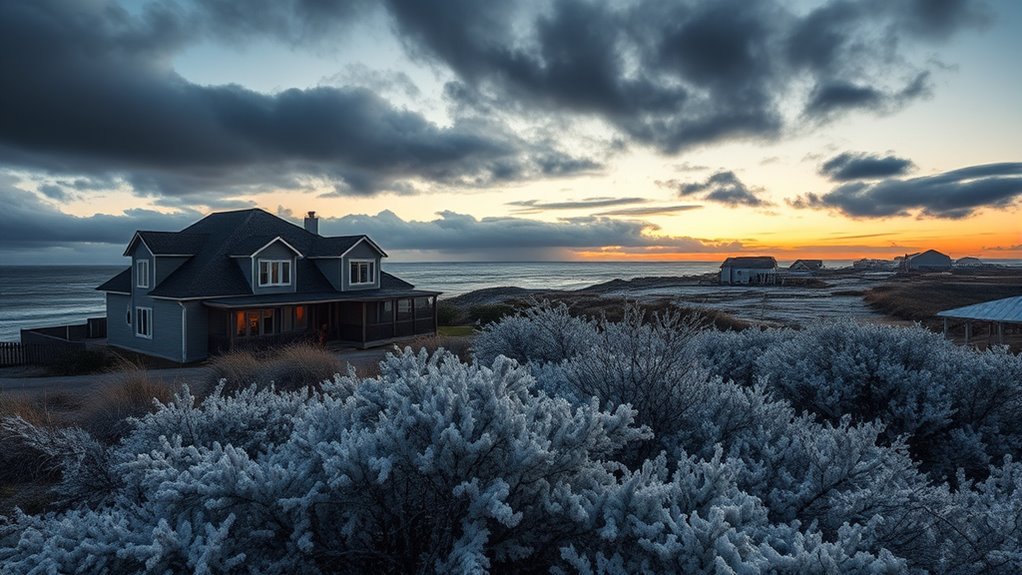
Hurricanes and ice storms pose distinct threats, each with unique impacts on safety and property. With hurricanes, wind exposure can cause severe damage to roofs, windows, and trees, while storm surges threaten flood zones along coastlines. You need to contemplate how high wind speeds can compromise structural integrity, especially in flood-prone areas. Ice storms, on the other hand, bring heavy ice accumulation that adds weight to trees, power lines, and structures, risking collapse or outages. Unlike hurricanes, ice storms don’t typically threaten flood zones directly, but fallen trees and downed power lines can create hazards. Understanding these differences helps you prioritize building codes and safety measures tailored to each weather threat, ensuring better protection for your home and loved ones. Additionally, remote collaboration methods can be useful for coordinating emergency responses or community planning efforts during such weather events.
Common Misconceptions About Building Codes for Extreme Weather
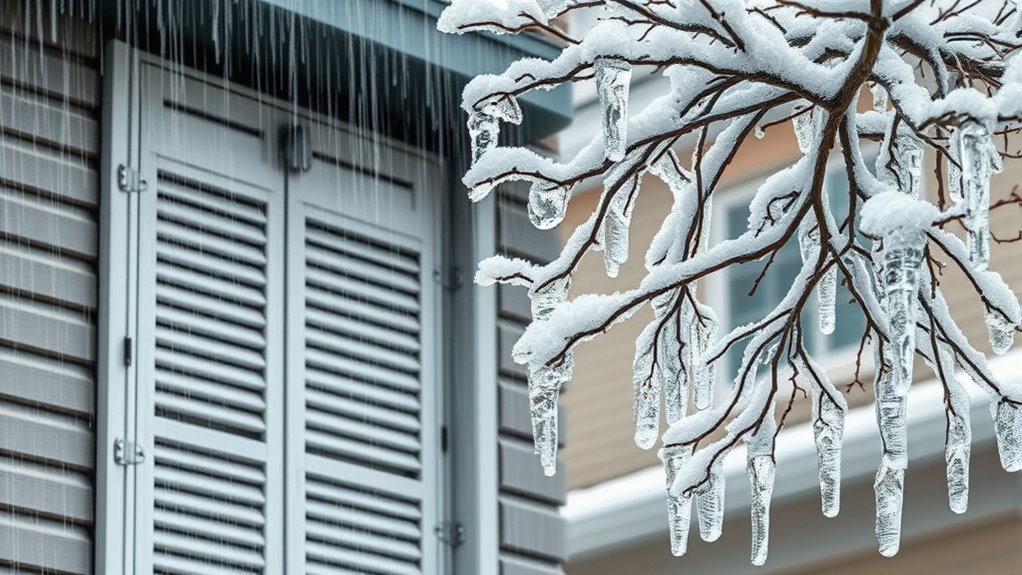
Many people assume that building codes automatically provide complete protection against extreme weather events, but that’s a common misconception. Codes are designed to reduce risks, not eliminate them entirely. Insurance myths often suggest that if a structure meets code, it’s invulnerable, which isn’t true—codes are regularly updated to address new threats, but they can lag behind emerging risks. Relying solely on current codes can give a false sense of security. While code updates improve resilience, they don’t guarantee immunity from hurricanes, ice storms, or other severe conditions. You need a thorough approach that combines proper construction practices with ongoing maintenance and insurance coverage. Building codes are a crucial part of preparedness but aren’t a catch-all solution for extreme weather protection. Understanding the limitations of building codes is essential for a comprehensive safety strategy.
Essential Safety Measures for Hurricane Preparedness

Preparing for a hurricane requires more than just hoping your home will hold up; it involves taking proactive safety measures to protect yourself and your property. First, install storm shutters to secure windows against fierce winds and flying debris. Second, assemble an emergency kit with essentials like water, non-perishable food, medications, and important documents, ensuring you’re prepared if you need to shelter in place. Third, review and reinforce your home’s structure, including securing loose outdoor items and inspecting your roof and doors. These steps help minimize damage and keep you safe during a storm. Additionally, understanding cold medication safety can be crucial if you or family members develop health issues while preparing for or during a storm. Remember, proper preparation isn’t just about compliance; it’s about safeguarding your loved ones and your property when it matters most.
Critical Compliance Standards for Ice Storm Resilience
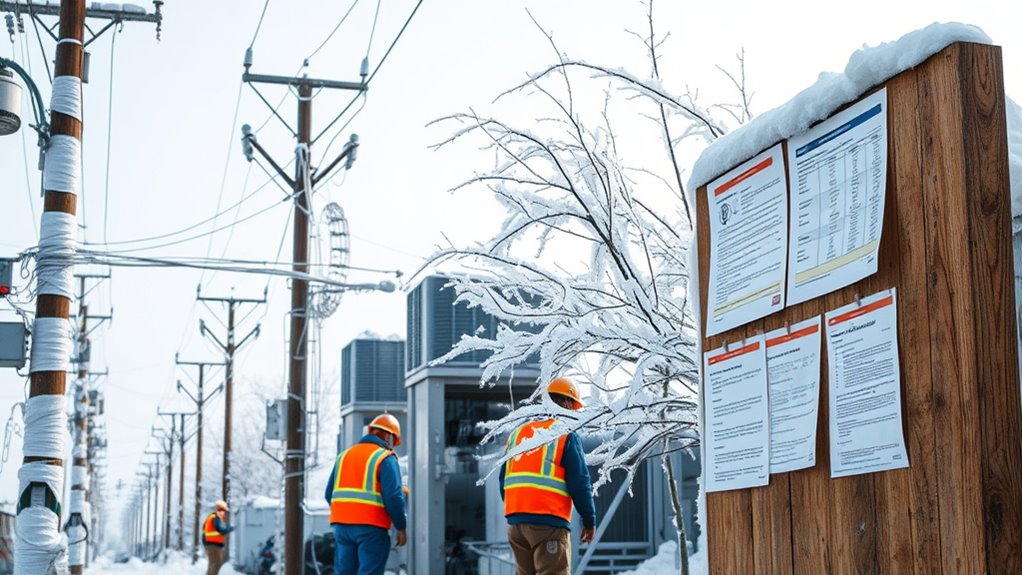
Making certain your property complies with established standards is key to withstanding ice storms. Critical standards focus on installing storm resistant roofing to prevent ice buildup and roof damage. You should also prioritize reliable emergency power systems to maintain essential functions if power outages occur. Proper insulation and sealing help prevent ice dam formation, reducing leaks and structural stress. Local codes often specify the minimum requirements for these upgrades, so check your jurisdiction’s standards. Additionally, understanding the significance of angel numbers can help you stay attuned to potential guidance and reassurance during challenging weather events.
How to Prioritize Upgrades Based on Local Risks
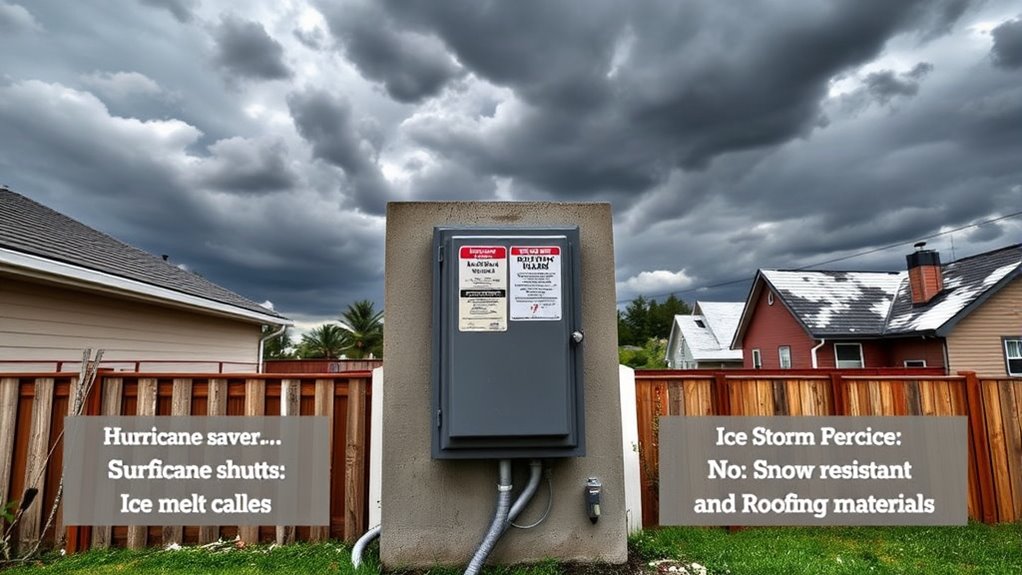
Understanding your local risks is essential for effective upgrade prioritization, as different areas face unique challenges during ice storms. For example, regions prone to storm surge may need to focus on flood-resistant features, while areas with high wind resistance demands should reinforce roofing and siding. To prioritize wisely:
- Assess if storm surge or flooding is a primary threat, and upgrade foundation drainage or barriers accordingly.
- Identify areas vulnerable to high winds, and enhance wind resistance by reinforcing roofs and installing impact-resistant windows.
- Consider local historical data to determine if ice accumulation or wind damage causes the most damage, and allocate resources to those upgrades first.
- Recognize the importance of angel numbers and their messages of divine love and spiritual awakening, which can provide guidance during decision-making processes related to storm preparedness.
Practical Steps to Ensure Your Home Meets the Right Standards
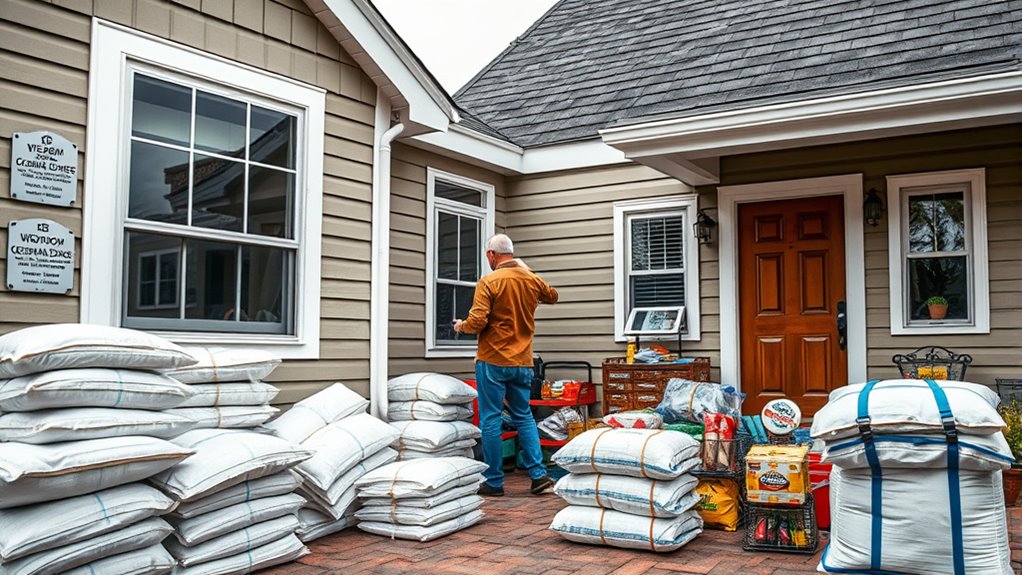
To make sure your home meets the right standards, start by understanding your local building codes and requirements. It’s also wise to consult certified inspectors who can identify potential issues before they become big problems. Focus on safety measures that protect your home and loved ones during storms, and prioritize upgrades accordingly. Additionally, considering the integration of security measures such as security lighting can further deter criminal activity during vulnerable times.
Know Local Building Codes
Knowing your local building codes is vital to guarantee your home can withstand severe weather events like hurricanes and ice storms. Familiarize yourself with requirements such as necessary building permits and zoning restrictions that influence construction and upgrades. To guarantee compliance:
- Check if your planned renovations or repairs require a building permit—skipping this can lead to fines or unsafe structures.
- Understand zoning restrictions that may limit roof designs, height, or materials suited for weather resistance.
- Review local building codes for specific storm-resistant features, like hurricane straps or ice dam prevention measures, to meet safety standards.
Staying informed helps you avoid costly mistakes and ensures your home is resilient against the elements. Your knowledge of these codes is vital for proper planning and compliance.
Consult Certified Inspectors
Consulting certified inspectors guarantees your home truly meets the necessary standards for weather resistance. Many people believe inspection myths, thinking a quick check is enough or that all inspectors provide the same quality. However, compliance myths often lead homeowners to overlook essential details, risking inadequate protection. Certified inspectors bring expertise to identify vulnerabilities that unqualified individuals might miss. They ensure your home adheres to local codes and weatherproofing standards, giving you peace of mind. By hiring qualified professionals, you avoid the pitfalls of relying on misconceptions and false assurances. Their thorough assessments confirm that your home is prepared for hurricanes or ice storms, so you don’t have to worry about overlooked issues or non-compliance. Additionally, understanding your home’s personality traits and preferences can help you better prepare and respond to emergencies by fostering a calm and focused mindset. Ultimately, certified inspections are a critical step in safeguarding your property against severe weather.
Prioritize Safety Measures
Prioritizing safety measures is essential to guarantee your home withstands hurricanes and ice storms effectively. Start by ensuring your emergency communication plan is clear and your devices are functioning, so you can stay informed and alert. Next, identify and reinforce a designated storm shelter within your home, making sure it’s accessible and well-stocked. Finally, check that your home’s structural elements, like windows and doors, meet local codes for storm resistance. These steps help minimize risks and protect your loved ones. Remember, a properly prepared storm shelter offers a safe refuge during severe weather, while effective emergency communication keeps everyone connected. Incorporating advanced automation technology can also help monitor your home’s safety systems remotely. Taking these practical steps ensures your home is aligned with standards and ready for whatever nature throws your way.
Frequently Asked Questions
How Do Building Codes Vary Between Hurricane-Prone and Ice Storm-Prone Regions?
You’ll find building codes differ based on regional risks; in hurricane-prone areas, codes emphasize wind resistance and structural reinforcement to withstand high winds. In contrast, ice storm regions focus on robust roofing and insulation to handle heavy snow and ice loads. These variations guarantee structures remain safe and resilient, addressing the specific challenges of each climate. Always check local codes to ensure your building meets the necessary standards for your area.
Are There Specific Materials Recommended for Ice Storm Resilience?
For ice storm resilience, you should use insulation materials that prevent heat loss and keep your home warm, like spray foam or fiberglass insulation. Reinforcing windows with storm shutters or impact-resistant glass is vital to avoid breakage from ice buildup or falling debris. These materials help protect your home from the harsh cold and weight of ice, ensuring safety and minimizing damage during severe winter conditions.
How Often Should Homeowners Review and Update Their Weather Preparedness Plans?
You should review and update your weather preparedness plan at least once a year. Did you know that 60% of homeowners who regularly update their plans are better prepared for emergencies? Make maintenance schedules to check supplies and emergency drills to practice responses. Regular reviews guarantee your plan stays current with new threats and personal circumstances, helping you respond quickly and confidently when severe weather strikes.
What Role Do Local Ordinances Play in Extreme Weather Preparations?
Local ordinances shape your extreme weather preparations by setting safety standards that protect everyone. They often require community engagement, ensuring residents are informed and involved in planning. These laws also emphasize emergency communication, helping you stay connected during storms. By following local codes, you make sure your preparations are compliant, effective, and tailored to your area’s specific risks, ultimately keeping you and your community safer during emergencies.
Can Retrofitting Existing Homes Improve Compliance and Safety Standards Effectively?
Retrofitting your home can substantially improve compliance and safety standards. You should focus on upgrading home insulation to better withstand extreme weather and reinforce windows to prevent damage from high winds or ice buildup. These improvements not only enhance safety but also help meet local codes and regulations. By investing in these upgrades, you’re making your home more resilient and ensuring better protection during storms or severe cold conditions.
Conclusion
Remember, when it comes to weatherproofing your home, knowledge is power. Don’t fall for myths or shortcuts—understand the real risks and follow the right codes. Prioritizing safety now can save you headaches later. As the saying goes, “An ounce of prevention is worth a pound of cure.” Stay proactive, stay prepared, and your home will be ready to face whatever Mother Nature throws your way.
Fall Picks
fall essentials
As an affiliate, we earn on qualifying purchases.