
When installing remote start and stop controls, make certain you understand your vehicle’s security features, like encryption and immobilizers, to prevent unauthorized access. Follow wiring diagrams carefully, matching wire colors and terminal labels, and use quality connectors for durable connections. Test system functions thoroughly to ensure security features disable starting when activated. If you encounter issues, double-check wiring and settings, and consider consulting a professional for best results. Continuing will provide more helpful tips for a secure, reliable installation.
Key Takeaways
- Consult the system’s wiring diagram to ensure proper connection of remote start/stop controls.
- Verify security features are enabled and functioning before integrating remote controls.
- Use high-quality connectors and proper insulation to secure wiring and prevent shorts.
- Test remote start/stop functions thoroughly, checking operation under different conditions.
- Seek professional assistance if installation involves complex wiring or security integration.
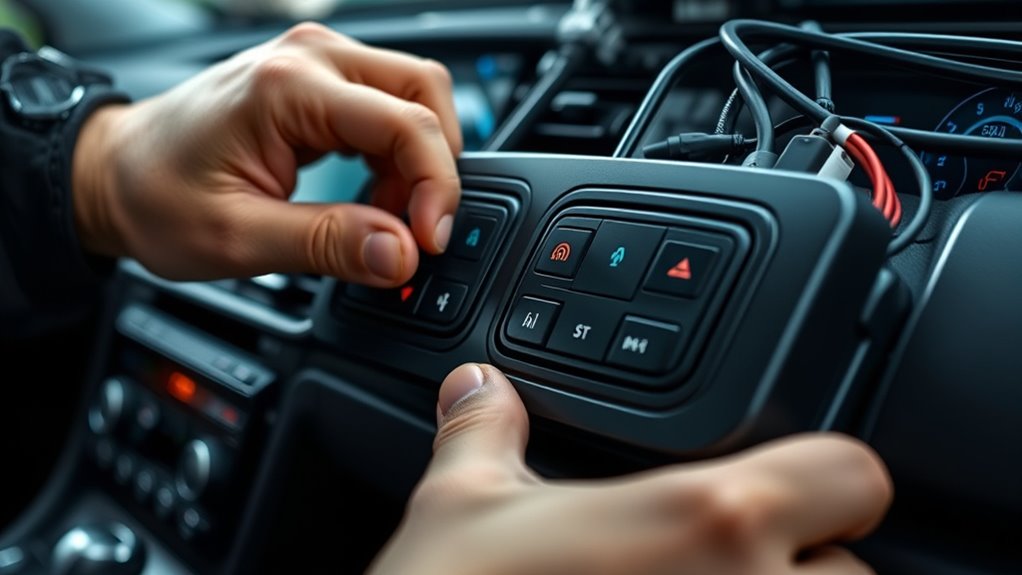
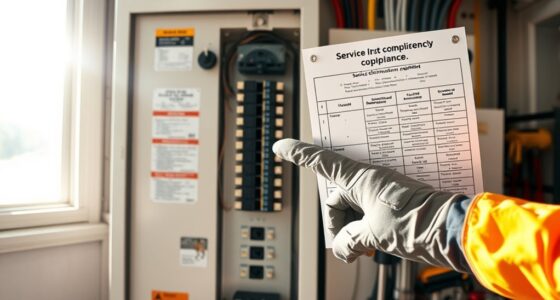
Remote start and stop controls let you operate equipment or vehicles from a distance, offering convenience and efficiency. Whether you’re managing industrial machinery, fleet vehicles, or security systems, installing these controls requires careful attention to detail. One of the most important aspects is understanding the security features that safeguard your system against unauthorized access. Many remote start systems include security measures like encryption, immobilizers, and user authentication, which help prevent theft or misuse. Before installation, you need to familiarize yourself with these features to ensure they’re correctly integrated and functioning properly. This often involves reviewing the manufacturer’s specifications and instructions, which typically include detailed wiring diagrams. Wiring diagrams serve as essential blueprints, guiding you through the connection process and helping you avoid costly mistakes. They illustrate how to connect power supplies, control switches, relays, and security modules, providing clarity on each component’s role within the system. When working with wiring diagrams, double-check each connection before powering up the system. Incorrect wiring can lead to system failure, security vulnerabilities, or damage to the equipment. It’s best to match the wiring colors and terminal labels precisely, following the diagram step-by-step. If you’re installing a remote start system with advanced security features, you might encounter additional wiring requirements, such as integrating with the vehicle’s ignition system, alarm modules, or GPS trackers. Pay close attention to these details, as improper integration can compromise security or system reliability. Use quality connectors and proper insulation to ensure durable, safe connections. Secure all wiring neatly to prevent accidental disconnections or shorts, especially in environments subject to vibration or movement. When integrating security features, test each function thoroughly. Confirm that the system disables vehicle starting when security is activated, and verify remote start operation under different conditions. Troubleshooting often involves revisiting your wiring diagrams and security settings, ensuring all connections are correct and security protocols are enabled. Remember, every system has unique requirements, so don’t hesitate to consult the manufacturer’s instructions or seek professional assistance if needed. Proper installation isn’t just about making the system work; it’s about ensuring it operates securely and reliably over time. Additionally, understanding the sector performance metrics can help you identify emerging trends and optimize your system’s security features accordingly. By understanding the security features and carefully following wiring diagrams, you greatly reduce the risk of malfunctions and security breaches. Taking the time to plan your installation carefully will pay off with a smooth, dependable remote start and stop system that enhances your operational efficiency and peace of mind.
Frequently Asked Questions
Can Remote Start Controls Be Installed in Any Vehicle?
You can’t install remote start controls in any vehicle without checking vehicle compatibility first. Some vehicles have complex electronics or security systems that pose installation challenges, making it difficult or impossible to add remote start. Before proceeding, you should verify that your vehicle supports remote start systems and consult a professional if needed. Proper compatibility guarantees smooth installation and reliable operation, avoiding potential damage or security issues later on.
What Safety Features Are Included With Remote Start Systems?
Think of remote start systems as your vehicle’s guardians—they come equipped with security features like immobilizers and encrypted signals that keep intruders at bay. These systems also include safety precautions such as automatic shutoff if doors are opened or if the vehicle is shifted out of park. You can trust that these features work together to protect you and your vehicle, giving you peace of mind every time you start your car remotely.
Are There Legal Restrictions on Remote Start Installations?
Yes, there are legal restrictions on remote start installations. You need to guarantee legal compliance by checking local laws, as some areas restrict remote start systems to prevent theft or emissions issues. You might also require installation permits, especially for modifications that impact your vehicle’s security or emissions. Always verify regulations beforehand to avoid fines or voiding your warranty, and consider consulting a professional installer familiar with local laws.
How Do I Troubleshoot if My Remote Start Isn’t Working?
If your remote start isn’t working, start with diagnostic procedures to identify the issue. Use troubleshooting tools like a multimeter or scan tool to check connections, power supply, and wiring. Confirm the vehicle’s security system isn’t interfering and that the remote’s batteries are fresh. Double-check the installation instructions and verify all connections. If problems persist, consult the remote start system’s manual or seek professional help to pinpoint and resolve the problem quickly.
What Maintenance Is Required for Remote Start and Stop Controls?
To keep your remote start and stop controls working smoothly, you should regularly check the battery maintenance by replacing batteries as needed to guarantee reliable operation. Additionally, perform wiring inspection periodically to identify any loose or damaged connections that could affect performance. Keeping these components in good condition helps prevent issues, extends the lifespan of your controls, and ensures your system functions correctly when you need it.
Conclusion
Now that you’ve learned these installation tips, you’re ready to confidently set up your remote start and stop controls. It’s funny how the right tools and a little patience can turn a formidable task into a smooth process—like finding a hidden shortcut. With your new skills, you’ll wonder how you ever managed without remote control at your fingertips. Just remember, a successful install often happens when preparation meets a bit of luck. Happy installing!