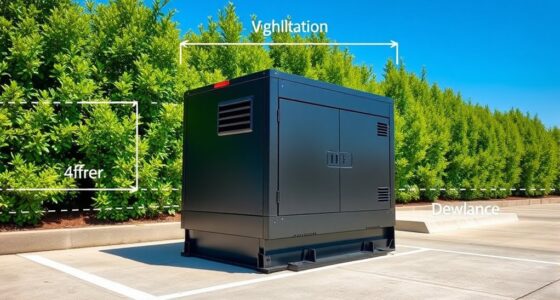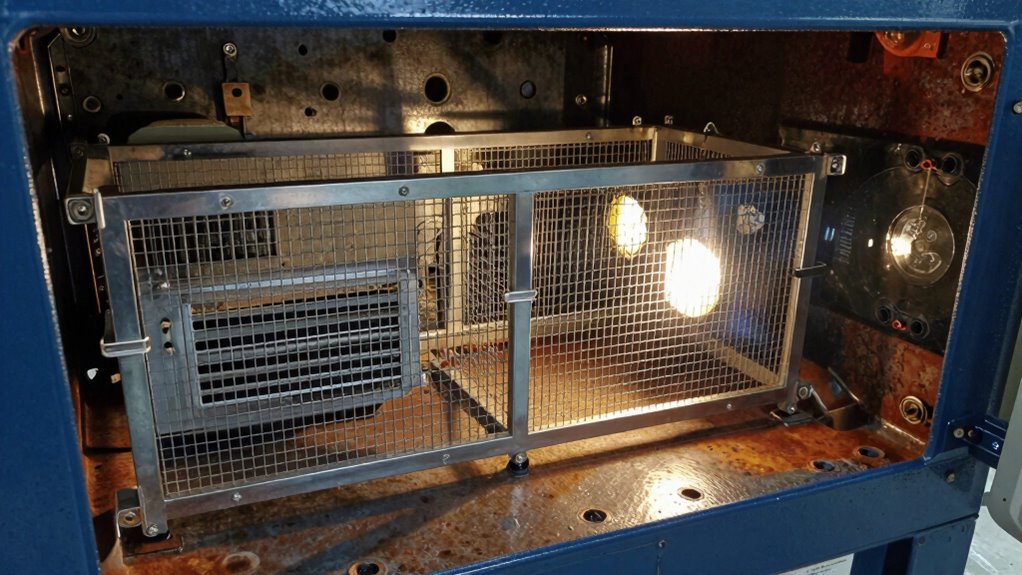

To keep rodents out of generator compartments, start by inspecting and sealing all holes, gaps, and cracks with steel wool, metal mesh, or caulking. Keep the area clean, removing debris and nesting materials nearby. Install durable barriers or metal guards around critical parts and use fine mesh screens over vents and entry points. Natural repellents like peppermint oil, combined with traps and routine inspections, can also help. Continue exploring for additional tips to protect your generator effectively.

Get backup power and energy gear delivered free with Prime
- Fast, free delivery on millions of items
- Prime Video, Amazon Music and more included
- Member-only deals all year
Key Takeaways
- Seal all entry points, vents, and gaps with steel wool, mesh, or caulking to prevent rodent access.
- Keep the area clean and debris-free, removing nesting materials and potential shelter nearby.
- Install durable barriers or guards around the generator and critical components.
- Use natural deterrents like peppermint oil combined with physical barriers for effective repellence.
- Regularly monitor for signs of rodent activity and set traps away from the generator to control populations.
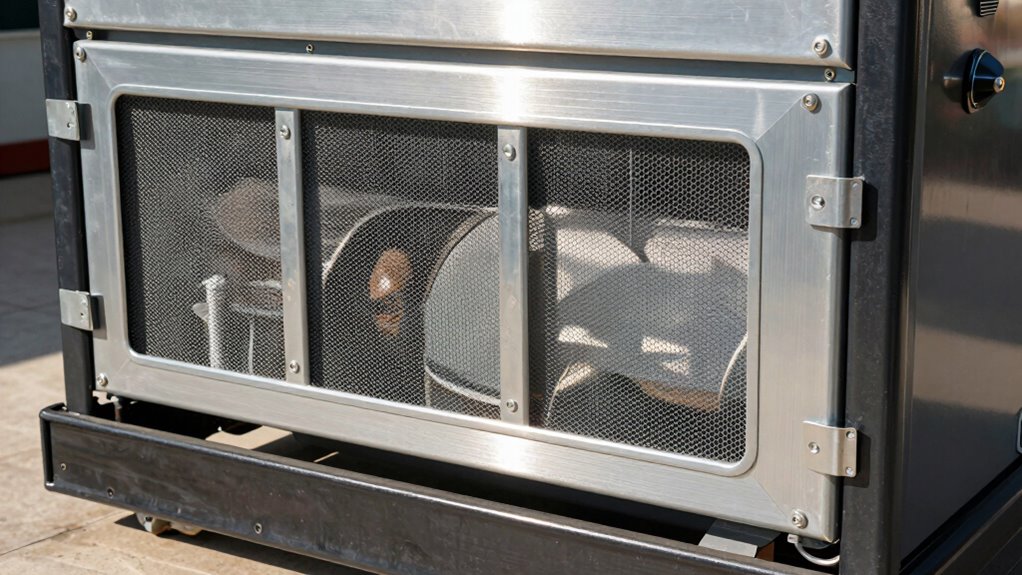
Rodents can quickly turn your generator compartment into a nesting site, causing damage and risking safety. Their gnawing habits can compromise wiring, fuel lines, and insulation, leading to costly repairs or dangerous malfunctions. To prevent this, you need to implement effective rodent proofing techniques. Start by inspecting the entire compartment for any existing holes, gaps, or cracks, and seal them with durable materials like steel wool, metal mesh, or caulking. These materials are tough enough to deter rodents and prevent them from squeezing through tiny openings. Pay special attention to vents, drain holes, and cable entry points, as these are common entry spots. Installing fine mesh screens over vents and openings adds an extra layer of protection without restricting airflow or ventilation.
In addition to sealing entry points, keeping the area around your generator clean and free of debris *considerably* reduces rodent attraction. Remove piles of leaves, grass clippings, or stored materials nearby, as these provide cover and nesting material. Regular generator maintenance tips also include inspecting the compartment frequently for signs of rodent activity, such as droppings or chewed wires. Catching early signs of intrusion allows you to act swiftly, reinforcing vulnerable spots before a full-blown infestation occurs. Proper insulation quality also plays a role in preventing rodents from nesting, as high-quality insulation can be more resistant to damage and easier to inspect. Understanding rodent behavior can help you better anticipate their entry points and nesting habits, improving your overall prevention strategy. Additionally, employing rodent-proofing methods like installing barriers or barriers with durable materials can significantly reduce the likelihood of entry.
Furthermore, using natural deterrents such as peppermint oil or commercial rodent repellents around the generator area can enhance your defenses, especially when combined with physical barriers. These odors are unpleasant to rodents and can discourage them from approaching. However, don’t rely solely on repellents; combine them with physical barriers for maximum effectiveness. Installing a metal or plastic guard around the generator can make it more difficult for rodents to access critical parts. If you notice persistent problems, setting traps away from the generator can help control the rodent population around your property, further reducing the risk of infestation.
Frequently Asked Questions
Do Certain Types of Generators Attract More Rodents Than Others?
Some generator types might attract more rodents due to placement or design, influencing rodent behavior. For example, outdoor generators placed near trees or dense shrubbery can draw rodents seeking shelter or nesting sites. Generators with exposed wiring or accessible vents also invite rodents, regardless of type. To minimize attraction, keep generators in open, well-lit areas, and regularly check and maintain the placement to deter rodent activity.
Can Natural Repellents Effectively Prevent Rodent Intrusion?
Natural repellents can effectively prevent rodent intrusion, acting as a first line of defense. You can use natural deterrents like peppermint oil, mothballs, or ultrasonic devices to disrupt their nesting and feeding habits. These pest control methods create an environment rodents avoid, like a no-entry zone. Regularly applying natural repellents and maintaining clean, clutter-free generator compartments keeps rodents at bay and protects your equipment from damage.
How Often Should Generator Compartments Be Inspected for Rodent Activity?
You should inspect your generator compartments at least once a month to catch rodent activity early. Understanding rodent behavior, like their tendency to chew and nest in dark, secluded areas, helps you identify signs of intrusion. Use effective inspection techniques such as looking for droppings, gnaw marks, and nests. Regular checks allow you to address any issues promptly, preventing damage and ensuring your generator stays protected from these pesky intruders.
Are There Specific Signs Indicating Rodent Infestation in Generator Areas?
They say “a sign of trouble is often right under your nose,” and that’s true for rodent infestations. Look for signs of nesting, like shredded insulation or paper, and check for droppings detection around vents, wires, or hidden corners. Small gnaw marks or holes also indicate rodent activity. Being vigilant helps catch issues early, so regularly inspecting for these signs keeps your generator safe and rodent-free.
What Are the Potential Damages Caused by Rodents in Generator Compartments?
Rodents in generator compartments can cause significant damage, especially through rodent nesting and electrical damage. They may chew through wires, creating short circuits or failures that disrupt your power supply. Their nesting habits can block ventilation and damage insulation, leading to overheating. Ignoring these issues risks costly repairs and downtime. Regular inspections and preventive measures help minimize rodent-related risks, ensuring your generator remains reliable and safe.
Conclusion
So, now that you know how to keep those pesky rodents at bay, you’re practically a hero in your generator’s story. Just remember, if they come back with tiny pickaxes, you might have to step up your game. Until then, enjoy the peace of mind, free from squeaks and nibbling chaos. Because nothing says “I’ve got this” like a rodent-proof generator—and maybe a tiny superhero cape for good measure.
Halloween Picks
halloween
As an affiliate, we earn on qualifying purchases.