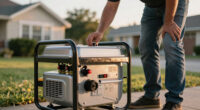
CO shutoff features automatically turn off appliances when dangerous CO levels are detected, helping prevent poisoning. However, they don’t replace the need for CO detectors, which provide early warnings and alert you before levels become unsafe. These features don’t detect CO presence or address the root cause of leaks. Relying solely on them can be risky. To learn more about thorough safety measures, keep exploring the essential precautions you should take.
Key Takeaways
- CO shutoff features do not replace the need for continuous CO detectors or alarms.
- They do not provide early warnings or alerts about rising CO levels.
- They only activate after dangerous CO levels are detected, not prevent leaks.
- They cannot identify or address the root causes of CO production.
- Regular maintenance and monitoring are essential alongside shutoff features for safety.
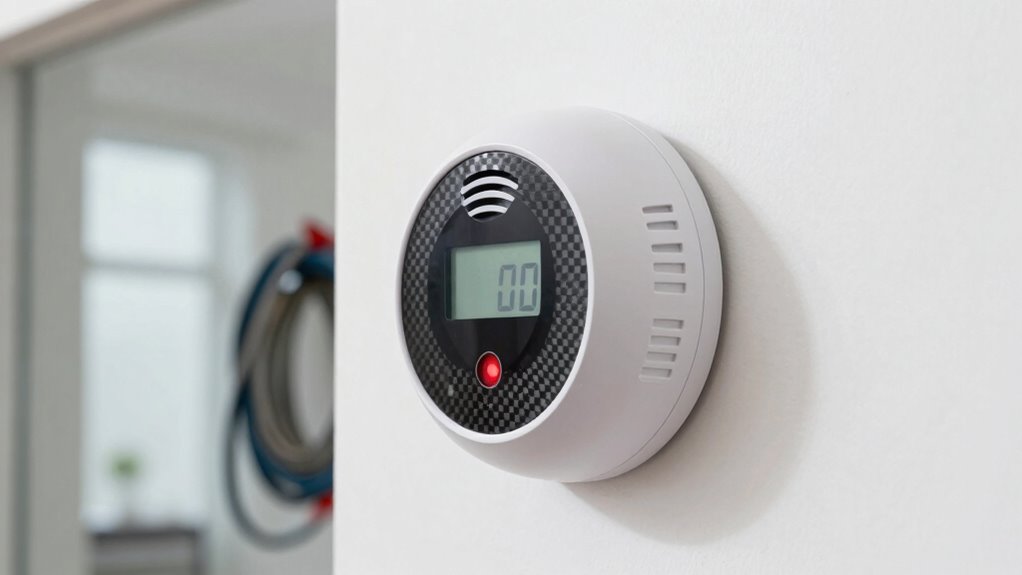
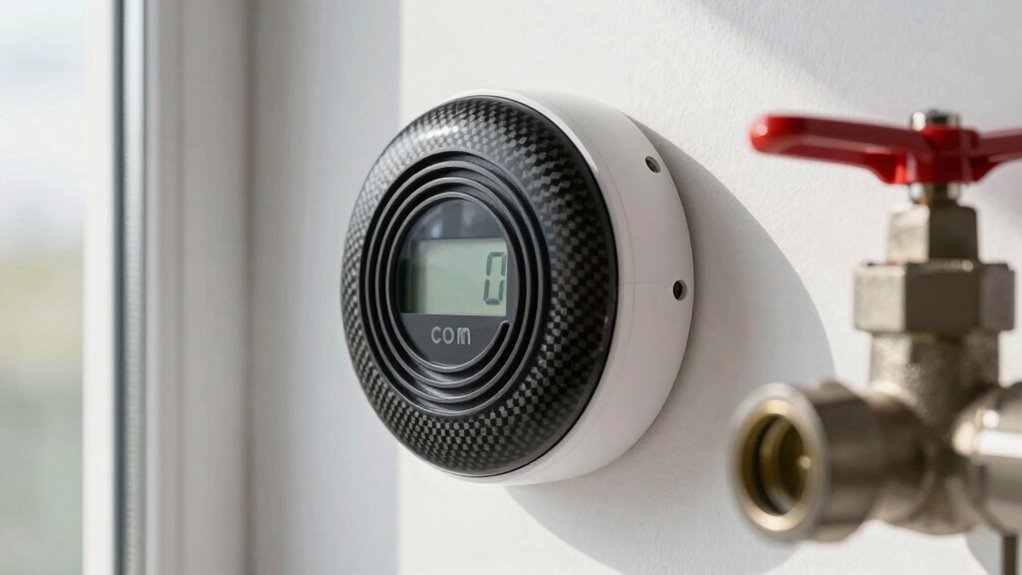
Carbon monoxide (CO) shutoff features are designed to automatically turn off a fuel-burning appliance if dangerous CO levels are detected, providing an essential safety measure. These features act as a safeguard, preventing the continued production of carbon monoxide that could lead to poisoning. While they add an extra layer of protection, they don’t replace the need for proper safety protocols or the use of carbon monoxide detectors. CO detectors are essential because they continuously monitor the air for CO buildup and alert you before levels become dangerous. They serve as an early warning system, giving you critical time to evacuate or take corrective action. In contrast, CO shutoff features react only after high CO levels are detected, automatically shutting off the appliance to prevent further risk.
CO shutoff features automatically stop appliances at dangerous CO levels, but detectors provide early warnings and are essential for safety.
However, relying solely on CO shutoff features can be risky. They don’t alert you to the presence of CO; instead, they silently cut power to your appliance. This means you might not realize there’s a problem until the appliance shuts off or someone experiences symptoms of CO poisoning. That’s why emergency response protocols are indispensable. When a CO detector sounds an alarm, you should immediately evacuate the premises and call emergency services. These protocols are designed to keep you safe by ensuring you don’t ignore or delay action, which is critical because CO poisoning can be deadly even at low levels over time.
CO shutoff features also don’t address the root cause of the CO leak. If your appliance shuts off, you still need to have it inspected and repaired before restarting it. Ignoring the underlying issue can lead to recurring hazards. Furthermore, these features don’t protect other parts of your home or other appliances that may also produce CO. That’s why a thorough approach—combining CO detectors, proper maintenance, and emergency response plans—is necessary for true safety. Regular maintenance and inspections are crucial to prevent CO leaks from occurring in the first place, emphasizing the importance of home appliance safety and upkeep. It’s also beneficial to understand how CO monitoring technology works to stay informed about potential risks. Understanding the limits of safety devices helps ensure you don’t develop a false sense of security. Additionally, proper ventilation plays a significant role in reducing CO buildup in enclosed spaces.
Implementing comprehensive safety measures ensures that you are protected from potential hazards more effectively than relying on a single device. In essence, CO shutoff features are valuable safety devices, but they’re only one part of a broader safety strategy. They help prevent catastrophic outcomes by stopping dangerous CO emissions at the source, but they don’t replace the need for functioning carbon monoxide detectors and well-practiced emergency response protocols. You should never depend solely on one safety measure; instead, use them together to create a layered defense against carbon monoxide hazards in your home.

7102 Oil Heater Kit Compatible with Generac Generator 2008+ 9KW-22KW
- 1.Part number: 7102
- 2.Fitment: Compatible with 9kW-22kW air-cooled standby...
- 3.Function: our oil heater kit will...
As an affiliate, we earn on qualifying purchases.
Frequently Asked Questions
Do CO Shutoff Features Detect All Gas Leaks?
CO shutoff features don’t detect all gas leaks. They mainly focus on carbon monoxide detection, not natural gas or propane leaks. Gas detection sensors are necessary for identifying other gas leaks, especially for appliances that may be incompatible with CO shutoff systems. For thorough safety, you should use dedicated gas detectors alongside CO shutoff features, ensuring every type of gas leak gets detected promptly.
Can Shutoff Features Prevent Carbon Monoxide Poisoning Entirely?
Shutoff features dramatically reduce the risk of carbon monoxide poisoning, but they can’t prevent it entirely. Gas detection plays a vital role in early warning, allowing you to take action before dangerous levels build up. To guarantee safety, follow proper safety protocols, including regular maintenance and installing detectors. While shutoff features are valuable, combining them with gas detection and safety measures offers the best protection against CO poisoning.
Are CO Shutoff Systems COmpatible With Existing Appliances?
Yes, CO shutoff systems are generally compatible with existing appliances, but you should check appliance compatibility and installation considerations first. Some systems may require specific connections or power sources, so review your appliances and the system’s requirements carefully. It’s wise to consult a professional to guarantee proper installation, especially if you have older appliances or complex setups. Proper compatibility and installation help maximize safety and system effectiveness.
How Often Should CO Shutoff Devices Be Tested or Maintained?
You should test and maintain your CO shutoff devices at least once a year. Regular sensor calibration is essential to confirm they detect carbon monoxide accurately. Follow the manufacturer’s maintenance schedule closely, which may include replacing batteries or sensors and checking for dust or debris. Proper upkeep guarantees reliable operation and safety, giving you peace of mind that the system will activate promptly if unsafe CO levels are detected.
Do Shutoff Features Work During Power Outages?
During power outages, many CO shutoff features may not work unless they have backup power sources like batteries or generators. For emergency preparedness, you should make certain your CO detectors are properly installed and include models with backup power. Installation considerations are vital, so check if your shutoff system is designed to operate during outages. Regular maintenance and testing help guarantee these safety features function when you need them most.
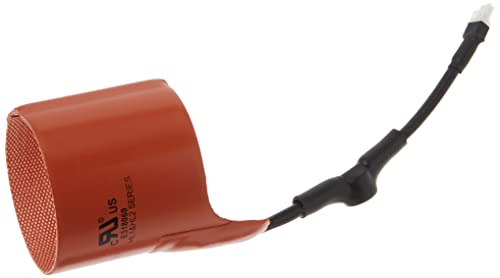
Generac 7102 Oil Heater Kit for 9kW - 22kW Air Cooled Standby Generators , Orange
- FITS 9–26 KW GENERAC AIR-COOLED STANDBY GENERATORS MADE IN 2008 OR LATER: Compatible with Honeywell and Centurion...
- THERMOSTAT ACTIVATES AT 40°F AND SHUTS OFF AT 55°F AUTOMATICALLY: Heater engages only when crankcase...
- SLIPS DIRECTLY OVER THE OIL FILTER — NO OIL DRAIN REQUIRED TO INSTALL: The orange silicone heating loop...
As an affiliate, we earn on qualifying purchases.
Conclusion
While CO shutoff features can instantly cut off dangerous carbon monoxide, they don’t replace regular maintenance or proper ventilation. Think of them as a safety net—not a substitute for responsible habits. Just like a smoke alarm isn’t a substitute for fire safety, these features won’t prevent CO buildup. Rely on them as part of your safety plan, but remember: proactive care and awareness are your best defenses against carbon monoxide dangers.

Generac 5616 Extreme Cold Weather Kit for 25 kW (1800 RPM), 22 kW, 27 kW, 36 kW, 45 kW & 60 kW (2.4L Engine) Standby Generators: Ensure Optimal Performance in Freezing Conditions
- Comprehensive Kit: This kit includes the appropriate...
- Synergistic Compatibility: Designed to operate seamlessly with...
- Wide Generator Compatibility: Compatible with Generac 22 kW,...
As an affiliate, we earn on qualifying purchases.

Generac 5630 Cold Weather Kit for Liquid-Cooled Standby Generators with 2.4L Engine: Ensure Reliable Performance in Chilly Conditions
- Battery Warmth Optimization: Equipped with a battery warmer...
- Activated Cold Protection: When temperatures dip below acceptable...
- Enhanced Compatibility: Specifically designed for Generac 22,...
As an affiliate, we earn on qualifying purchases.