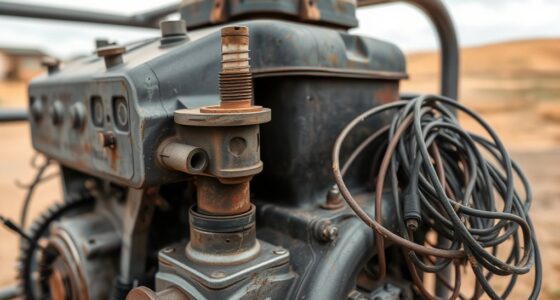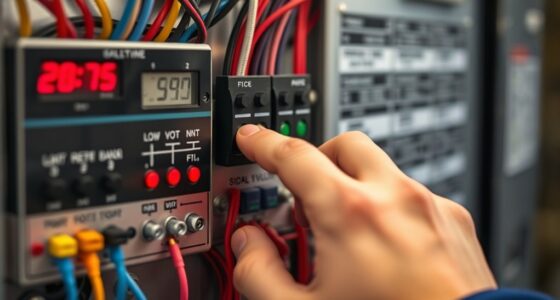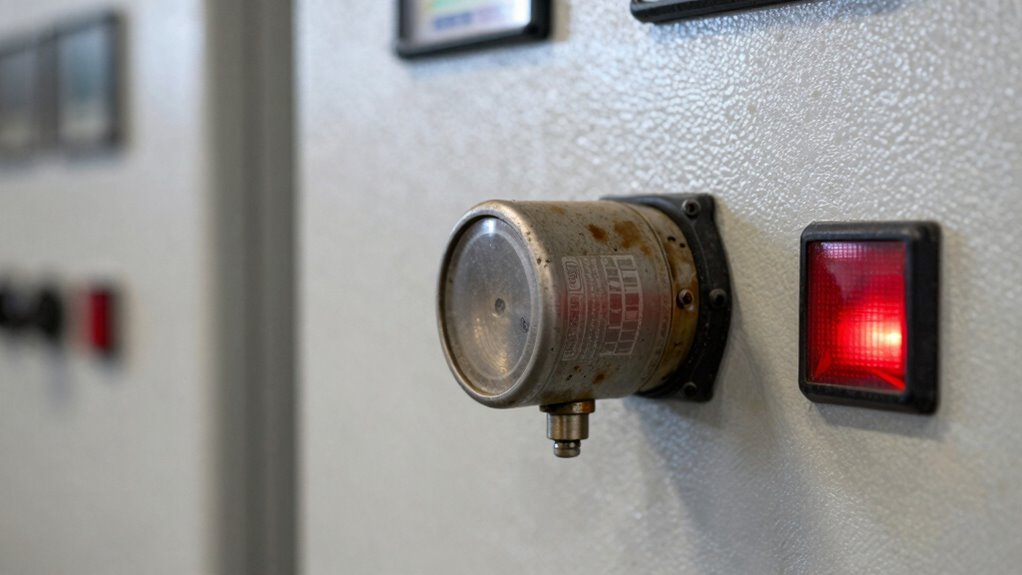

If your generator’s sensor has failed, you’ll notice inconsistent readings, abnormal noises, or stalls that disrupt performance. False alarms or a failure to start are common signs, along with poor efficiency or strange behavior. Check for dirt, moisture, or corrosion on the sensor and make certain wiring is intact. Regular calibration and electrical checks help prevent failure. Keep an eye on these signs—more tips below can help you troubleshoot effectively.

Get backup power and energy gear delivered free with Prime
- Fast, free delivery on millions of items
- Prime Video, Amazon Music and more included
- Member-only deals all year
Key Takeaways
- Look for inconsistent or erratic generator behavior, such as unexpected stalls or failure to start.
- Check for false alarms or failure to respond to control signals.
- Listen for abnormal noises or unusual stalls indicating sensor issues.
- Inspect wiring and connectors for damage, corrosion, or loose connections.
- Monitor for poor performance or inefficiency that persists despite cleaning and calibration.
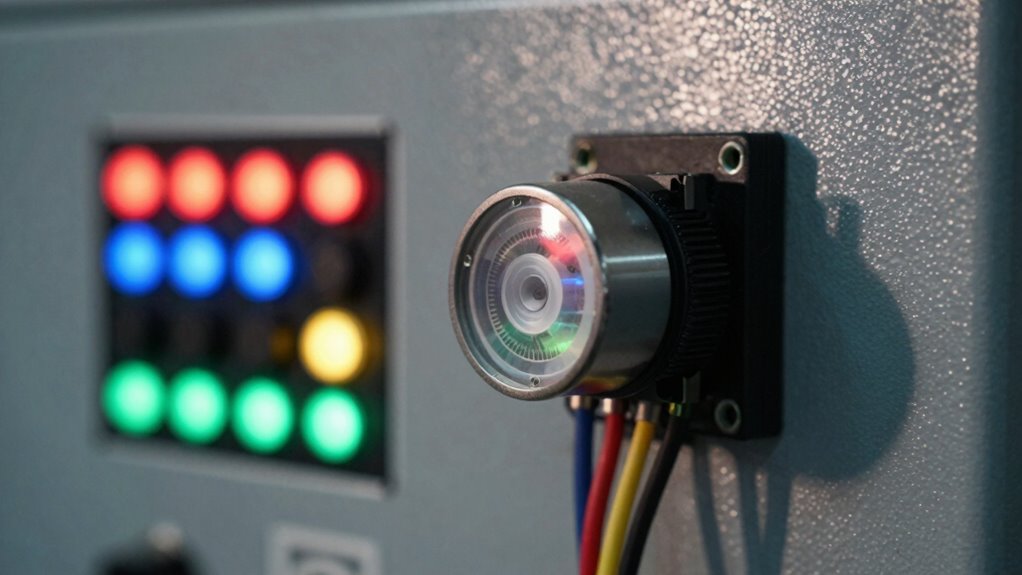
Detecting a failed generator sensor quickly is essential to guarantee your generator operates safely and efficiently. Sensors play a critical role in monitoring various parameters, such as temperature, oil pressure, and voltage, ensuring the generator runs smoothly. If a sensor malfunctions, it can lead to poor performance or even damage to the system. One of the first signs of trouble is inconsistent readings or erratic behavior from your generator. To identify these issues, start by inspecting the sensor’s calibration. Over time, sensors can drift from their original calibration, providing inaccurate data that might trigger false alarms or prevent the generator from starting altogether. Regular sensor calibration ensures that the readings remain precise, allowing you to detect genuine faults quickly and avoid unnecessary downtime. Proper calibration also helps in preventing infection risks, which can be exacerbated by faulty sensors, especially in environments where moisture and dirt are prevalent. Incorporating routine checks can help you stay ahead of potential failures and maintain optimal operation.
Electrical connectivity is another essential aspect to check when troubleshooting sensor failures. If a sensor’s wiring is loose, frayed, or corroded, it can disrupt the electrical signals sent to the control system. These disruptions often manifest as erratic or no readings at all. To diagnose potential electrical connectivity issues, visually inspect the sensor’s wiring and connectors, looking for signs of damage or corrosion. Use a multimeter to test the continuity of the wiring, confirming that electrical signals can pass unimpeded from the sensor to the generator’s control panel. Poor electrical connectivity can sometimes mimic sensor failure, so verifying this connection is a key step in the troubleshooting process. Additionally, understanding the sensor’s specifications can help you determine whether the sensor is compatible with your generator model and operating conditions. Being aware of the sensor’s intended environment and operating parameters can prevent mismatched replacements and future issues.
Additionally, pay attention to the physical condition of the sensor itself. Excessive dirt, dust, or moisture can impair its function, leading to false readings or complete failure. Cleaning the sensor and ensuring it is properly mounted can restore its accuracy. If cleaning doesn’t help, and calibration checks out, replacing the sensor may be necessary. When doing so, always guarantee the replacement sensor matches the specifications and is properly calibrated before installation. This prevents future issues stemming from incorrect readings. Regular inspection and maintenance can extend the lifespan of your sensors and improve overall system reliability. Proper sensor installation is crucial for consistent performance and accurate data collection.
Monitoring your generator’s behavior is also essential. If it stalls unexpectedly, runs inefficiently, or produces abnormal noise, these could be signs of sensor problems. Cross-referencing these symptoms with sensor diagnostics can help you pinpoint the exact cause. Ultimately, a combination of regular maintenance, sensor calibration, and thorough electrical connectivity checks allows you to detect sensor failures early, preventing costly repairs and ensuring your generator remains reliable when you need it most. Recognizing signs such as sensor drift and understanding their impact can help you maintain optimal generator performance.
Frequently Asked Questions
Can a Faulty Sensor Cause the Generator to Shut Down Unexpectedly?
Yes, a faulty sensor can cause your generator to shut down unexpectedly. When sensor calibration is off or fault detection systems misinterpret signals, they might trigger shutdowns to prevent damage. If you notice sudden stops, check if the sensor is malfunctioning. Regular maintenance helps guarantee sensors are calibrated properly and fault detection works accurately, reducing the risk of unexpected shutdowns caused by sensor issues.
How Often Should Generator Sensors Be Tested or Replaced?
Think of your generator sensors as the essential signs of your equipment—if they’re off, trouble follows. You should test and calibrate sensors annually, or sooner if you notice irregular readings. Following a maintenance schedule ensures sensors stay accurate and reliable. Regular checks help catch issues early, preventing unexpected shutdowns. Keep in mind, consistent maintenance and calibration are key to keeping your generator running smoothly, just like a well-tuned engine.
Are There Specific Tools Needed to Diagnose Sensor Failures?
To diagnose sensor failures, you’ll need diagnostic tools like a multimeter or a specialized sensor calibration device. These tools help you check if the sensor’s signals are within the proper range. Use them to test resistance, voltage, and signal output. Accurate calibration is essential, so if readings are off, recalibrate or replace the sensor. Regular testing with these tools guarantees your generator runs smoothly and detects issues early.
Can Sensor Failure Affect the Generator’s Fuel Efficiency?
Imagine your generator’s sensor as a tiny compass guiding fuel flow. When it fails, fuel efficiency drops because calibration gets thrown off, causing over- or under-fueling. You can’t rely on it to optimize performance. Regular maintenance checks should include sensor inspection, ensuring calibration stays accurate. Ignoring sensor issues can lead to wasted fuel and higher costs, so keep that maintenance checklist updated to catch problems early, saving you money and energy.
What Are the Common Signs of Sensor Failure in Different Generator Models?
You’ll notice sensor failure signs like erratic generator behavior, warning lights, or inconsistent readings. Check for sensor calibration issues, which cause inaccurate data, and inspect wiring connections for damage or looseness. Failing sensors often trigger alarms or shutdowns, so regularly reviewing calibration settings and wiring integrity can help you catch problems early. Staying attentive to these signs guarantees your generator runs smoothly and minimizes downtime.
Conclusion
A sensor failure can seem small, like a silent alarm in your generator’s system. Yet, ignoring it risks unexpected breakdowns, leaving you powerless when you need backup most. Just as a tiny crack can compromise a mighty dam, a faulty sensor can undermine your generator’s performance. Stay vigilant; regular checks can catch these silent threats early. Because in the battle between reliability and failure, even the smallest warning signs deserve your attention.
Columbus Day / Indigenous Peoples' Day Picks
long weekend sales
As an affiliate, we earn on qualifying purchases.