
Many people mistakenly think the starter motor alone causes no-start issues, but it’s often wiring or relay problems. You might confuse battery issues with fuel system faults, wasting time on unnecessary repairs. Overlooking the ignition switch or security system could stop the engine from starting, even if electrical parts are fine. Visual inspections can reveal simple faults others miss. Recognizing system complexities helps avoid costly mistakes—if you keep going, more key facts will come into focus.

Get backup power and energy gear delivered free — and shop member deals
- Fast, free delivery on millions of items
- Access to Prime Big Deal Days deals on October 6–7
- Prime Video, Amazon Music and more included
Key Takeaways
- Many assume electrical faults are the only cause; mechanical issues like fuel or timing problems often cause no-starts.
- Overlooking security system interference can lead to unnecessary part replacements, ignoring simple security resets or key fob issues.
- Visual inspections and basic troubleshooting are undervalued, yet they often reveal obvious problems like loose wires or corrosion.
- Diagnostic trouble codes can be misleading; they require proper interpretation to avoid unnecessary repairs or part replacements.
- Battery health, wiring integrity, and external electronic interference are critical factors frequently neglected in initial diagnostics.
Misunderstanding the Role of the Starter Motor
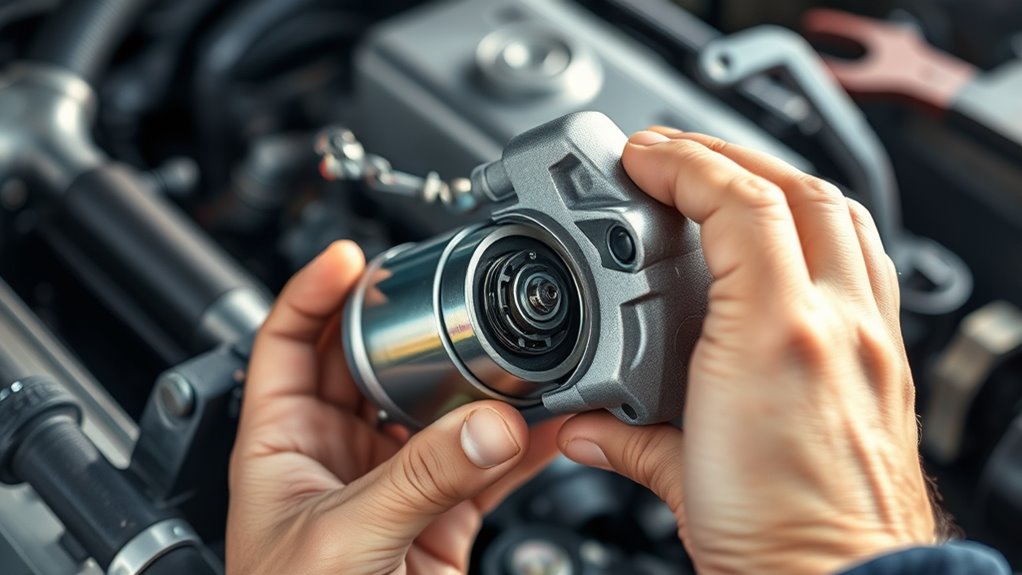
Many people mistakenly believe that the starter motor is responsible for running the engine once it has started. In reality, its job ends after engine cranking begins. When you turn the key or push the button, the starter relay activates, sending power to the starter motor, causing it to spin and turn the engine over. The starter motor’s role is to initiate engine cranking, not to keep the engine running. Once the engine fires, the ignition system takes over, and the starter motor disengages. If your engine won’t start, it’s vital to check the starter relay and wiring, not just assume the starter motor itself is faulty. Understanding this distinction helps you diagnose issues more effectively and prevents unnecessary replacement of components. Additionally, maintaining proper electrical connections ensures reliable starting performance.
Confusing Battery Issues With Fuel Problems

It’s common to mistake a dead or weak battery for a fuel delivery problem because both can cause difficulty starting the engine. When your car won’t start, you might check the fuel system, but often the issue is poor electrical connections or a failing battery. A weak battery can’t send enough power to the fuel pump or fuel injectors, making it seem like a fuel problem. Similarly, corroded or loose electrical connections can prevent proper voltage flow, mimicking fuel system issues. Before assuming a fuel problem, verify the battery’s charge and inspect all electrical connections, especially those linked to the fuel system components. Proper diagnostics can help you avoid wasting time replacing fuel parts unnecessarily when the real culprit is an electrical or battery issue.
Overlooking the Importance of the Ignition Switch

Many overlook the ignition switch’s vital role in starting your vehicle, often mistaking symptoms for other issues. Common switch failures, like worn contacts or broken internal components, can cause no-start conditions. To diagnose correctly, you need to understand how to test the switch and avoid the pitfalls that lead to misdiagnosis. Additionally, understanding the trustworthiness of AI models can help in analyzing diagnostic data more reliably.
Ignition Switch Role
Have you ever overlooked how essential the ignition switch is when diagnosing starting issues? The switch controls the flow of power from the battery to critical components like the starter and ignition system. A faulty ignition switch can mimic other problems, making ignition switch testing indispensable. Understanding switch wiring diagrams helps trace electrical paths and identify faults quickly. When diagnosing, don’t forget the switch’s role in activating the starter circuit and distributing power to accessories. Properly testing the switch ensures you’re ruling out or confirming it as the culprit. Remember, even a minor wiring issue or worn contact inside the switch can cause no-start conditions. So, paying close attention to the ignition switch’s functionality is key to an accurate diagnosis and effective repair. Additionally, inspecting the rustic lighting and vintage hardware associated with the switch can reveal hidden issues affecting its performance.
Common Switch Failures
Ignoring the ignition switch’s role can lead to overlooked failures that cause starting problems. A faulty ignition switch might not send power to the starter relay, preventing the engine from turning over. Sometimes, the issue isn’t with the switch itself but with related components in the fuse box, such as blown fuses or corroded connectors. If the fuse box or its fuses are compromised, the starter relay won’t receive the necessary signal to engage. This can mimic other electrical issues, making diagnosis tricky. Always check the ignition switch connections and relevant fuses before assuming a failed starter or relay. Properly inspecting the ignition switch, fuse box, and starter relay is essential for accurate diagnosis. Using automotive scan tools can help identify electrical faults in these components quickly.
Diagnostic Pitfalls
Overlooking the ignition switch‘s role can lead you to chase the wrong causes when diagnosing starting issues. This common pitfall often results from neglecting detailed circuit diagrams and proper voltage testing. The ignition switch controls power flow to essential circuits, so a faulty switch can mimic other problems. Failing to test voltage at key points might cause you to overlook this simple but critical failure. Remember, ignoring the switch’s condition can waste time troubleshooting unrelated components. To avoid this, always review circuit diagrams and perform voltage testing at the ignition switch terminals before moving forward. This ensures you identify the real culprit quickly. Additionally, understanding the ignition switch’s function can help you better diagnose its potential failure modes.
Assuming All No-Start Conditions Are Electrical
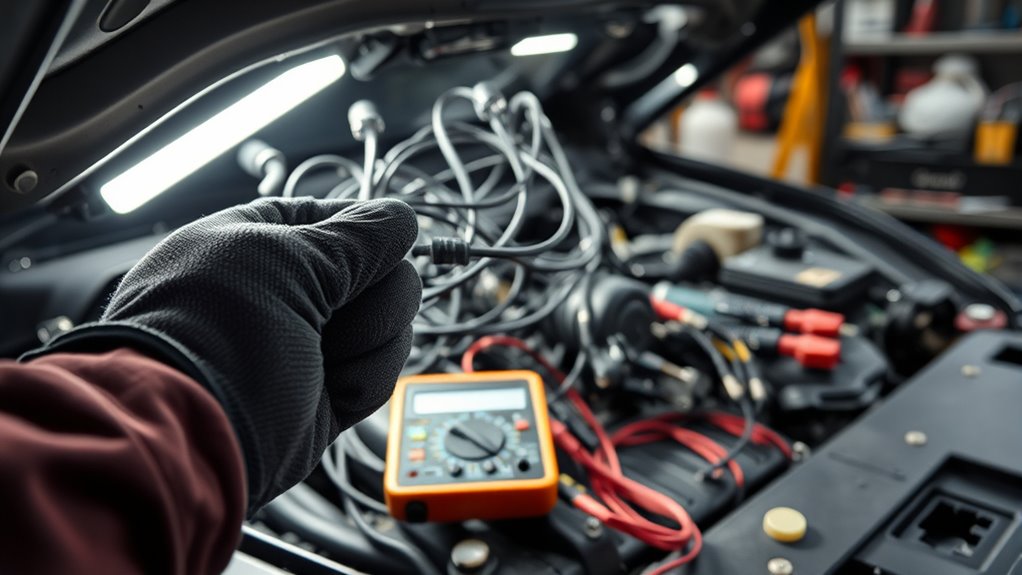
Many technicians assume that a no-start condition is always caused by an electrical issue, but this isn’t necessarily the case. Problems in the fuel system, like a clogged fuel filter or failing pump, can prevent the engine from starting even if the electrical system checks out. Similarly, incorrect engine timing can cause a no-start condition, especially in interference engines where precise timing is critical. If the timing belt or chain is slipped or broken, the engine won’t fire correctly, regardless of electrical health. Understanding engine timing and the importance of proper synchronization is crucial, as it can be a common overlooked factor in no-start scenarios. Focusing solely on electrical components might lead you to overlook these mechanical or fuel-related issues. Always consider the entire system, including fuel delivery and engine timing, before concluding that an electrical fault is the root cause.
Misinterpreting Diagnostic Codes and Their Significance
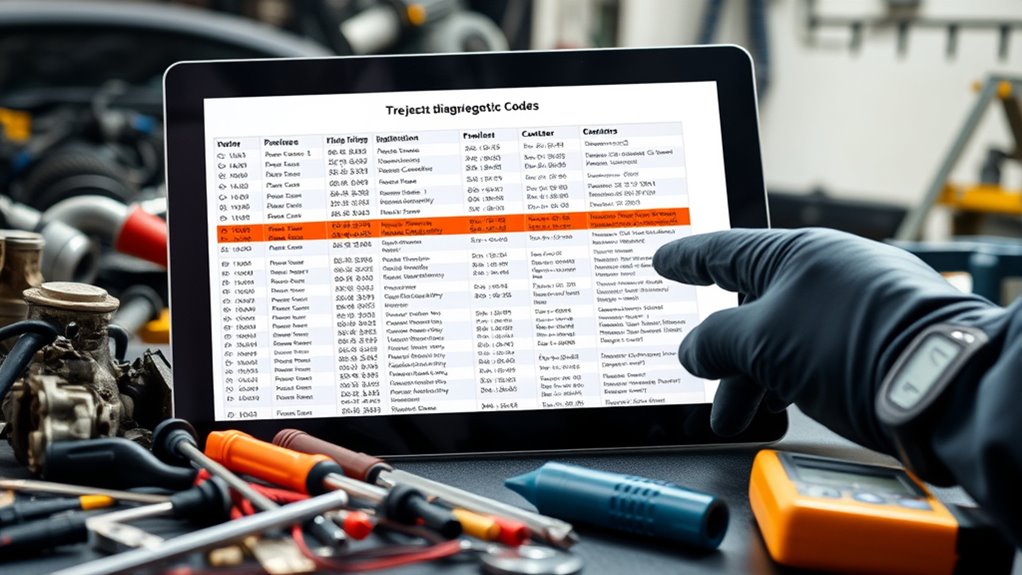
Diagnostic codes are valuable tools, but they can also be misleading if not properly understood. A code indicating a spark plug issue might seem straightforward, but it could stem from a faulty starter relay or wiring problem. Misinterpreting these codes can lead you astray, wasting time replacing parts that aren’t the root cause. For example, a code pointing to a spark plug might actually be due to a weak signal from a failing starter relay. It’s essential to verify the context and test components before jumping to conclusions. Relying solely on codes without further diagnosis risks overlooking simple fixes. Additionally, understanding cybersecurity vulnerabilities related to diagnostic tools and vehicle systems is crucial as modern diagnostics become more connected.
Neglecting the Impact of Security Systems on Starting
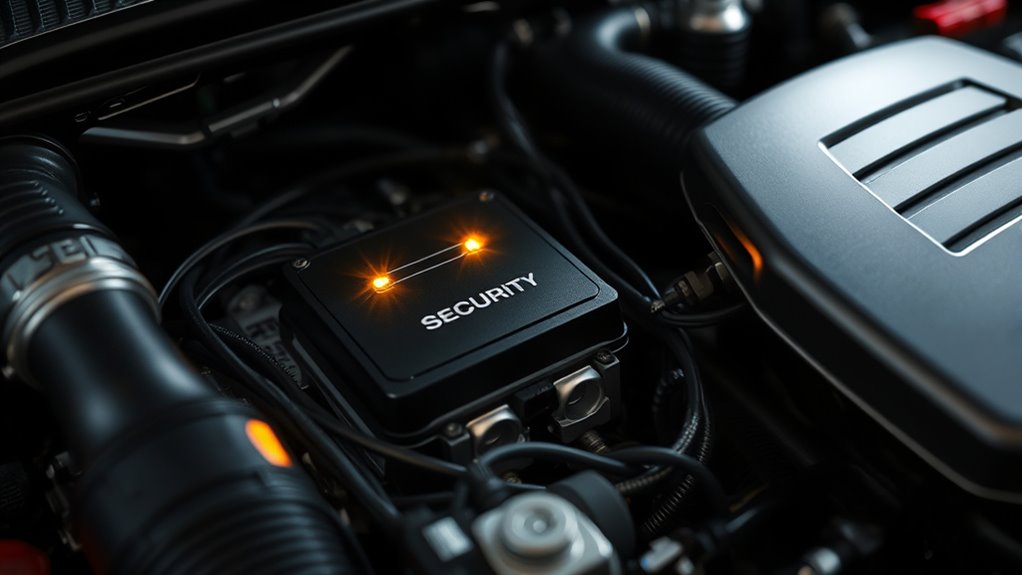
Security systems can prevent your vehicle from starting without warning, even if the engine and electrical components are functioning correctly. Modern security systems often include immobilizers designed to prevent theft, but they can also cause starting issues if they malfunction or experience interference. Immobilizer interference occurs when the system fails to recognize your key or signals, blocking the engine from starting. Sometimes, a simple key fob battery change or reprogramming resolves the problem, but other times, the security system’s fault may be overlooked. Ignoring the impact of the security system can lead to unnecessary parts replacements or misdiagnoses. Additionally, interference from external sources such as nearby electronic devices can disrupt the security system’s operation. Always consider whether the security system might be interfering with starting before jumping to more complex or costly repairs.
Underestimating the Value of Simple Visual Inspections
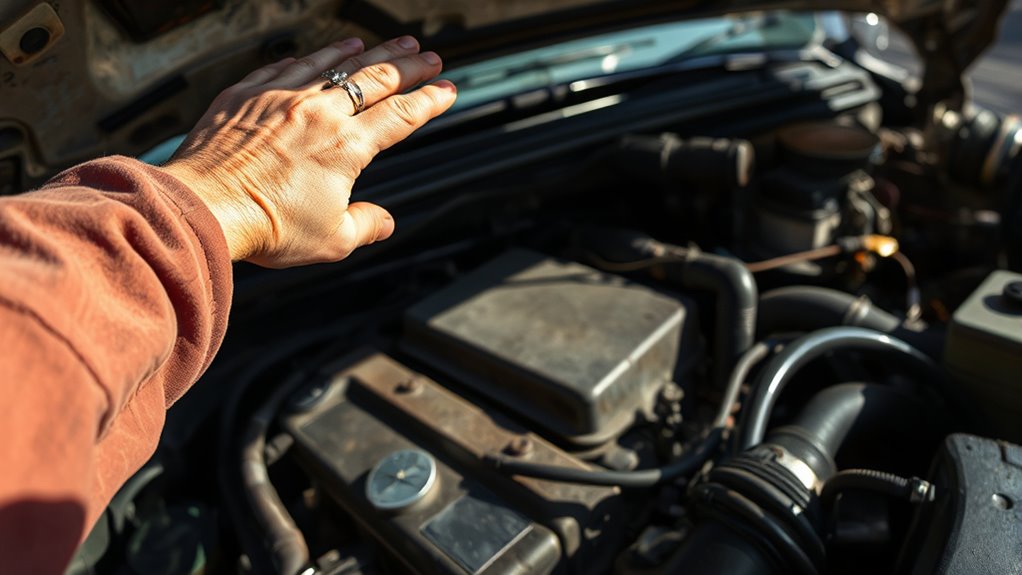
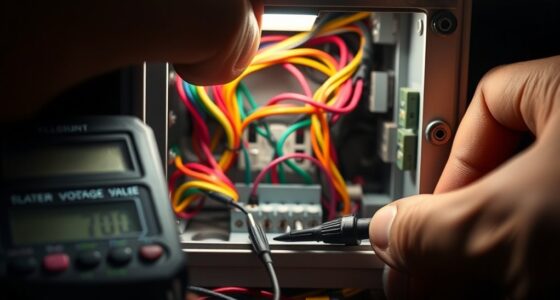
Often, the simplest issues are the ones you overlook first. A quick visual inspection can reveal obvious problems that simple diagnostics might miss, saving you time and effort. Many technicians underestimate how much you can learn from just looking at the engine bay or wiring. Ignoring this step means missing clues like loose connections, damaged wires, or corroded terminals. Conducting a thorough visual inspection is a vital part of diagnosing no-start conditions effectively. Don’t dismiss it as unnecessary; it’s often the first line of defense before diving into complex tests. By paying attention to these visual cues, you can identify simple fixes that restore functionality quickly. Proper visual assessment can often prevent unnecessary testing and troubleshooting.
Frequently Asked Questions
How Can I Tell if the Starter Motor Is Truly Faulty?
You can tell if the starter motor is truly faulty by performing starter motor testing with basic electrical diagnostic techniques. First, check for power at the starter when turning the key; if there’s voltage but the motor doesn’t spin, the starter may be defective. You can also listen for a clicking sound, indicating engagement issues. Using a multimeter or test light helps confirm if the starter motor is receiving proper electrical signals.
Can a Weak Battery Cause Starting Issues Even if It Tests Fine?
A weak battery can definitely cause starting issues even if it tests fine on a quick check. Your battery’s health might conceal subtle problems, like inconsistent voltage fluctuations, that prevent your engine from turning over smoothly. Think of it like a marathon runner with great stamina but a tiny, unnoticed injury—they look fine but can’t perform at full strength. Always make sure your battery maintains steady voltage to avoid unexpected starting problems.
What Role Does the Ignition Switch Play in Electrical Failures?
The ignition switch function is vital because it controls power to your vehicle’s electrical system. If it’s faulty, it can cause electrical failures that prevent your car from starting. Common causes include worn contacts or internal damage, which disrupt the flow of electricity. When the ignition switch fails, you might experience no response when turning the key, making it a key culprit in electrical failure causes and no-start issues.
Are Some No-Start Conditions Caused by Environmental Factors?
You might notice your vehicle won’t start during sudden weather changes, revealing how environmental factors like weather sensitivity and climate influences can cause no-start conditions. Extreme cold can thicken fuel or battery fluid, while heat may cause electrical components to overheat. Humidity fosters corrosion, disrupting circuits. These climate influences unexpectedly interfere with your vehicle’s startup, reminding you that environmental factors aren’t just background noise—they can directly impact your vehicle’s ability to start.
How Do Security Systems Interfere With Vehicle Starting Processes?
Security systems like alarm systems and immobilizers can interfere with your vehicle starting process. When these systems detect a problem or malfunction, they might disable the engine, preventing it from starting. Sometimes, immobilizer interference occurs if the key isn’t recognized or if there’s a fault in the security system. To fix this, guarantee your key is programmed correctly, and check for any security system errors that might be blocking the start.
Conclusion
Now that you’re aware of these common misconceptions, you can approach no-start diagnostics with confidence. Don’t fall into the trap of thinking it’s always a complex problem—you might be overlooking something simple. Remember, sometimes the solution is right under your nose, so stay thorough and patient. With a clear understanding, you’ll avoid barking up the wrong tree and get your vehicle back on the road faster than you think.
Evergreen bestsellers Picks
bestsellers
As an affiliate, we earn on qualifying purchases.