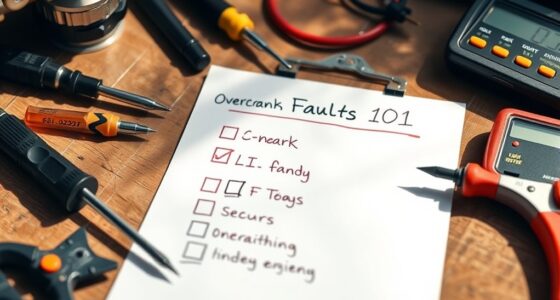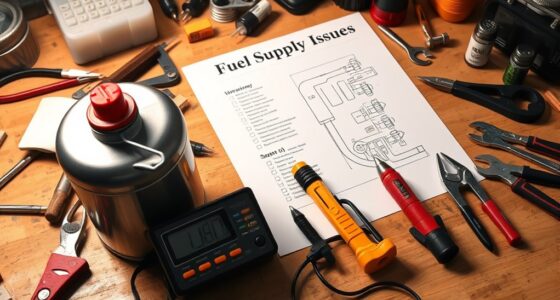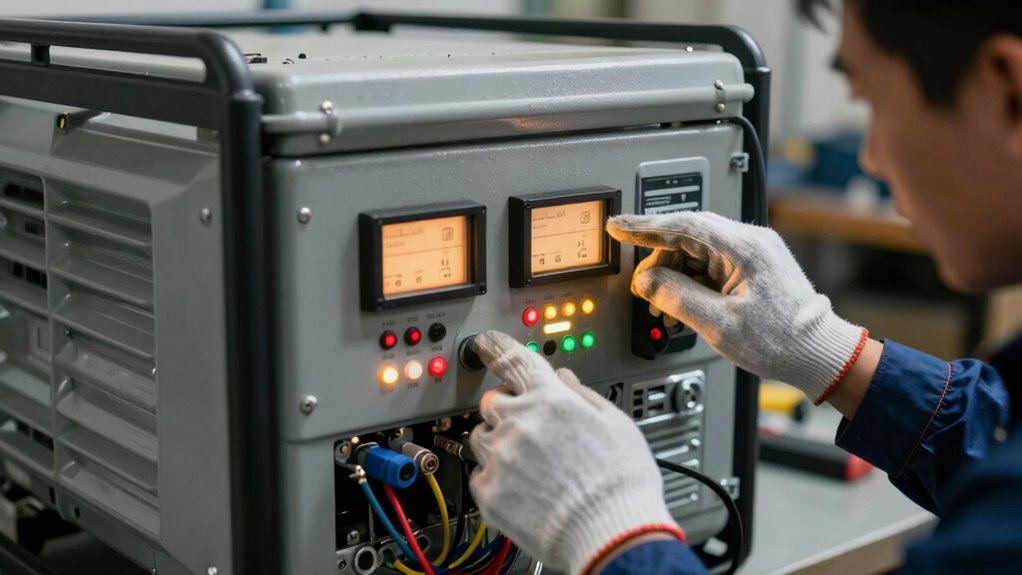

If your generator shuts down after just a few minutes, start by checking for fuel contamination, such as dirt or water, which can clog filters or injectors and cause poor combustion. Make certain you’re not overloadsing the generator by disconnecting excess devices and confirm the cooling system is working properly to prevent overheating. Regular maintenance, including inspecting fuel and cooling components, can prevent these issues. For more tips on troubleshooting shutdowns quickly, keep exploring the solutions that follow.

Get backup power and energy gear delivered free with Prime
- Fast, free delivery on millions of items
- Prime Video, Amazon Music and more included
- Member-only deals all year
Key Takeaways
- Check for fuel contamination and ensure the fuel is clean, water-free, and filters are unclogged.
- Verify the generator is not overloaded by matching connected devices’ wattage to capacity.
- Inspect cooling systems for proper operation to prevent overheating and automatic shutdowns.
- Examine fuel lines and filters regularly for blockages or debris that may cause fuel delivery issues.
- Ensure proper fuel storage and use high-quality fuel to avoid contamination-related shutdowns.
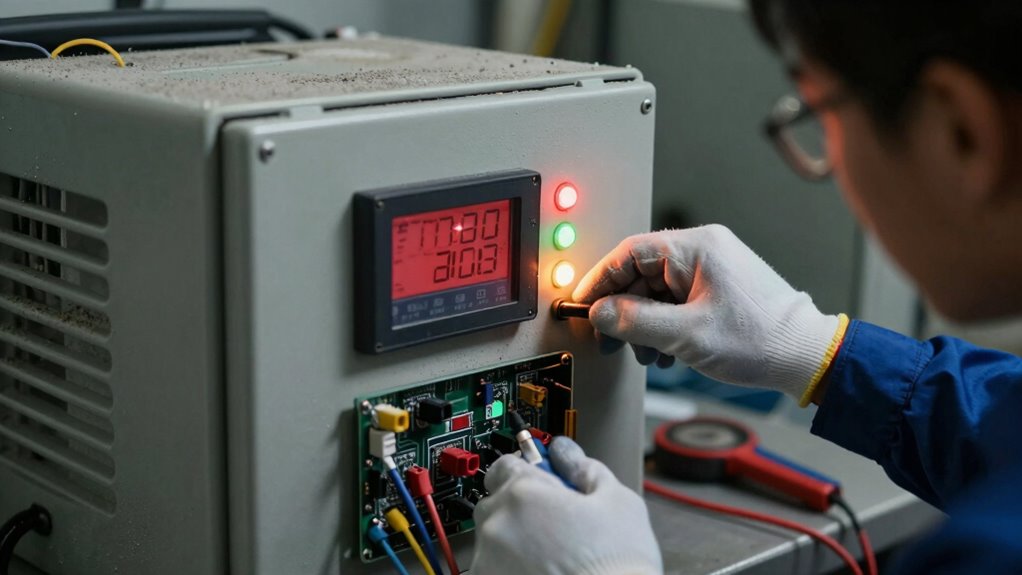
Have you ever been caught off guard when your generator suddenly shuts down? It’s frustrating, especially when you’re relying on it during a power outage or for critical operations. One common reason for this issue is fuel contamination. When your fuel isn’t clean, it can clog the fuel filter or injectors, causing inconsistent fuel flow. Contaminants like dirt, water, or old fuel settle at the bottom of the tank or mix with the fuel, leading to poor combustion. As your generator runs, these impurities might cause it to sputter or run briefly before shutting down. To troubleshoot, start by inspecting the fuel tank for water or debris. Drain any old or contaminated fuel and replace it with fresh, clean gasoline or diesel. Also, check the fuel filter—if it’s clogged or dirty, replace it. Confirming your fuel is clean and free of contaminants can considerably reduce shutdowns caused by fuel issues. Additionally, using clean, high-quality fuel can help prevent these problems from occurring in the first place. Regular maintenance of the fuel system, including checking for fuel line blockages, is also essential to ensure proper fuel flow and prevent shutdowns.
Overloading issues are another frequent culprit. When your generator is pushed beyond its capacity, it strains the engine, which can lead to overheating and automatic shutdowns for safety. If you notice your generator runs fine initially but then shuts down after a few minutes, overloading might be the cause. To diagnose this, review the power demands of your connected appliances or equipment. Make sure the total wattage doesn’t exceed your generator’s rated capacity. If it does, disconnect some devices or switch to a generator with a higher wattage rating. Also, verify the circuit breaker is not tripped, as this is often a sign of overload. Distributing the load more evenly or reducing the number of devices connected at once can help your generator run longer without shutting down. Regularly checking the generator’s cooling system and ensuring it is functioning properly can also prevent overheating and shutdowns.
Frequently Asked Questions
Can a Faulty Fuel Valve Cause Generator Shutdowns?
Yes, a faulty fuel valve can cause generator shutdowns by disrupting fuel flow. If the valve malfunctions, it might restrict or cut off fuel supply, leading to engine stalling after a few minutes of operation. You should check the fuel valve for any signs of damage or blockage. Ensuring the valve functions correctly helps maintain consistent fuel flow, preventing unexpected shutdowns and keeping your generator running smoothly.
How Does Ambient Temperature Affect Generator Operation?
Ambient temperature affects your generator’s operation mainly through its cooling system and ventilation efficiency. When temperatures are high, your generator may overheat if the cooling system isn’t effective enough or ventilation is poor. This can cause shutdowns or reduced performance. Ensuring proper airflow, maintaining the cooling system, and operating in a shaded, well-ventilated area helps your generator run smoothly, even in extreme temperatures.
Is a Worn-Out Spark Plug Responsible for Short Shutdowns?
A worn-out spark plug can definitely cause short shutdowns, acting like a weak link in your generator’s chain. Spark plug wear leads to ignition problems, making the engine struggle to stay running smoothly. Just like a faulty spark plug, your generator’s performance suffers, causing it to cut out unexpectedly. Regularly inspecting and replacing spark plugs keeps ignition strong, preventing those frustrating quick shutdowns and ensuring reliable power whenever you need it.
Can Inverter Issues Lead to Generator Shutdowns?
Yes, inverter issues can lead to generator shutdowns. If you notice battery corrosion or exhaust blockage, these problems can cause the inverter to malfunction, triggering shutdowns to prevent damage. Regularly check for corrosion around battery terminals and clear any exhaust obstructions. Maintaining your inverter and addressing these issues promptly helps guarantee your generator runs smoothly, avoiding unexpected shutdowns after just a few minutes of operation.
What Role Does Oil Quality Play in Generator Performance?
Think of oil quality as the lifeblood of your generator. If you ignore oil contamination or neglect viscosity issues, it’s like trying to run a marathon with a muddy, thick soup instead of smooth fuel. Poor oil quality hampers lubrication, causing overheating and excessive wear. Regularly check and change your oil to prevent these issues, ensuring your generator runs smoothly, efficiently, and avoids unexpected shutdowns.
Conclusion
So, after all your troubleshooting, it turns out the fix was simple—sometimes the smallest issue, like a loose wire or low oil level, causes the biggest headaches. It’s almost ironic how something so minor can shut down your entire backup power. Next time, don’t overlook the basics first. Remember, in generator troubleshooting, the tiniest detail often holds the key to keeping your power steady—because sometimes, it’s the little things that make the biggest difference.
Columbus Day / Indigenous Peoples' Day Picks
long weekend sales
As an affiliate, we earn on qualifying purchases.