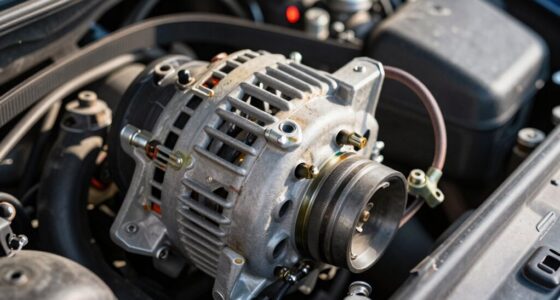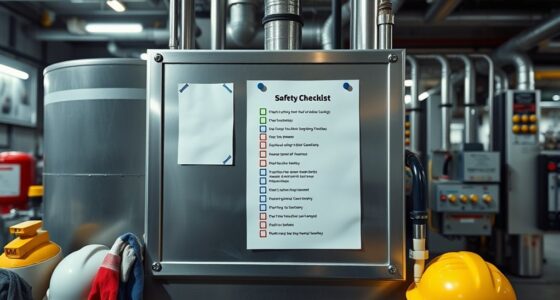
To identify fuel leaks, look for strong fuel odors, visible puddles, wet spots, or stains beneath your vehicle. Use visual inspections and consider UV dye or leak detectors to pinpoint the source. Once found, repair by tightening connections, replacing damaged lines, or fitting new seals. Always work in well-ventilated areas with safety gear. Knowing how to spot and fix leaks helps keep your vehicle safe—discover more tips to prevent future issues.

Get backup power and energy gear delivered free with Prime
- Fast, free delivery on millions of items
- Prime Video, Amazon Music and more included
- Member-only deals all year
Key Takeaways
- Conduct visual inspections for signs like puddles, wet spots, or corrosion around fuel lines and tank areas.
- Use UV dye or leak detectors to accurately locate the source of fuel leaks.
- Replace damaged or cracked fuel lines, seals, or fittings promptly to prevent further leaks.
- Repair or replace leaking fuel tanks, ensuring proper sealing and safety measures.
- Perform follow-up diagnostics to confirm the leak has been fully repaired and the system is secure.
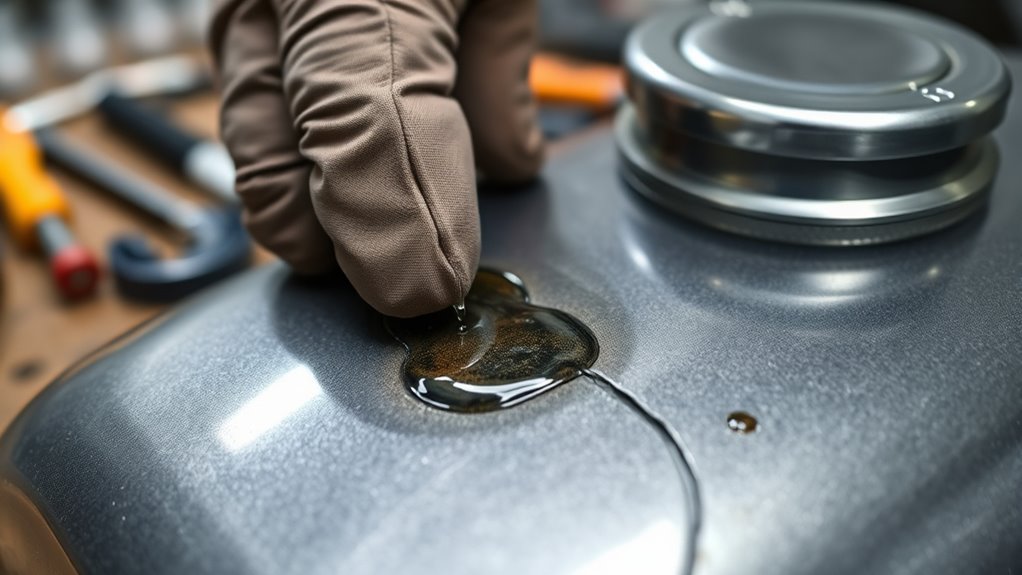
Have you ever noticed a strong smell of fuel or seen a puddle beneath your vehicle? If so, it’s a clear sign that something’s wrong with your fuel system. Fuel leaks are serious issues that require prompt attention. The smell of fuel isn’t just unpleasant; it’s also dangerous because it indicates fuel vapors are escaping, which could lead to fire hazards. When you detect a fuel smell, it’s best to stop driving immediately and investigate the source. You might notice a strong odor around the tank, under the vehicle, or near the engine compartment. Ignoring these signs can lead to more severe damage or dangerous situations down the line.
To start, you need to understand how to identify where the leak is coming from. This is where fuel system diagnostics come into play. A thorough inspection can reveal cracked or damaged fuel lines, faulty fuel injectors, or leaking fuel tanks. During diagnostics, you’ll want to look for visible signs like wet spots, stains, or corrosion around the fuel lines and connections. Sometimes, the leak is subtle, so using a UV dye or a fuel leak detector can help pinpoint the exact source. If you’re not comfortable doing this yourself, it’s wise to consult a professional who can perform a detailed diagnosis. Proper diagnostics save you time and money by locating the issue quickly and accurately. Additionally, understanding the importance of high-quality components can prevent future leaks and ensure your fuel system remains reliable.
Once you’ve identified the leak, repairing it involves replacing damaged parts or tightening loose connections. Fuel lines are often the culprit, especially if they’re cracked or degraded over time. Replacing these parts isn’t overly complicated but requires care due to the flammable nature of fuel. Always work in a well-ventilated area and wear appropriate safety gear. If the fuel tank itself is leaking, it might be necessary to replace the entire tank, which is a more involved repair. Many leaks can be fixed with new seals or fittings, but if the damage is extensive, replacing the entire component is the safest and most effective solution. After repairs, it’s essential to perform another fuel system diagnostics check to ensure that the leak has been completely resolved.
Frequently Asked Questions
How Often Should I Inspect My Fuel System for Leaks?
You should inspect your fuel system for leaks at least once every three months or more frequently if you notice any signs of trouble. Follow a consistent inspection schedule and use effective leak detection techniques like visual checks for wet spots, smell of fuel, or reduced fuel efficiency. Regular inspections help catch leaks early, preventing potential hazards and costly repairs. Stay vigilant and maintain your vehicle’s safety.
Can Fuel Leaks Cause Long-Term Engine Damage?
Fuel leaks can cause long-term engine damage because they lead to fuel system degradation over time. If you notice a fuel odor detection, it’s a sign of potential leaks that, if ignored, may harm your engine’s components and performance. Regular inspections help catch leaks early, preventing costly repairs. Address leaks promptly to maintain engine health and ensure safe driving, avoiding the risks associated with prolonged fuel system issues.
Are There Environmentally Friendly Methods to Repair Fuel Leaks?
Imagine fixing a tiny crack in a delicate glass sculpture; you want a solution that’s gentle yet effective. You can use environmentally friendly methods like bio-based solvents and biodegradable sealants to repair fuel leaks. These eco-conscious options minimize harm to the environment, ensuring you don’t contribute to pollution. They’re safe for your vehicle and the planet, making your repair both responsible and sustainable.
What Safety Precautions Should I Take During Fuel Leak Repairs?
During fuel leak repairs, you should wear protective gear like gloves and goggles to prevent skin and eye contact. Always work in a well-ventilated area to diminish fire hazard risks. Keep a fire extinguisher nearby, and avoid open flames or sparks. Turn off the engine and electrical systems to prevent static or sparks. Stay alert, follow safety procedures closely, and dispose of fuel and materials properly to guarantee safety.
How Can I Prevent Future Fuel Leaks After Repairs?
To prevent future fuel leaks after repairs, you must commit to rigorous repair maintenance and vigilant fuel leak prevention. Regularly inspect fuel lines, clamps, and fittings like your life depends on it—because it kinda does! Use high-quality parts, tighten everything properly, and keep your fuel system clean. Staying proactive and attentive guarantees your vehicle stays leak-free, saving you from costly repairs and dangerous fuel spills down the road.
Conclusion
Think of your vehicle’s fuel system as a delicate river, flowing smoothly when intact. A leak is like a small crack in the bank, threatening to divert or drain the flow. By catching leaks early and repairing them, you’re preserving the river’s health and ensuring the journey continues safely. Treat your fuel system with care, just as you would protect a precious waterway—because neglect can lead to chaos, but vigilance keeps everything running smoothly.
Halloween Picks
halloween
As an affiliate, we earn on qualifying purchases.