
After a power outage, start by guaranteeing safety and confirming all essential services are restored first. Verify data integrity and check for any hardware or system issues before proceeding. Follow manufacturer and organizational guidelines for a controlled, step-by-step restart of systems, monitoring logs for anomalies. Communicate progress and document each action. Once everything is stable and secure, review the process for improvements. Keep going to uncover detailed strategies that ensure a safe and reliable system recovery.
Key Takeaways
- Follow manufacturer guidelines and organizational protocols for sequential system power-up.
- Verify hardware health and perform system diagnostics before restarting critical equipment.
- Conduct data integrity checks and restore from backups if discrepancies are found.
- Monitor system logs and performance metrics during restart to detect early issues.
- Document each step and communicate progress to relevant teams for coordinated recovery.

When a power outage occurs, the immediate priority is to restore essential services and guarantee safety. Once power is back, your focus shifts to carefully restarting systems to prevent further damage or data loss. The first step involves conducting thorough system health checks. These checks help you assess the current state of your infrastructure, identifying any hardware malfunctions, overheating components, or other issues that might have arisen during the outage. It’s imperative to verify that all servers, networking equipment, and backup systems are functioning correctly before proceeding. Skipping this step could lead to system failures or data corruption down the line.
Next, you should perform data integrity verification to ensure that no critical information has been compromised or corrupted during the outage. Data might have become inconsistent or incomplete if power disruptions affected ongoing processes or transaction logs. Running integrity checks on databases, files, and backups allows you to confirm that your data remains reliable and accurate. If discrepancies are found, you’ll need to resolve them promptly, restoring from clean backups if necessary. This step is essential for maintaining trust in your systems and avoiding costly mistakes caused by corrupted data.
Once you’re confident that your hardware is stable and your data is intact, you can proceed with a controlled system restart. Follow manufacturer guidelines and your organization’s protocols to sequentially power up devices, ensuring dependencies are respected. For instance, start with core network components before bringing online user-facing servers. During this process, monitor system logs and performance metrics closely to detect any anomalies early. If issues emerge, address them immediately, rather than rushing to restore full capacity. This careful approach minimizes risks of component failure or further data corruption.
Throughout the recovery process, communication plays an indispensable role. Keep relevant teams informed of progress, especially if troubleshooting or additional repairs are needed. Document each step taken, including system checks and verification results, to create a clear record for post-incident analysis. This documentation will be valuable if similar outages occur in the future and can help refine your recovery procedures. Additionally, leveraging AI-driven security systems can assist in detecting unusual activity early during recovery, enhancing overall resilience.
Finally, after systems are fully operational, perform a thorough review to identify lessons learned. Evaluate the effectiveness of your recovery steps, update contingency plans as needed, and implement preventive measures to reduce the risk of future outages. Recovery isn’t complete until you’re confident that all systems are stable, data is verified, and safety protocols are reinforced. By methodically following these steps, you ensure a resilient, reliable restart that safeguards your infrastructure and data integrity, minimizing downtime and supporting ongoing operations.

Porch Shield Waterproof Universal Generator Cover 38 x 28 x 30 inch - for Most Generators 5500-15000 Watt, Black
Compatible - More sizes for 5500w -15000w gas generator or inverter generator.
As an affiliate, we earn on qualifying purchases.
Frequently Asked Questions
How Can I Prevent Outages Before They Happen?
To prevent outages before they happen, focus on predictive maintenance to identify issues early and address them proactively. Regularly review your system performance and implement redundancy planning to ensure backup systems are ready if primary ones fail. Keep an eye on key metrics, schedule inspections, and update your maintenance protocols. By taking these steps, you diminish the risk of unexpected outages and maintain smooth, reliable operations.
What Are Early Signs of System Failure?
You should watch for failure indicators like unusual system behavior, increased error rates, or slow response times. Predictive analytics can help you spot these early signs by analyzing data trends for anomalies. When you notice these warning signs, it’s vital to investigate further and take preventive actions to avoid full system failure. Staying vigilant with monitoring tools allows you to address issues proactively, minimizing downtime and maintaining system integrity.
How Do I Train Staff for Outage Recovery?
You might think training staff for outage recovery is complex, but simulation drills make it manageable. Regularly practicing these drills guarantees everyone knows communication protocols and their roles, reducing panic during actual outages. Emphasize clear, concise communication and teamwork in training sessions. Use real-world scenarios to build confidence, and review procedures consistently. This proactive approach helps your team respond swiftly and safely, minimizing downtime and damage during outages.
What Tools Assist in Outage Detection?
You can use automated monitoring tools to detect outages quickly by continuously tracking system performance and alerting you to anomalies. Diagnostic tools help identify the root cause once an issue is detected, enabling faster response. These tools work together to minimize downtime, improve detection accuracy, and streamline recovery efforts, ensuring you address problems promptly and keep your systems running smoothly. Stay proactive with the right detection tools to prevent extended outages.
How Do Recovery Procedures Differ Across Industries?
Did you know that 60% of companies experience cross-sector compliance issues during recovery? Your recovery procedures vary by industry because of industry-specific protocols that address unique risks and regulations. For example, healthcare prioritizes patient safety, while finance emphasizes data security. Understanding these differences helps you tailor your plans, ensuring safe system restart and compliance, regardless of the sector you’re in. This targeted approach minimizes downtime and mitigates regulatory repercussions.

GenArmor Generator Covers While Running, 100% Waterproof Heavy Duty Tarps Generator Tent, Portable Outdoor Generator Enclosure for Most 4000w~13000w Generators, Black, Standard
100% Waterproof Protection: A patented innovation from GenArmor independent design lab, ensuring the safety of your generator covers...
As an affiliate, we earn on qualifying purchases.
Conclusion
Now that you know how to restart your systems safely after an outage, remember that preparation is half the battle. By following proper procedures and staying vigilant, you can get your operations back on track smoothly. Don’t forget, it’s better to be safe than sorry—so take your time and double-check everything. When you’re thorough, you’ll avoid unnecessary setbacks and come out stronger on the other side. After all, a stitch in time saves nine.
Porch Shield Waterproof Universal Generator Cover 32 x 24 x 24 inch - for Most Generators 5000-10000 Watt, Black
Compatible - More sizes for 5000w -10000w gas generator or inverter generator.
As an affiliate, we earn on qualifying purchases.
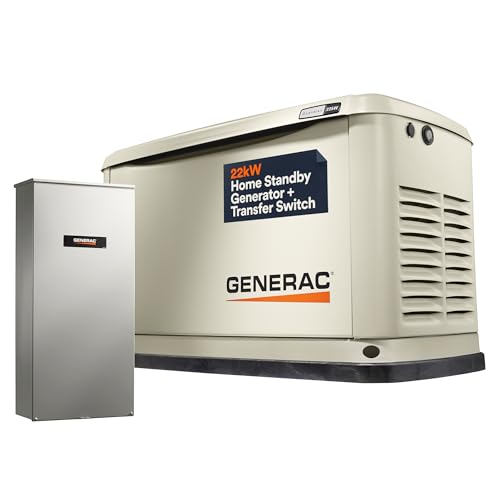
Generac Guardian 22kW Home Standby Generator with 200 Amp Transfer Switch - Automatic Whole House Backup Power for Storms, Emergencies, and Outages, WiFi Enabled, Runs on Natural Gas or Liquid Propane
Remote Monitoring Anywhere: With Generac 7043 22kW Mobile Link Wi-Fi connectivity, effortlessly track generator performance from anywhere. Stay...
As an affiliate, we earn on qualifying purchases.