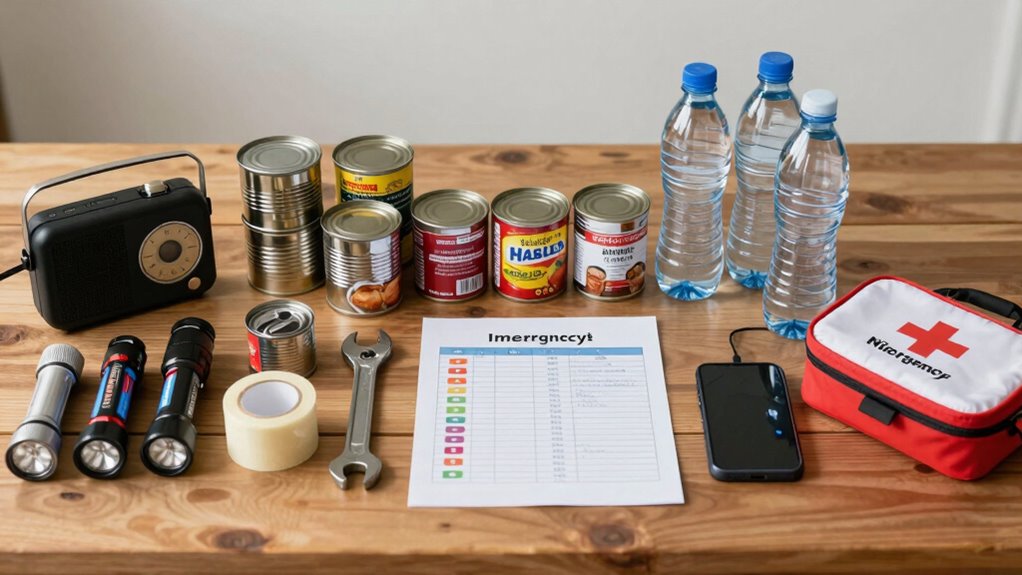

A 72-hour outage playbook should clearly outline your communication protocols, specifying who contacts external agencies and stakeholders, and how updates are delivered via email, messaging apps, or calls. It must include resource management plans, damage assessment procedures, and safety standards to protect your team. Assign roles and responsibilities, establish checklists, and define steps for system recovery. Staying prepared with these essentials guarantees you’re ready to handle the outage effectively—keep exploring to get the full details on each step.

Get backup power and energy gear delivered free with Prime
- Fast, free delivery on millions of items
- Prime Video, Amazon Music and more included
- Member-only deals all year
Key Takeaways
- Clear communication protocols for internal teams and external stakeholders, including emergency contact methods and information dissemination.
- Resource management plans detailing essential supplies, storage locations, and prioritization strategies.
- Damage assessment procedures with safety standards to evaluate impact and hazards during the outage.
- Defined roles, responsibilities, and checklists for critical tasks such as securing equipment and restoring power.
- Recovery procedures outlining steps for system restoration, escalation protocols, and transitioning back to normal operations.

When a power outage or system failure hits, having a clear 72-hour playbook can make all the difference in managing the situation effectively. This playbook serves as your roadmap, guiding you through the critical first days of an outage. It ensures everyone knows exactly what to do, minimizing chaos and confusion. A key component is establishing communication protocols that keep all team members informed. Determine who communicates with external agencies, stakeholders, and customers, and specify how updates are delivered—whether via email, messaging apps, or phone calls. Clear communication protocols prevent misinformation, reduce panic, and keep everyone aligned. Equally important is resource allocation; your playbook should identify essential resources like backup power supplies, fuel, food, water, and medical supplies. Knowing where these are stored and how to distribute them efficiently ensures your team can sustain operations during the outage. It’s vital to prioritize resource allocation based on immediate needs and long-term sustainability, so your team isn’t caught unprepared. Additionally, understanding indoor air quality and potential hazards like dust or microplastics can help you implement measures to maintain a healthy environment even during disruptions. Incorporating health and safety standards into your procedures further safeguards your team during extended outages. Recognizing the importance of color accuracy and proper lighting conditions can also aid in assessing potential risks or damages accurately, especially when visual inspections are necessary. Also, having a plan for emergency communication tools ensures reliable contact methods when traditional systems may be compromised.
Your plan should also include contact information for key personnel, emergency services, utility providers, and vendors. This makes it easier to escalate issues quickly and get support when needed. Additionally, outline procedures for assessing damage and determining the severity of the outage. This helps you allocate resources more effectively and decide whether to implement contingency plans or escalate efforts. It’s also wise to incorporate checklists for critical tasks—such as securing equipment, safeguarding data, and maintaining safety standards—so nothing slips through the cracks during heightened stress.
Another essential aspect is establishing roles and responsibilities. Clarify who is responsible for communication, resource management, technical repairs, and safety oversight. Assigning these roles in advance reduces confusion and ensures each area is covered. Your playbook should also include recovery procedures, such as how to restore power or systems once the outage is over. This helps you transition smoothly from emergency response to normal operations. Don’t forget to incorporate training and simulation exercises; these prepare your team to execute the plan confidently under pressure.
Ultimately, a well-crafted 72-hour outage playbook is about clarity and preparedness. By defining communication protocols, resource allocation strategies, roles, and recovery plans, you help your team act swiftly and decisively. This structured approach minimizes downtime, protects assets, and keeps everyone safe. In unpredictable situations, your playbook becomes your most reliable tool—guiding you through the chaos with confidence.
Frequently Asked Questions
How Often Should the Playbook Be Reviewed and Updated?
You should review and update your outage playbook at least every six months, or more often if there’s a significant change in your systems or operations. Regular reviews guarantee your risk assessment and contingency planning stay current, helping you respond effectively during an outage. Incorporating feedback from drills or actual events can also refine your procedures, making sure you’re prepared to minimize downtime and protect your critical assets.
Who Should Be Responsible for Executing Each Playbook Step?
You should assign specific roles to team members responsible for executing each playbook step, ensuring clear accountability. During incident escalation, designate who leads communication and technical responses. Regular team training is essential to familiarize everyone with their responsibilities, which helps streamline actions during outages. By defining these roles and conducting ongoing training, you empower your team to act swiftly and effectively, minimizing downtime and ensuring a coordinated response during a 72-hour outage.
How Do You Coordinate With External Vendors During an Outage?
You coordinate with external vendors by establishing clear vendor collaboration protocols and defining escalation procedures beforehand. During an outage, contact vendors promptly through designated channels, share relevant incident details, and keep communication transparent. Make certain everyone understands their roles, including when to escalate issues if resolution stalls. Regular updates and documentation help maintain alignment, reducing delays and ensuring swift resolution of the outage.
What Communication Methods Are Most Effective During an Outage?
During an outage, you should prioritize emergency messaging via multiple channels like SMS, email, and social media to guarantee quick, broad reach. Use real-time updates to keep stakeholders engaged and informed. Consistent, transparent communication fosters trust and minimizes confusion. You also need to monitor feedback actively, adjusting your messaging as needed. This approach guarantees that stakeholder engagement remains strong, and everyone stays updated throughout the outage.
How Do You Document Lessons Learned After an Outage?
You document lessons learned after an outage through a thorough post-outage analysis, capturing what went well and what didn’t. You gather input from all involved teams, review incident logs, and identify root causes. Use this information to update your procedures and foster continuous improvement. Sharing findings transparently helps prevent future issues, ensuring your team learns and grows stronger from each outage experience.
Conclusion
In a 72-hour outage, having a clear playbook keeps you focused and efficient. For example, if a data center goes down unexpectedly, your playbook guides you through immediate communication, prioritizing critical systems, and coordinating recovery efforts. This structured approach minimizes downtime, reduces stress, and helps you get back online faster. By preparing now, you guarantee you’re ready to handle any disruption confidently, keeping your operations resilient and your team aligned during those vital first days.
Fall Picks
fall essentials
As an affiliate, we earn on qualifying purchases.