To secure enclosures and prevent theft, start by identifying your main risks and using sturdy materials like metal or high-quality plastics. Use reliable locks and reinforce entry points with tamper-proof hinges. Add surveillance cameras and digital controls where possible. Keep valuables out of sight and mark tools for easy identification. Regularly inspect and update your security measures for ongoing protection. If you want practical steps to enhance your security, this guide will show you how.

Get backup power and energy gear delivered free with Prime
- Fast, free delivery on millions of items
- Prime Video, Amazon Music and more included
- Member-only deals all year
Key Takeaways
- Assess threats and prioritize physical and digital security measures accordingly.
- Choose durable, tamper-resistant enclosure materials and reinforce entry points effectively.
- Use sturdy locks and surveillance technology to deter theft and monitor secure areas.
- Mark valuables for easy identification and implement layered physical and digital security controls.
- Regularly maintain, review, and adapt security protocols to ensure ongoing protection.
Top picks for "nonsense secur enclosur"
As an affiliate, we earn on qualifying purchases.
Assessing Your Security Needs and Risks
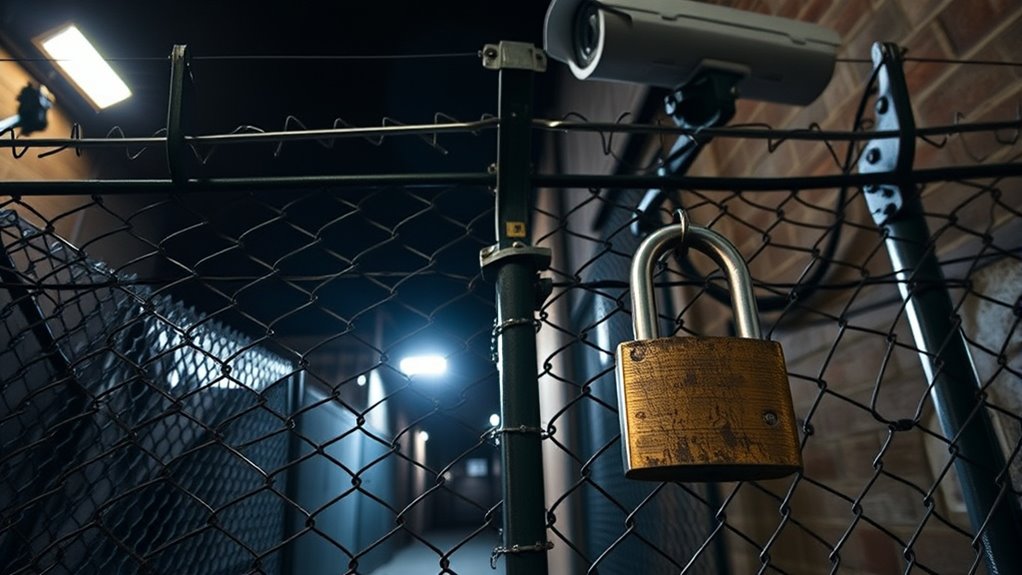
Before you can effectively secure your enclosures, you need to identify the specific threats and vulnerabilities they face. Start by appraising what risks are most relevant—are theft, vandalism, or environmental damage your main concerns? Understanding these risks helps you prioritize security measures and consider insurance considerations. Check if your current coverage protects against potential losses or if you need additional policies. Additionally, explore community security programs that can enhance safety through neighborhood watch groups, security patrols, or shared resources. These programs can deter criminals and provide valuable support. Be aware that AI cybersecurity jobs are increasingly important in protecting digital assets from emerging threats. By evaluating your security needs and risks thoroughly, you ensure your enclosures are protected efficiently and cost-effectively, giving you peace of mind and reducing potential financial losses.
Choosing the Right Enclosure Materials
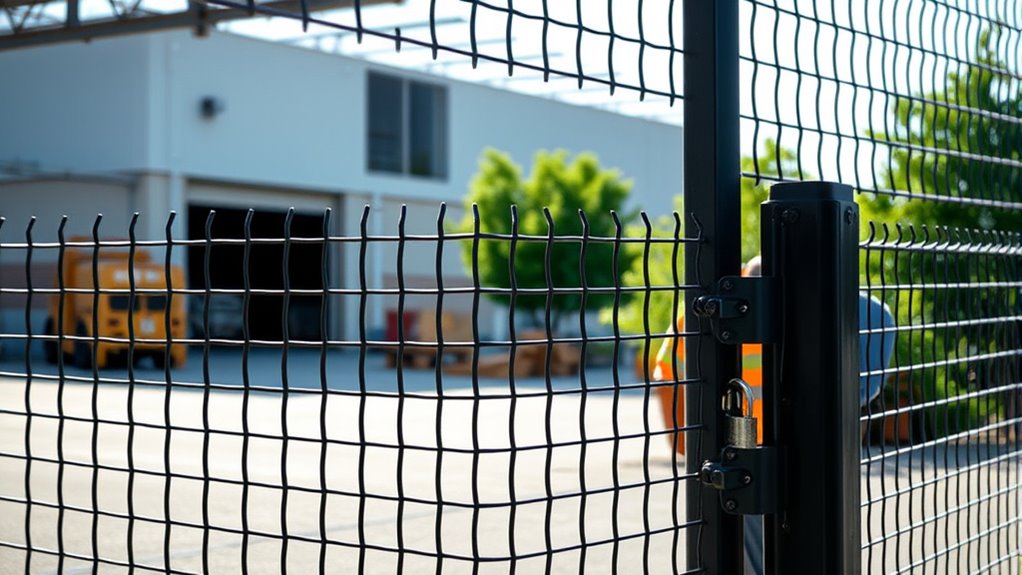
When choosing enclosure materials, you need to consider how durable they are against tampering and weather conditions. Balancing cost and accessibility is also vital, as higher-quality materials may come with a bigger price tag or limited availability. Making the right choice guarantees your enclosure offers effective protection without overspending. For instance, selecting Vetted options like robust metal or high-grade plastics can enhance security and longevity.
Material Durability Factors
Selecting the right enclosure materials is crucial for guaranteeing durability and long-term security. You need materials with strong resilience against physical impacts and environmental resistance to withstand weather, corrosion, and vandalism. Material resilience ensures your enclosure stays intact under stress, while environmental resistance prevents deterioration from elements like moisture, UV rays, and temperature fluctuations. Consider these factors when choosing materials: Material durability is essential for ensuring your enclosure withstands various conditions over time.
Cost and Accessibility
Choosing enclosure materials involves balancing durability with affordability and ease of access. You want options that fit your budget without sacrificing security. Affordable options like plastic or lightweight metals can be effective for DIY security projects, especially if you’re just starting out. These materials are easier to work with, reducing installation costs and complexity. Consider the local availability of materials to ensure quick, cost-effective access. While some sturdy options like steel or aluminum may cost more upfront, they often last longer and provide better theft prevention. Ultimately, your choice depends on your specific needs, budget, and skill level. Prioritize materials that offer a good mix of security, accessibility, and affordability for a practical, beginner-friendly solution. Additionally, materials range from ceramic to recycled products, offering environmentally friendly options that can also enhance your enclosure’s security and aesthetic appeal.
Basic Locks and How to Use Them Effectively

Basic locks are the foundation of enclosure security and can be highly effective when used correctly. To maximize their effectiveness, start with proper padlock selection. Choose a sturdy, weather-resistant lock that matches the level of security you need. Avoid cheap or easily cut locks. Next, focus on lock placement—install the padlock where it’s difficult for intruders to access or tamper with. Position the lock so it’s not exposed to prying tools or excessive force. Always ensure the lock fully secures the latch or hasp, preventing easy bypass. Regularly inspect locks for wear or damage and replace them promptly if needed. Proper padlock selection combined with strategic lock placement greatly enhances your enclosure’s security, deterring theft and unauthorized access. Additionally, understanding security features of the lock can provide extra protection against tampering.
Reinforcing Entry Points for Better Protection
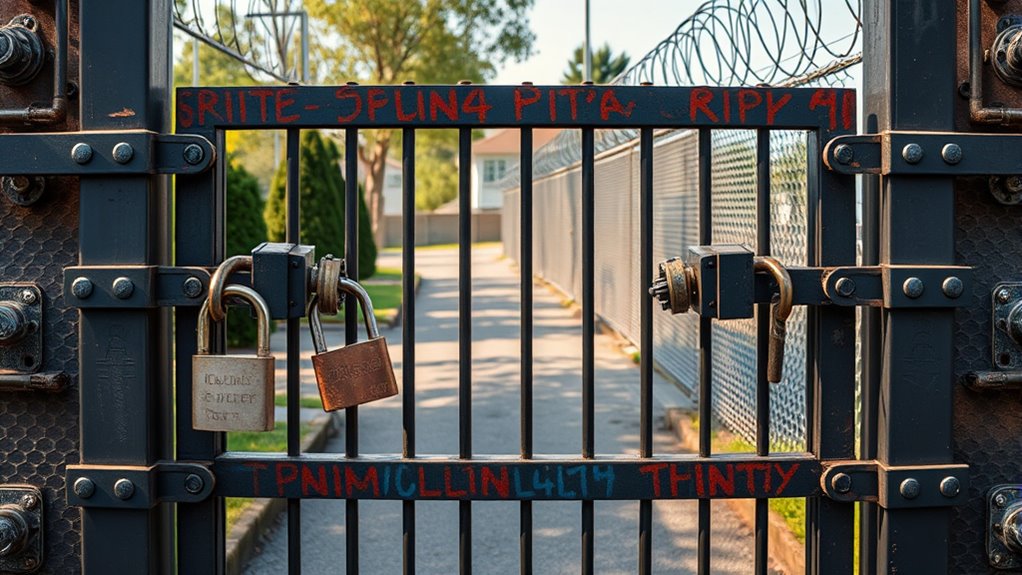
Reinforcing entry points is vital to prevent unauthorized access and improve overall security. Start by choosing the right padlock for your needs; a high-quality, weatherproof lock provides better resistance against tampering. When selecting a padlock, consider its strength, shackle size, and security features like anti-cut or pick-resistant mechanisms. Additionally, hinge reinforcement is essential—upgrade weak hinges with heavy-duty, tamper-proof hinges or add metal plates to prevent forced entry through hinges. Consistent maintenance, such as lubricating locks and checking for rust or damage, guarantees your reinforcement stays effective. By carefully selecting the right padlock and reinforcing hinges, you greatly increase the security of your enclosure and make unauthorized access much more difficult. Both the choice of lock and hinge reinforcement are supported by research indicating their effectiveness in security measures.
Installing Surveillance and Monitoring Devices
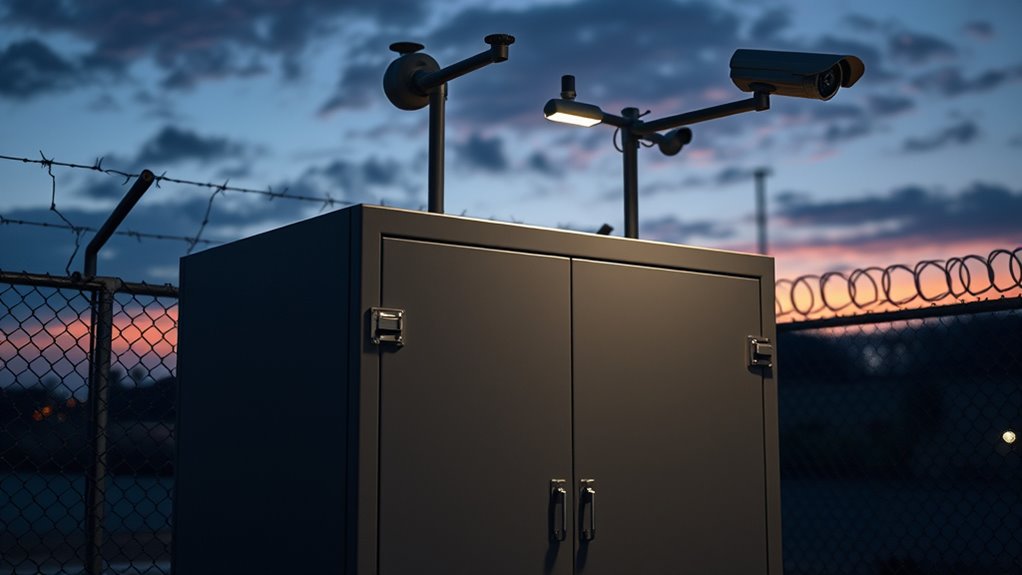
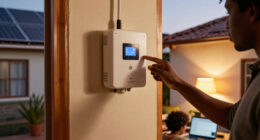
Installing surveillance and monitoring devices builds on your efforts to reinforce entry points by providing real-time oversight and early warning capabilities. Wireless cameras let you monitor your enclosure remotely, giving you flexibility and quick response options. Motion sensors detect movement and trigger alerts, helping you catch intruders early. To maximize effectiveness, consider the following:
- Position wireless cameras at key entry points and blind spots
- Use motion sensors near vulnerable areas
- Opt for weatherproof cameras for outdoor use
- Regularly check camera footage and sensor functionality
- Integrate devices with your security system for seamless alerts
- Ensure your surveillance setup includes essential oils that can help maintain a calm environment, which may aid in reducing stress during security incidents.
These tools enhance your security setup, making it harder for thieves to go unnoticed and allowing you to act swiftly if needed. Proper installation and maintenance are essential for long-term protection.
Implementing Simple Alarm Systems and Alerts

Since you want quick and effective protection, implementing simple alarm systems and alerts is a crucial step in your security plan. Start by choosing basic alarm systems that include motion sensors to detect movement around your enclosure. Proper alarm placement is key—install sensors at entry points, such as gates and doors, as well as in areas prone to activity. Confirm the sensors are positioned to cover blind spots and high-traffic zones. When triggered, these alarms will alert you immediately, allowing swift response to potential threats. Keep the system straightforward for easy operation, and test it regularly to confirm functionality. Simple alarms and well-placed motion sensors provide reliable, instant alerts, dramatically reducing the chances of theft or intrusion. Incorporating security awareness into your routine helps ensure you remain vigilant and responsive to any suspicious activity.
Tips for Securing Tools and Portable Items
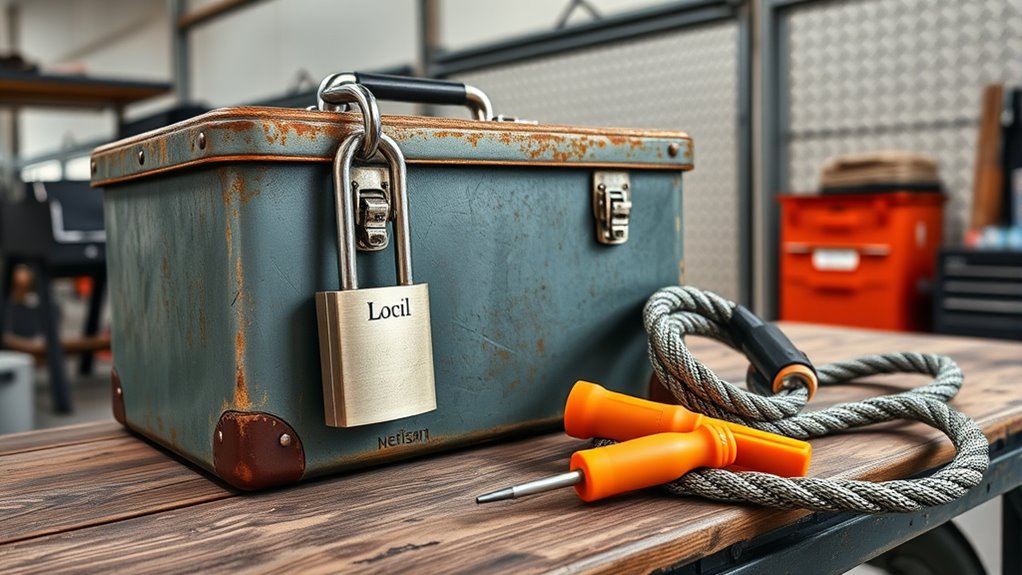
To prevent theft of tools and portable items, you need to take proactive steps to secure them effectively. Use theft deterrents like sturdy lockboxes or cable locks to make theft difficult. Limit digital access by controlling who can track or *release* your tools remotely. Always keep valuables out of sight and secure in locked containers when not in use. Mark your tools with engravings or unique identifiers to deter thieves and aid recovery. Keep an inventory of your portable items for quick identification. Regularly review your security measures to *assure* they’re effective. Remember, combining physical security with digital access controls creates a stronger barrier against theft. Additionally, understanding the horsepower of electric dirt bikes can help you better assess the value and security needs of your equipment. Staying vigilant and proactive is key to keeping your tools safe and secure.
Regular Maintenance and Review of Security Measures
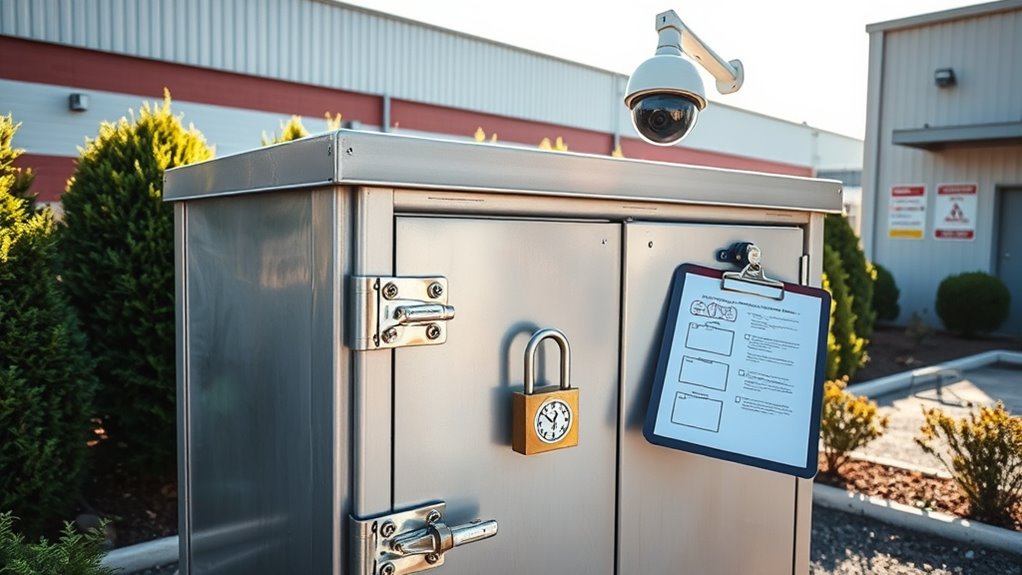
Regularly maintaining and reviewing your security measures guarantees they remain effective over time. Start with an entry point analysis to identify any vulnerabilities that may have developed. Use security audit techniques to assess the strength of your locks, alarms, and surveillance systems. Conduct periodic inspections to ensure all components are functioning correctly and haven’t been compromised. Update your security plans based on new threats or changes to your property. Review access logs and alarm triggers to spot patterns or suspicious activity. Regular checks help you catch potential issues early, preventing theft or damage. Staying proactive with these reviews ensures your security measures adapt to evolving risks, keeping your enclosure protected and your belongings safe. Additionally, understanding security system specifications can help you choose the most reliable components for your setup.
Frequently Asked Questions
What Are Cost-Effective Security Options for Small Enclosures?
You can start with affordable access control options like keypad locks or simple card readers to restrict entry. Installing a basic alarm system, such as motion detectors or door sensors, also deters intruders without breaking the bank. Combining these measures helps protect your small enclosure effectively and economically. Regularly maintaining and updating your security setup guarantees ongoing protection without significant costs, giving you peace of mind.
How Can I Prevent Insider Theft or Sabotage?
Did you know that 75% of insider threats come from current employees? To prevent insider theft or sabotage, implement strict access control and limit access to sensitive areas. Conduct thorough employee background checks before hiring, and monitor employee activity regularly. Foster a strong security culture by training staff on policies and consequences. These steps help you minimize risks and protect your enclosures from internal threats effectively.
Are There Legal Considerations When Installing Surveillance Cameras?
Yes, there are legal considerations when installing surveillance cameras. You need to address privacy concerns by placing cameras only in appropriate areas, avoiding private spaces like restrooms or private homes. Make sure your setup complies with local laws and regulations to avoid legal issues. Clearly inform employees or visitors about the surveillance to promote transparency, and keep recordings secure to protect privacy and maintain legal compliance at all times.
What Are the Signs of Security System Failure?
You’ll notice signs of security system failure if alarms don’t trigger during testing, footage is blurry, or sensors stop working. Regular alarm maintenance is vital to keep your system reliable. Also, make certain signage importance is clear—if signs are missing or unclear, it might indicate neglect or system issues. Stay vigilant, perform routine checks, and update your signage to prevent system failures and maintain effective security.
How Often Should Security Protocols Be Reviewed or Updated?
You should review your security protocols at least every three to six months—more often if you face frequent threats or significant changes. Conduct regular security audits and compliance reviews to catch vulnerabilities early and keep your defenses sharp. Think of it as giving your security system a crucial check-up; neglecting this could leave your enclosures wide open to attack, making it essential to stay vigilant and proactive.
Conclusion
Remember, security is only as strong as your weakest link. By evaluating your risks, choosing the right materials, and staying vigilant with locks, surveillance, and maintenance, you can keep your valuables safe. Don’t wait for trouble to find you—take action now. As the saying goes, “A stitch in time saves nine.” Stay proactive, and you’ll build a fortress that keeps theft at bay and peace of mind within.
Columbus Day / Indigenous Peoples' Day Picks
long weekend sales
As an affiliate, we earn on qualifying purchases.