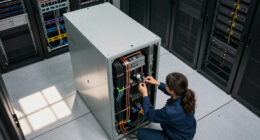
When planning outages for your remote workforce, prioritize strong cybersecurity with multi-factor authentication and regular backups to protect data. Communicate clearly using multiple channels and assign a point person for updates. Have backup tools like alternative messaging apps or phone lines ready, and regularly test your protocols. Building resilience through education and versatile communication methods helps minimize disruptions. Keep exploring these strategies further to guarantee your team stays connected and secure during any outage.

Get backup power and energy gear delivered free with Prime
- Fast, free delivery on millions of items
- Prime Video, Amazon Music and more included
- Member-only deals all year
Key Takeaways
- Develop a comprehensive communication plan utilizing multiple channels and backup tools to keep remote workers informed during outages.
- Implement strong cybersecurity protocols, including multi-factor authentication and regular backups, to protect data and systems.
- Pre-prepare and regularly update FAQs and messaging templates for quick deployment during system disruptions.
- Train remote employees on backup communication methods and cybersecurity best practices to ensure operational continuity.
- Incorporate outage response procedures into the overall business continuity plan and regularly test their effectiveness.

When a major outage hits, remote workers can quickly find themselves cut off from essential tools and information, disrupting your business operations. To minimize this impact, you need a solid outage plan that focuses on cybersecurity protocols and effective employee communication. These elements are pivotal in ensuring your team stays connected, secure, and productive during disruptions. First, establish clear cybersecurity protocols that protect your systems and data during outages. This includes implementing multi-factor authentication, regular backups, and robust firewalls that can withstand cyber threats often exploited during system downtimes. Guaranteeing your remote workers understand and follow these protocols minimizes vulnerabilities and keeps sensitive information safe, even when access to core systems is limited.
Establish cybersecurity protocols to protect systems and data during outages, ensuring remote workers stay secure and operations continue smoothly.
Equally important is a thorough employee communication strategy. When systems go down, your team needs clear, timely updates to understand what’s happening, what actions they should take, and when normal service might resume. Set up multiple communication channels—such as email alerts, instant messaging platforms, and phone calls—to reach all remote employees quickly. Designate a point person or team responsible for disseminating information and answering questions. Being transparent about the outage’s scope and expected resolution builds trust and reduces confusion. Additionally, prepare pre-drafted messages and FAQs that can be quickly customized and sent out to keep everyone informed without delay.
Having a reliable backup plan for communication is essential because outages often disrupt primary channels. Consider using alternative platforms that can operate independently of your main systems. For instance, if your corporate email server is down, having a backup messaging app or a dedicated phone line allows your employees to stay connected. Incorporate regular training sessions to familiarize your team with these backup options, so they’re prepared when an outage occurs. During the incident, encourage your employees to follow established procedures—such as reporting issues immediately and avoiding risky workarounds that could compromise cybersecurity. Additionally, leveraging projector technology concepts, such as portable and versatile communication tools, can further enhance your backup strategies.
Furthermore, integrate these protocols into your business continuity plan, regularly testing and updating them based on the evolving threat landscape and technological advancements. When your team knows exactly what to do and how to communicate during an outage, you reduce downtime and mitigate potential damage. Ultimately, a well-crafted outage plan that emphasizes cybersecurity protocols and employee communication ensures your remote workforce remains resilient, informed, and secure—even amid unexpected disruptions.
Frequently Asked Questions
How Can Remote Workers Access Backup Power During Outages?
During outages, you can access backup power with portable batteries or backup generators. Portable batteries are compact, easy to use, and can power laptops and essential devices quickly. Backup generators, though larger, provide sustained power for longer outages. Keep portable batteries charged and make sure your backup generator is maintained and ready. This way, you stay connected and productive even when the main power goes out.
What Cybersecurity Measures Protect Remote Data During Outages?
During outages, your remote data faces a lightning-fast cyberattack, but encryption protocols and access controls are your protective superheroes. They guard your sensitive information like an impenetrable fortress, ensuring only authorized users can access it. You must implement robust encryption for data in transit and at rest, while strict access controls prevent unauthorized access. This dynamic combination keeps your remote data secure, even when chaos strikes, making your defenses virtually unstoppable.
How Should Remote Teams Communicate During an Outage?
During an outage, you should follow your emergency protocols and rely on established communication channels. Use tools like instant messaging, video calls, and email to keep everyone informed. Make sure your team knows who to contact for updates, and encourage open, clear communication. Regularly share status updates and instructions to guarantee everyone stays aligned. This approach minimizes confusion and keeps remote teams connected during outages.
What Are Legal Considerations for Outage Planning Across Different Regions?
Navigating legal waters is like steering a ship through shifting tides. You need to understand regional compliance laws and keep legal documentation on hand to avoid running aground. Different regions have unique regulations about data privacy, breach notification, and employee rights. Make sure your outage plans respect these rules, or you risk legal storms. Regularly update your knowledge base and consult local experts to stay afloat across all regions.
How to Train Employees for Outage Preparedness Remotely?
You should conduct employee training through engaging online modules and regular communication. Include outage simulations to give your remote workers hands-on experience, helping them respond confidently during actual outages. Encourage questions and feedback to improve understanding. Use clear, concise instructions and verify everyone knows their roles in outage scenarios. Regular drills keep skills sharp, making your team more resilient and prepared for any unexpected disruptions.
Conclusion
By planning ahead, you’re building a safety net that catches your remote team when outages strike. Think of your plan as a lighthouse guiding your employees safely through stormy digital seas. With clear communication and backup systems in place, you turn chaos into calm and keep your business sailing smoothly. Remember, a well-crafted outage plan isn’t just a shield—it’s the sturdy anchor that keeps your remote workforce steady, no matter how rough the waters get.
Fall Picks
fall essentials
As an affiliate, we earn on qualifying purchases.