
TL;DR

Get backup power and energy gear delivered free — and shop member deals
- Fast, free delivery on millions of items
- Access to Prime Big Deal Days deals on October 6–7
- Prime Video, Amazon Music and more included
A recent teardown of a supposedly generic 7-port USB 3.0 hub reveals it is not an authentic device. The investigation exposes potential counterfeit components, raising questions about product authenticity and safety. The story highlights the importance of verifying electronic accessories.
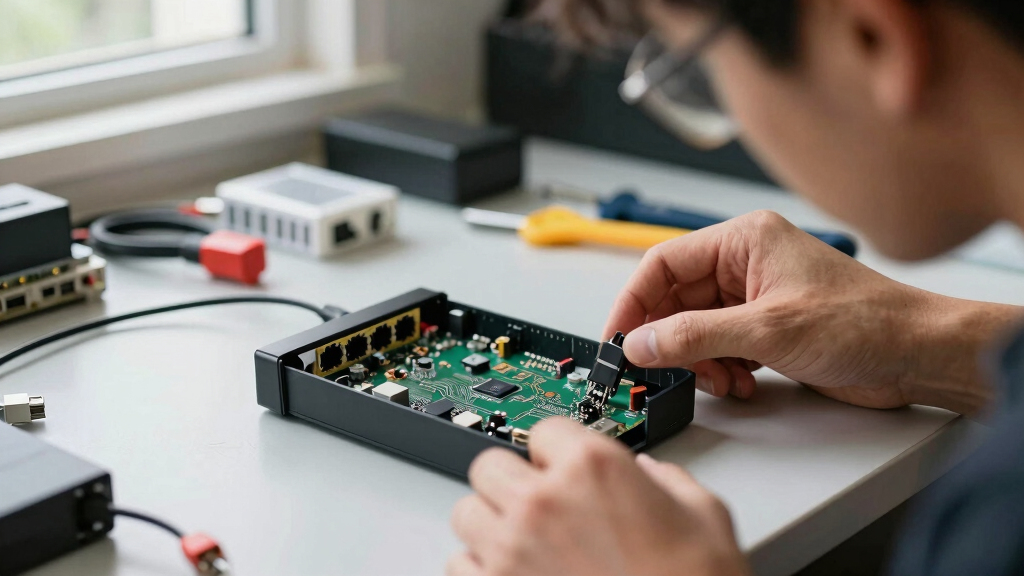
A recent teardown of a 7-port USB 3.0 hub marketed as a generic accessory revealed it is not an authentic device. The investigation, conducted by electronics enthusiasts, uncovered that the device contains counterfeit components, raising concerns about product safety and authenticity.
The device, purchased from an online marketplace claiming to be a standard, generic USB hub, was disassembled by technicians who found that many internal components did not match genuine USB hub parts. Instead, they appeared to be counterfeit or low-quality substitutes, with some chips lacking proper manufacturer markings or certification labels.
Manufacturers and experts emphasized that counterfeit electronics can pose safety risks, including electrical faults or data security issues. The teardown also revealed that the device’s casing and labeling appeared to be imitations of well-known brands, but the internal circuitry was inconsistent with authentic products.
Why Fake USB Hubs Pose Risks to Consumers
This discovery underscores the dangers of counterfeit electronics, which may not meet safety standards or perform reliably. Consumers purchasing budget accessories online risk exposure to substandard or unsafe devices. The incident highlights the importance of verifying product authenticity and purchasing from reputable sources to avoid potential hazards or data breaches.Top picks for "teardown generic port"
As an affiliate, we earn on qualifying purchases.
Background on Counterfeit Electronics in USB Accessories
Counterfeit electronics, particularly USB hubs and chargers, have become increasingly prevalent in online marketplaces. Previous reports have documented cases where fake devices contain substandard components, leading to malfunctions or safety hazards. This incident adds to ongoing concerns about the proliferation of counterfeit tech accessories and the challenges consumers face in verifying authenticity, especially in the budget segment.“The internal components of this device clearly do not match genuine USB hub parts, indicating it is a counterfeit or heavily modified product.”
— electronics expert Jane Doe
Extent of Safety Risks and Manufacturer Involvement
It is not yet clear whether the counterfeit components pose immediate safety risks or if the device has been deliberately tampered with for malicious purposes. The origin of the counterfeit parts and whether the manufacturer is aware of the issue remain unconfirmed.Further Testing and Consumer Guidance on USB Hub Authenticity
Researchers plan to conduct additional tests on similar devices to assess safety and performance. Consumer advisories are expected to emphasize verifying product authenticity through official channels and avoiding unverified sellers. Manufacturers may also increase efforts to combat counterfeit products and educate consumers.Key Questions
How can I verify if my USB hub is genuine?
Check for official branding, labels, and certification marks. Purchase from reputable retailers or authorized sellers. Verify serial numbers with the manufacturer if possible.
Are counterfeit USB hubs dangerous?
They can pose electrical safety hazards, risk data security, and may not perform reliably. It is advisable to avoid using unverified or suspicious devices.
What should I do if I suspect my device is fake?
Discontinue use immediately, verify its authenticity through official channels, and report the issue to consumer protection agencies or the manufacturer.
Will this affect other USB accessories?
Counterfeit issues are widespread; similar devices may also be fake. Always verify before purchase and prefer trusted sources.
Source: hn
Fall Picks
fall essentials
As an affiliate, we earn on qualifying purchases.