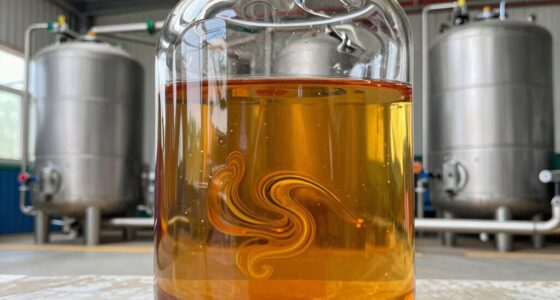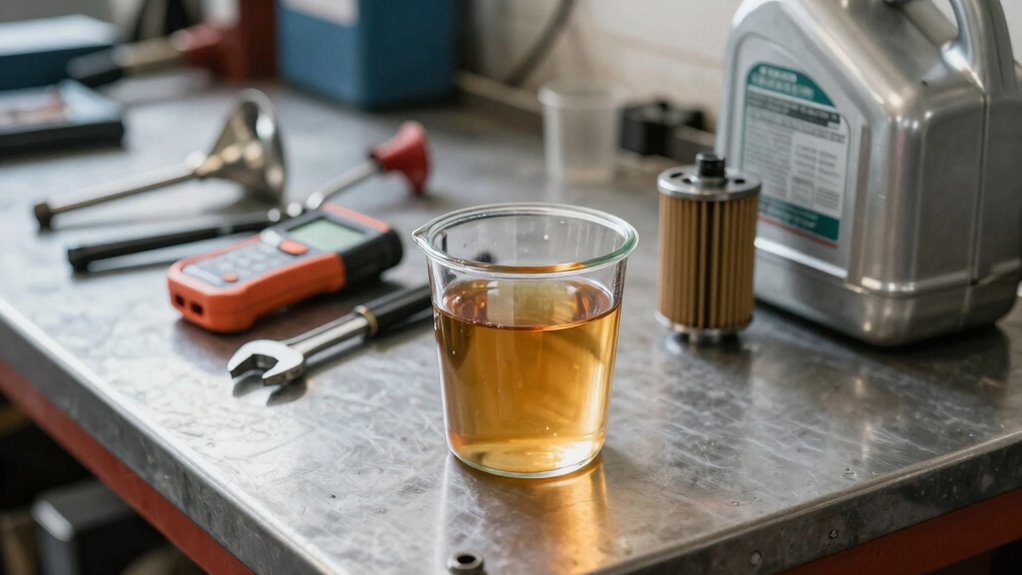

To build a diesel fuel maintenance routine, regularly inspect and replace filters every 10,000 to 15,000 miles, and drain water from separators to avoid contamination. Always purchase fuel from reputable sources and store it in clean, sealed containers in cool, dry places. Conduct periodic tests for water and microbial contamination, and treat fuel as needed with biocides or dispersants. If you keep up these practices, you’ll help guarantee your engine runs smoothly and reliably—learn more about effective strategies below.

Get backup power and energy gear delivered free with Prime
- Fast, free delivery on millions of items
- Prime Video, Amazon Music and more included
- Member-only deals all year
Key Takeaways
- Develop a regular schedule for inspecting and replacing fuel filters based on mileage and manufacturer recommendations.
- Use high-quality fuel from reputable sources and store it properly to prevent contamination.
- Conduct periodic fuel testing for water, microbial growth, and sediment using appropriate test kits.
- Implement contamination prevention practices, such as sealing storage containers and avoiding questionable fueling sources.
- Incorporate routine maintenance tasks into your schedule to ensure engine longevity and optimize fuel system performance.
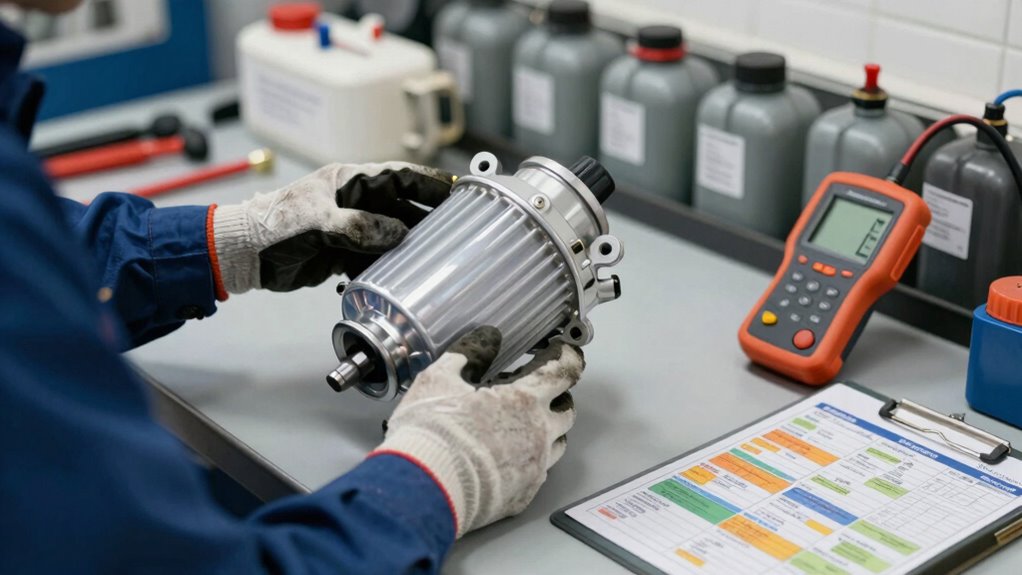
Maintaining clean and reliable diesel fuel is essential for ensuring your engine performs at its best and lasts longer. To do this effectively, you need a solid fuel maintenance routine that emphasizes fuel filtration and contamination control. Dirty or contaminated fuel can cause engine misfires, reduced power, and costly repairs, so staying proactive is key.
Keeping diesel fuel clean ensures optimal engine performance and longevity through effective filtration and contamination prevention.
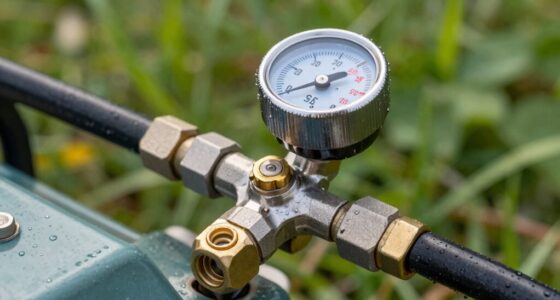
Start by inspecting your fuel filters regularly. These filters trap dirt, water, and other contaminants before they reach your engine. Depending on your equipment or vehicle, replace your primary fuel filter every 10,000 to 15,000 miles or as recommended by the manufacturer. In addition, consider installing a water separator or secondary filter to further prevent water accumulation, which can be a major source of contamination. Water in diesel fuel can cause corrosion and microbial growth, leading to clogged filters and engine damage over time. Regularly draining water from separators and filters keeps contamination levels low and maintains optimal fuel quality.
Contamination control doesn’t stop at replacing filters. You should also practice proper handling and storage of diesel fuel. Always buy fuel from reputable sources, and avoid filling your tank from questionable or contaminated sources. Store fuel in clean, sealed containers designed for diesel storage, and keep them in a cool, dry place to prevent microbial growth and degradation of the fuel. If you notice any discoloration, foul smell, or sediment in stored fuel, dispose of it safely and replace it with fresh fuel. Incorporating fuel testing into your routine allows for early detection of issues that might otherwise go unnoticed. Additionally, using quality fuel from trusted suppliers can significantly reduce the risk of contamination and engine problems. Proper storage practices also help maintain the integrity of the fuel, which is vital for optimal engine performance.
Another important aspect of your routine is fuel testing. Periodically, test your diesel for water content and microbial contamination using test kits. This proactive step helps you identify issues before they escalate and damage your engine. If contamination levels are high, treat your fuel with biocides or water dispersants, following the product instructions carefully. These treatments help maintain contamination control and keep your fuel system clean. Incorporating modern diagnostic tools can further enhance your ability to monitor fuel quality effectively. Moreover, understanding the importance of net worth in your overall financial health can motivate you to invest in reliable fuel solutions and proper maintenance, ultimately saving money in the long run.
Frequently Asked Questions
How Often Should I Check My Diesel Fuel Filters?
You should check your diesel fuel filters every 10,000 to 15,000 miles or as recommended by your vehicle’s manufacturer. Regularly inspecting your fuel system helps prevent dirt and water from clogging filters. Replace filters promptly when you notice signs like reduced engine performance or fuel pressure issues. Routine filter replacement keeps your fuel system clean, ensuring peak engine performance and avoiding costly repairs down the line.
What Signs Indicate Fuel Contamination or Water in the Tank?
You might notice subtle hints like engine hesitations, rough running, or increased fuel consumption, signaling potential issues. Fuel testing can reveal water separation or contamination, especially if cloudy or sediment-laden fuel appears. Keep an eye on your filters and drain water regularly; water in the tank often indicates water separation. Addressing these signs promptly helps prevent engine damage and maintains peak performance.
Are There Specific Additives Recommended for Diesel Fuel?
Yes, certain additives are recommended for diesel fuel to enhance additive effectiveness and fuel stabilization. You should look for additives that contain biocides to prevent microbial growth, antioxidants to reduce oxidation, and cetane improvers to boost ignition quality. Using these additives helps maintain fuel quality, prevent clogging, and improve engine performance. Always follow the manufacturer’s instructions to guarantee proper dosage and maximum benefit for your diesel fuel system.
How Do Temperature Changes Affect Diesel Fuel Maintenance?
Imagine your diesel fuel as a delicate ice sculpture—temperature fluctuations can cause it to crack or degrade. When temperatures drop, fuel stability decreases, leading to gelling or waxing, which blocks filters. Conversely, rising temperatures can accelerate microbial growth. To counteract this, you need to monitor and adapt your maintenance routine, using additives if necessary, to keep fuel stable regardless of weather changes and guarantee your engine runs smoothly.
Can I Perform Maintenance Tasks Myself or Should I Hire a Professional?
You can perform DIY maintenance tasks if you’re comfortable working with diesel systems and have the right tools, but for complex issues or safety concerns, professional servicing is best. Regular inspections, fuel filter changes, and basic cleaning are great DIY projects. However, when it comes to diagnosing problems or handling intricate repairs, hiring a professional guarantees proper maintenance and prevents costly mistakes. Always know your limits for effective diesel fuel maintenance.
Conclusion
By establishing a consistent diesel fuel maintenance routine, you guarantee your engine runs smoothly and avoids costly repairs. For example, imagine a truck fleet that adopted regular fuel filtration and testing—within months, breakdowns dropped markedly, saving thousands. Take proactive steps today, like checking filters and monitoring fuel quality, to keep your diesel engine performing at its best. A little effort now pays off with reliable performance and extended equipment lifespan down the road.
Halloween Picks
halloween
As an affiliate, we earn on qualifying purchases.