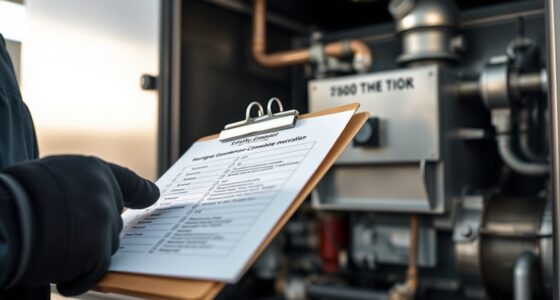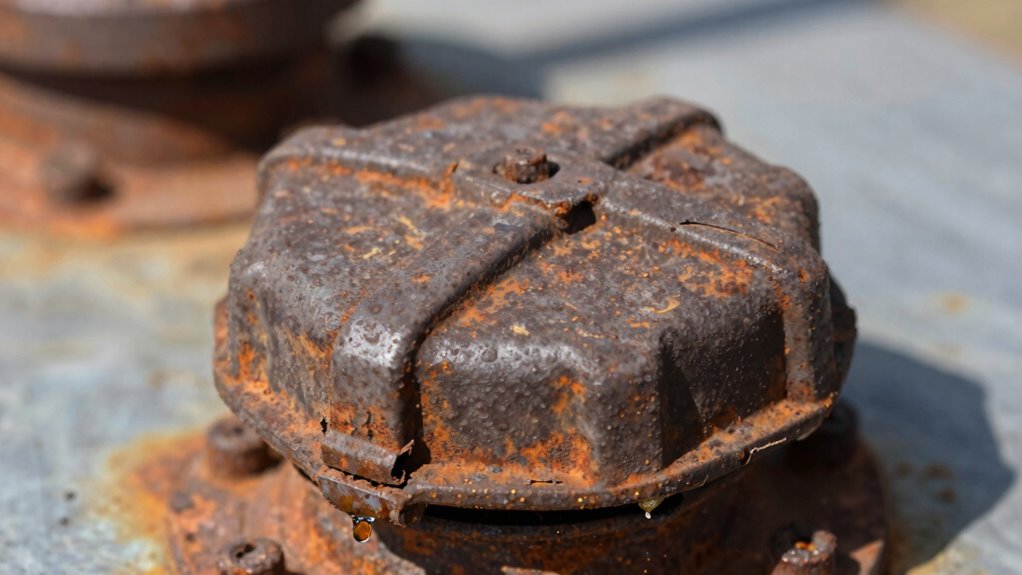

If your fuel tank venting system fails, pressure can build up or escape uncontrollably, leading to leaks, safety hazards, or system damage. Poor venting can cause fuel flow issues and even tank rupture over time. External factors like temperature changes and vibrations make these systems more vulnerable. Regular maintenance and quality components are essential to prevent failures that threaten your vehicle’s safety and environmental compliance. Keep exploring this topic to understand how to guarantee your system stays reliable.

Get backup power and energy gear delivered free with Prime
- Fast, free delivery on millions of items
- Prime Video, Amazon Music and more included
- Member-only deals all year
Key Takeaways
- Clogged or damaged venting systems can cause pressure buildup, risking leaks or tank rupture.
- Inadequate venting leads to vapor leakage, increasing environmental pollution and emission violations.
- Failure of components like valves or charcoal canisters compromises vapor control and safety.
- External environmental factors, such as debris or temperature extremes, can impair venting system reliability.
- Regular maintenance and high-quality materials are essential to prevent long-term venting system failures.
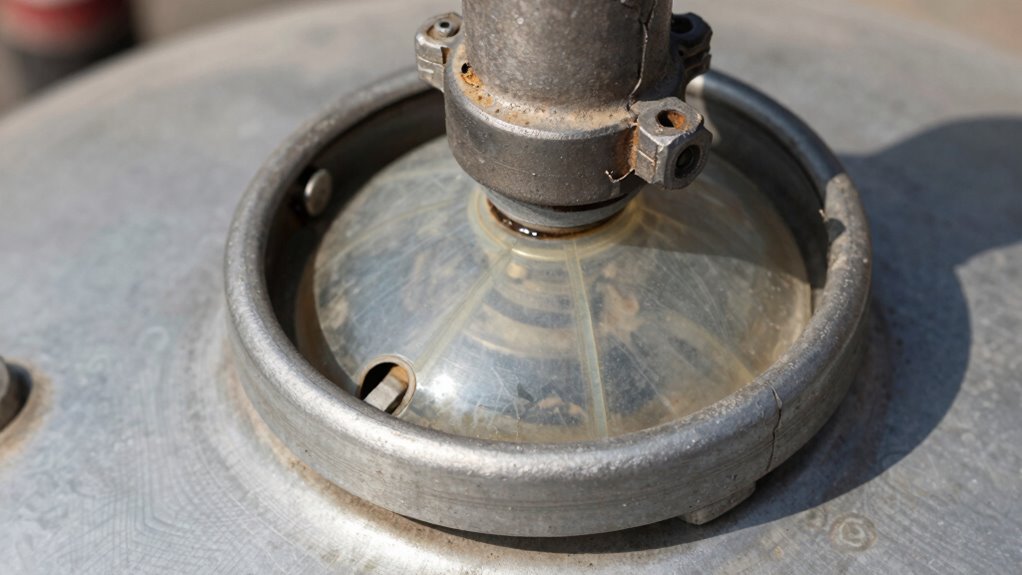
Fuel vapor emissions are a major concern in venting system design. When fuel heats up — say, from sunlight or engine heat — vapors expand and need an escape route. If the venting system isn’t reliable, these vapors can build up pressure, leading to potential leaks or tank rupture. Conversely, if the venting system allows too much vapor to escape unchecked, it contributes to air pollution and violates emission standards. That’s why venting system design must be precise, guaranteeing that vapors are released in controlled amounts and at appropriate times. This often involves components like charcoal canisters, pressure relief valves, and check valves, which work together to regulate vapor flow and prevent emissions from escaping into the atmosphere. Properly functioning venting systems also help prevent fuel tank deformation caused by pressure fluctuations over time. Additionally, selecting high-quality materials for these components enhances system durability and overall reliability.
Reliability in fuel tank venting isn’t just about emission control; it’s also about maintaining the integrity of the tank over time. If venting components fail or clog, pressure can become excessive or drop too low, causing fuel flow issues. These failures can lead to vehicle malfunctions or safety hazards, especially in extreme conditions like temperature swings, vibrations, or aging components. Proper maintenance and high-quality design are essential to prevent such failures. A well-engineered venting system minimizes the risk of vapor leaks, ensures consistent pressure regulation, and prolongs the lifespan of the fuel tank. Additionally, understanding how natural pooling or landscaping can affect a venting system’s performance is important for ensuring its long-term reliability. Incorporating environmental factors into the design process can further enhance system resilience. Regular inspections and quality manufacturing help ensure the system remains effective in diverse conditions.
Frequently Asked Questions
How Does Venting Impact Fuel Efficiency?
Venting impacts your fuel efficiency by controlling vent pressure and minimizing fuel evaporation. When your tank vents properly, it prevents pressure build-up, which can cause fuel to evaporate faster and waste energy. If venting is blocked or inadequate, pressure builds up, leading to fuel loss and decreased efficiency. Ensuring your fuel tank vents correctly helps maintain ideal pressure, reduces evaporation, and maximizes your vehicle’s fuel economy.
Are There Specific Vehicle Models More Prone to Venting Issues?
Certain vehicle models, especially older or budget-friendly options, are more prone to venting issues. You might notice more venting failures in these vehicles, prompting vehicle recalls or highlighting venting innovations in newer models. Manufacturers are continuously improving venting systems to prevent problems, but if your vehicle is prone to venting troubles, staying informed about recalls and upgrades can help you avoid costly repairs and guarantee your fuel system stays sealed and reliable.
What Are the Signs of a Clogged Venting System?
You’ll notice signs of a clogged venting system through fuel vapor buildup, causing your vehicle to smell fumes even when the tank isn’t full. You might also experience difficulty fueling, with fuel splashing back or the pump shutting off prematurely. A compromised venting design can lead to pressure issues, resulting in fuel flow problems or erratic engine performance. Regularly inspecting and maintaining your vent system helps prevent these issues.
How Often Should Fuel Tank Venting Systems Be Inspected?
You should inspect your fuel system’s venting design at least once a year or more frequently if you notice symptoms like fuel odors or difficulty fueling. Regular inspections guarantee the venting system remains unobstructed, preventing pressure build-up and fuel spills. Proper ventilation design is essential for reliability, so keeping these systems in top condition helps avoid costly repairs and keeps your vehicle running smoothly.
Can Venting Problems Cause Environmental Hazards?
Yes, venting problems can cause environmental hazards by releasing excess fuel vapor into the atmosphere. When venting systems fail, they can lead to increased emissions, undermining emission control efforts. This not only pollutes the air but also poses safety risks due to flammable vapors. Proper inspection and maintenance guarantee fuel vapor is safely vented, helping protect the environment and maintain compliance with emission standards.
Conclusion
Think of your fuel tank venting system as the silent guardian of your vehicle’s health. When it falters, it’s like a fortress with a crack—vulnerable to corrosion, leaks, and failure. Keeping it reliable isn’t just maintenance; it’s safeguarding your journey’s heartbeat. Stay vigilant, guarantee proper venting, and let your vehicle breathe easy. Because in the race of reliability, a well-vented tank is your secret weapon against unexpected breakdowns.
Halloween Picks
halloween
As an affiliate, we earn on qualifying purchases.