
Understanding natural gas pressure is essential for your standby generator’s safe and efficient operation. The pressure in the supply line must stay within a specific range; too low, and your generator may struggle or shut down, too high, and it could cause leaks or damage. A regulator controls this pressure, adjusting quickly to demand changes and preventing hazards. Keeping an eye on pressure levels and maintenance ensures reliable performance—continue exploring to learn how to optimize your system.
Key Takeaways
- Proper natural gas pressure maintains consistent flow for reliable generator operation and prevents system shutdowns.
- Regulators control incoming gas pressure, preventing over-pressurization and ensuring safe, optimal functioning.
- Variations in gas pressure can affect generator performance and safety, requiring regular monitoring and adjustments.
- Maintaining the correct pressure range reduces safety risks like leaks and equipment damage.
- External factors such as demand fluctuations and maintenance influence gas pressure, necessitating proper regulation.
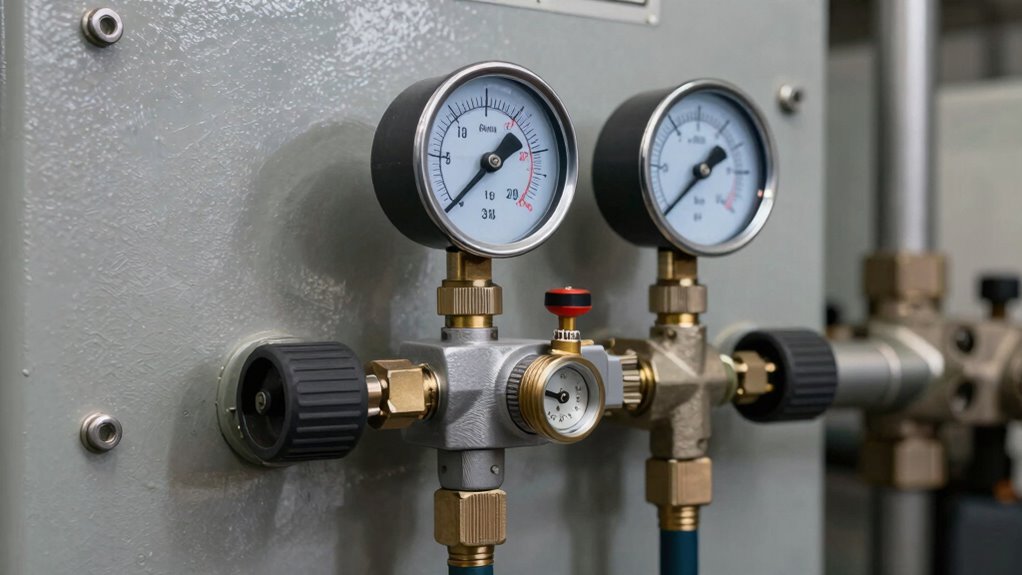
Ever wondered how natural gas pressure influences its flow and safety? When you’re dealing with a standby generator powered by natural gas, understanding how pressure works is essential. The flow of gas from the supply line to your generator depends heavily on the pressure levels maintained in the system. If the pressure drops too low, the gas flow isn’t sufficient to keep the generator running smoothly, which could lead to operational issues or even shutdowns during critical times. Conversely, if the pressure is too high, it can pose safety risks, such as leaks or damage to the equipment. That’s where the regulator function comes into play.
Proper gas pressure ensures safe, efficient operation of your standby generator and prevents hazards.
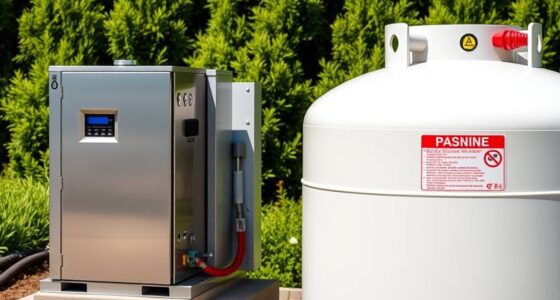
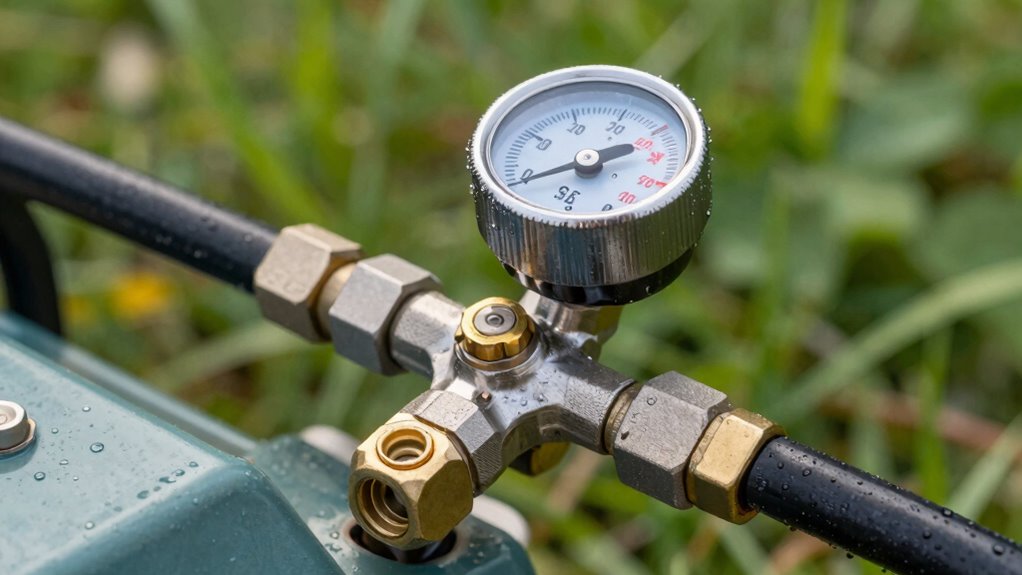
The regulator is a key component that controls the pressure of natural gas entering your generator system. Its main job is to make certain that the gas pressure remains within a safe and ideal range, regardless of fluctuations in the supply line. This controlled pressure guarantees a steady gas flow, which is essential for the generator’s performance. When the regulator functions properly, it adjusts quickly to changes in demand, allowing just enough gas to flow to produce power without risking over-pressurization. This balance helps prevent potential hazards and maintains the efficiency of your standby generator.
In practical terms, a well-maintained regulator acts like a gatekeeper. It senses the pressure coming in from the main supply line and modulates the flow accordingly. If the incoming pressure is too high, it releases the excess, reducing the risk of damage or leaks. If it’s too low, it compensates by allowing more gas through, ensuring the generator receives a consistent supply. This regulation process is essential because natural gas lines can experience pressure variations due to demand fluctuations, maintenance activities, or other external factors. Proper pressure regulation is crucial for maintaining system safety and performance. Additionally, understanding how gas pressure impacts your generator can help you identify potential issues early before they lead to system failure. Regular maintenance of the regulator, including checking for clogging or misadjustment**, can prevent many common problems associated with pressure control. Ensuring the longevity of the system also involves understanding the pressure range** necessary for optimal generator operation.

Jackery Solar Generator 1000 v2 and 200W Solar Panel,1070Wh,1500W AC
- Powerful yet Compact: Boasting a 1,500W AC output...
- One Hour Fast Charging: Charge your Explorer 1000 v2...
- 10 Year Lifespan: The Explorer 1000 v2 portable...
As an affiliate, we earn on qualifying purchases.
Frequently Asked Questions
How Does Gas Pressure Affect Generator Performance During Outages?
Gas pressure directly impacts your generator’s performance during outages. If pressure drops, gas flow decreases, causing the generator to run inefficiently or stall. Proper pressure regulation guarantees consistent gas flow, maintaining ideal power output. When pressure is too high, it can damage the system. Regularly checking and maintaining gas pressure guarantees your generator operates smoothly, providing reliable backup power when you need it most.
What Are Common Signs of Low or Inconsistent Gas Pressure?
Think of your generator’s fuel system as a river—when gas pressure fluctuates, it’s like a dam releasing inconsistent flow. Common signs include the generator sputtering, failing to start, or running unevenly. Gas pressure fluctuations often hint at issues like fuel line blockages or leaks. If you notice these symptoms, it’s a sign to inspect the fuel line, ensuring smooth, steady flow for reliable standby power.
Can Gas Pressure Issues Damage the Generator?
Yes, gas pressure issues can damage your generator. If the gas line delivers inconsistent pressure, it strains the pressure regulator and internal components, potentially causing clogs or failures. Low or fluctuating pressure can lead to inefficient combustion, overheating, or even mechanical damage over time. Ensuring your gas line is clear and your pressure regulator functions properly helps protect your generator from damage and maintains peak performance.
How Often Should Gas Pressure Be Tested or Maintained?
You should test your gas pressure regularly—at least once a year—to guarantee proper regulation. Use pressure testing techniques like attaching a manometer or gauge to measure pressure levels accurately. Consistent maintenance helps catch issues early, preventing damage and ensuring your generator runs smoothly when needed. Regular checks also allow you to verify that gas pressure regulation remains within the manufacturer’s specified range for peak performance.
What Safety Precautions Are Necessary When Adjusting Gas Pressure?
When adjusting the gas pressure, you should wear safety glasses and gloves to protect yourself from potential leaks or sparks. Turn off the generator and verify the gas regulator and pressure gauge are in good condition. Carefully loosen the regulator’s adjustment screw while watching the pressure gauge, maintaining a safe distance. Always work in a well-ventilated area, and double-check all connections before restarting the system.

Porch Shield Generator Cover for 5500-15000W, 38 x 28 x 30 inch, Black
- Compatible - More sizes for 5500w -15000w gas...
- Upgrade Material - Made of 600D polyester fabric...
- Tear Resistant & Waterproof - The high-level double...
As an affiliate, we earn on qualifying purchases.
Conclusion
Understanding natural gas pressure is essential for reliable standby generator operation. By ensuring the correct pressure levels, you prevent potential issues and keep your generator running smoothly when you need it most. Regular inspections and proper maintenance can make all the difference. So, are you prepared to keep your power supply steady and dependable? Don’t leave it to chance—know your natural gas pressure basics and stay ready for any emergency.
Porch Shield Generator Cover for 5000-10000W, 32 x 24 x 24 inch, Black
- Compatible - More sizes for 5000w -10000w gas...
- Upgrade Material - Made of 600D polyester fabric...
- Tear Resistant & Waterproof - The high-level double...
As an affiliate, we earn on qualifying purchases.

Jackery Solar Generator 300 and 40W Solar Panel,292Wh,300W AC
- Ultra-Lightweight: Weighing only 7.5 lbs, the...
- Versatile Power for 6 Devices: Equipped with 2 AC outlets,...
- Built to Last: Upgraded with premium LiFePO4 chemistry,...
As an affiliate, we earn on qualifying purchases.