
Biodiesel blends can change your storage planning because they are more prone to oxidation, microbial growth, and water absorption than petroleum diesel. These factors can lead to fuel degradation, equipment damage, and infrastructure issues if not properly managed. You need to choose compatible materials, install water detection systems, and conduct regular maintenance. Paying attention to these aspects helps extend fuel life and prevent costly problems; keep exploring to learn more about effective storage strategies.
Prime for Young Adults — start your free trial
Fast free delivery, streaming and member deals for eligible 18–24 year olds.
As an affiliate, we earn on qualifying purchases.
Key Takeaways
- Biodiesel’s susceptibility to oxidation necessitates enhanced storage conditions and shorter shelf life considerations.
- Compatibility issues with certain tank materials require selecting corrosion-resistant storage infrastructure.
- Increased water affinity promotes microbial growth, demanding improved sealing and water management strategies.
- Stabilizers and additives may be needed to maintain fuel quality over extended storage periods.
- Regular monitoring and maintenance are vital to prevent degradation, leaks, and filter clogging in biodiesel blends.
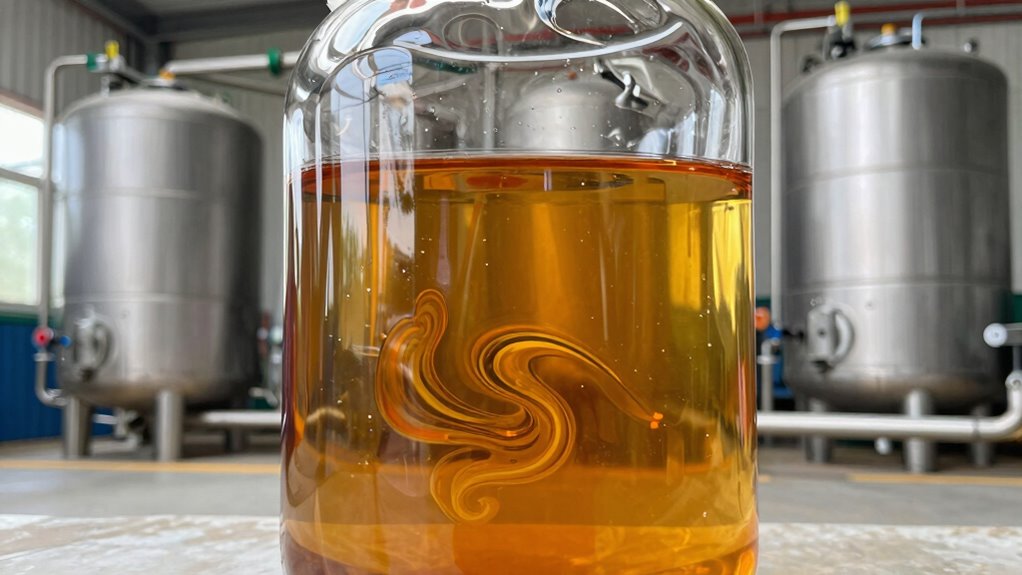
Biodiesel blends are becoming increasingly popular as a sustainable alternative to traditional diesel fuel, but their unique properties require careful storage planning. Unlike petroleum diesel, biodiesel contains naturally occurring compounds that can influence fuel stability over time. You need to stay vigilant about fuel stability because biodiesel is more prone to oxidation and microbial growth, especially if stored improperly. Proper storage conditions, such as keeping the fuel in cool, dry environments and using stabilizers when necessary, can help extend the lifespan of your biodiesel. If you neglect these factors, the fuel can degrade, leading to issues like clogging filters or damaging engine components. Additionally, understanding the importance of storage tank material compatibility**** ensures that your infrastructure remains intact and free from leaks or deterioration.
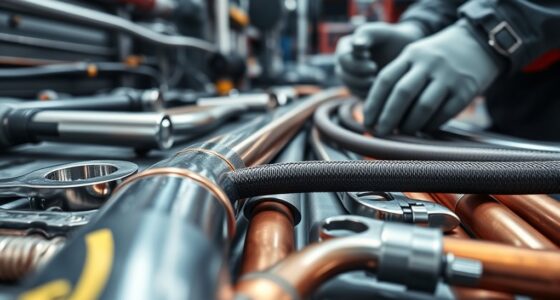
Material compatibility is another critical aspect that influences your storage planning. Biodiesel interacts differently with storage tank materials compared to conventional diesel. For example, certain plastics, rubbers, and metals may not withstand biodiesel’s solvent properties, which can cause deterioration or leaks. You must verify that your tanks and piping are compatible with biodiesel blends, especially if they’re made from materials like natural rubber or certain plastics that can swell or degrade. Using tanks made from stainless steel or specific composites designed for biodiesel can mitigate these risks. Regular inspections are essential to detect any signs of material degradation early, preventing costly leaks or contamination. Implementing proper maintenance protocols can further help in maintaining the integrity of your storage infrastructure. Furthermore, selecting tanks with proven corrosion resistance properties tailored for biodiesel can significantly improve your storage longevity. Additionally, considering the cost-effectiveness of different materials can help you optimize your investment and operational costs in storage infrastructure. Properly managing water ingress and microbial risks is crucial, as neglecting these can lead to significant fuel contamination issues.
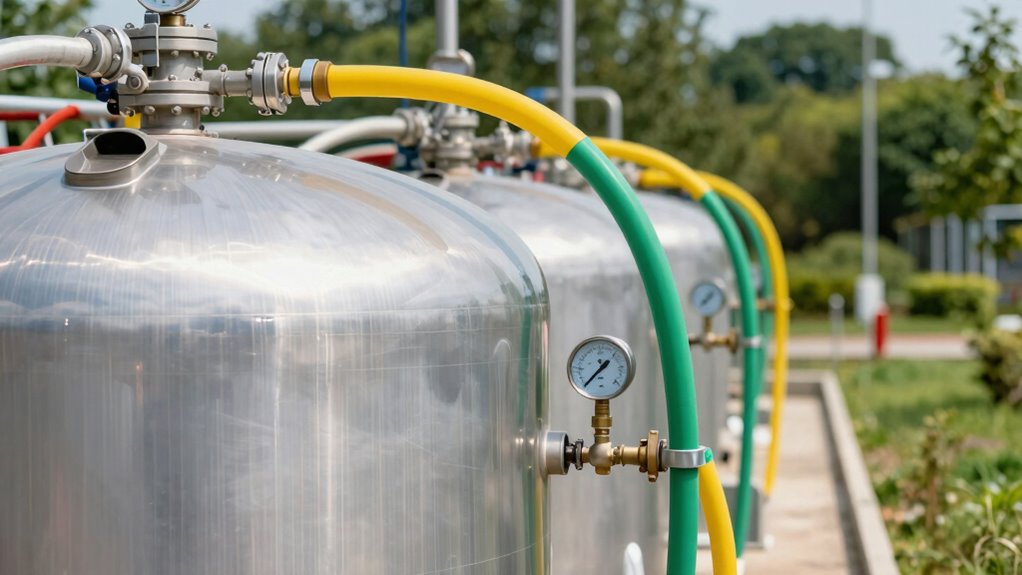
Furthermore, biodiesel’s ability to attract water is a key concern that ties into storage planning. Water can promote microbial growth and accelerate fuel oxidation, both of which compromise fuel quality and stability. You should ensure your storage tanks are sealed tightly to prevent moisture ingress. Installing water detectors or regular draining of water from tank bottoms can help you maintain fuel integrity. Microbial contamination can be particularly troublesome in biodiesel because microbes thrive in the presence of water and can produce biofilms that clog filters and injectors. Incorporating water management strategies into your maintenance plan can further reduce these risks.
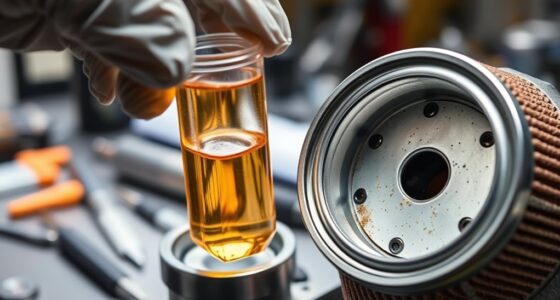
In addition, understanding the interaction between biodiesel blends and your storage infrastructure helps you plan maintenance schedules more effectively. Regular tank cleaning and fuel testing are necessary to monitor fuel quality and detect any signs of degradation early. Using proper additives can further enhance fuel stability and mitigate some of the challenges posed by biodiesel’s chemical properties. Overall, recognizing the importance of fuel stability, material compatibility, and water management guarantees your storage system remains reliable and efficient, safeguarding your investment and supporting sustainable fuel use.
Frequently Asked Questions
How Does Biodiesel Affect Long-Term Storage Container Materials?
Biodiesel affects long-term storage container materials by challenging material compatibility, as it can cause swelling, degradation, or leaks in certain plastics and metals. You need to focus on corrosion prevention by selecting compatible materials like stainless steel or specific plastics resistant to biodiesel’s properties. Regular inspection and maintenance are vital to prevent corrosion and guarantee the integrity of your storage system over time.
Are There Specific Safety Protocols for Biodiesel Blend Storage?
Yes, there are specific safety protocols for biodiesel blend storage. You should guarantee fuel compatibility by using containers designed for biodiesel to prevent degradation or leaks. Proper safety labeling is essential to warn personnel of the fuel type and any potential hazards. Regular inspections and maintenance help prevent issues like leaks or contamination. Following these protocols minimizes risks, ensures safe handling, and maintains the integrity of your storage system.
What Are the Environmental Impacts of Biodiesel Storage Leaks?
A biodiesel leak is like a silent predator, causing environmental contamination and risking ecosystems. When biodiesel leaks, it can seep into soil and water, harming plants, animals, and water quality. These leaks pose significant ecosystem risks, potentially disrupting local habitats and biodiversity. Prompt detection and proper containment are essential to prevent long-term environmental damage, protecting both nature and communities from the harmful effects of biodiesel storage leaks.
How Does Temperature Variation Influence Biodiesel Stability in Storage?
Temperature variations can greatly influence biodiesel stability in storage. When temperatures fluctuate, they can cause oxidation risks, leading to the formation of gums and sediments that clog filters and reduce fuel quality. Maintaining temperature stability is crucial to prevent these issues, as steady temperatures slow down oxidation processes. By controlling storage conditions, you can extend biodiesel shelf life and guarantee ideal fuel performance, minimizing the need for costly maintenance or reprocessing.
Can Biodiesel Blends Be Stored With Regular Diesel Without Issues?
Yes, you can store biodiesel blends with regular diesel, but you should consider fuel compatibility and storage regulations. Blends like B20 are generally compatible, but higher blends may cause issues such as phase separation or bacterial growth. Always check manufacturer guidelines and local rules to guarantee proper storage. Proper handling helps maintain fuel quality, prevents contamination, and ensures safe, compliant storage, safeguarding your investment and environment.
Conclusion
So, next time you’re planning your storage, remember that blending biodiesel isn’t just about being eco-friendly—it’s about steering a whole new world of storage surprises. Think of it as a wild card in your logistics deck, ready to turn your perfect plan into a messy, biodiesel-fueled chaos. But hey, who needs predictability anyway? Embrace the challenge, because in the end, a little storage drama just makes your green journey more exciting!
NFL season / tailgating Picks
team gear
As an affiliate, we earn on qualifying purchases.