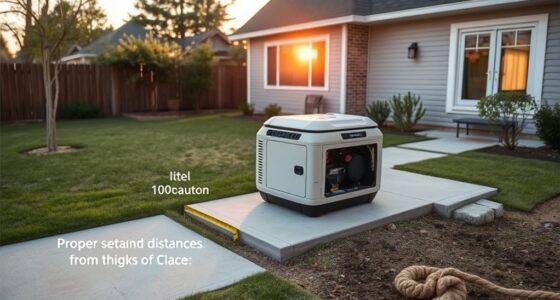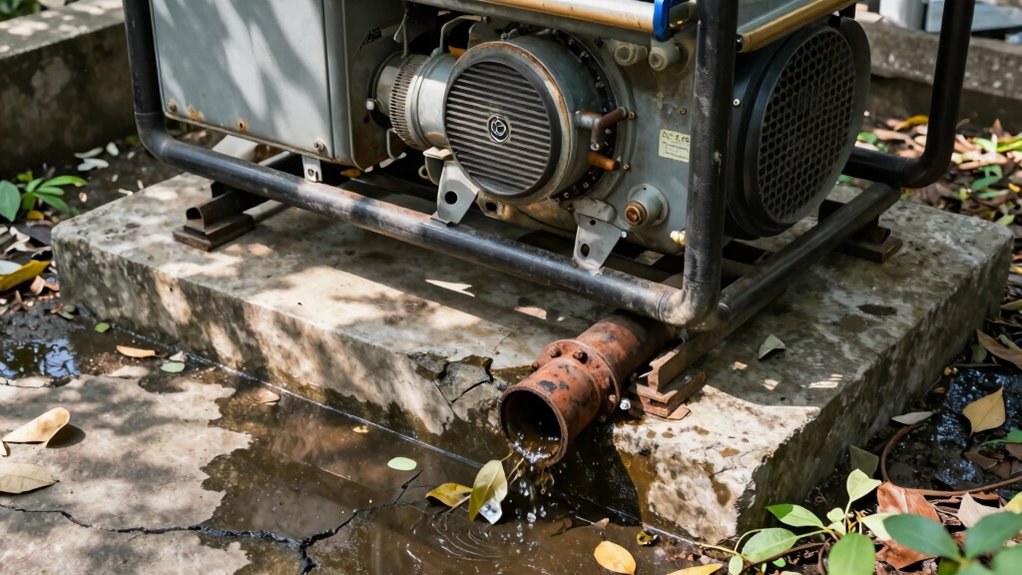

You might overlook generator drainage planning because it’s often seen as a secondary priority compared to equipment placement and capacity. Many believe that placing the generator properly alone offers enough protection, but water issues typically arise after heavy rain, leading to costly damage. Proper drainage and grading are essential safeguards that aren’t always considered upfront. Keep going to discover why early planning can save you money and guarantee your generator stays operational longer.

Get backup power and energy gear delivered free — and shop member deals
- Fast, free delivery on millions of items
- Access to Prime Big Deal Days deals on October 6–7
- Prime Video, Amazon Music and more included
Key Takeaways
- Focus often centers on generator capacity and placement, neglecting comprehensive stormwater management.
- Drainage and grading are frequently considered only after installation, not during planning.
- Assumptions that generator placement alone can prevent water issues lead to oversight.
- Lack of awareness about long-term impacts of poor drainage results in missed proactive measures.
- Cost-saving priorities may cause stakeholders to overlook essential drainage and site grading considerations.
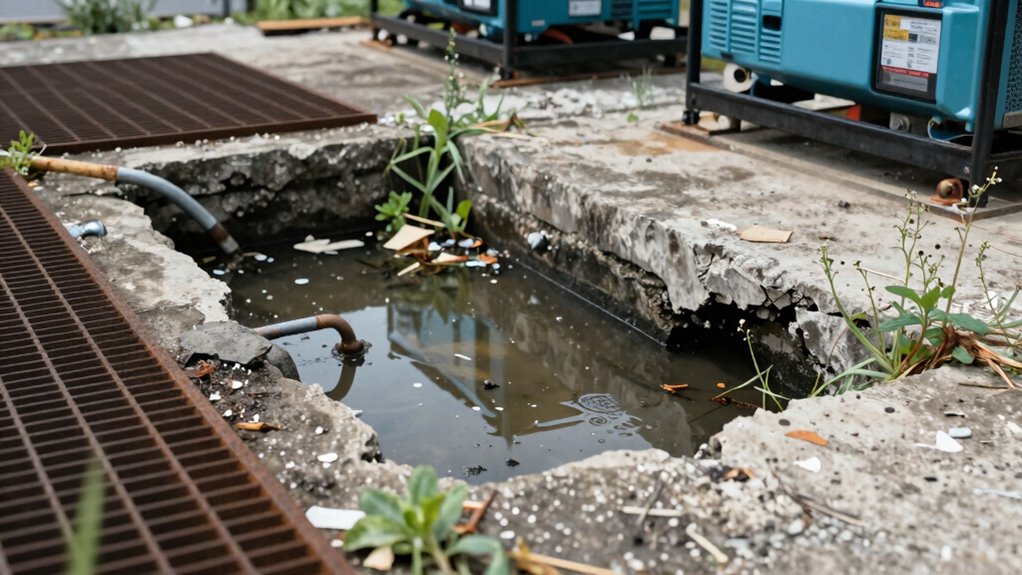
Effective drainage planning for generators is essential to prevent water accumulation and protect your equipment from damage. Many overlook this critical step, assuming that simply placing a generator on a flat surface is enough. However, neglecting proper stormwater management and site grading can lead to serious issues, including flooding, corrosion, and operational failures. Without a well-thought-out drainage system, water can pool around the generator, risking electrical shorts and long-term deterioration. It’s easy to underestimate how much water runoff can affect your setup, especially during heavy rainstorms or rapid snowmelt.
Effective drainage prevents water damage and ensures generator longevity during heavy rains and snowmelt.
Stormwater management plays a significant role in ensuring your generator remains dry and functional. If you don’t plan for how rainwater flows across the site, it might collect and stagnate around your equipment. Effective stormwater management involves designing drainage paths that direct water away from the generator and its foundation. Without this, water can seep into sensitive components, causing rust and corrosion, or even flooding the area, which could lead to costly repairs or replacements. Proper stormwater management requires considering rainfall patterns, runoff speed, and drainage capacity, ensuring that water moves efficiently away from your site. Additionally, understanding how site grading influences water flow can help you create a more resilient setup. Proper site grading can also prevent erosion that might undermine your generator’s stability over time. Incorporating drainage capacity considerations into your planning process can further enhance the effectiveness of your drainage system.
Site grading is another often-overlooked aspect that’s essential to good drainage planning. When you don’t account for proper grading, water naturally tends to flow toward your generator instead of away from it. A slight slope or carefully engineered elevation can make a huge difference. Grading should be designed to channel water downhill and away from your equipment, preventing pooling and erosion that can undermine the foundation. Failing to do so can result in water collecting around the base, increasing the risk of structural damage and operational issues. Proper grading also reduces the likelihood of standing water, which can attract pests or promote mold growth. Incorporating proper grading techniques into your site design ensures a more durable and efficient drainage system. In addition, integrating stormwater runoff management strategies can further reduce potential water-related risks.
Sadly, many overlook drainage planning because they focus on the generator’s placement and capacity, leaving stormwater management and site grading as afterthoughts. They might assume that once the generator is set in place, it’s protected. But without proactive planning, water issues tend to emerge after heavy rains, often too late to prevent damage. Investing in a thorough drainage plan upfront saves you money and headaches later. It’s about creating a sustainable setup that handles water efficiently, ensuring your generator’s longevity and reliable performance. Proper stormwater management and site grading aren’t just technical details—they’re essential safeguards you can’t afford to ignore.
Frequently Asked Questions
How Does Climate Impact Generator Drainage Design?
Climate impacts your generator drainage design by requiring you to focus on climate resilience, ensuring your system can handle extreme weather events. You need to optimize drainage to prevent flooding or water damage during heavy rain or storms. By considering local climate conditions, you can design a drainage system that’s reliable, adaptable, and capable of protecting your generator infrastructure from weather-related challenges effectively.
What Are Common Drainage System Failure Signs?
You might notice signs like persistent flooding, water pooling near the generator, or corrosion on metal parts, indicating drainage system failure. Regular maintenance tips include checking for blockages and ensuring proper slope. Material selection matters too; use durable, corrosion-resistant materials to withstand weather conditions. Addressing these signs promptly and choosing the right materials helps prevent costly repairs and extends your drainage system’s lifespan.
Are There Legal Requirements for Drainage in Generator Areas?
Surprisingly, legal compliance and regulatory standards do require proper drainage in generator areas, yet many overlook it. You’re expected to follow specific requirements to prevent hazards and environmental damage. Ignoring these standards can lead to hefty penalties or shutdowns. So, while it might seem like a minor detail, neglecting drainage planning could seriously disrupt your operations, proving that sometimes, what’s overlooked is actually critical.
How Often Should Drainage Systems Be Inspected?
You should inspect your drainage systems at least twice a year, especially during heavy rain seasons. Follow a regular maintenance schedule to guarantee drainage materials are clear of debris and functioning properly. Frequent inspections help identify potential blockages or erosion early, preventing costly damage. Keep an eye on the drainage outlets and pipes, and promptly address any issues to maintain safe and efficient generator operation.
What Are Cost-Effective Drainage Solutions for Generators?
Imagine a gentle stream guiding water away from your generator, preventing costly damage. To achieve this, you should prioritize cost-effective drainage solutions through smart material selection—like gravel or perforated pipes—and establish regular maintenance schedules. These proactive steps keep water flowing smoothly, ensuring your generator stays dry and operational. Investing in simple, durable materials and routine inspections can save you money and prevent drainage issues before they escalate.
Conclusion
Neglecting generator drainage planning is like ignoring the roots of a mighty tree—you might enjoy its shade today, but tomorrow, storms could topple it. Proper drainage keeps your setup standing tall, shedding water like a skilled dancer twirls away rain. When you prioritize drainage, you’re planting the seeds for a resilient, thriving system that withstands the test of time and nature’s whims. Don’t let overlooked details drown your project’s potential—plan wisely, and let your generator stand strong.
Fall Picks
fall essentials
As an affiliate, we earn on qualifying purchases.