To guarantee your standby generator runs safely and efficiently, you need proper ventilation. Place it outdoors away from windows and vents, and use exhaust pipes to direct fumes safely away. Maintain clear airflow by avoiding obstructions and regularly checking vents for debris. Good ventilation prevents overheating, reduces noise transfer, and keeps fumes and carbon monoxide out of your home. Mastering these basics helps your generator perform reliably—keep exploring to learn more essential tips.
Key Takeaways
- Place the generator outdoors, away from windows and vents, to ensure proper airflow and safety.
- Use exhaust pipes to direct fumes safely away from your property and prevent indoor contamination.
- Ensure adequate clearance around the generator to prevent airflow obstructions and promote cooling.
- Regularly inspect and clean vents, filters, and exhaust outlets to maintain optimal ventilation.
- Follow local building codes and guidelines for ventilation design to enhance safety and compliance.
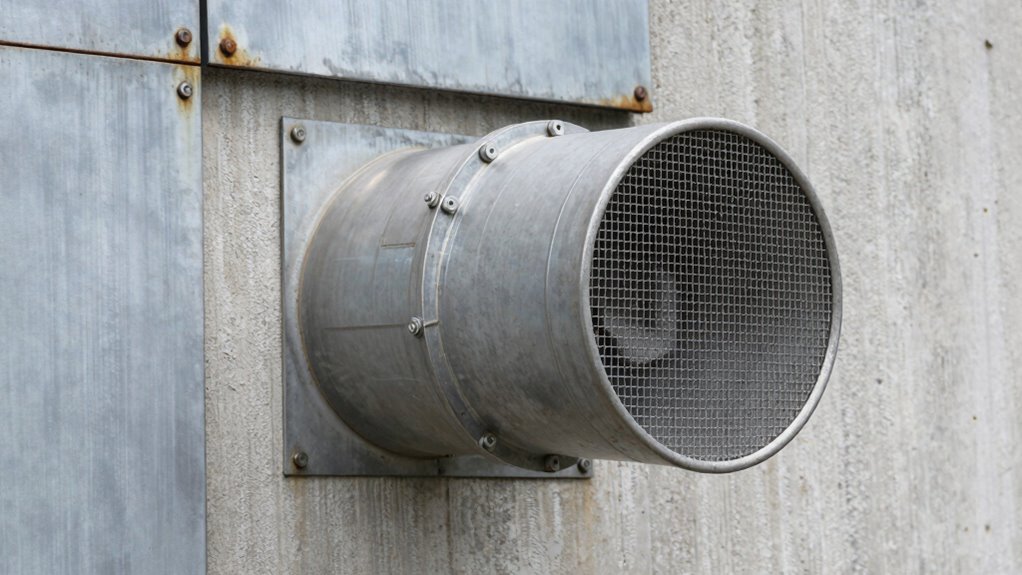
When installing a standby generator, proper ventilation is vital to guarantee safety and ideal performance. Without adequate airflow, the engine can overheat, risk of carbon monoxide buildup increases, and overall efficiency drops. Ensuring good ventilation not only keeps your generator running smoothly but also contributes to fuel efficiency. When a generator operates in a well-ventilated space, it consumes fuel more effectively, reducing waste and saving you money over time. Proper airflow prevents the engine from working harder than necessary, which can extend its lifespan.
Proper ventilation ensures safe, efficient, and long-lasting generator operation.
In addition to safety and fuel savings, effective ventilation plays an essential role in noise reduction. Generators produce a significant amount of sound during operation, and when ventilation openings are properly designed, they help direct noise away from living spaces. Installing vents or exhaust systems at strategic points can minimize sound transmission, making your generator less disruptive. A well-ventilated setup ensures that noise doesn’t bounce back into your home or yard, providing a quieter environment and peace of mind. Understanding the importance of generator ventilation can help you optimize your setup for safety and efficiency.
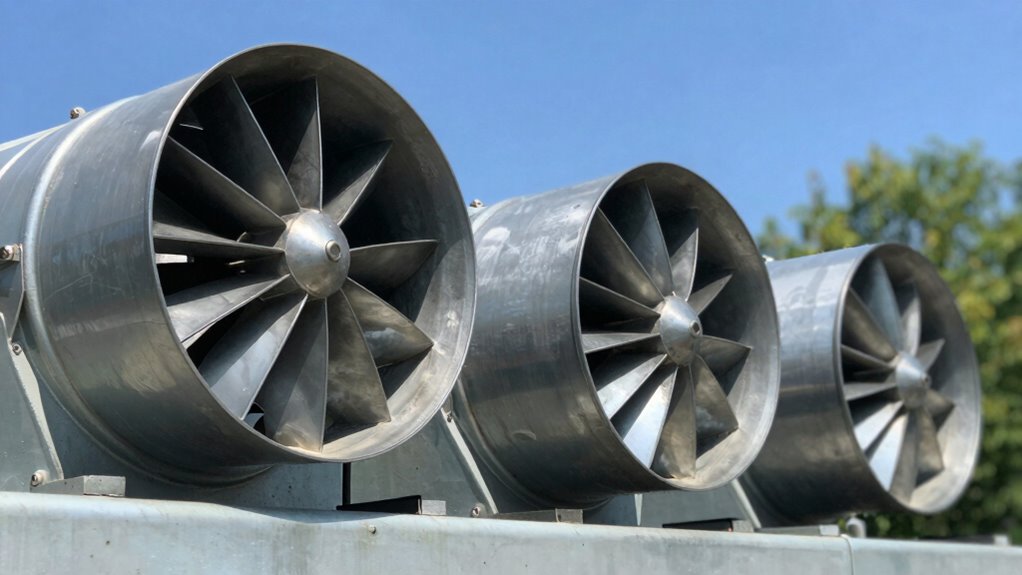
You should consider the placement of your generator carefully. It’s best to position it outdoors, in a location that’s away from windows, vents, and doors, to prevent exhaust fumes from entering your home. Keep the area clear of obstructions that could restrict airflow. When planning your ventilation system, incorporate exhaust pipes that direct fumes safely away from your property. These pipes should have proper insulation and be positioned at a height that facilitates good airflow and disperses fumes effectively. Additionally, understanding the importance of natural airflow can help you design a more effective and safe ventilation system for your generator. Proper ventilation design also benefits from adequate clearance, ensuring that airflow is not impeded by nearby objects or structures. Properly designed ventilation systems should also consider local building codes to ensure compliance and safety.
Regular maintenance also plays a part in maintaining proper ventilation. Make sure to check vents and exhaust outlets regularly for blockages or debris. Clean filters and remove any obstructions to keep airflow unimpeded. This ongoing care ensures your generator remains fuel-efficient and quiet during operation, preventing overheating and reducing the risk of dangerous fumes accumulating. Properly maintained ventilation systems also help prevent the buildup of harmful gases, which is crucial for safety.
Ultimately, understanding the basics of generator ventilation helps you operate your standby system safely and efficiently. By paying attention to placement, ensuring proper exhaust routing, and maintaining clear airflow paths, you’ll maximize fuel efficiency, reduce noise, and extend your generator’s lifespan. Good ventilation isn’t just a safety measure—it’s a key factor in getting the most reliable and cost-effective performance from your backup power source.

Porch Shield Generator Cover for 5000-10000W, 32 x 24 x 24 inch, Black
- Compatible - More sizes for 5000w -10000w gas...
- Upgrade Material - Made of 600D polyester fabric...
- Tear Resistant & Waterproof - The high-level double...
As an affiliate, we earn on qualifying purchases.
Frequently Asked Questions
How Often Should Ventilation System Inspections Be Performed?
You should perform ventilation system inspections at least once a year to guarantee proper airflow maintenance. Regular checks help identify blockages or deterioration that could impair ventilation, especially with ventilation upgrades or modifications. If your generator operates in a hot or dusty environment, consider more frequent inspections. Staying proactive ensures safe operation, prevents buildup of harmful gases, and maintains efficiency, keeping your standby generator reliable when you need it most.
Can Ventilation Systems Be Customized for Different Generator Sizes?
Yes, ventilation systems can be customized for different generator sizes. You combine ventilation design with airflow optimization, tailoring the setup to match your generator’s capacity. Smaller generators need less airflow, while larger units require more robust systems. By adjusting duct sizes, fans, and vent placement, you guarantee efficient cooling and safe operation. Customization helps prevent overheating, improves performance, and prolongs your generator’s lifespan.
What Are the Common Signs of Ventilation System Failure?
You’ll notice signs of ventilation system failure through increased ventilation noise, which suggests airflow issues, and reduced airflow, leading to overheating or poor generator performance. If you observe unusual sounds or a decrease in airflow efficiency, it’s time to inspect the vents and fans. Proper airflow optimization is essential, so address blockages or malfunctions promptly to prevent generator damage and guarantee reliable operation.
Are There Specific Ventilation Requirements for Indoor vs. Outdoor Generators?
Indoor generators require specific ventilation to guarantee indoor air remains safe and exhaust fumes are effectively expelled, preventing buildup. You should install exhaust systems that vent fumes outdoors, keeping indoor air quality high. Outdoor generators, on the other hand, have more relaxed ventilation needs but still benefit from proper clearance and airflow to prevent overheating. Always follow manufacturer guidelines and local codes to maintain safe operation and proper ventilation for both indoor and outdoor setups.
How Does Ventilation Impact Generator Lifespan and Efficiency?
Ironically, poor ventilation might seem harmless, but it actually shortens your generator’s lifespan and reduces efficiency. Proper airflow optimization prevents overheating and guarantees smooth operation, while adequate ventilation also helps with corrosion prevention by reducing moisture buildup. By maintaining good airflow, you keep your generator running longer and more reliably, saving you money and preventing unexpected breakdowns—proof that the right ventilation isn’t just a detail; it’s essential.
Porch Shield Generator Cover for 5500-15000W, 38 x 28 x 30 inch, Black
- Compatible - More sizes for 5500w -15000w gas...
- Upgrade Material - Made of 600D polyester fabric...
- Tear Resistant & Waterproof - The high-level double...
As an affiliate, we earn on qualifying purchases.
Conclusion
Now that you understand the basics of standby generator ventilation, picture it as the breath of your emergency power system, quietly working behind the scenes. Proper ventilation keeps this essential breath clean and steady, preventing dangerous buildup and ensuring reliability when you need it most. Think of it as the invisible shield that guards your home’s heartbeat, allowing it to pulse strong and safe through every storm and blackout. Keep it well-ventilated, and your power will always be ready to rise.
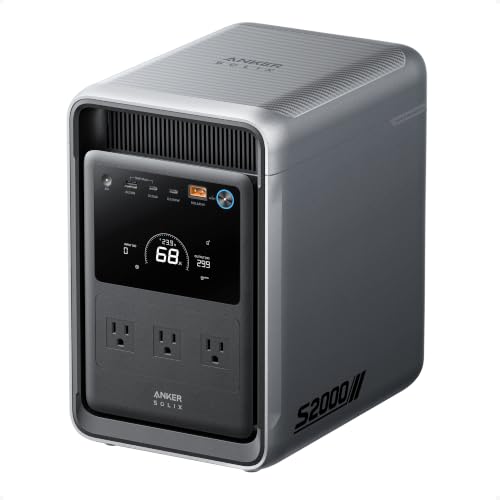
Anker SOLIX S2000 Portable Power Station, 2,010Wh, 1,500W, Home Backup, UPS
- Up to 35-Hour Fridge Backup: With 6W idle power draw...
- 10,000-Cycle LFP Battery: Powered by 314Ah LFP cells,...
- Smallest and Lightest 2kWh Power Station: 30% smaller and 25% lighter...
As an affiliate, we earn on qualifying purchases.
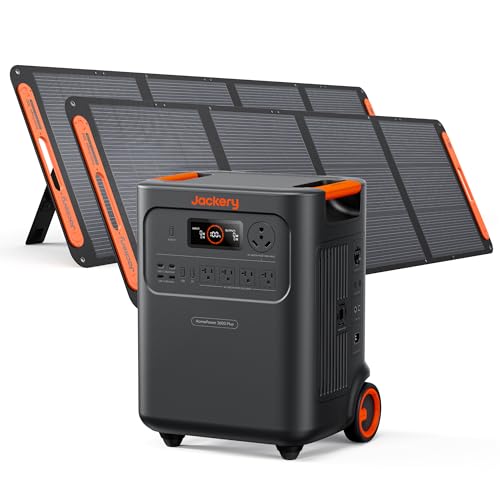
Jackery HomePower 3600 Plus Portable Power Station with 2X 200W Solar Panels, 3600W AC Output, 3584Wh LFP Solar Generator, Expandable up to 21kWh, Essential Home Backup for Home Use, Emergencies, RV
- Essential Home Backup: The Jackery HomePower 3600 Plus...
- Safe Power That Lasts: Built with high-temp resistant ceramic...
- Plug-and-Play: With its easy plug-and-play design,...
As an affiliate, we earn on qualifying purchases.