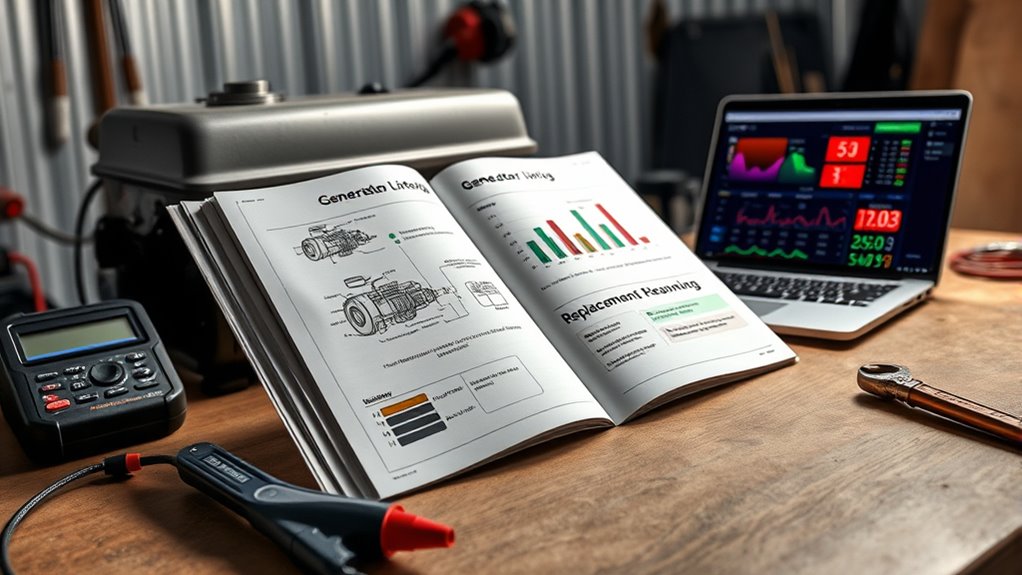

The Complete Generator Lifespan and Replacement Timing Calculator helps you assess your generator’s durability and when to replace it. You input details like age, usage hours, fuel efficiency, and signs of wear, and the tool analyzes this data to predict remaining life and suggest replacement times. It considers maintenance history and operational patterns to provide tailored guidance. Staying aware of key signs and using the calculator consistently can prolong your generator’s life—continue to explore how all these pieces fit together.

Get backup power and energy gear delivered free with Prime
- Fast, free delivery on millions of items
- Prime Video, Amazon Music and more included
- Member-only deals all year
Key Takeaways
- Factors like fuel efficiency, noise reduction, and maintenance significantly influence a generator’s lifespan.
- Signs of wear include performance drops, difficulty starting, unusual noises, and overheating.
- Estimating remaining life involves tracking operating hours, maintenance history, and condition inspections.
- The replacement timing calculator analyzes efficiency, noise, and operational data to recommend optimal replacement periods.
- Proper maintenance, load management, and storage practices extend generator durability and delay the need for replacement.
Understanding Generator Lifespan Factors
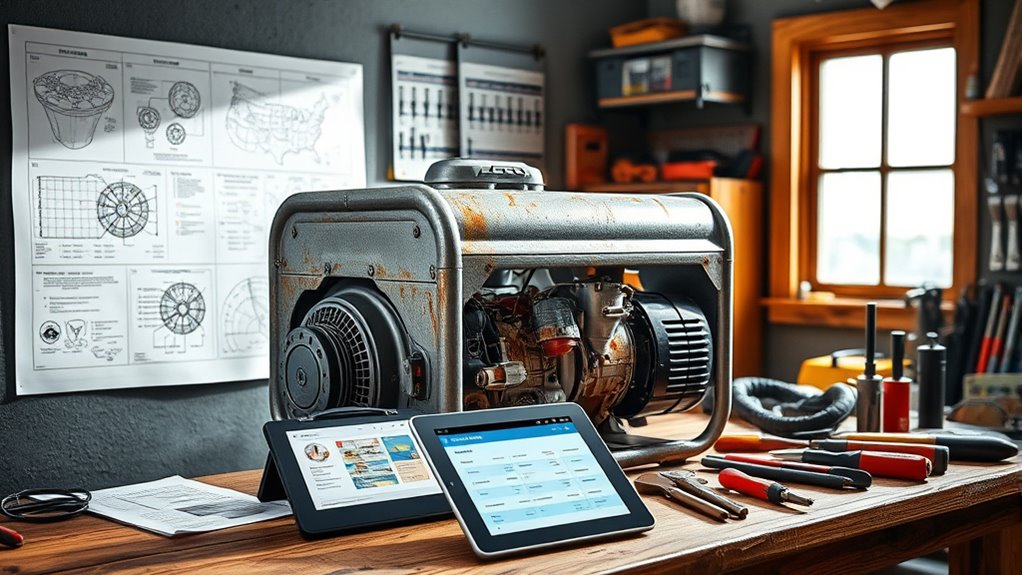
Understanding the factors that influence your generator’s lifespan is essential for guaranteeing reliable performance over time. Two key elements are fuel efficiency and noise reduction, which directly impact how long your generator lasts. A more fuel-efficient model uses less fuel, reducing wear on internal components caused by frequent refueling and overheating. This can extend its operational life. Noise reduction features also matter; quieter generators often have better insulation and soundproofing, indicating higher quality parts that tend to wear slower. Proper maintenance, load management, and operating conditions further influence lifespan, but focusing on fuel efficiency and noise reduction helps you choose a durable, long-lasting generator. Additionally, Kia Tuning principles like suspension upgrades and component quality can inform your understanding of durability and longevity in mechanical systems. By understanding these factors, you can better plan for replacement and ensure consistent performance.
Key Indicators of Generator Wear and Tear
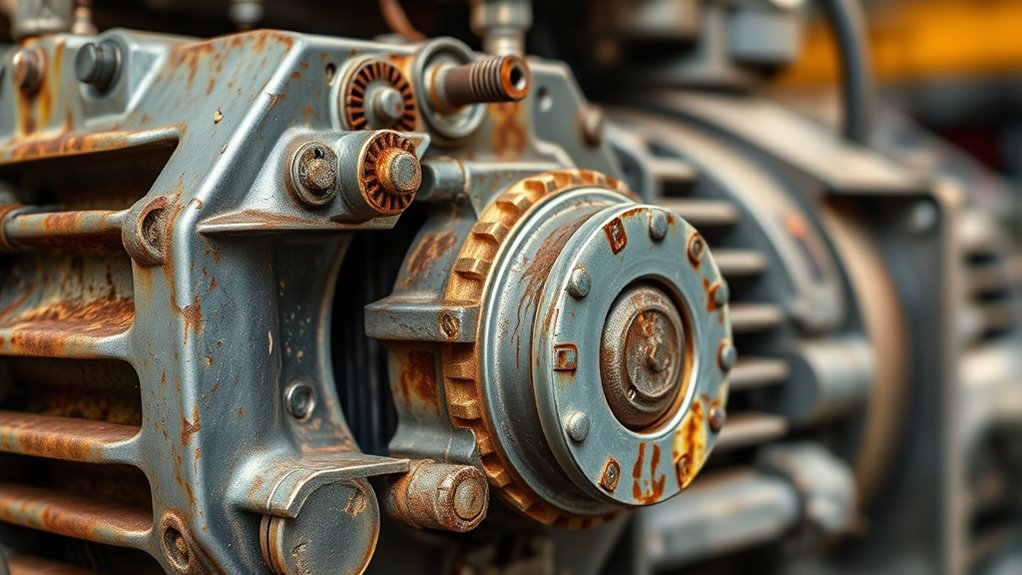
Monitoring signs of wear and tear is essential to guarantee your generator stays reliable. By paying attention to certain indicators, you can prevent unexpected breakdowns and maintain ideal generator efficiency. Key signs include noticeable drops in performance, increased startup issues, and unusual noises. Reduced generator efficiency often signals internal component wear, leading to higher fuel consumption and lower output. Frequent startup problems may indicate battery or starter motor issues, or deeper mechanical faults. Additionally, overheating or persistent vibrations can point to worn-out belts or bearings. Recognizing these signs early helps you plan maintenance or replacements before major failures occur. Staying vigilant ensures your generator runs smoothly, reduces downtime, and extends its lifespan. Always address these indicators promptly to keep your power source dependable. Regularly inspecting system components can help identify issues before they escalate, ensuring optimal operation and longevity.
How to Estimate Your Generator’s Remaining Life
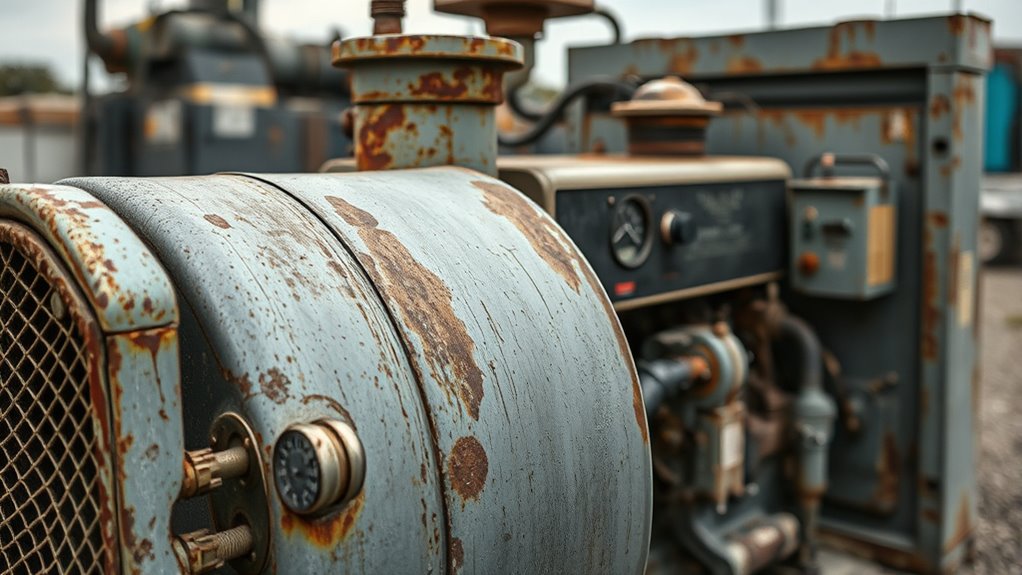
To estimate your generator’s remaining life, start by tracking its operating hours to gauge wear. Review its maintenance history for patterns of care and repairs, and conduct regular condition inspections to catch early signs of aging. Combining these steps gives you a clearer picture of how much longer your generator can reliably serve you. Additionally, understanding the wear and tear mechanisms that affect generator components can help anticipate potential failures and plan for timely replacements.
Monitoring Operating Hours
Keeping track of your generator’s operating hours is essential for estimating its remaining lifespan. By monitoring these hours, you can better plan maintenance, replace parts on time, and optimize fuel efficiency. Regularly logging operating hours helps you identify when your generator is nearing its expected lifespan, reducing unexpected breakdowns. Additionally, as your generator ages, you might notice a decline in noise reduction effectiveness, signaling it’s time for maintenance or replacement. Using HEPA filtration and other technologies can also improve performance and longevity. To stay on top of this, consider: – Using digital hour meters for accurate tracking – Setting reminders for scheduled maintenance – Recording hours after each use to monitor usage patterns This approach ensures you maximize generator performance, maintain fuel efficiency, and keep noise levels at a minimum for safe operation.
Assessing Maintenance History
Reviewing your generator’s maintenance history is crucial for estimating how much longer it will last. By examining past repairs, parts replacements, and service records, you gain insight into its current condition. Pay attention to issues related to fuel quality, which can cause engine wear, and note if maintenance was performed regularly. The installation location also impacts lifespan; harsh environments may accelerate deterioration. To clarify, consider this table:
| Aspect | Impact | Notes |
|---|---|---|
| Fuel quality | Affects engine longevity | Use clean, high-quality fuel |
| Maintenance frequency | Prevents major failures | Regular checks are key |
| Installation site | Influences environmental stress | Enclosed vs. exposed areas |
This info helps you assess remaining life and plan timely replacements. Proper maintenance is vital for extending your generator’s operational lifespan.
Performing Condition Inspections
Performing regular condition inspections is essential for accurately estimating your generator’s remaining lifespan. By checking key components, you can identify issues early and prevent unexpected failures. Focus on fuel efficiency, as declining fuel consumption might indicate engine wear. Also, review warranty coverage details to understand what repairs are still protected. During inspections, look for signs of corrosion, leaks, or unusual noises that signal deterioration. Keep detailed records of each inspection to track patterns over time. This proactive approach helps you determine if your generator is nearing its replacement point or if maintenance can prolong its life. Regular assessments ensure ideal performance and avoid costly breakdowns, saving you money and downtime. Staying attentive to preventive maintenance can significantly extend your generator’s lifespan and ensure reliable operation. Stay diligent to maximize your generator’s lifespan and maintain its reliability.
The Role of Usage Patterns and Maintenance
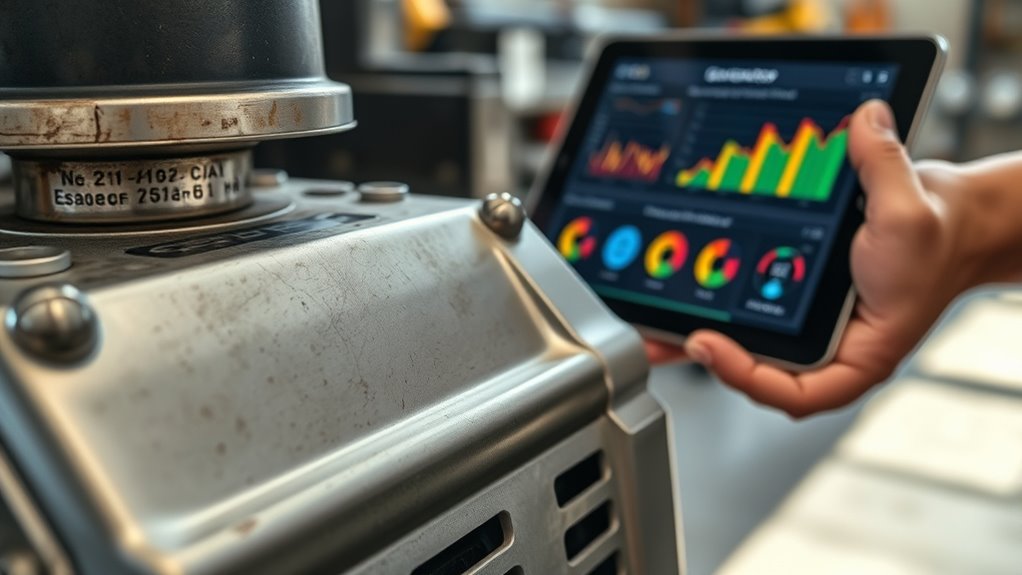
Your generator’s lifespan heavily depends on how you use and maintain it. High power consumption or frequent usage can accelerate wear and tear if not managed properly. Regular maintenance, like oil changes and cleaning, ensures it runs efficiently and prevents breakdowns. If you run your generator daily or during heavy power demands, it’s essential to monitor usage patterns to avoid overloading. Keeping track of usage frequency helps you plan timely inspections and maintenance, reducing the risk of unexpected failures. Proper operation, such as allowing cool-down periods and avoiding prolonged idling, also extends its life. Additionally, understanding HVAC system efficiencies can help optimize overall energy use and reduce strain on your generator. By balancing power demands with appropriate maintenance routines, you maximize your generator’s lifespan and ensure reliable performance when you need it most.
When to Consider Replacement: Signs to Watch For
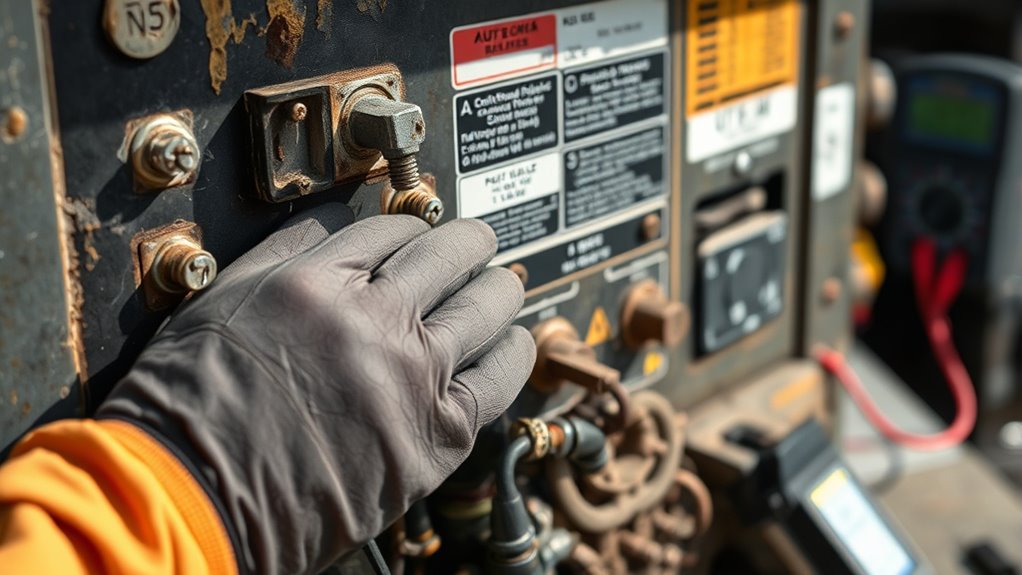
Knowing when to replace your generator is essential to maintaining reliable power and avoiding costly breakdowns. Watch for signs like increased generator noise, which indicates wear or internal issues. Reduced fuel efficiency also signals it’s nearing the end of its lifespan, meaning it consumes more fuel for less output. If your generator struggles to start or runs unevenly, those are clear warning signs. Additionally, frequent repairs or persistent mechanical problems suggest replacement may be more cost-effective than continual fixes. Ignoring these signs can lead to unexpected failures during critical times. Regularly monitoring noise levels, fuel consumption, and overall performance helps you determine the right moment to replace your generator before it leaves you stranded. Staying vigilant ensures your power needs are always met reliably. Incorporating preventive maintenance can further extend your generator’s lifespan and improve overall reliability.
Exploring the Features of the Replacement Timing Calculator
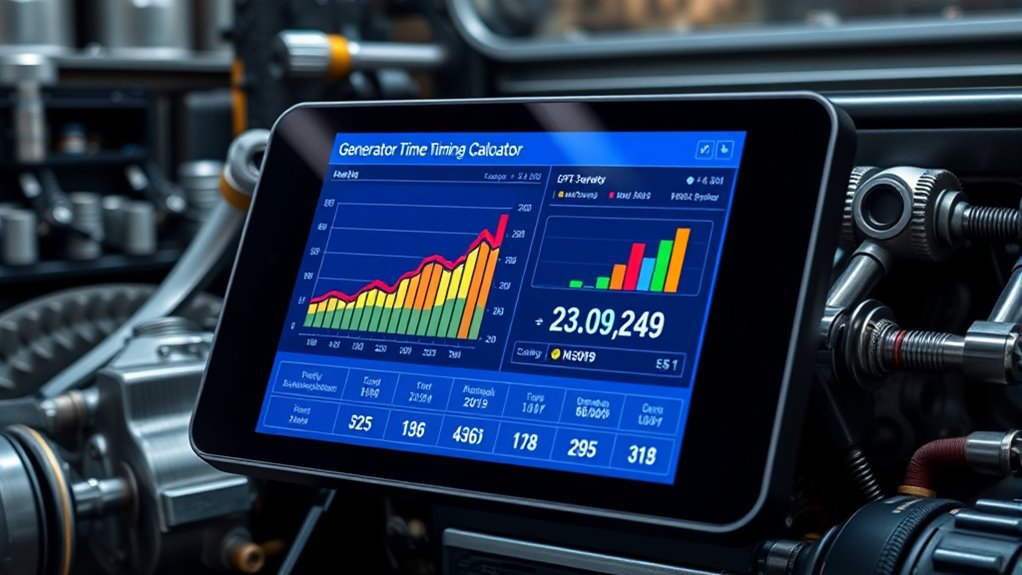
The Replacement Timing Calculator is designed to help you determine the most advantageous moment to replace your generator based on its usage and condition. It features tools that analyze factors like fuel efficiency, showing how well your generator conserves fuel over time. Improved fuel efficiency indicates ideal performance, while declining efficiency suggests it may be nearing the end of its lifespan. The calculator also considers noise levels, highlighting when your generator starts to produce excessive sound, which can signal wear or mechanical issues. Additionally, understanding security system effectiveness can inform you about the importance of maintenance and timely replacement to ensure safety. By monitoring these features, you can make informed decisions about replacement timing. This tool simplifies evaluating your generator’s health, ensuring you replace it at the right moment before costly breakdowns or inefficiencies occur.
Step-by-Step Guide to Using the Calculator Effectively

To use the Replacement Timing Calculator effectively, start by entering your generator’s basic details, such as make, model, and age. This helps the calculator assess your generator’s current efficiency and predict when it might need replacing. Focus on these key steps:
- Input your generator’s operational hours to gauge fuel consumption trends.
- Adjust settings for your local environment to improve accuracy in estimating fuel efficiency.
- Review suggested replacement timelines based on efficiency decline and fuel consumption patterns.
- Consider incorporating maintenance practices to extend your generator’s lifespan and ensure optimal performance over time.
Interpreting Your Results for Better Planning
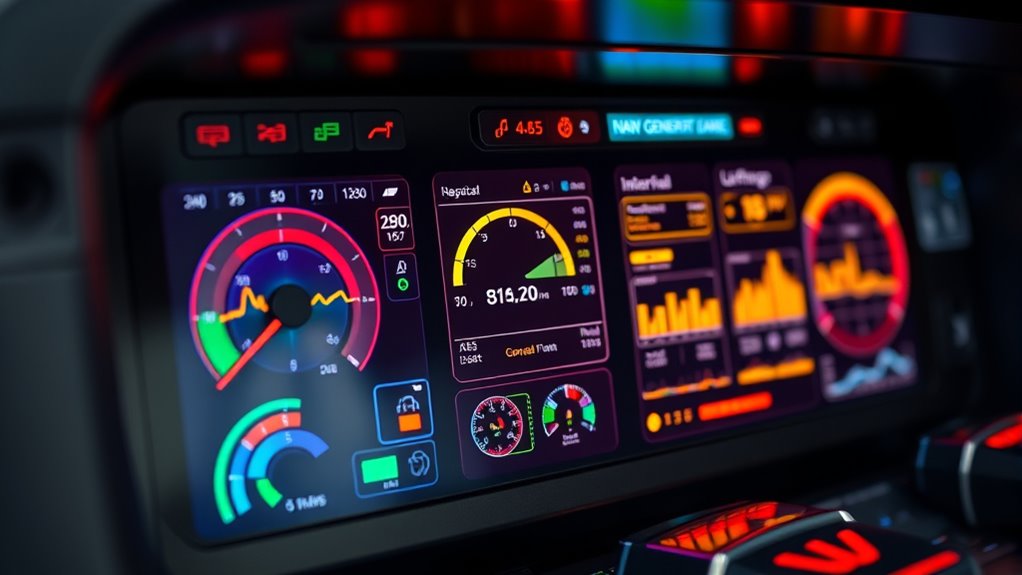
Once you have your generator’s results, take time to analyze the recommended replacement timelines and efficiency trends. These insights help you plan maintenance, budget, and upgrades effectively. Focus on fuel efficiency patterns to identify when your generator consumes more fuel, indicating potential issues. Also, note noise reduction metrics, which impact your environment and comfort. Use this table to interpret key data:
| Aspect | What to Look For |
|---|---|
| Replacement Timeline | When to contemplate replacing or upgrading |
| Fuel Efficiency | Declines signal upcoming maintenance needs |
| Noise Reduction | Increased noise may indicate wear |
| Trends | Long-term patterns help optimize planning |
Tips for Extending Your Generator’s Lifespan
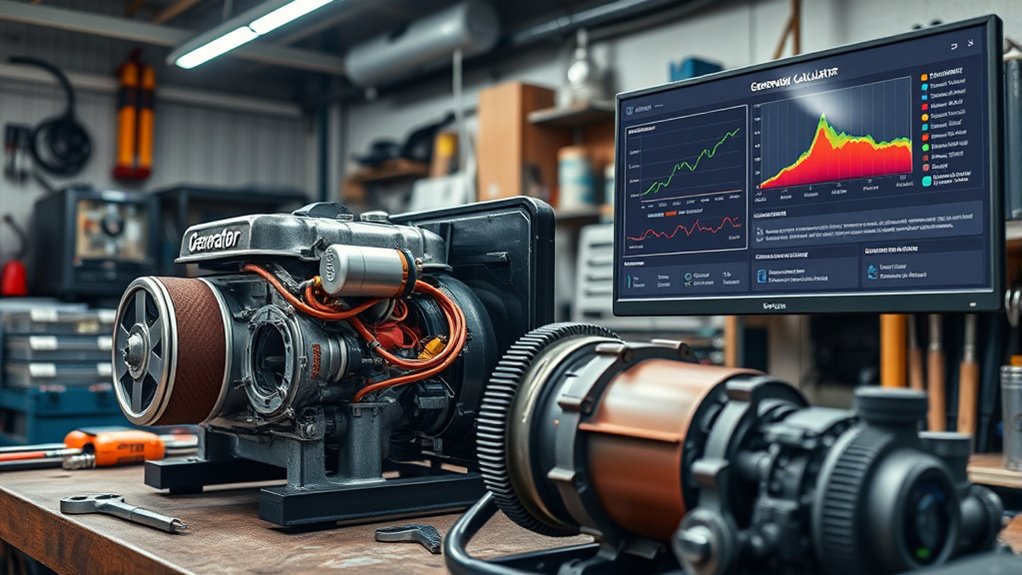
To keep your generator running smoothly for years to come, regular maintenance checks are essential. Managing the load properly prevents unnecessary strain, while storing it in a safe environment protects it from damage. These simple steps can substantially extend your generator’s lifespan.
Regular Maintenance Checks
Regular maintenance checks are essential for keeping your generator running smoothly and extending its lifespan. Regular inspections help identify issues early, ensuring maximum fuel efficiency and noise reduction. By maintaining clean filters, checking oil levels, and testing components, you prevent unnecessary wear and tear that can shorten your generator’s life. Consistent care also improves overall performance and saves money in the long run.
- Change oil and filters regularly to maximize fuel efficiency.
- Inspect and tighten connections to reduce noise and vibration.
- Test the generator periodically to catch potential problems early.
Staying proactive with maintenance not only prolongs your generator’s lifespan but also ensures reliable operation when you need it most.
Proper Load Management
Proper load management is essential for extending your generator’s lifespan, especially when you want reliable performance over time. Keep the load balanced to prevent overworking the engine, which can reduce fuel efficiency and increase wear. Operating your generator within its ideal capacity also minimizes noise, making it more comfortable and less disruptive. To help you understand the importance of proper load management, consider this table:
| Load Level | Effect on Generator |
|---|---|
| Low | Inefficient fuel use, increased noise |
| Moderate | Peak fuel efficiency, quieter operation |
| High | Overloading risks damage, noise spikes |
Maintaining appropriate loads ensures your generator runs smoothly, saving fuel and reducing noise, ultimately extending its lifespan.
Store in Safe Conditions
Are you storing your generator correctly? Proper storage is key to extending its lifespan. Keep it in a dry, cool place to prevent corrosion and fuel degradation, which can impact fuel efficiency. Use a fuel stabilizer before storage to maintain ideal performance and reduce the risk of engine issues later. Cover the generator with a breathable cover to minimize dust and moisture while allowing airflow, aiding noise reduction during operation. Regularly inspect and clean the unit to prevent buildup that could hinder efficiency. Additionally, store it away from living spaces to avoid noise disturbances. These practices help preserve your generator’s condition, ensuring it runs smoothly when needed most and prolonging its overall lifespan.
Making Informed Decisions for Safe and Reliable Power
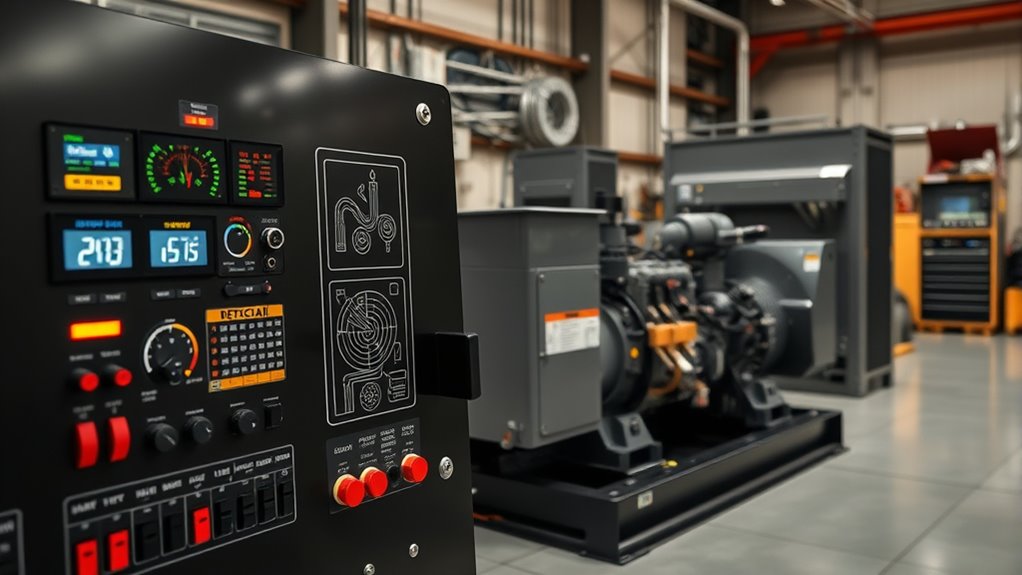
Making informed decisions about your generator’s lifespan and replacement guarantees your power supply remains safe and reliable. Consider factors like fuel efficiency to minimize operational costs and reduce environmental impact. A well-maintained generator with ideal fuel efficiency ensures consistent power without overloading or wasting fuel. Noise reduction is also crucial; quieter models decrease disruptions, especially in residential or noise-sensitive environments. Regularly monitoring your generator’s performance helps identify signs of wear early, preventing unexpected failures. When choosing a replacement, evaluate the age, maintenance history, and current condition to make a confident decision. Staying proactive with maintenance, fuel management, and noise control ensures your generator delivers dependable, safe power whenever you need it, avoiding costly outages or safety hazards.
Frequently Asked Questions
Can Environmental Conditions Affect Generator Lifespan Predictions?
Environmental impact and climate considerations definitely affect your generator lifespan predictions. Harsh conditions like extreme heat, cold, humidity, or pollution can accelerate wear and tear on your equipment. These factors might shorten your generator’s life or require more frequent maintenance. By accounting for climate considerations, you can better estimate when to replace your generator, ensuring reliable performance and avoiding unexpected breakdowns due to environmental stressors.
How Do Different Generator Types Impact Replacement Timing?
Different generator types dramatically determine replacement timing, as durable diesel designs deliver dependable power, while lightweight, fuel-efficient inverter models optimize energy use. You’ll notice that larger, noisier gas generators tend to wear faster, demanding earlier replacement, whereas quieter, more efficient models extend lifespan. By considering fuel efficiency and noise levels, you can better anticipate when each type requires replacement, ensuring reliable performance without unnecessary expense or interruption.
Is It Necessary to Perform Professional Assessments Regularly?
Yes, you should perform professional assessments regularly. Following maintenance schedules and inspection routines guarantees your generator stays in good condition. Regular inspections help identify issues early, preventing costly repairs and unexpected failures. By scheduling professional assessments, you maintain peak performance, extend the lifespan, and ensure safety. Don’t skip these check-ups; they’re essential for reliable operation and keeping your generator running efficiently when you need it most.
What Are Cost-Effective Strategies for Generator Maintenance?
To save costs on generator maintenance, stick to a regular maintenance schedule and perform routine inspections yourself. Schedule professional check-ups only when necessary, focusing on critical components. Keep detailed records to track maintenance history and identify patterns. This proactive approach helps manage costs effectively, prevents costly repairs, and extends your generator’s lifespan. Prioritizing preventive maintenance ensures reliable performance while keeping your maintenance expenses under control.
How Do Warranty Terms Influence Replacement Decisions?
About 60% of generator owners find warranty impact vital when deciding on replacements. Your warranty terms shape your decision by highlighting coverage limitations and repair costs. If coverage is extensive, you might delay replacing your generator; if limited, you may opt for early replacement to avoid out-of-pocket expenses. Understanding these terms ensures you make informed choices, balancing costs and reliability, ultimately extending your generator’s effective lifespan.
Conclusion
By understanding your generator’s lifespan, monitoring key indicators, and using the calculator wisely, you can make informed decisions, plan proactively, and extend your generator’s life. Recognize signs of wear, evaluate your usage and maintenance, and act when needed. Stay attentive, stay prepared, and keep your power reliable. With knowledge and vigilance, you’ll ensure your generator serves you well, providing safe, dependable power today and in the future.
Halloween Picks
halloween
As an affiliate, we earn on qualifying purchases.