
To build an effective EPSS plan, start by evaluating your facility’s critical systems and power needs. Incorporate reliable battery backups to provide immediate support, and install generators for longer-term outages, guaranteeing seamless activation with automatic transfer switches. Regular maintenance, testing, and clear protocols are essential to guarantee system readiness. Integrate these components into an all-encompassing plan with staff training and redundancy to boost resilience—continue exploring for detailed steps and best practices.

Get backup power and energy gear delivered free with Prime
- Fast, free delivery on millions of items
- Prime Video, Amazon Music and more included
- Member-only deals all year
Key Takeaways
- Assess critical loads and facility requirements to determine appropriate battery backup and generator capacities.
- Develop detailed procedures for system testing, maintenance, and emergency response protocols.
- Select reliable generator types and ensure automatic transfer switches for seamless power switching.
- Integrate backup systems into a comprehensive EPSS plan with defined roles, responsibilities, and staff training.
- Regularly test, inspect, and document system performance to ensure readiness and compliance with safety standards.
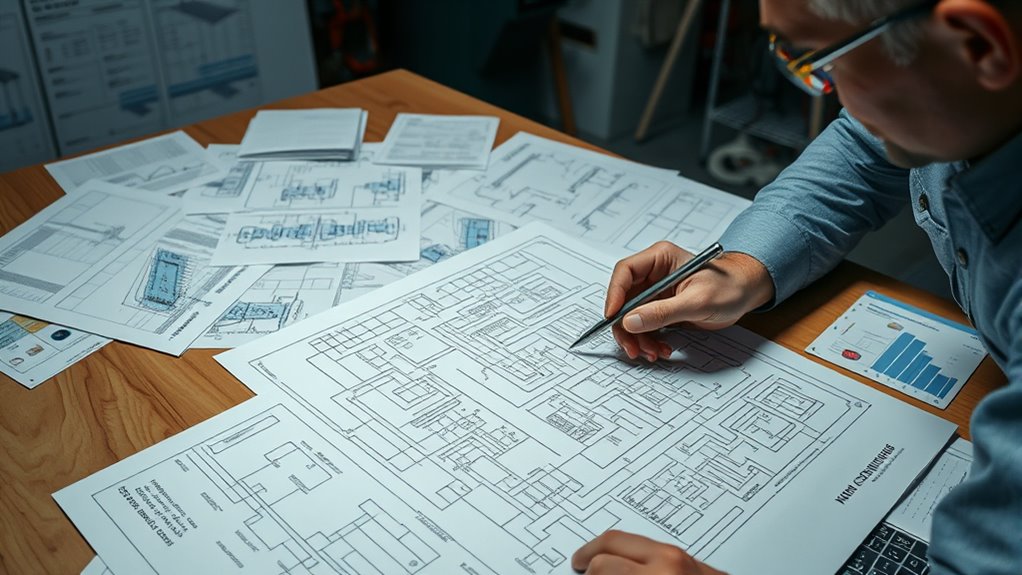
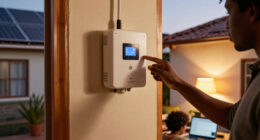
Have you ever considered what happens when a power outage strikes your facility? Without a reliable emergency power system, critical operations can halt, data may be lost, and safety could be compromised. To prevent these issues, building an effective emergency power supply system (EPSS) plan is essential. The first step involves understanding the importance of incorporating a battery backup system. Battery backup units provide immediate power in the seconds after an outage occurs, bridging the gap until a generator kicks in. They’re compact, reliable, and require minimal maintenance, making them ideal for supporting essential systems like security, communications, and data storage. When designing your EPSS, ensure your battery backup is properly sized to handle the load of vital equipment during outages, and regularly test and maintain it for optimal performance.
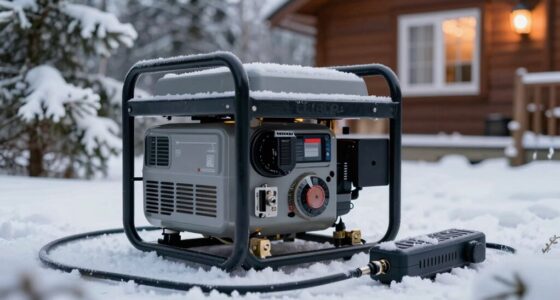
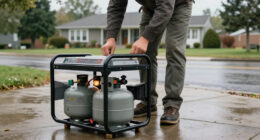
Generator installation is the next critical component of your plan. Unlike battery backups, generators provide longer-term power support and are capable of handling larger loads. When considering generator installation, evaluate factors such as the size of your facility, the criticality of operations, and local regulations. A properly installed generator can automatically activate when power fails, ensuring seamless continuity of operations. You’ll need to select a generator with sufficient capacity to power essential systems without overloading, and it’s wise to install automatic transfer switches to facilitate quick, automatic switching between the main power and backup power sources. Additionally, consider the fuel source—whether natural gas, diesel, or propane—and ensure you have a reliable supply to keep the generator running during extended outages.
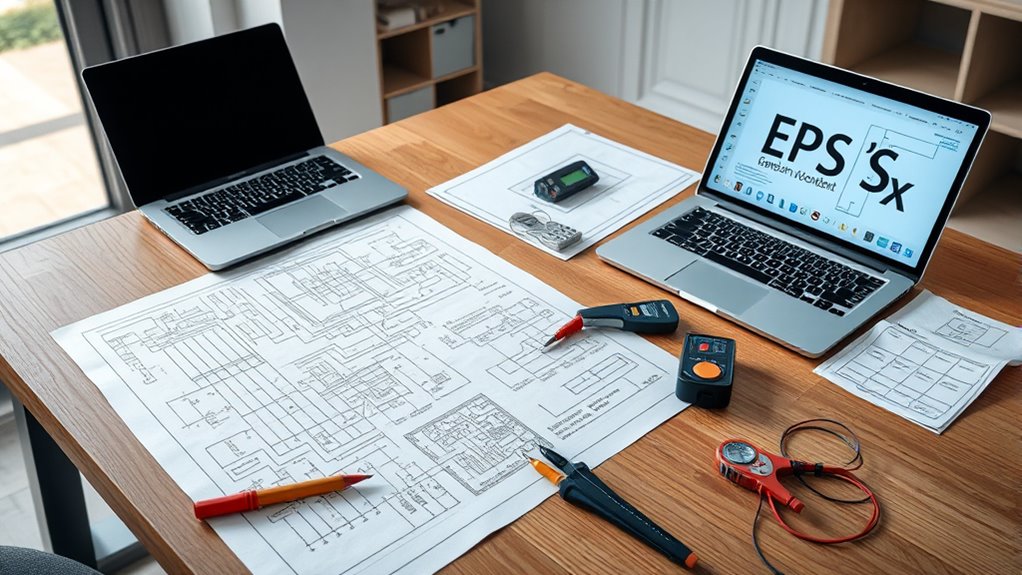
Planning for maintenance and testing is essential. Regularly scheduled checks ensure that your battery backup remains functional and that your generator is ready to operate at a moment’s notice. Testing your entire backup system periodically helps identify potential issues before an actual outage occurs. Also, develop a clear protocol for manual intervention if automatic systems fail or require servicing. Keep detailed records of maintenance activities and test results to comply with safety standards and to track system performance over time.
Finally, integrate your battery backup and generator systems into a comprehensive EPSS plan that clearly defines roles, responsibilities, and procedures during an outage. Train your staff on how to operate and troubleshoot the backup systems. By proactively planning and maintaining your emergency power supply, you safeguard your facility’s operations, protect your data, and ensure safety for everyone involved. Building a resilient EPSS isn’t just about installing equipment; it’s about creating a dependable, well-maintained system that kicks in seamlessly whenever the unexpected occurs. Additionally, consider system redundancy to enhance overall reliability and ensure continuous power availability during component failures.
Frequently Asked Questions
How Often Should I Perform Maintenance on My EPSS?
You should perform maintenance on your EPSS at least twice a year. During these checks, you need to conduct battery testing to guarantee your power supply is reliable and perform system inspections to identify any potential issues. Regular maintenance helps prevent failures during emergencies, keeps your system in peak condition, and ensures compliance with safety standards. Don’t forget to document all inspections and testing results for future reference.
What Are the Environmental Considerations for EPSS Placement?
Did you know that improper site selection can increase environmental impact by up to 40%? When choosing a location for your EPSS, consider factors like proximity to water sources, flood zones, and air quality. Selecting a site with minimal ecological disruption helps prevent pollution and ensures safety. Prioritize stable, well-drained ground, and avoid sensitive habitats, so your system operates efficiently while safeguarding the environment.
How Do I Ensure Compatibility With Existing Backup Systems?
You guarantee compatibility with existing backup systems by focusing on system integration, making certain the new EPSS aligns with current power and communication setups. Regular backup testing is vital; it verifies that both systems work seamlessly during an outage. Document all integration steps and testing results to identify potential issues early. This proactive approach helps maintain reliable backup power, minimizing disruptions during emergencies.
What Training Is Necessary for Emergency Responders?
You need to guarantee your emergency responders receive thorough training that covers hazard awareness and first aid skills. This training prepares them to recognize potential hazards quickly and respond effectively in emergencies. Regular drills and updates keep their skills sharp, ensuring they can handle situations confidently. Emphasize practical exercises, clear communication, and teamwork, so responders are well-equipped to protect lives and manage incidents efficiently.
How Can I Upgrade My EPSS for Future Needs?
You can upgrade your EPSS by increasing battery capacity to support longer power outages and incorporating a modular design for easy expansion. Regularly assess your current system’s performance, identify potential future needs, and invest in scalable components. Upgrading batteries or adding modules guarantees your system stays reliable and adaptable, preparing you for evolving emergency requirements. This proactive approach keeps your power supply resilient and ready for any situation.
Conclusion
As you finalize your EPSS plan, remember that the true test lies ahead. Will your system withstand unforeseen challenges? Every detail you’ve considered could make all the difference when moments matter most. Don’t underestimate the power of thorough preparation—because in emergencies, the unexpected is just around the corner. Stay vigilant, keep refining your plan, and be ready to adapt. The safety of your facility depends on your readiness—are you truly prepared for what’s next?
Fall Picks
fall essentials
As an affiliate, we earn on qualifying purchases.