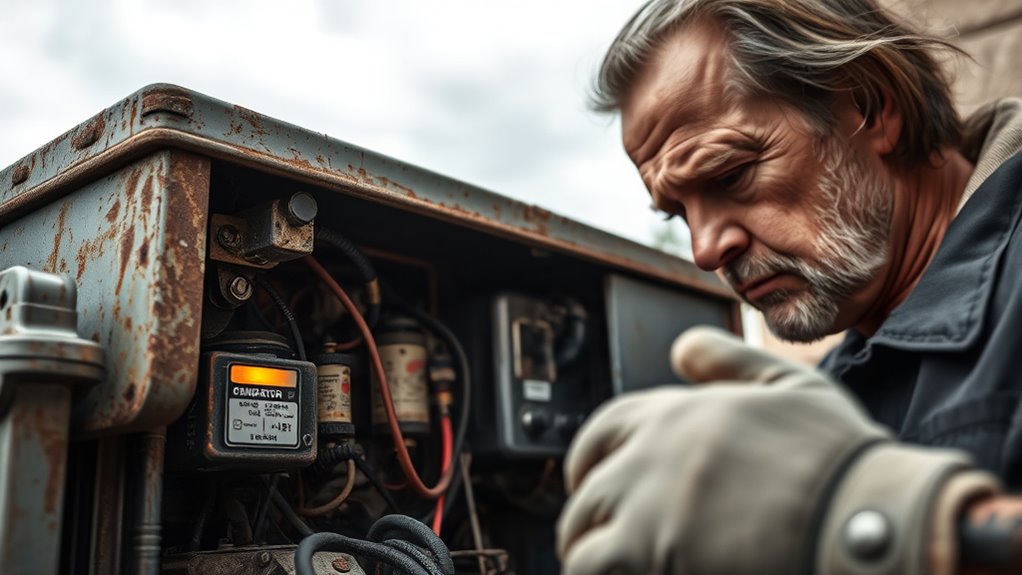

You should call a generator technician if your generator won’t start during a power outage, makes strange noises, trips circuit breakers, or supplies inconsistent power. Also, if it stalls unexpectedly or shows signs of mechanical issues like vibrations, it’s time to seek professional help. Ignoring these signs can lead to more serious damage or unsafe conditions. Keep this in mind—there’s more you can do to guarantee your generator stays reliable.
Prime for Young Adults — start your free trial
Fast free delivery, streaming and member deals for eligible 18–24 year olds.
As an affiliate, we earn on qualifying purchases.
Key Takeaways
- If your generator fails to start during power outages despite troubleshooting.
- When you notice unusual sounds, vibrations, or inconsistent power output.
- If the generator trips circuit breakers or fails during testing.
- When there are signs of mechanical issues like strange noises or loose parts.
- For routine inspections, maintenance, calibration, or if you suspect electrical faults.
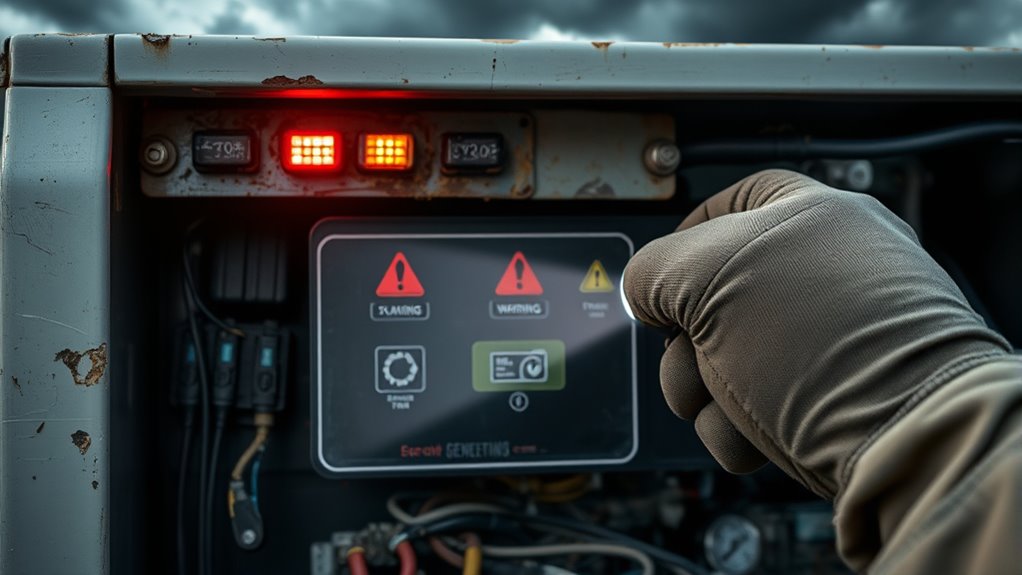
A generator can be an essential backup during power outages, but knowing when to call a technician is imperative to guarantee it functions properly when you need it most. Regular maintenance is key to keeping your generator reliable, so sticking to a proper maintenance schedule should be your top priority. If you notice any irregularities, such as strange noises, difficulty starting, or inconsistent power output, it’s time to bring in a professional. Skipping scheduled maintenance or attempting DIY repairs can lead to more serious problems down the line, especially during an emergency when you rely on your generator the most.
One clear sign you need a technician is if your generator fails to start during a power outage despite following basic troubleshooting steps. Emergency troubleshooting might help temporarily, but persistent issues often indicate underlying problems that require expert diagnosis. For example, if your generator stalls or shuts off unexpectedly, it could be a sign of fuel system issues, electrical faults, or worn-out components. Attempting to fix these yourself without proper knowledge risks causing further damage or voiding warranties. Calling a technician ensures that the problem gets addressed accurately and efficiently.
Another situation that warrants a professional call is if your generator produces abnormal sounds or vibrations. These noises are often indicators of mechanical issues or loose parts that need tightening or replacement. Ignoring these symptoms can lead to more severe damage, increasing repair costs and downtime. Additionally, if you notice frequent tripping of circuit breakers or failure to supply power during testing, it’s best to have a technician evaluate your system. These issues can stem from faulty wiring, overloads, or bad connections—problems that only a trained eye can diagnose correctly.
Even if your generator appears to run smoothly, scheduling regular check-ups with a technician can prevent unexpected failures. During these visits, they can perform detailed inspections, test system components, and update your maintenance schedule to match your usage patterns. Remember, consistent professional maintenance extends the lifespan of your generator and ensures it’s ready when needed. Preventative measures such as proper calibration and timely diagnostics are crucial for optimal performance. Don’t wait until an emergency strikes to realize your backup system isn’t functioning properly. Staying proactive with maintenance and knowing when to seek expert help can save you time, money, and stress when power outages hit.
Top picks for "call generator technician"
As an affiliate, we earn on qualifying purchases.
Frequently Asked Questions
How Often Should I Schedule Generator Maintenance?
You should schedule generator maintenance at least once a year, but the ideal maintenance schedule depends on your usage and environment. Regular inspections, ideally every three to six months, help catch issues early. Keep an eye on your generator’s performance and follow the manufacturer’s recommended inspection frequency. If you notice any irregularities or if your generator runs frequently, consider more frequent maintenance to guarantee reliable operation.
What Are Common Signs My Generator Needs Repairs?
You’ll want to call a generator technician if you notice strange noises, difficulty starting, or uneven power output, as these signs threaten generator safety and emergency preparedness. If your generator stalls, emits smoke, or produces warning lights, don’t delay—these issues signal it’s time for professional help. Addressing these signs promptly guarantees your system remains reliable during emergencies, keeping your home safe and your backup power ready when you need it most.
Can I Troubleshoot Generator Issues Myself?
You can try DIY fixes and troubleshooting tips if your generator has minor issues. Start by checking the fuel level, oil, and battery connections. Inspect for loose wires or corrosion. Reset the circuit breaker if needed. However, avoid attempting complex repairs like engine parts or electrical systems. If these steps don’t solve the problem or you feel unsure, it’s best to call a generator technician to prevent further damage.
How Long Does Generator Repair Typically Take?
Generator repairs usually take between a few hours to a couple of days, depending on the issue. For example, if your generator needs a fuel efficiency upgrade, a technician might replace filters or components, which can be done quickly. Complex problems like noise reduction system failures may take longer. If you’re unsure or the repair involves intricate parts, it’s best to call a technician promptly to avoid further damage.
Is It Better to Repair or Replace an Old Generator?
It’s usually better to replace an old generator if the cost comparison shows frequent repairs or declining efficiency. Replacing might cost more upfront but saves you money long-term and reduces environmental impact with a more efficient unit. If your old generator requires constant repairs and is outdated, investing in a new, energy-efficient model is smarter, more reliable, and eco-friendly, saving you money and helping the environment.
Conclusion
Think of your generator as a trusted friend—it keeps your home running smoothly, but only if you listen when it whispers. Last winter, my generator sputtered during a storm, and calling a technician saved us from hours of discomfort. Remember, ignoring warning signs can turn a minor hiccup into a costly breakdown. So, stay attentive, and when in doubt, call a professional—because timely help keeps your home powered and your peace of mind intact.
NFL season / tailgating Picks
team gear
As an affiliate, we earn on qualifying purchases.