Shutdown alarms alert you to critical system issues that require quick action, with codes signaling specific problems like high temperature or low oil pressure. Understanding these codes helps you respond effectively while ensuring compliance with standards set by bodies like OSHA and NFPA. Staying aware of regular maintenance, testing procedures, and updates prevents costly mistakes and safety hazards. If you want to master alarm interpretation and compliance, there’s more essential information ahead.
Key Takeaways
- Proper understanding of alarm codes enables quick fault diagnosis and appropriate shutdown actions, ensuring safety and minimizing equipment damage.
- Regular testing and maintenance of shutdown alarms are essential to meet regulatory standards and prevent system failures.
- Familiarity with industry standards (OSHA, NFPA) helps ensure compliance and enhances alarm system reliability.
- Effective alarm management involves documenting activities, training operators, and understanding operational modes for accurate responses.
- Staying updated on code changes and collaborating with manufacturers ensures alarm systems remain compliant and effective.
Understanding Shutdown Alarms and Their Purpose

Shutdown alarms are critical safety features designed to alert you when a machine or system encounters a potentially dangerous issue. They’re integrated into the overall alarm system setup, guaranteeing quick detection of faults or hazards. Proper alarm system integration helps you respond promptly, minimizing risks and preventing damage. To make the most of these alarms, operator training is essential; it teaches you how to recognize alarm signals and take correct actions immediately. When shutdown alarms activate, they serve as a clear warning that something’s wrong, prompting you to follow safety procedures. Understanding their purpose ensures you don’t ignore or overlook these vital alerts, ultimately keeping you and your workplace safe while maintaining equipment reliability. Utilizing self-watering plant pots as an analogy, proper maintenance and understanding of alarm systems help prevent overwatering or under-watering issues, which can lead to system failures.
Common Types of Shutdown Alarm Codes and What They Indicate

Understanding the various alarm codes that trigger shutdowns can help you quickly identify the underlying issue. Recognizing common shutdown alarm codes streamlines troubleshooting and assures proper alarm code prioritization. Here are some typical codes you might encounter:
Knowing common shutdown alarm codes helps you quickly identify issues and prioritize troubleshooting efforts.
- Overtemperature Alarm – Indicates excessive heat, requiring immediate cooling system checks.
- Low Oil Pressure – Signals potential lubrication issues, risking equipment damage.
- High Vibration – Suggests mechanical imbalance, needing inspection of moving parts.
- Corrosion or Mineral Buildup – Can affect sensor accuracy and equipment performance, emphasizing the importance of proper maintenance and alarm code interpretation.
The Role of Regulatory Bodies in Setting Compliance Standards

Regulatory agencies play a vital role in establishing safety standards for shutdown alarms, ensuring systems work reliably during emergencies. They develop these standards through structured processes that include research, testing, and stakeholder input. By understanding their responsibilities and procedures, you can better grasp how compliance is maintained across industries. Additionally, AI detection methods are increasingly integrated into safety protocols to verify system integrity and authenticity.
Regulatory Agency Responsibilities
Regulatory agencies play a crucial role in establishing and enforcing compliance standards that businesses must follow to guarantee safety and reliability. They set clear guidelines for alarm system integration, ensuring systems work seamlessly and effectively. These agencies also mandate operator training, so personnel understand how to respond to shutdown alarms properly. Additionally, they often specify requirements for designing a safe environment, which includes factors like proper layout and accessibility to facilitate quick and efficient responses during emergencies.
Here are three key responsibilities of regulatory bodies:
- Developing technical standards for alarm system integration to prevent false alarms and system failures.
- Requiring thorough operator training to ensure proper response during shutdown alarms.
- Conducting inspections and audits to verify compliance with established codes, maintaining safety consistency across industries.
Standards Development Processes
To develop effective compliance standards for alarm systems, regulatory bodies follow structured processes that guarantee safety and reliability. They start by reviewing current alarm design best practices and evaluating real-world system integration challenges. Industry experts and stakeholders collaborate through committees to draft clear guidelines that address system performance, installation, and maintenance. These standards undergo rigorous testing and feedback cycles, ensuring they adapt to new technologies and evolving threats. Regulatory agencies then formalize these standards, making them mandatory for manufacturers and installers. This process ensures alarm design remains consistent across systems and that integration with other safety features is seamless. Incorporating Cultural Intelligence into these standards can enhance cross-cultural understanding among international stakeholders. Ultimately, these standards help you implement alarms that are dependable, compliant, and capable of effectively protecting your facilities.
Key Regulations and Standards Governing Shutdown Alarm Systems
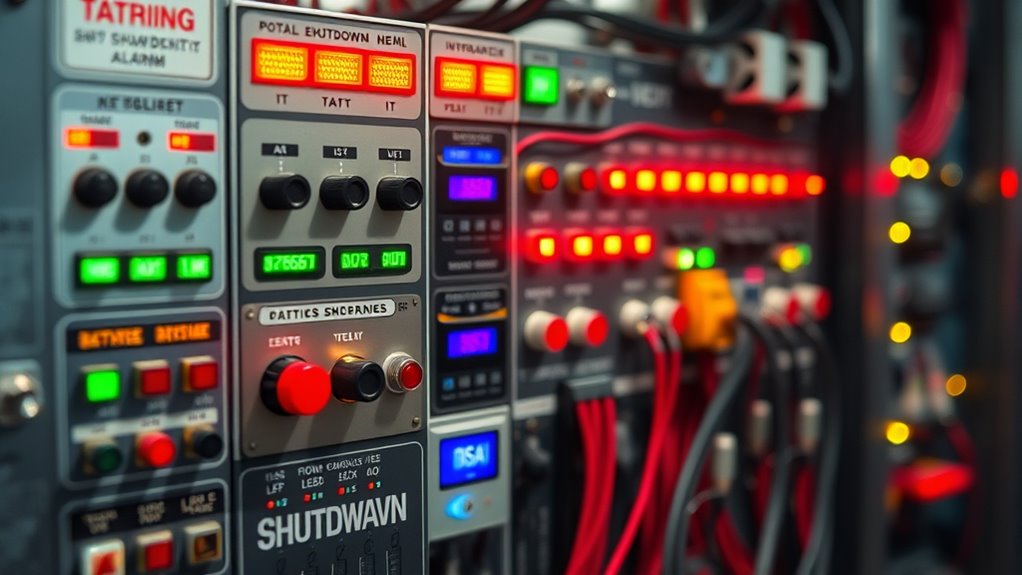
You need to understand the key regulations that govern shutdown alarm systems to guarantee compliance. OSHA and NFPA standards set essential safety requirements, while local codes may add specific rules for your area. Knowing these regulations helps you design and maintain alarms that keep everyone safe. Additionally, staying informed about cybersecurity vulnerabilities is crucial, as technological disruptions like the recent Cybersecurity Hack’n Jill incident can impact system integrity and safety protocols.
OSHA and NFPA Standards
Are you aware of the key standards that guarantee shutdown alarm systems are reliable and safe? OSHA and NFPA set essential regulations to ensure alarm system integration and the effectiveness of emergency shutdown procedures. These standards help prevent accidents and protect workers. Ensuring proper use of essential oils in alarm system maintenance can also support system longevity and performance.
Here are three critical points:
- OSHA mandates proper alarm system design to alert personnel and facilitate safe shutdowns.
- NFPA standards specify requirements for alarm reliability and system integration in hazardous environments.
- Both organizations emphasize regular testing and maintenance to ensure emergency shutdown procedures work flawlessly.
Understanding and complying with these standards guarantees your shutdown alarms are compliant, reliable, and effective in protecting your team during emergencies.
Local Code Requirements
Building on the importance of OSHA and NFPA standards, understanding local code requirements is essential for ensuring your shutdown alarm systems meet all regional regulations. Local code updates can vary substantially between jurisdictions, so staying informed helps you avoid compliance issues. You must review regional building codes, fire codes, and safety standards that govern alarm systems and shutdown procedures. Keeping thorough compliance documentation is vital for inspections and audits. Regulations may specify alarm placement, signal types, and testing protocols unique to your area. Regularly updating your knowledge of local codes ensures your systems are compliant and reliable. Additionally, incorporating sound design principles can enhance alarm effectiveness and clarity during emergencies. Ignoring these regional rules can lead to costly penalties or system failures during emergencies, so always verify your shutdown alarms align with current local code requirements.
How to Interpret Alarm Codes for Effective Response

Understanding alarm codes is vital for responding quickly and effectively to shutdown alarms. Proper signal interpretation helps you identify the root cause of the issue and prevent equipment damage or downtime. To interpret alarm codes efficiently, focus on these key steps:
- Identify the code pattern—note any numbers, letters, or flashing signals that indicate specific faults.
- Consult the alarm troubleshooting guide—match the code with manufacturer instructions to understand the problem.
- Prioritize response actions—determine whether immediate shutdown, inspection, or maintenance is needed based on the code.
- Consider the inverter generator’s operation mode—understanding different operational states can help clarify alarm signals and appropriate responses.
Mastering how to interpret alarm signals ensures a swift, accurate response, minimizing risks and maintaining system integrity. This knowledge is vital for effective alarm management and compliance.
Best Practices for Maintaining and Testing Shutdown Alarms

Effective maintenance and regular testing of shutdown alarms are vital to guarantee they function correctly when needed. You should establish strict maintenance schedules, ensuring alarms are inspected and serviced consistently. Alarm testing involves verifying that sensors and alarm circuits activate properly and respond within specified timeframes. Incorporate routine checks into your maintenance routines, documenting all activities for compliance purposes. Testing should include both manual and automatic procedures to confirm alarm reliability under different conditions. Keep detailed records of maintenance and test results, addressing any deficiencies immediately. Regularly monitoring alarm performance and adjusting procedures as necessary help ensure ongoing effectiveness. By adhering to best practices, you minimize the risk of alarm failure during critical moments. Regular maintenance and alarm testing are your best tools for ensuring safety, compliance, and operational readiness at all times.
Consequences of Non-Compliance and How to Avoid Them

Failing to comply with shutdown alarm maintenance and testing requirements can lead to serious safety, legal, and financial consequences. Alarm system vulnerabilities increase the risk of system failures during emergencies, jeopardizing safety. Non-compliance can also result in hefty fines and legal action if authorities find your facility isn’t up to code. Additionally, poor alarm reliability hampers emergency preparedness, leaving you unready when it matters most. To avoid these issues, focus on:
Neglecting shutdown alarm testing risks safety, legal penalties, and compromised emergency readiness.
- Regularly testing and maintaining your alarm system to prevent vulnerabilities.
- Staying updated on current code requirements to guarantee compliance.
- Conducting thorough emergency preparedness drills that include alarm system scenarios.
Addressing these areas helps safeguard your facility, guarantees legal adherence, and maintains effective emergency response capabilities.
Tips for Staying Up-To-Date With Code Changes and Industry Requirements
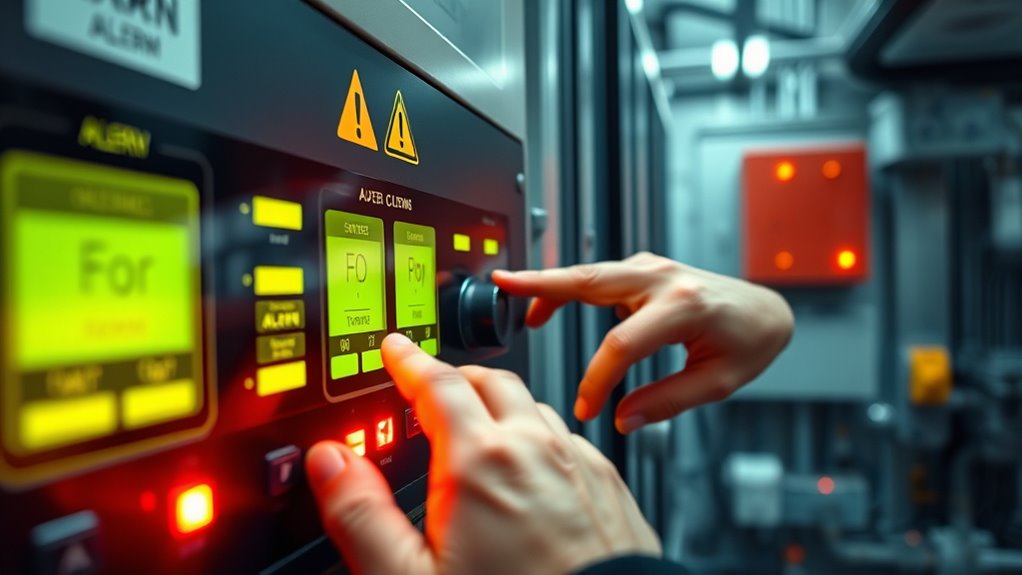
Staying current with code changes and industry requirements is essential to guarantee your alarm system design stays compliant and effective. Regularly review updates from relevant codes and standards, such as NFPA or local regulations. Participate in industry training sessions and workshops to deepen your understanding of new requirements and best practices in alarm system design. Subscribe to industry newsletters and join professional organizations to stay informed about upcoming changes. Collaborate with manufacturers and vendors who provide updates on product compliance. Keeping yourself educated and connected helps you adapt quickly to new standards, minimizes risks of non-compliance, and maintains system reliability. Consistent learning and proactive engagement are key to staying ahead in a constantly evolving industry.
Frequently Asked Questions
How Often Should Shutdown Alarms Be Tested for Optimal Performance?
You should test shutdown alarms at least quarterly to guarantee peak performance. Regular alarm maintenance and consistent testing frequency help catch issues early and prevent false alarms or system failures. By scheduling these tests every three months, you keep the alarms reliable, compliant, and ready to alert you when needed. Don’t skip routine checks—staying proactive with testing frequency minimizes downtime and enhances overall safety.
Are There Specific Training Requirements for Personnel Responding to Alarms?
A stitch in time saves nine, so proper personnel training is essential. You should guarantee staff responding to alarms are trained in alarm response protocols, including understanding alarm types and emergency procedures. Specific training requirements may vary by industry, but ongoing education helps personnel respond swiftly and effectively. Well-trained staff can minimize risks, ensuring compliance and safety, so prioritize thorough training programs to keep everyone prepared and confident in handling shutdown alarms.
What Are the Most Common Mistakes in Interpreting Alarm Codes?
You often misinterpret alarm codes due to a lack of alarm code accuracy, which can lead to incorrect troubleshooting. To avoid this, double-check the code details and refer to the manufacturer’s documentation. Focus on clear communication during technician troubleshooting, ensuring each alarm is correctly identified before taking action. This reduces errors and improves response time, helping you handle shutdown alarms more effectively and maintain system safety.
How Do Shutdown Alarms Integrate With Other Safety Systems?
Did you know that over 60% of safety incidents involve poor alarm system integration? Shutdown alarms seamlessly connect with other safety systems, like fire suppression or emergency shutdowns, to guarantee coordinated responses. Your role in safety protocol coordination is vital—by integrating alarms properly, you ensure rapid, effective actions during emergencies, reducing risks and enhancing overall safety. Proper integration keeps all systems working together, minimizing confusion and delays when every second counts.
Can Custom Alarm Codes Be Developed to Suit Specific Facility Needs?
Yes, you can develop custom alarm codes to suit your specific facility needs through custom code development. This allows you to tailor shutdown alarms for better facility customization, ensuring that alarms accurately reflect your unique operational risks and safety protocols. Collaborate with your safety system provider to create codes that enhance response times and compliance, making your safety measures more effective and aligned with your facility’s particular requirements.
Conclusion
By understanding shutdown alarms and their codes, you hold the key to a safer, more compliant operation. Think of these alarms as your trusted lighthouse, guiding you through the storm of regulations and potential hazards. Stay vigilant, keep your systems tested, and stay current with industry standards. When you master these elements, you’ll steer clear of costly mishaps and keep your facility shining brightly as a beacon of safety.