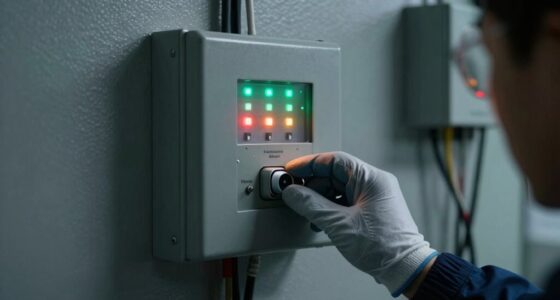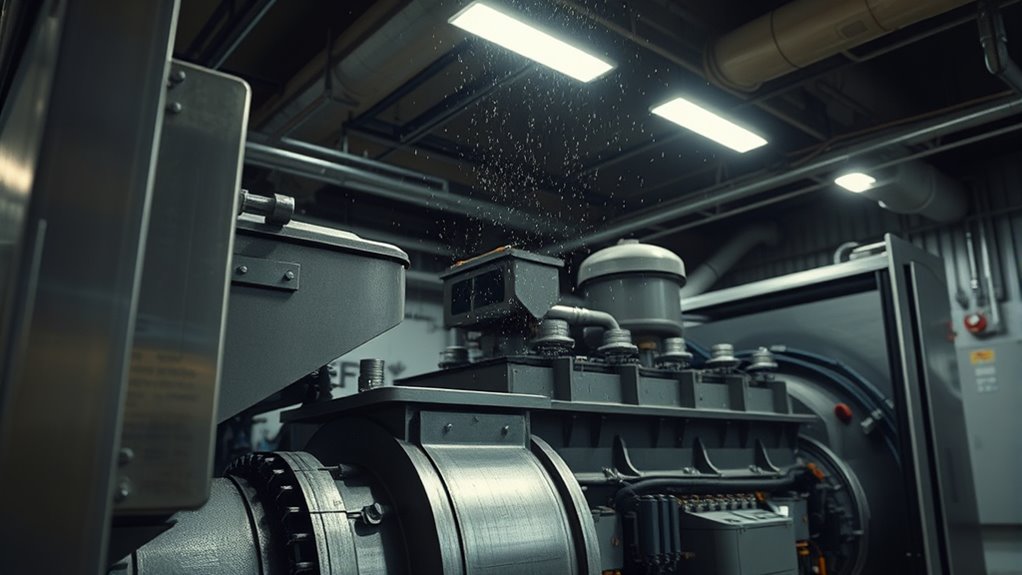

If your generator is vibrating or making loud noises, it’s often caused by imbalances, loose parts, or poor vibration damping. Mechanical issues like misaligned or worn components can increase shaking and sound. Tightening fasteners, replacing worn parts, or adding vibration dampers can reduce these problems. Upgrading to models with better isolation features or soundproof enclosures also helps. Keep exploring to discover more effective solutions for quieter, smoother generator operation.

Get backup power and energy gear delivered free with Prime
- Fast, free delivery on millions of items
- Prime Video, Amazon Music and more included
- Member-only deals all year
Key Takeaways
- Unbalanced rotating parts and loose fasteners cause excessive vibrations and loud noises in generators.
- Proper vibration damping pads and mounts absorb vibrations, reducing noise and operational shaking.
- Regular maintenance, including inspecting and balancing components, prevents imbalance-related noise issues.
- Upgrading to modern generators with soundproofing and vibration isolation features can significantly lower noise levels.
- External noise barriers and enclosures help contain sound and minimize environmental noise pollution.

Have you ever noticed unusual vibrations or loud noises coming from your generator? These issues can be more than just annoying; they can indicate underlying problems that, if left unaddressed, might lead to damage or reduced lifespan. One of the main causes of excessive vibrations and noise is the lack of effective vibration damping. When your generator runs, it produces mechanical energy that can cause parts to shake and rattle. Without proper vibration damping measures, these movements become louder and more intense over time, accelerating wear on components and increasing noise levels. To combat this, installing vibration damping pads or mounts is essential. These materials absorb and dissipate the vibrations, preventing them from traveling through the frame and into the surrounding environment. Not only does this improve comfort, but it also considerably enhances noise reduction, creating a quieter operation overall.
Another common reason for loud noises and vibrations is imbalance within the generator’s moving parts. If the internal components, such as the rotor or flywheel, are misaligned or worn out, they can cause uneven rotation. This imbalance intensifies vibrations and generates additional noise, making your generator sound rough and unstable. Regular inspections and maintenance help identify these issues early. Balancing the rotating parts or replacing worn components can restore smooth operation, reducing both vibrations and noise. Additionally, loose bolts, nuts, or mounting brackets can contribute to rattling sounds and increased vibrations. Tightening these fasteners ensures the generator remains securely anchored, preventing parts from shifting during operation.
Furthermore, the quality of the generator’s design influences noise levels. Older or poorly engineered models tend to vibrate more and produce louder sounds during operation. Upgrading to a modern unit with built-in noise reduction features can make a noticeable difference. Some models incorporate soundproof enclosures or specialized vibration isolation systems that markedly cut down on noise transmission. If replacing the entire generator isn’t an option, adding external noise barriers or enclosures around the unit can also help contain sound. Additionally, selecting a generator with better vibration damping features can significantly reduce noise and improve overall operation.
Frequently Asked Questions
How Can I Prevent Generator Vibrations During Startup?
To prevent generator vibrations during startup, you should follow proper startup procedures and make certain vibration isolators are intact and properly fitted. Start the generator gradually, avoiding sudden loads or high RPMs, which can cause excessive vibrations. Regularly inspect vibration isolators for wear or damage and replace them if needed. Proper maintenance and careful handling during startup help minimize vibrations and extend your generator’s lifespan.
Are There Specific Noise Levels Considered Safe for Generators?
While generator noise levels vary, staying within safety thresholds is key. Noise level standards typically recommend keeping sound output below 85 decibels to prevent hearing damage. You should measure your generator’s noise and compare it to these safety thresholds. If it exceeds the limit, consider installing mufflers or sound enclosures. Protecting your hearing and maintaining a safe environment depends on monitoring and managing noise levels effectively.
What Tools Are Best for Diagnosing Generator Vibration Issues?
You should use vibration analysis tools like handheld vibration meters or portable data collectors to diagnose generator vibration issues. These diagnostic tools help you measure vibration levels accurately, identify imbalance or misalignment, and detect bearing faults. By analyzing the data collected, you can pinpoint the problem source quickly, allowing you to implement effective fixes and reduce noise and vibration, ensuring smoother generator operation.
How Often Should Generator Vibration and Noise Be Inspected?
Think of your generator as a heartbeat—its vibrations and noise reveal its health. You should inspect vibrations and noise at least every three to six months, depending on usage and operating conditions. Incorporate vibration monitoring into your maintenance schedule to catch issues early. Regular inspections help prevent unexpected breakdowns, ensuring your generator runs smoothly and quietly, just like a well-tuned heart keeps your system alive and thriving.
Can Generator Vibrations Affect Nearby Equipment or Structures?
Yes, generator vibrations can affect nearby equipment or structures. Excessive vibrations can compromise foundation stability and cause misalignment of connected equipment. You should regularly monitor vibration levels and guarantee proper foundation support to prevent damage. Proper maintenance and vibration control measures help keep nearby structures safe, ensuring that vibrations don’t lead to costly repairs or safety hazards. Acting promptly minimizes long-term issues and maintains overall operational stability.
Conclusion
To keep your generator running smoothly, addressing vibrations and noise promptly is key. For example, a homeowner noticed excessive noise and shaking during power outages. After inspecting, they discovered loose mounting bolts and worn mounts. Tightening and replacing these parts considerably reduced vibrations and noise, restoring quiet operation. Regular maintenance can prevent such issues, saving you time and money. Stay proactive, and your generator will serve you reliably when you need it most.
Fall Picks
fall essentials
As an affiliate, we earn on qualifying purchases.