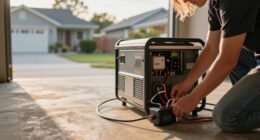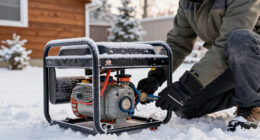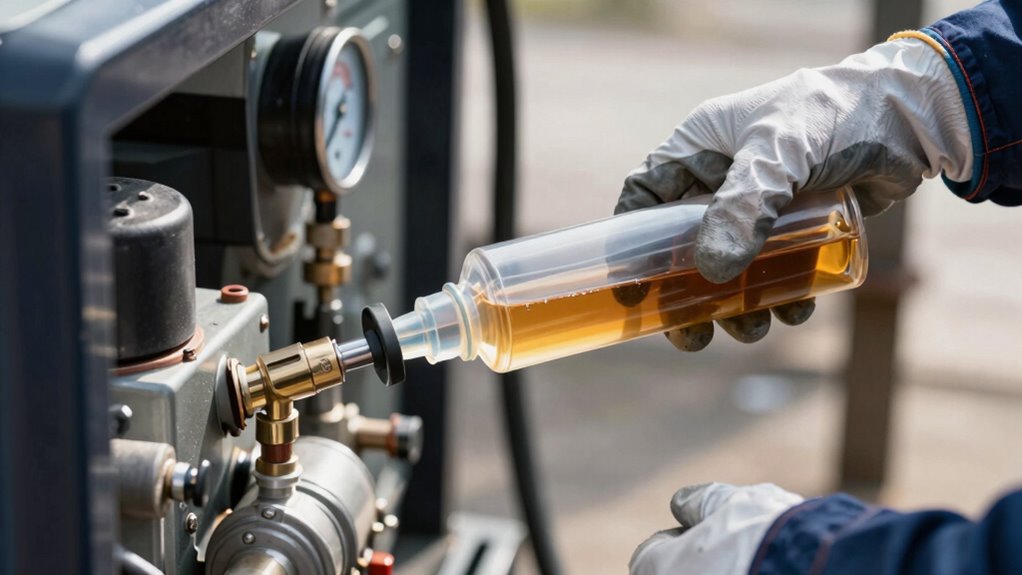

To keep your standby generator reliable, regularly sample and inspect your fuel. Use clean containers, avoiding contamination, and extract fuel from different tank areas for an accurate picture. Look for clear, bright fuel—cloudiness or bad odors signal contamination or microbial growth. Consider sending samples to professionals for detailed analysis and take preventive measures like draining contaminated fuel or adding biocides. Stay attentive to fuel quality—your generator depends on it. Keep going to learn more about maintaining ideal fuel conditions.

Get backup power and energy gear delivered free with Prime
- Fast, free delivery on millions of items
- Prime Video, Amazon Music and more included
- Member-only deals all year
Key Takeaways
- Use clean, designated containers to collect fuel samples, avoiding contamination from dirt or moisture.
- Extract fuel from different tank areas to obtain representative samples for accurate assessment.
- Perform visual inspection for clarity and smell for odors indicating contamination or microbial growth.
- Send samples to professional labs for detailed testing of microbial presence, sediments, and fuel quality.
- Regularly monitor fuel condition, promptly drain or replace contaminated fuel, and use additives if needed to maintain quality.
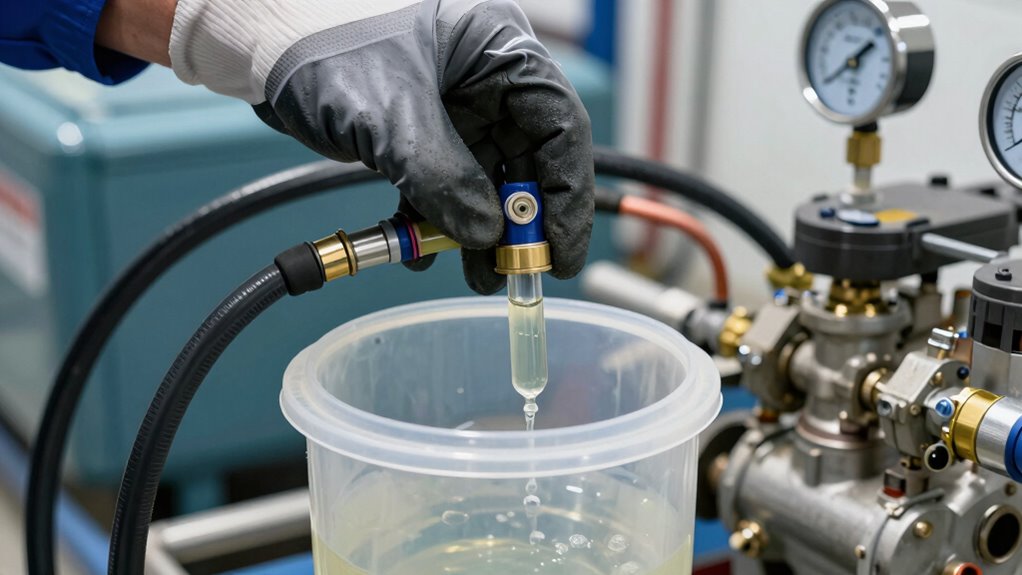
Have you ever wondered why regular fuel sampling is indispensable for your standby generator? The truth is, fuel quality directly impacts your generator’s performance and longevity. Over time, fuel can become contaminated with water, dirt, rust, or microbial growth, which can clog filters, damage injectors, or cause the engine to fail when you need it most. That’s why understanding fuel sampling techniques is essential. Proper sampling helps you detect issues early, guaranteeing your generator runs smoothly during power outages.
When you perform fuel sampling, you’re fundamentally taking a small amount of fuel from your tank to analyze its condition. The key here is to follow effective sampling techniques—avoiding contamination during the process and ensuring representative samples. First, always use clean, dry containers specifically designated for fuel sampling. Avoid touching the inside of the container or lid to prevent introducing dirt or moisture. When extracting fuel, use a clean siphon or a pump designed for fuel to draw directly from the tank’s bottom or side port, depending on your setup. This guarantees you get an accurate sample from different areas within the tank, as fuel quality can vary at different depths. Additionally, understanding the importance of fuel contamination and how it affects your generator is crucial for proper maintenance. Regularly inspecting your fuel and understanding fuel stability can help prevent long-term issues. Maintaining awareness of fuel absorption properties is vital, as they can influence microbial growth and sediment formation.
Once you have the sample, inspect its appearance visually. Clear, bright fuel indicates good quality, while cloudy or murky fuel suggests contamination. Smell the sample; a strong, sour, or musty odor is a sign of microbial growth or water presence. Next, you can perform simple tests like a water-fuel separation test—adding a small amount of water absorbent or waiting to see if water separates from the fuel. For more detailed analysis, sending samples to a professional lab provides insights into fuel purity, microbial contamination, or the presence of sediments.
Regular sampling is fundamental because it helps you catch problems before they cause costly repairs or operational failures. It’s recommended to sample your fuel at regular intervals—every few months or before critical seasons—especially if your generator has been idle for an extended period. If you notice signs of contamination, take immediate action by draining and replacing the fuel, cleaning the tank, and using fuel additives or biocides if necessary. Consistent monitoring and proper sampling techniques keep your standby generator ready to perform when you need it, preventing unexpected breakdowns and ensuring reliable backup power. Staying informed about fuel quality and how it impacts engine health further supports effective management.
In short, mastering fuel sampling techniques and staying vigilant about fuel contamination are simple yet powerful steps. They help you maintain clean, high-quality fuel, ultimately preserving your generator’s performance and extending its lifespan.
Frequently Asked Questions
How Often Should I Perform Fuel Sampling on My Generator?
You should perform fuel sampling regularly, ideally every 3 to 6 months, depending on your fuel storage conditions. Sampling frequency guarantees you catch contamination or water accumulation early, preventing generator issues. If your fuel storage involves longer periods without use, increase sampling frequency to maintain fuel quality. Regular sampling helps identify potential problems before they affect your generator’s reliability during critical power outages.
What Tools Are Necessary for Effective Fuel Sampling?
You need a clean, sealed fuel container to collect samples without contamination. Use a proper sampling technique by inserting a clean sampling probe or siphon tube into the tank, ensuring you reach the fuel’s bottom to get an accurate sample. Make sure your tools are sanitized beforehand. This helps you accurately assess fuel quality, preventing issues like water or sediment buildup that could compromise your generator’s performance.
Can Fuel Additives Improve Sample Quality?
Did you know that over 30% of fuel samples show signs of instability? Fuel additives can improve sample quality by enhancing fuel stability and preventing degradation. However, you need to guarantee additive compatibility with your fuel type to avoid adverse reactions. Proper additives can help maintain clean, stable fuel, making your samples more accurate for testing and ensuring your generator runs reliably when needed.
Is Professional Testing Required for Contaminated Fuel?
Yes, professional testing is required for fuel contamination to make certain accurate results and safety compliance. You should follow established testing protocols to identify issues like water, microbial growth, or sediment. Relying on expert analysis helps you determine the extent of fuel contamination, enabling proper remediation. Skipping professional testing might lead to overlooked problems, risking generator failure or damage, so always consult qualified fuel testers for reliable assessments.
How Do Weather Conditions Affect Fuel Sampling Procedures?
Heavy rain can compromise fuel stability, making proper sampling techniques essential. Imagine sampling fuel during a storm; moisture can cause contamination, skewing results. To guarantee accurate assessments, you should avoid sampling in extreme weather conditions. Instead, wait for stable weather, and use sealed containers to prevent moisture ingress. Proper sampling techniques in good weather help detect fuel degradation early, maintaining generator reliability when you need it most.
Conclusion
Now that you know the basics of fuel sampling, you’re better prepared to protect your standby generator. But remember, fuel issues can develop when you least expect them, and catching problems early could be the difference between seamless power and costly repairs. Are you ready to take that extra step? Regular sampling might just be your secret weapon—don’t wait until it’s too late. The next surprise in your generator’s performance could be just a sample away.
Halloween Picks
halloween
As an affiliate, we earn on qualifying purchases.