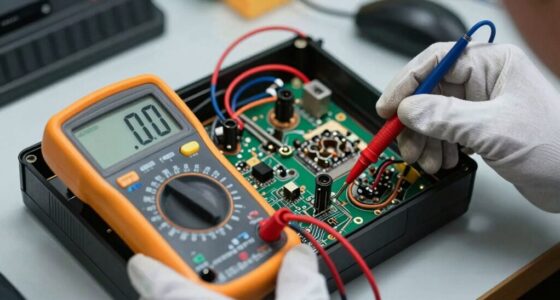
If your generator runs but produces no power, start by checking the fuel type and level to verify proper fuel delivery. Inspect the fuel filters, lines, and carburetor for dirt, clogs, or damage and clean or replace them if needed. Also, examine the spark plugs, oil levels, and air filters to keep the engine running smoothly. Troubleshooting these common issues can often restore power, and more tips await if you keep exploring.

Get backup power and energy gear delivered free — and shop member deals
- Fast, free delivery on millions of items
- Access to Prime Big Deal Days deals on October 6–7
- Prime Video, Amazon Music and more included
Key Takeaways
- Check the fuel level and ensure the generator is using the correct, clean fuel type; low or contaminated fuel can prevent power output.
- Inspect and replace clogged fuel filters or damaged fuel lines to ensure proper fuel delivery to the engine.
- Verify that the generator’s circuit breakers or switches are properly engaged and not tripped.
- Perform routine maintenance like checking oil levels, spark plugs, and air filters for optimal engine performance.
- Test the generator’s electrical outlets and wiring for damage or loose connections that could block power flow.
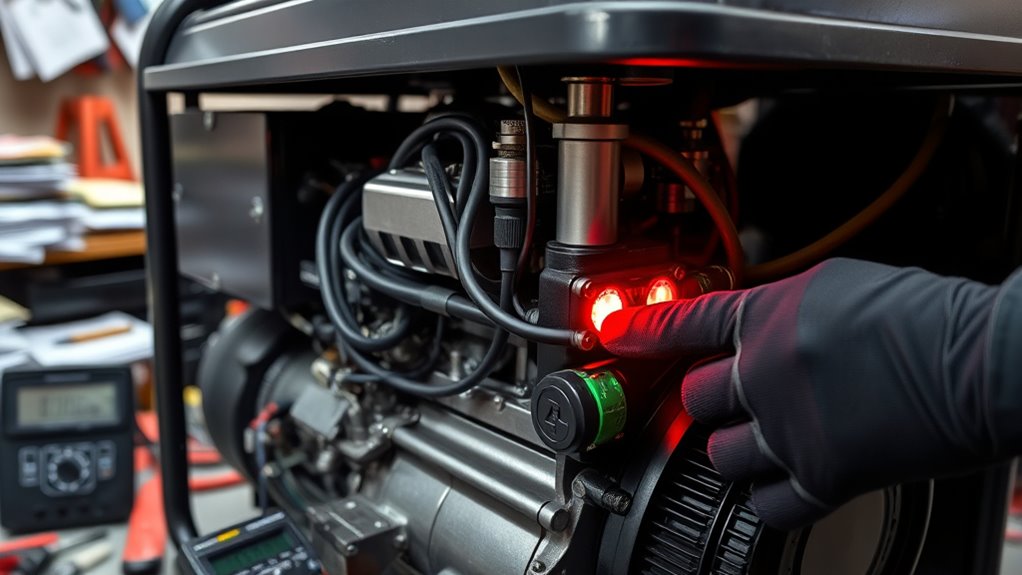
When your generator isn’t producing power, it can be frustrating and disruptive. You rely on it to keep your home or business running smoothly, and when it runs but doesn’t generate electricity, it’s a clear sign something’s off. One of the first things you should check is the fuel type your generator uses. Different generators operate on gasoline, diesel, propane, or natural gas, and each fuel type requires specific handling and maintenance. Using the wrong fuel or contaminated fuel can cause your generator to run without producing power. Make certain you’re using the recommended fuel type for your model, and inspect the fuel for any signs of dirt, water, or stale quality, which can clog filters or fuel lines. Regularly scheduled maintenance becomes vital here, as neglecting to follow your generator’s maintenance schedule can lead to issues like clogged fuel filters or stale fuel, which impede power production.
Next, verify that your fuel tank isn’t empty or nearly empty. Sometimes, it’s as simple as a low fuel level preventing your generator from generating power, even if it’s running. If the fuel level is fine, consider whether the fuel system needs cleaning or replacing. Fuel filters can become clogged over time, restricting fuel flow and causing your generator to run but not produce electricity. Changing filters according to your maintenance schedule can prevent this problem. Also, check the fuel lines for leaks, blockages, or damage, which could disrupt fuel delivery. If your generator has been sitting idle for a while, stale fuel might have settled or degraded, making it necessary to drain and replace it with fresh fuel.
Aside from fuel issues, look into other common maintenance concerns. Regularly scheduled inspections and tune-ups help keep your generator in top condition. Check the oil level and quality, as low or dirty oil can cause the engine to run inefficiently or shut down. Spark plugs, air filters, and battery connections should also be inspected and replaced if worn or dirty. These routine maintenance tasks not only prevent problems but also guarantee your generator produces power when needed. Remember, neglecting maintenance schedules leads to accumulated issues that can cause your generator to run but not generate power.
Frequently Asked Questions
Can a Faulty Spark Plug Cause No Power Output?
Yes, a faulty spark plug can cause no power output. Spark plug issues often lead to engine misfire, preventing your generator from generating electricity effectively. If your spark plug is worn out, dirty, or damaged, it won’t ignite the fuel properly. This disrupts combustion, resulting in the generator running but producing no power. Check and replace your spark plug if you suspect it’s causing the problem to restore proper function.
How Often Should I Perform Generator Maintenance Checks?
Think of your generator as a crucial heartbeat that needs regular checkups. You should perform routine inspections every 50 to 60 hours of operation or at least once a season, whichever comes first. During these checks, examine the fuel system for leaks or clogs and guarantee all connections are tight. Regular maintenance keeps your generator running smoothly, preventing unexpected breakdowns and ensuring it’s ready whenever you need power.
Is It Safe to Troubleshoot My Generator Myself?
Yes, you can troubleshoot your generator yourself, but always prioritize DIY safety. Make sure to unplug the generator and disconnect the spark plug before inspecting any electrical components to avoid electrical hazards. Wear protective gloves and eye gear, and work in a well-ventilated area. If you’re unsure or uncomfortable, it’s best to call a professional. Never take risks with electrical hazards—safety should always come first.
What Are Common Signs of a Failing Generator Alternator?
When your generator shows signs of alternator failure, don’t ignore the warning signs—it’s a red flag. Common signs include strange noises, inconsistent power output, or the generator failing to start. During generator troubleshooting, you might notice the voltage regulator isn’t working properly or the alternator’s belt is worn out. If these issues crop up, it’s a clear sign your alternator is failing, and quick action can save you from bigger headaches down the road.
When Should I Call a Professional for Generator Issues?
You should call a professional when your generator shows signs of electrical issues, like no power output despite running or strange noises, to guarantee generator safety. If your maintenance checklist reveals persistent problems or if you notice corrosion, leaks, or worn parts, it’s time to seek expert help. Regular inspections prevent costly repairs, so don’t delay consulting a pro when troubleshooting beyond basic maintenance to keep your generator running smoothly.
Conclusion
When your generator runs but no power flows, don’t despair. Think of it like a trusty steed in a medieval tale—sometimes it’s just a matter of checking the reins or a loose saddle. Double-check your connections, circuit breakers, and fuel levels. If all else fails, calling a professional is like summoning a seasoned blacksmith to fix the armor. With patience and a bit of troubleshooting, you’ll have your power back faster than you can say “Jolly Roger.”
Fall Picks
fall essentials
As an affiliate, we earn on qualifying purchases.