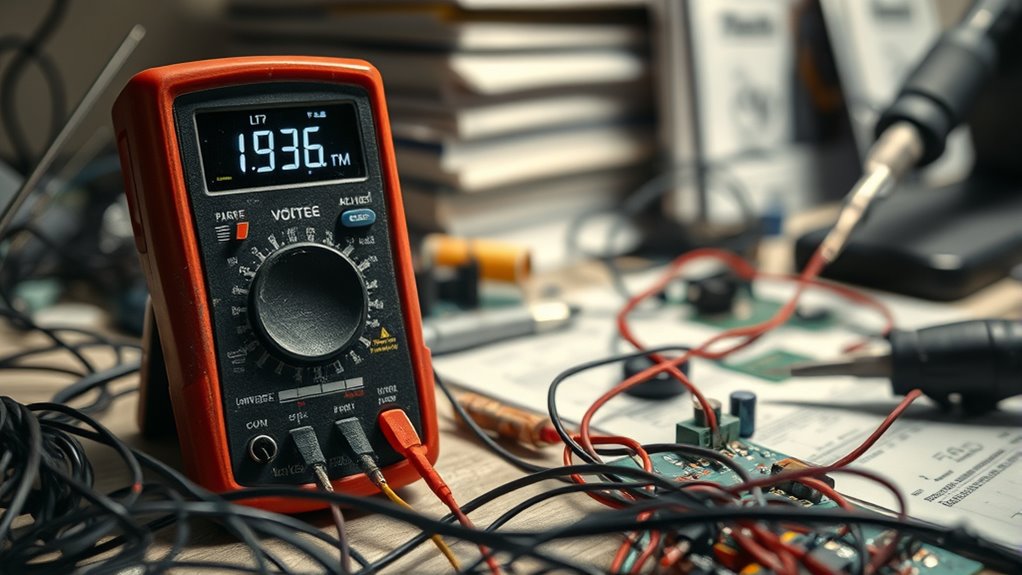

If you experience low voltage output, it’s often caused by issues like faulty power supplies, poor wiring or connections, environmental factors such as temperature and humidity, or increased load demands. Over time, components can wear out or get corroded, impacting regulation and stability. External influences or dust can also cause fluctuations. Understanding these common causes helps you troubleshoot effectively. Keep going, and you’ll discover how to identify and fix these problems confidently.

Get backup power and energy gear delivered free with Prime
- Fast, free delivery on millions of items
- Prime Video, Amazon Music and more included
- Member-only deals all year
Key Takeaways
- Power supply issues, regulation problems, and component aging can cause low voltage output.
- Wiring practices, connection quality, and load variations significantly impact voltage stability.
- Environmental factors like temperature, humidity, dust, and corrosive conditions affect voltage consistency.
- Regular maintenance, inspection, and component testing help prevent voltage drops and system failures.
- Troubleshooting involves verifying voltage sources, inspecting wiring, testing components, and considering environmental influences.
What Are the Common Reasons for Low Voltage Output?
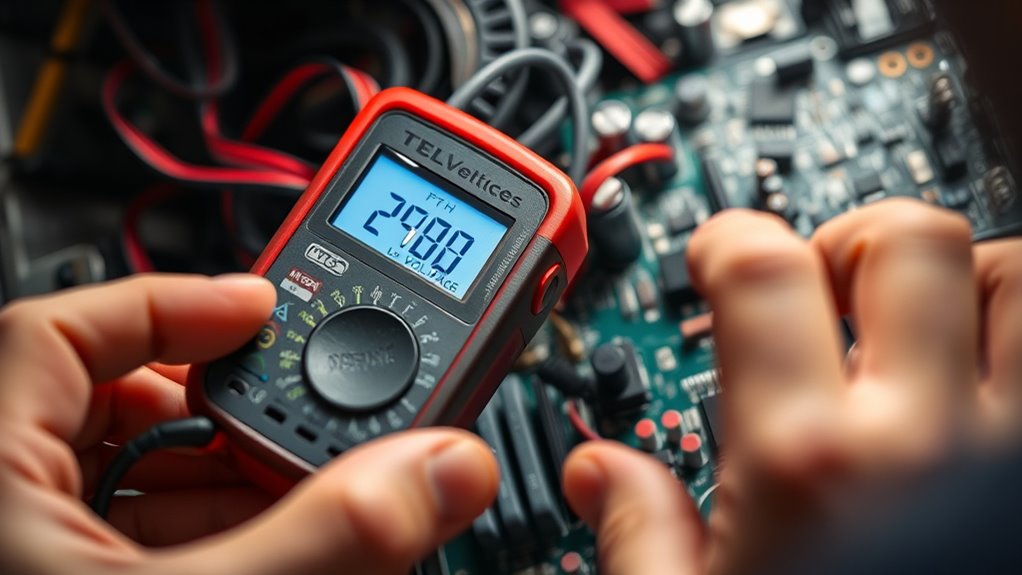
Low voltage output often results from issues within the power supply or connected components. Voltage fluctuation is a common culprit, caused by inconsistent power delivery that leads to unstable voltage levels. You might notice your device’s performance deteriorate when voltage fluctuates, indicating a problem. Circuit noise, which involves unwanted electrical interference, can also cause low voltage output by disrupting the normal flow of current. This noise can stem from nearby electronic devices or poor shielding. Additionally, worn-out components or inadequate power regulation can contribute to voltage drops. To troubleshoot, check for signs of unstable power or interference sources. Identifying and resolving these issues guarantees your system maintains a steady voltage, preventing performance dips and potential damage. Inconsistent power delivery can also be due to fluctuations caused by external factors, such as electrical grid instability.
How Does Wiring and Connection Affect Voltage Levels?
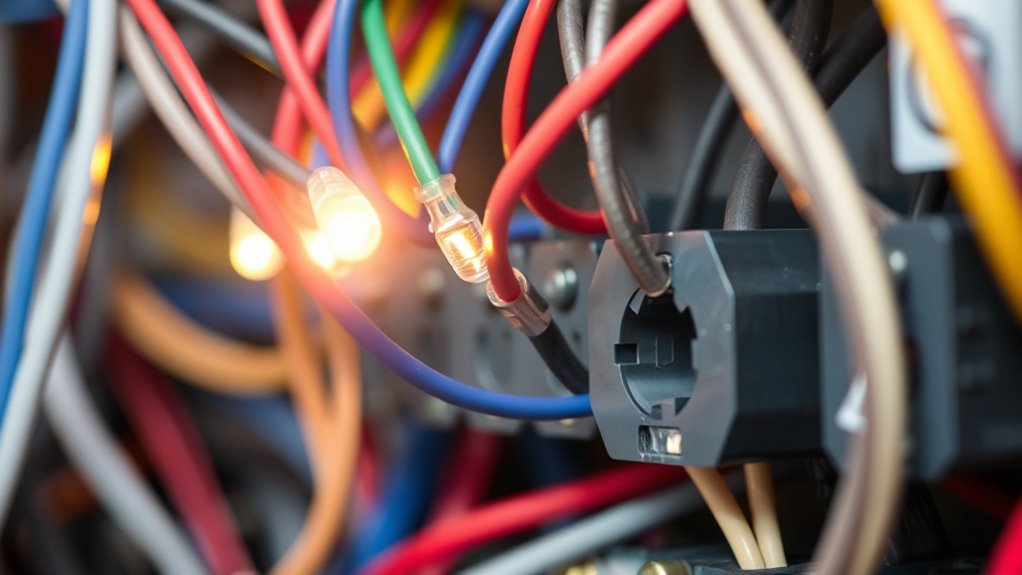
Your wiring and connections directly impact voltage levels, so using the right wire sizes guarantees minimal power loss. Making secure connections prevents voltage drops and intermittent issues, while avoiding circuit interference keeps your system stable. Paying attention to these factors helps maintain consistent voltage output.
Proper Wire Sizing
Proper wire sizing is essential because using wires that are too thin for the current load can cause voltage drops, leading to decreased voltage levels at the device end. Choosing the correct wire gauge guarantees your system’s conductor capacity matches your power needs, preventing unnecessary voltage loss. When your wire gauge is too small, resistance increases, making it harder for current to flow efficiently. This can result in dim lights, sluggish devices, or even damage over time. Additionally, understanding the impact of angel number soulmate can help you recognize the importance of proper wiring for consistent performance and love connections.
- Feel confident knowing your system is safe and efficient
- Avoid costly repairs caused by poor wiring choices
- Ensure your devices receive steady, reliable voltage
Focusing on proper wire gauge selection helps keep voltage levels stable and your system running smoothly. Proper wire sizing isn’t just technical; it’s essential for peace of mind.
Secure Connection Techniques
Secure connections guarantee that electrical current flows efficiently and consistently through your wiring system. Proper grounding techniques are essential to prevent voltage drops and ensure safety, reducing interference and maintaining stable voltage levels. Use reliable grounding methods, such as grounding rods or grounded outlets, to create a clear, low-resistance path for excess current. Additionally, good insulation methods protect conductors from damage and prevent short circuits that can cause voltage fluctuations. Ensure all connections are tight and corrosion-free, as loose or corroded connections hinder current flow and lower voltage output. Proper wiring techniques, including secure terminal connections and adequate insulation, minimize resistance and noise. Employing quality materials for wiring and connectors can significantly improve overall system stability. By focusing on grounding techniques and insulation methods, you help maintain excellent voltage levels and a safe, efficient electrical system.
Avoiding Circuit Interference
Wiring and connection quality directly influence voltage stability by minimizing interference and resistance in the electrical circuit. Poor wiring can introduce issues like ground loops and electromagnetic interference, which cause voltage fluctuations and noise. To avoid circuit interference, ensure your wiring is properly grounded, preventing ground loops that can create unwanted current paths. Use shielded cables where electromagnetic interference is high, and keep signal wires away from power lines. Proper connections reduce resistance, maintaining consistent voltage output. Additionally, implementing Hyundai Tuning techniques can optimize electrical systems for better performance and reliability. Keep wiring neat to prevent accidental disruptions, use shielded cables to block electromagnetic interference, and regularly check connections for corrosion or loose contacts.
Can Faulty Power Supplies Lead to Low Voltage?
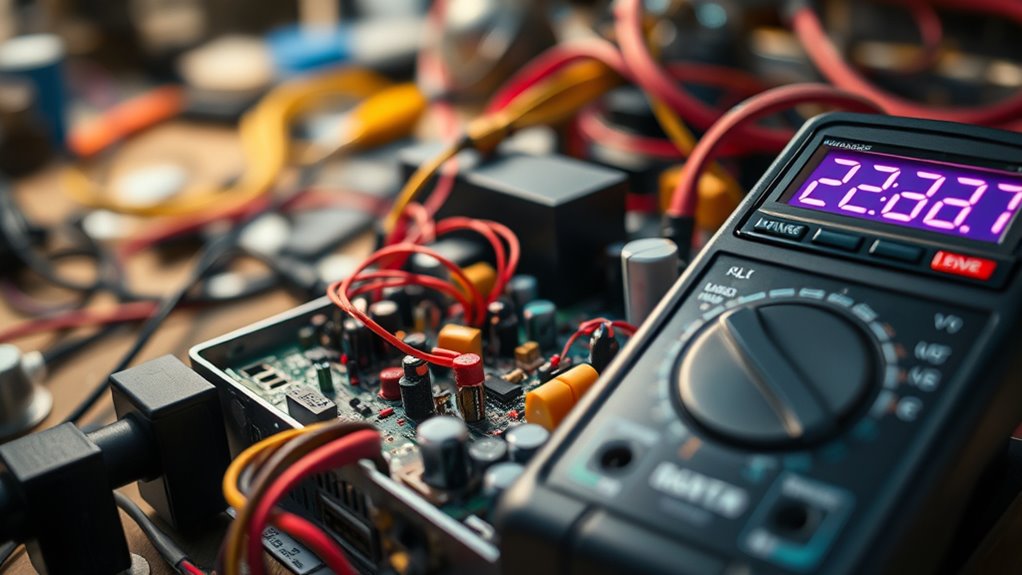
A faulty power supply can definitely cause low voltage issues in your system. When it fails or has regulation problems, it can’t provide stable power, leading to insufficient voltage output. Understanding these failures helps you identify if your power supply is the root of the problem. Regular maintenance and testing can prevent equipment damage due to inconsistent voltage levels.
Power Supply Failures
Faulty power supplies can definitely cause low voltage issues in your system. When a power supply begins to fail, it may struggle to deliver consistent voltage, leading to instability. Problems like ground loops can create unwanted current paths, amplifying voltage fluctuations. Thermal expansion over time can damage internal components, reducing efficiency and causing voltage drops. You might notice your system shutting down unexpectedly or components not functioning correctly. These failures can be subtle but damaging, risking further hardware damage if left unaddressed. Addressing these issues early helps prevent total failure and keeps your system running smoothly. Proper maintenance practices are essential for ensuring the longevity and reliable operation of your power supply. Don’t ignore the warning signs; your system’s stability depends on it.
Voltage Regulation Issues
When a power supply’s voltage regulation fails, it can’t maintain steady output levels, which often results in low voltage conditions in your system. This issue may stem from insulation degradation or component aging, reducing the power supply’s ability to adapt to load changes. As parts wear out, voltage regulation becomes unstable, causing fluctuations or drops. Understanding these causes helps you identify if your power supply needs replacement or repair. Here’s a quick overview:
| Cause | Effect | Solution |
|---|---|---|
| Insulation degradation | Reduced efficiency, instability | Replace or repair insulation |
| Component aging | Voltage fluctuations | Upgrade power supply |
| Load variations | Low voltage output | Proper load management |
What Role Do Load Conditions Play in Voltage Drop?
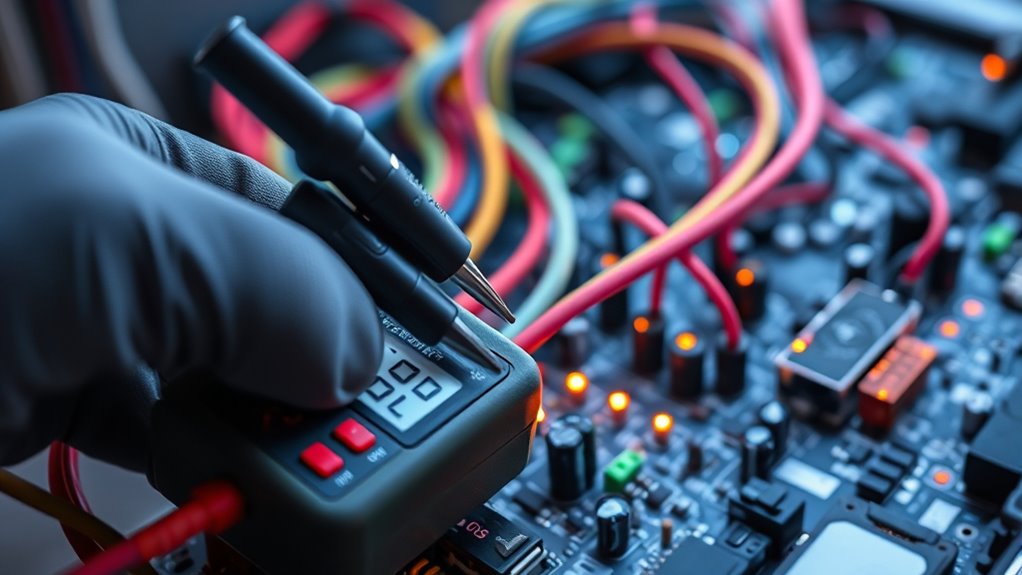
Load conditions directly influence voltage drop because higher current demands increase the resistance’s impact along a circuit. When your load grows, the resistance effects become more pronounced, causing a greater voltage loss before reaching your devices. This load impact explains why even small changes in demand can lead to significant voltage drops, especially in long or thin wiring. Understanding this helps you identify how excessive load can weaken your system’s performance.
- Feel the frustration of equipment malfunctioning due to hidden load impact
- Recognize how resistance effects silently drain your voltage stability
- Empower yourself to optimize load distribution and prevent voltage drops
How Can Environmental Factors Impact Voltage Stability?
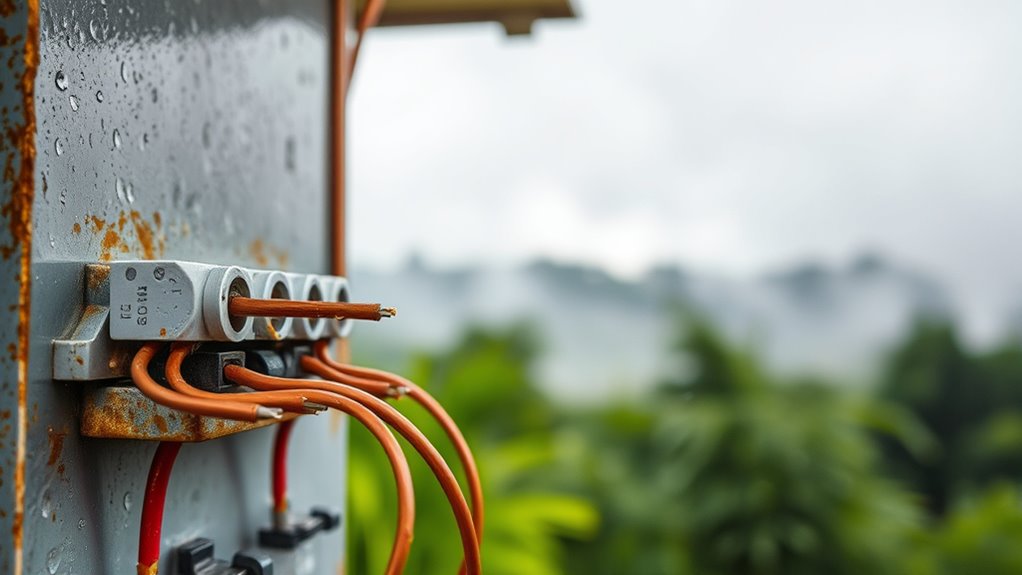
Environmental factors such as temperature, humidity, and exposure to elements can substantially affect voltage stability. When temperatures fluctuate, electrical components expand or contract, which can cause inconsistent voltage output. High humidity levels can lead to moisture buildup, increasing the risk of corrosion and short circuits that disrupt voltage flow. Exposure to dust, dirt, or corrosive environments can also degrade insulation and connections, leading to voltage drops. Temperature fluctuations directly impact the performance of electrical systems, making voltage less stable. To minimize these effects, guarantee your equipment is protected from extreme weather conditions, keep environments clean and dry, and consider using temperature-controlled enclosures. Additionally, antique and vintage items used in decor can sometimes be sensitive to environmental changes, so maintaining a stable environment is crucial. Being aware of these environmental influences helps maintain consistent voltage and prevents unexpected issues.
Why Is Regular Maintenance Important for Voltage Consistency?
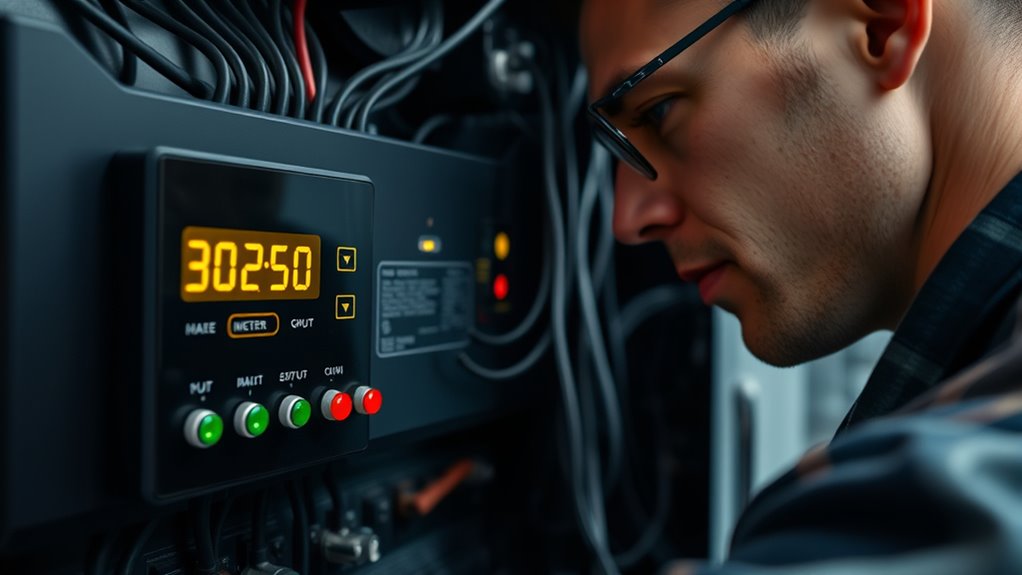
Regular maintenance is essential because it helps identify and address potential issues before they cause voltage fluctuations. Staying on top of your maintenance schedules guarantees your system runs smoothly and prevents unexpected power dips. By regularly inspecting and maintaining your equipment, you reduce the risk of sudden voltage inconsistencies that can damage devices or interrupt operations. Consistent upkeep gives you peace of mind knowing your voltage remains stable.
Regular maintenance prevents voltage fluctuations and keeps your system running smoothly.
- Feel confident knowing your system is reliable and safe
- Avoid costly repairs caused by overlooked issues
- Experience uninterrupted performance and peace of mind
Prioritizing regular maintenance not only safeguards your equipment but also keeps your voltage stable, ensuring your power supply is consistent and dependable. Don’t wait for problems to arise—stay proactive.
What Troubleshooting Steps Can Help Identify the Cause of Low Voltage?

When troubleshooting low voltage, start by checking your power source to guarantee it’s supplying the correct voltage levels. Use troubleshooting tools like a multimeter to perform accurate voltage measurement at different points in your system. This helps identify if the problem stems from the power supply or downstream components. Inspect connections and wiring for looseness, corrosion, or damage, as these can cause voltage drops. If the voltage is still low, test individual components to pinpoint faults. Ensure your equipment is grounded properly and look for any signs of overheating or wear. Document your findings to track patterns and narrow down the root cause. Additionally, understanding environmental considerations can help prevent issues caused by external factors. Taking these steps systematically can save time and lead to effective solutions for low voltage issues.
Frequently Asked Questions
How Do I Measure Voltage Output Accurately?
To measure voltage output accurately, you need to understand voltage fluctuation and use proper measurement techniques. First, make certain your multimeter is set to the correct voltage range. Touch the probes firmly to the circuit terminals without slipping. Keep the probes steady to avoid fluctuations affecting your reading. For consistent results, measure at different times and compare the readings, making sure your device is properly calibrated for precise voltage measurement.
Can Aging Components Cause Low Voltage Issues?
Yes, aging components can cause low voltage issues. Over time, parts like capacitors, resistors, and transistors deteriorate, leading to voltage decline. When these components weaken, they can’t uphold proper voltage levels, resulting in inadequate power output. Regularly inspecting and replacing aging components helps prevent voltage drops and ensures your device functions correctly. Stay proactive by monitoring the condition of your components to avoid unexpected low voltage problems.
What Safety Precautions Are Needed During Troubleshooting?
When troubleshooting low voltage output, you should wear insulated gloves and safety goggles to safeguard yourself. Always consult circuit diagrams and repair manuals before starting to understand the wiring and components involved. Turn off power before working on the system, and avoid working alone in case of emergencies. Using proper tools and verifying power is off ensures your safety while diagnosing and fixing the issue effectively.
How Does Temperature Affect Voltage Stability?
Ever notice how your devices act like drama queens when temperatures fluctuate? Well, thermal expansion causes metal parts to change size, messing with voltage stability. As temperatures rise, components can expand, increasing resistance and dropping voltage output. Conversely, cold snaps make things contract, possibly causing shorts or unstable signals. So, keep an eye on temperature fluctuations—your equipment’s performance depends on it. Stay cool, or stay confused!
Are There Specific Tools Recommended for Testing Voltage?
You should use a reliable multimeter for testing voltage, making certain it’s properly calibrated for accurate readings. Testing equipment like digital multimeters or oscilloscopes can help you measure voltage levels precisely. Before testing, check the multimeter’s calibration to ensure accuracy, and follow the manufacturer’s instructions. Using the right tools and maintaining them properly will give you the confidence to diagnose low voltage issues effectively and avoid false readings.
Conclusion
If you ignore low voltage issues, you risk damaging your entire electrical system and losing power when you need it most. Don’t let faulty wiring or worn-out power supplies turn your home into a disaster zone. By staying vigilant and troubleshooting promptly, you can prevent catastrophic failures that could cost you thousands. Take control now—your safety, appliances, and peace of mind depend on it. Don’t wait until it’s too late to fix the problem!
Fall Picks
fall essentials
As an affiliate, we earn on qualifying purchases.