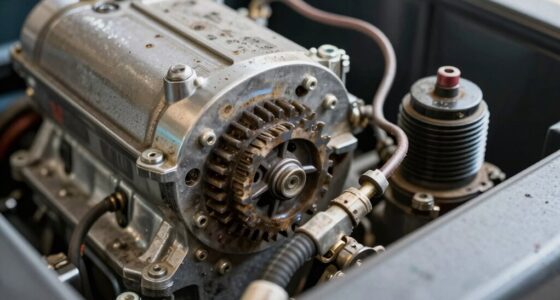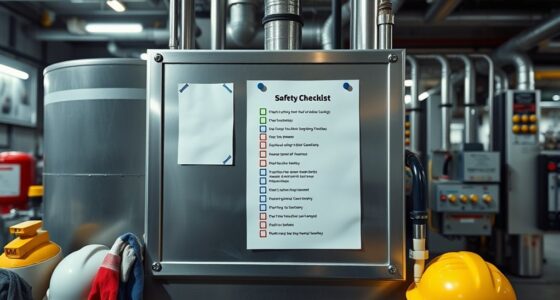
If your generator keeps tripping breakers, start by checking for overloads—ensure you’re not exceeding its capacity and distribute the load evenly. Inspect the fuel system for clogs or dirt, as poor fuel efficiency can strain the engine. Regularly examine wiring, switches, and circuit breakers for wear or damage. Keeping filters clean and performing routine maintenance reduces stress on the system. To pinpoint the exact cause and learn helpful tips, continue exploring solutions for a more reliable generator performance.
Key Takeaways
- Check for overloading by ensuring the generator’s load does not exceed its capacity.
- Inspect and replace dirty air filters, fuel injectors, and carburetors to maintain efficiency.
- Test wiring connections for looseness or corrosion and ensure proper grounding.
- Follow routine maintenance, including oil changes and circuit breaker inspections, to prevent faults.
- Reduce electrical load temporarily during troubleshooting to identify and prevent trips.

If your generator keeps tripping breakers, it’s a sign that something isn’t working properly and needs your attention. One common cause behind this issue is that your generator isn’t operating efficiently, which could be linked to poor fuel efficiency or neglecting your maintenance schedule. When your generator uses more fuel than necessary or isn’t maintained regularly, it puts extra strain on the system, increasing the likelihood of breaker trips. Addressing these issues can help restore proper function and prevent further breakdowns.
First, check the fuel efficiency of your generator. If it’s consuming more fuel than usual, it might indicate underlying problems like clogged air filters, dirty fuel injectors, or a malfunctioning carburetor. These issues cause the engine to work harder, generating excess heat and electrical load, which can trip the breakers. Ensuring your generator runs efficiently requires regular inspection and cleaning of components that influence fuel consumption. Replacing air filters when dirty, using clean fuel, and keeping fuel lines clear can considerably improve fuel efficiency. This not only reduces operational costs but also minimizes the risk of overloads that lead to breaker trips.
Equally important is maintaining a consistent maintenance schedule. Neglecting routine checks and servicing can lead to worn-out parts, loose connections, and electrical imbalances. Your generator’s manual should outline a maintenance plan, including oil changes, inspecting wiring, testing voltage output, and checking circuit breakers. Skipping these steps can result in degraded performance and increased electrical faults. Regular maintenance helps identify potential problems early, like worn brushes or corroded connections, which, if left unchecked, could cause the generator to overload and trip breakers.
Additionally, pay attention to the load your generator is supporting. Overloading is a common reason for breaker trips, especially if the generator isn’t properly maintained or has poor fuel efficiency. Make sure you’re not exceeding the recommended capacity, and distribute your electrical load evenly across outlets. If you notice frequent trips, consider reducing the load temporarily while you troubleshoot the root causes. Ensuring your generator is properly maintained and operating efficiently can also prevent electrical faults that lead to breaker trips.

Porch Shield Waterproof Universal Generator Cover 32 x 24 x 24 inch - for Most Generators 5000-10000 Watt, Black
- Compatible - More sizes for 5000w -10000w gas...
- Upgrade Material - Made of 600D polyester fabric...
- Tear Resistant & Waterproof - The high-level double...
As an affiliate, we earn on qualifying purchases.
Frequently Asked Questions
Can a Faulty Generator Breaker Cause Power Outages?
Yes, a faulty generator breaker can cause power outages. If your breaker is worn or damaged, it may trip unexpectedly, cutting power. Regular generator maintenance can help identify issues early. If the breaker is defective, you’ll need a breaker replacement to restore reliable power. Don’t ignore frequent trips; addressing these problems promptly ensures your generator functions correctly and prevents unnecessary outages.
How Often Should I Inspect My Generator’s Circuit Breakers?
You should inspect your generator’s circuit breakers at least once every three to six months as part of your maintenance schedule. Regular breaker inspection frequency guarantees early detection of wear, corrosion, or damage that could cause tripping issues. If you notice frequent trips or signs of damage, increase inspection frequency. Consistent checks help maintain reliable power and prevent unexpected outages, keeping your generator running smoothly when you need it most.
Are There Specific Signs Indicating Breaker Wear or Damage?
Ever wonder if your breaker is whispering for help? Look for signs like breaker corrosion or wiring damage, which indicate wear or impending failure. Corrosion can cause poor connections, while damaged wiring might trip the breaker repeatedly. If you notice these signs, it’s essential to replace or repair the breaker promptly to prevent more serious electrical issues. Regular inspections help catch these problems early, keeping your generator running smoothly.
Is It Safe to Reset a Tripped Breaker Immediately?
It’s generally safe to reset a tripped breaker following proper reset guidelines, but you should always prioritize breaker safety. First, verify you identify and fix the underlying issue causing the trip before resetting. If the breaker trips again immediately, avoid resetting it repeatedly, as this could be dangerous. Always turn off connected devices, wait a few moments, then gently reset the breaker, monitoring for any signs of trouble.
What Are Common Non-Electrical Reasons for Breaker Trips?
Think of your generator as a hardworking engine wearing down over time. Non-electrical issues like poor generator maintenance or a shortened breaker lifespan can cause trips. Dirt, dust, or moisture build-up can clog vents, overheat components, and trigger safety shuts. Regular maintenance keeps your generator running smoothly, preventing unnecessary trips. So, check for these non-electrical factors first—keeping your system healthy and avoiding breaker trips becomes a rhythmic dance of care and attention.
Porch Shield Waterproof Universal Generator Cover 38 x 28 x 30 inch - for Most Generators 5500-15000 Watt, Black
- Compatible - More sizes for 5500w -15000w gas...
- Upgrade Material - Made of 600D polyester fabric...
- Tear Resistant & Waterproof - The high-level double...
As an affiliate, we earn on qualifying purchases.
Conclusion
Just like a detective who follows clues to solve a mystery, troubleshooting your generator’s breaker trips requires patience and attention. Remember the story of a homeowner who ignored a small flicker, only to face a costly outage later. Regular checks and prompt action can prevent minor issues from becoming major headaches. Think of your generator as the heartbeat of your home—keep it steady, and it’ll keep your life running smoothly.

GenArmor Generator Covers While Running, 100% Waterproof Heavy Duty Tarps Generator Tent, Portable Outdoor Generator Enclosure for Most 4000w~13000w Generators, Black, Standard
- 100% Waterproof Protection: A patented innovation from GenArmor...
- Robust Integrated Design: Our unique design secures the...
- Long-lasting Durability: Weighs a hefty 14 pounds,...
As an affiliate, we earn on qualifying purchases.
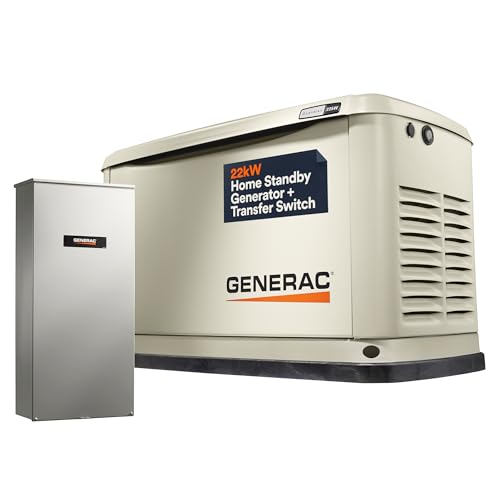
Generac Guardian 22kW Home Generator, Transfer Switch & WiFi Monitoring
- Remote Monitoring Anywhere: With Generac 7043 22kW Mobile...
- Whole House Protection: Enjoy comprehensive coverage with Generac's...
- Long-Term Assurance: Backed by a 5-Year Limited...
As an affiliate, we earn on qualifying purchases.