
TL;DR
Daqo New Energy announced a CNY 6 billion investment to build a smart energy systems manufacturing base in Kunshan, focusing on power equipment and storage solutions for AI data centers. This marks a diversification beyond its core polysilicon business, signaling strategic growth in energy tech.
Daqo New Energy has announced a CNY 6 billion ($835 million) investment to build a smart energy systems manufacturing base in Kunshan, focusing on advanced power equipment and storage solutions for AI data centers. This strategic move expands the company’s scope beyond polysilicon manufacturing into integrated energy technology, aiming to support next-generation power distribution systems.
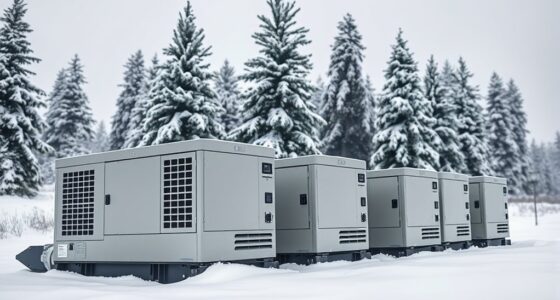
The project, developed through a partnership with the Kunshan Economic and Technological Development Zone Administrative Committee, will establish a facility dedicated to research, manufacturing, and commercialization of smart energy solutions. These include energy storage systems, solid-state transformers, circuit breakers, and batteries, tailored for AI data centers’ power needs.
Daqo’s subsidiary, Daqo Energy Technology (Shanghai), will lead the project, which aims to support the evolving infrastructure requirements of AI data centers, a sector experiencing rapid growth. The investment underscores Daqo’s strategic diversification amid declining polysilicon prices, with the company positioning itself in the broader energy and data infrastructure markets.
Strategic Diversification of Daqo’s Business Portfolio
This development signals a significant strategic shift for Daqo New Energy, traditionally a polysilicon producer, as it ventures into the energy systems sector. The move aligns with broader industry trends toward integrated energy solutions and supports the rapid expansion of AI data centers, which require advanced power management infrastructure. For investors and industry watchers, it indicates Daqo’s intent to diversify revenue streams and reduce reliance on polysilicon amid price volatility.
Top picks for "chinese industry brief"
Open Amazon search results for this keyword.
As an affiliate, we earn on qualifying purchases.
Industry Trends and Market Conditions Driving Diversification
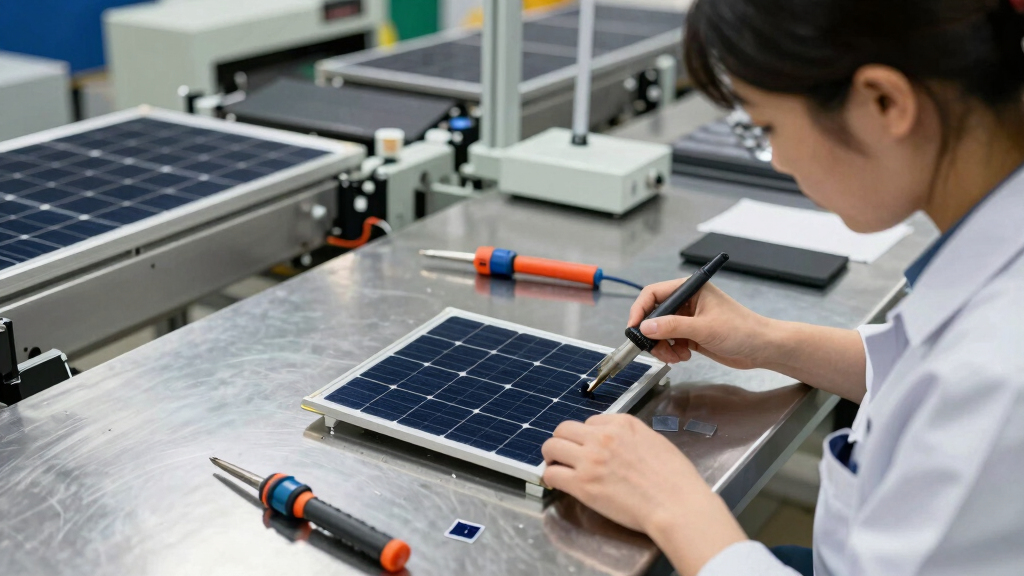
Polysilicon prices in China continue to decline, with the Silicon Industry Branch of CNIMA reporting a week-on-week drop of approximately 2.3% for N-type recharging polysilicon, and stable wafer prices across major categories. Meanwhile, major Chinese PV module manufacturers, including JinkoSolar and Yingli Energy, are participating in large-scale procurement tenders, reflecting ongoing growth in solar deployment.
Despite the market softness in polysilicon, the broader energy sector, especially AI data centers, is experiencing increased demand for advanced power solutions. Daqo’s investment in smart energy systems aligns with this trend, emphasizing the importance of integrated energy infrastructure in supporting digital and renewable energy expansion.
Unclear Details on Project Timeline and Scale
While the investment amount and project scope are announced, specific timelines for construction, operational start, and full commercial deployment remain unconfirmed. Additionally, the exact capacity and technological specifications of the proposed energy systems are still under development, and regulatory approvals are pending.
Next Steps in Project Development and Industry Impact
Daqo is expected to finalize project timelines and begin construction within the next 6-12 months. Industry observers will monitor how this diversification influences Daqo’s financial performance and its role in the evolving energy infrastructure market. Further announcements on project milestones and technological innovations are anticipated in the coming months.
Key Questions
Why is Daqo investing in energy systems now?
Daqo aims to diversify its revenue streams amid declining polysilicon prices and capitalize on the growing demand for energy infrastructure supporting AI data centers.
What types of energy solutions will the new facility develop?
The facility will focus on energy storage systems, solid-state transformers, circuit breakers, and batteries designed for next-generation power distribution in data centers.
How does this move affect Daqo’s core polysilicon business?
While it shifts some focus away from polysilicon, Daqo intends to maintain its core operations while expanding into the energy tech sector as a strategic growth avenue.
When will the new manufacturing base be operational?
The timeline for construction and operational start has not been officially confirmed; industry sources expect updates within the next year.
Could this impact the broader PV industry?
Potentially, as Daqo’s expansion into energy systems may influence supply chains and technological development in integrated energy solutions for renewable and digital infrastructure.
Source: PV Magazine