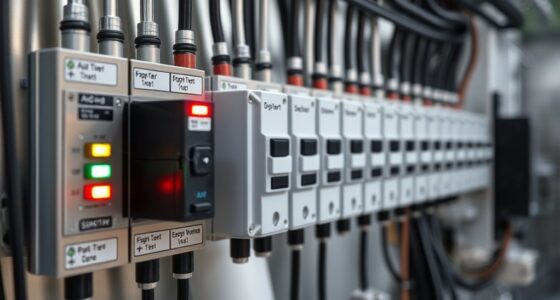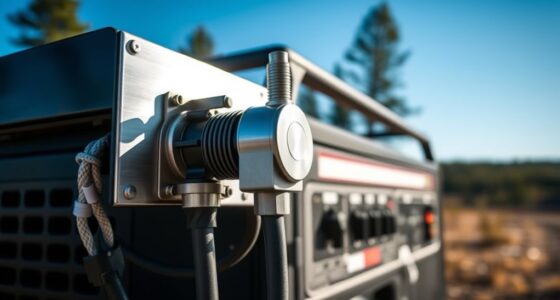
To perform transfer switch bypass isolation and maintenance, first confirm the bypass switch is in the proper position and disconnect power supply both upstream and downstream. Verify all connections are safe, follow lockout/tagout procedures, and visually inspect for damage. Test the switch briefly in bypass mode to check for issues before re-energizing. Proper documentation and safety checks are essential to prevent faults. Keep going to discover detailed steps to ensure a safe and effective maintenance process.
Key Takeaways
- Ensure the bypass switch is properly positioned and confirm power is isolated upstream and downstream before maintenance.
- Use appropriate PPE and follow lockout/tagout procedures to safely disconnect and isolate the transfer switch.
- Perform visual inspections for wear, corrosion, or damage to identify potential issues prior to maintenance.
- Conduct routine testing in bypass mode to verify transfer switch functionality without connecting to main power.
- Document all procedures, double-check connections, and verify system operation during re-energization for safety and reliability.
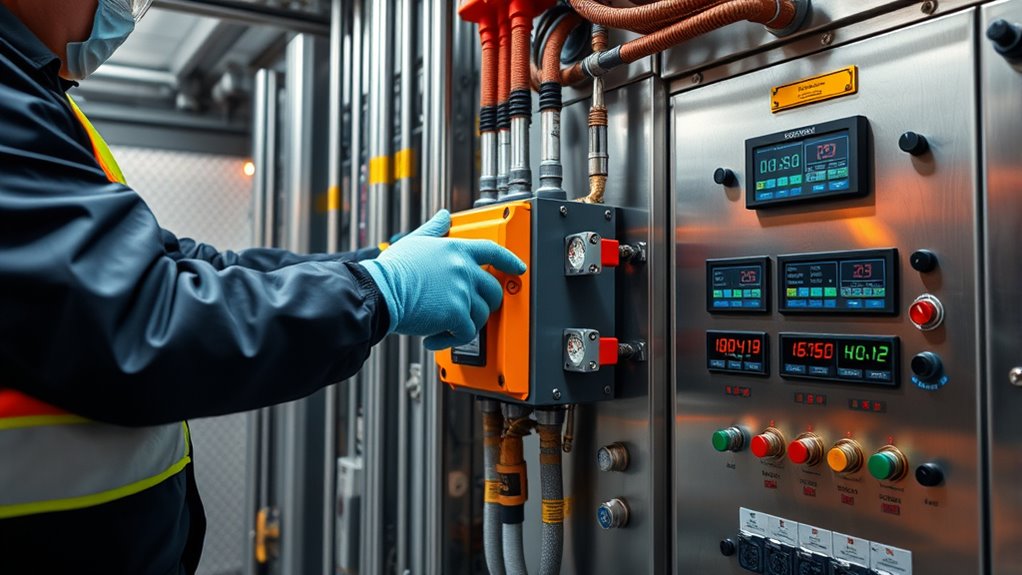
Ensuring the safe and efficient operation of your transfer switch requires proper bypass isolation and maintenance procedures. When performing these tasks, it’s essential to understand the importance of bypass isolation to prevent accidental energization of the system while maintenance is underway. This process involves disconnecting the transfer switch from the main power source and isolating it from the generator circuit, ensuring that no live voltage can pose a risk during testing or repairs. Proper bypass isolation also helps protect personnel and equipment from unexpected electrical faults, making maintenance safer and more manageable.
Before you start any bypass or maintenance work, you need to perform thorough generator testing and fault analysis. Generator testing verifies that your backup power source is ready to handle loads during an outage, guaranteeing it can start, run, and transfer power correctly. Fault analysis, on the other hand, helps you identify potential issues within the system—such as short circuits, ground faults, or wiring problems—that could compromise safety or cause equipment damage during operation. Conducting these tests beforehand allows you to address problems proactively, reducing downtime and increasing reliability.
Perform thorough generator testing and fault analysis before maintenance to ensure safety and system reliability
When isolating the transfer switch, always confirm that your bypass switch is in the proper position, and verify that the power is cut off both upstream and downstream of the transfer switch. Use appropriate personal protective equipment and follow lockout/tagout procedures to prevent accidental energization. Once isolated, perform a visual inspection of the switch and surrounding components, looking for signs of wear, corrosion, or damage. This initial step is essential to identify any mechanical or electrical issues that could interfere with safe operation or lead to faults later on.
As part of routine maintenance, you should also periodically test the transfer switch in its bypass mode, simulating transfer operations to verify functionality without connecting to the main power source. During these tests, observe for abnormal sounds, vibrations, or delays in switching, which could signal underlying issues requiring further fault analysis. Regular testing and maintenance help identify potential faults early, allowing you to repair or replace components before they cause system failure or safety hazards.
Finally, after completing maintenance or repairs, double-check all connections, ensure proper grounding, and carefully re-energize the system. Confirm that the transfer switch operates correctly during simulated transfers, and document all testing and maintenance activities for future reference. Proper bypass isolation and thorough fault analysis are indispensable to maintaining a reliable, safe backup power system, minimizing downtime, and preventing costly failures. Conducting comprehensive generator testing and fault analysis enhances system safety and reliability, ensuring that your backup power remains dependable in critical moments.
Frequently Asked Questions
What Are the Signs of a Failing Transfer Switch?
You’ll notice signs of a failing transfer switch if backup power doesn’t activate during outages or if there are frequent false alarms. Unusual noises, burning smells, or visible damage also indicate issues. These problems can disrupt emergency procedures, so it’s vital to address them promptly. Regular maintenance helps prevent failure, ensuring your system reliably switches to backup power when needed, keeping your operations safe and uninterrupted.
How Often Should Bypass Switches Be Tested?
You might think bypass switches are foolproof, but neglecting their testing frequency is a gamble. Ideally, you should test your bypass switch at least once a year, or more often if your system experiences heavy use or harsh conditions. Regular testing guarantees it functions correctly during emergencies, saving you from unexpected failures. So, don’t wait—schedule those bypass switch tests regularly, because peace of mind is priceless when power matters most.
Are There Safety Protocols During Bypass Operations?
Yes, safety protocols are essential during bypass operations. You should follow emergency procedures, such as shutting down equipment safely and alerting personnel. Always wear appropriate personal protective equipment, including gloves, safety glasses, and insulated tools. Before starting, verify the bypass switch is correctly isolated to prevent electric shock. Regularly review safety procedures and communicate clearly with your team to avoid accidents and ensure a safe, smooth operation.
What Tools Are Needed for Bypass Maintenance?
You need a tools checklist, safety gear, and the proper testing equipment to perform bypass maintenance safely. Your tools checklist should include screwdrivers, pliers, wrenches, and insulated tools. Safety gear must include gloves, goggles, and protective clothing. Always confirm your tools and gear are in good condition before starting. Proper preparation ensures you can work efficiently, minimize risks, and maintain safety during bypass operations.
Can Bypass Isolation Impact System Reliability?
Yes, bypass isolation can impact system reliability if not carefully managed. You must consider redundancy considerations and guarantee the bypass switch design includes proper fail-safes. If the bypass is not correctly isolated, it could lead to system downtime or failure during maintenance. Regular testing and adherence to proper procedures help maintain system integrity, minimizing risks and ensuring continuous reliable operation even when bypassing the transfer switch.
Conclusion
Think of the transfer switch as the captain of your ship, steering power safely between sources. When you perform bypass isolation and maintenance, you’re temporarily removing the captain from the wheel to guarantee the vessel stays steady. By following proper procedures, you keep your system afloat and ready for smooth sailing. Remember, just like a seasoned captain, your careful handling ensures safety, reliability, and peace of mind—keeping your power journey on course.