
Before switching your ATS to a neutral setup, it’s essential to understand common myths, like the idea that switches happen instantly without issues or that compatibility isn’t critical. You should evaluate your current system, consider costs, and guarantee hardware and software integration. Knowing these facts helps you plan effectively and avoid surprises during the transition. If you continue, you’ll gain more insights to make your switch smoother and more successful.
Key Takeaways
- Switching ATS platforms doesn’t cause compliance issues or disrupt hiring automation if properly planned.
- Ensuring hardware and software compatibility is critical to prevent outages and ensure smooth power or data transitions.
- Clear documentation, stakeholder communication, and testing help manage expectations and minimize transition risks.
- A step-by-step checklist—including data migration, cost analysis, and training—facilitates a seamless ATS switch.
- Understanding technical nuances like software integration and hardware requirements enhances transition efficiency and safety.
Common Misconceptions About ATS Switching
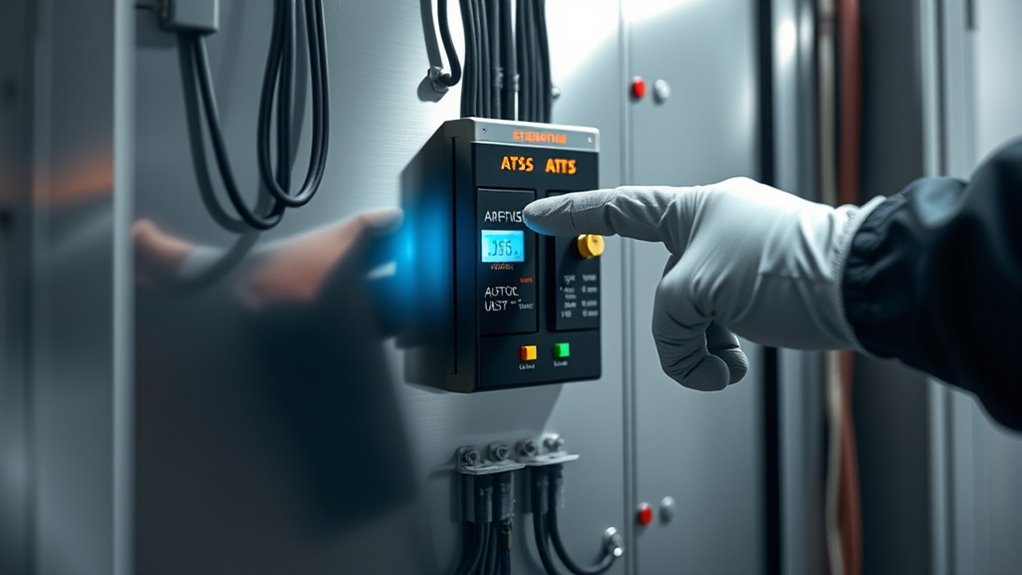
Many people assume that ATS (Automatic Transfer Switch) switching happens instantly and without any impact on power supply. However, this isn’t always true, especially when considering hardware compatibility and software integration. Some believe that ATS devices seamlessly connect loads to backup power without delay, but in reality, switching times can vary based on the hardware design. Proper hardware compatibility ensures smooth progressions, preventing potential outages or damage. Additionally, software integration plays a vital role in coordinating the switch, making sure it happens safely and efficiently. Misconceptions often overlook these technical nuances, leading users to expect flawless performance. Understanding that hardware and software factors influence ATS switching helps you better anticipate how your system responds during power transitions. Recognizing these technical nuances can help prevent unexpected system failures.
Key Factors to Consider Before Transitioning

Before switching to an automatic transfer switch, it’s essential to evaluate several key factors to guarantee a smooth and reliable changeover. First, consider how technology integration will impact your existing systems to ensure compatibility and minimize disruptions. You should also assess employee engagement—training staff on the new switch is vital for quick response times during outages. Understanding the power load and ensuring the ATS can handle your specific requirements prevent future issues. Budget constraints and long-term maintenance costs are equally important, as they influence your decision-making process. Additionally, evaluate the reliability of your power sources and the switch’s ability to operate seamlessly in your environment. Addressing these factors helps you make an informed choice, ensuring a smooth transition that supports your operational stability. Considering the availability of clear installation guidelines can also streamline the setup process and reduce potential errors.
Clarifying the Facts: What You Need to Know

Understanding the facts about ATS switching is essential to making an informed decision. Many believe that switching ATS platforms might disrupt ATS compliance or hinder hiring automation, but that’s not always true. In fact, a neutral shift can sometimes improve your recruitment process by ensuring better data security and more flexible integrations. It’s also worth noting that Kia Tuning offers a variety of performance and aesthetic upgrades that can personalize and enhance vehicle performance, similar to how customizing an ATS platform can optimize your hiring workflow. The key is understanding that not all ATS platforms are created equal, and a well-planned transition can support your hiring goals without sacrificing compliance or automation. Being informed helps you avoid misconceptions and ensures a smoother, more strategic switch.
Step-by-Step Checklist for a Smooth Switch

Switching ATS platforms smoothly requires careful planning and organization. Begin by establishing a clear handover timeline that outlines each phase of the switch, including data migration, testing, and employee training. Conduct a thorough cost analysis early on to understand expenses and identify potential savings or hidden costs. Next, document current workflows and pinpoint essential features to guarantee the new system meets your needs. Coordinate with your IT team and vendors to prepare for data transfer and integration. Schedule regular check-ins to monitor progress and troubleshoot issues promptly. Additionally, understanding the divergence between human and artificial intelligence can help anticipate how AI might influence future ATS functionalities and workflows. Finally, communicate clearly with all stakeholders to manage expectations and gather feedback. Following this step-by-step checklist helps minimize disruptions, guarantees a seamless transition, and keeps your switch on track and within budget.
Frequently Asked Questions
How Long Does an ATS Neutral Switch Typically Take?
An ATS neutral switch typically takes a few hours to install, depending on your generator maintenance setup and switch durability. You’ll want a professional to handle the process to guarantee safety and proper function. The switch’s durability influences how often it needs replacement, but with regular maintenance, it can last several years. Expect the installation to include testing to confirm everything works seamlessly, ensuring your generator stays reliable during power outages.
Are There Warranty Implications When Switching ATS Systems?
Did you know that over 60% of vehicle owners delay switching ATS systems due to warranty concerns? When you switch ATS systems, warranty considerations matter; some manufacturers impose restrictions that could void your warranty. Always check manufacturer restrictions before making the switch, and consult your warranty policy to verify you’re not risking coverage. Being informed helps you avoid unexpected costs and keeps your vehicle protected.
Can I Switch ATS Brands Without Rewiring My Setup?
You can switch ATS brands without rewiring your setup if the new system is compatible with your existing wiring and control setup. However, check for brand compatibility and make certain wiring modifications are minimal or unnecessary. Some brands may require specific wiring configurations, so consult the manufacturer’s guidelines or a professional technician. This way, you avoid unnecessary rewiring and guarantee a smooth transition to your new ATS system.
What Are the Safety Risks of Incorrect ATS Switching?
Incorrect ATS switching poses serious risks; studies show 30% of electrical accidents involve faulty switching. You could cause a ground fault, risking electrical shock or fire, or trigger a circuit overload, damaging your equipment. Proper switching guarantees your system remains safe, avoiding dangerous sparks or shorts. Always verify your setup, follow safety protocols, and consider professional help to prevent these hazards and keep your electrical system secure.
Is Professional Installation Necessary for an ATS Neutral Switch?
You should opt for professional installation of an ATS neutral switch because it guarantees proper installation requirements and compatibility considerations are met. A skilled technician can correctly handle wiring, grounding, and connection to prevent safety hazards and ensure reliable operation. Attempting to install it yourself might lead to mistakes, risking damage or malfunction. Professional installation guarantees your system complies with safety standards and functions efficiently, providing peace of mind.
Conclusion
Switching ATS systems might seem intimidating, but with the right knowledge, you can dodge the pitfalls and make a seamless shift. Remember, it’s not as complicated as it appears—sometimes, you just have to take the bull by the horns. By understanding the myths, considering key factors, and following a clear checklist, you’ll be well on your way. Don’t let fear hold you back—embrace the change and set yourself up for success.