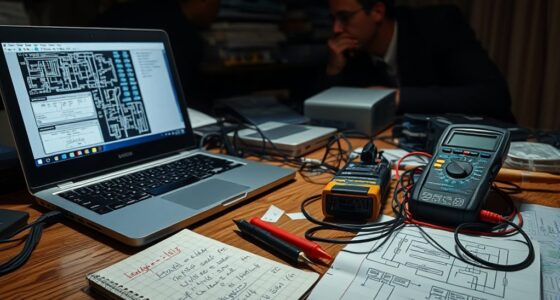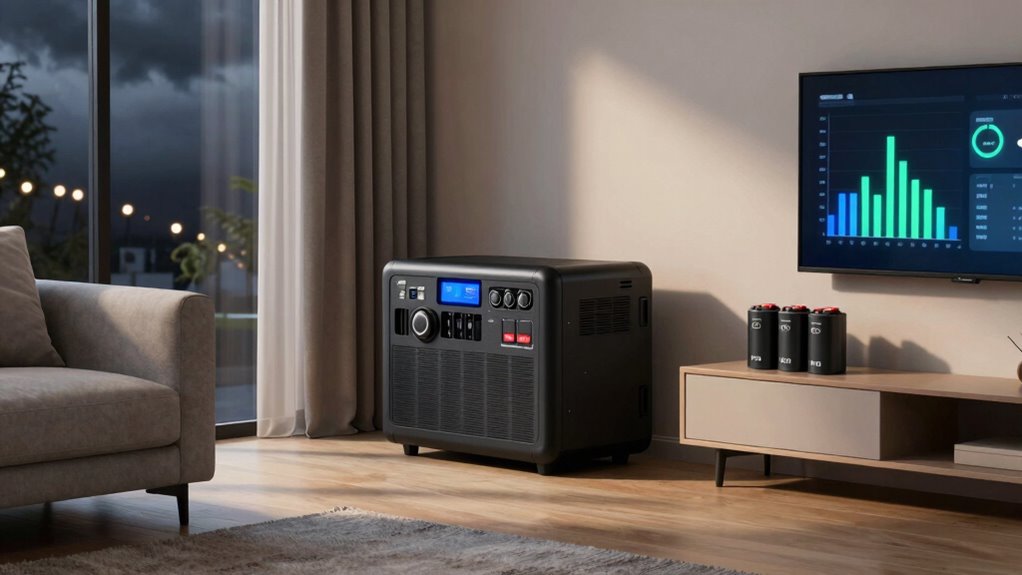
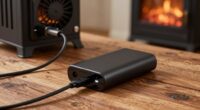
When it comes to safeguarding your smart home, having a dependable backup power source is essential. The best options, like the CyberPower CP1500PFCLCD, provide clean sinewave power, ideal for sensitive electronics, while the APC BE600M1 offers a compact, budget-friendly solution for basic needs. The main tradeoffs in this category often revolve around capacity, compatibility, and cost—balancing between robust power support and affordability. Continue reading for a detailed comparison of these top backup power products for smart homes, so you can pick the right fit for your setup.

Get backup power and energy gear delivered free with Prime
- Fast, free delivery on millions of items
- Prime Video, Amazon Music and more included
- Member-only deals all year
Key Takeaways
- The top-ranked models deliver either pure sinewave or modified sinewave power, impacting compatibility with sensitive smart home devices.
- Capacity varies widely, with larger units supporting more devices during outages but often at higher costs and size.
- Ease of setup and management features, like LCD displays and smart app integration, differentiate premium options from basic ones.
- Price points reflect differences in capacity, build quality, and added features—higher cost doesn’t always mean better value for every user.
- Most top picks balance reliability with energy efficiency, but some models prioritize affordability over advanced features.
| CyberPower CP1500PFCLCD PFC Sinewave UPS Battery Backup and Surge Protector |  | Best Overall for High-Quality Power Management | Capacity: 1500VA/1000W | Outlets: 12 NEMA 5-15R (6 backup, 6 surge protected) | Input: NEMA 5-15P right angle, 45° offset, 5 ft cord | VIEW ON AMAZON | See Our Full Breakdown |
| CyberPower ST625U Standby UPS Battery Backup and Surge Protector |  | Best Value for Basic Home and Office Use | VA/Watts: 625VA/360W | Outlets: 8 NEMA 5-15R (4 backup, 4 surge protected) | USB Ports: 2 ports, 2.1A | VIEW ON AMAZON | See Our Full Breakdown |
| APC BE600M1 UPS Battery Backup & Surge Protector for Computer, Router, NAS |  | Best Compact UPS for Essential Electronics | Capacity: 600VA/330W | Outlets: 7 (5 backup, 2 surge-only) | Battery Type: Sealed lead-acid, user-replaceable | VIEW ON AMAZON | See Our Full Breakdown |
| APC BX1500M UPS Battery Backup & Surge Protector for Computers and Electronics |  | Best for Extended Runtime and Energy Efficiency | VA Capacity: 1500VA | Wattage: 900W | Backup Runtime: up to 68 minutes at 100W | VIEW ON AMAZON | See Our Full Breakdown |
| CyberPower CP1500AVRLCD3 Intelligent LCD UPS Battery Backup |  | Best for Detailed Monitoring and High Capacity | Capacity: 1500VA/900W | Outlets: 12 NEMA 5-15R (6 backup, 6 surge protected) | Input: NEMA 5-15P, 6 ft cord | VIEW ON AMAZON | See Our Full Breakdown |
| GOLDENMATE 1500VA/1000W Lithium UPS Battery Backup & Surge Protector |  | Best for Long-Term Reliability and High Capacity | Battery Type: LiFePO4 | Battery Voltage: 51.2V | Battery Capacity: 5.8Ah | VIEW ON AMAZON | See Our Full Breakdown |
| APC BE425M UPS Battery Backup and Surge Protector for Small Electronics |  | Best for Compact, Low-Power Electronics | Capacity: 425VA / 255W | Outlets: 6 (4 backup + surge, 2 surge-only) | Surge Energy Rating: 180 Joules | VIEW ON AMAZON | See Our Full Breakdown |
| CyberPower ST425 Standby UPS Battery Backup and Surge Protector |  | Best for Home Office and Entertainment Electronics | Voltage: 120V | Maximum Power: 260W | Outlets: Multiple including backup and surge | VIEW ON AMAZON | See Our Full Breakdown |
| CyberPower EC850LCD Ecologic UPS Battery Backup and Surge Protector |  | Best for Energy Efficiency and Versatile Protection | Number of Outlets: 12 (6 backup + surge, 6 surge only) | Input: NEMA 5-15P | Power Cord Length: 5 ft | VIEW ON AMAZON | See Our Full Breakdown |
| backup power products for smart home | Outlets | Warranty |
|---|---|---|
| CyberPower CP1500PFCLCD PFC Si | 12 NEMA 5-15R (6 backup, 6 surge protected) | 3 years including battery |
| CyberPower ST625U Standby UPS | 8 NEMA 5-15R (4 backup, 4 surge protected) | 3 years |
| APC BE600M1 UPS Battery Backup | 7 (5 backup, 2 surge-only) | 3 years |
| APC BX1500M UPS Battery Backup | 10 (5 backup, 5 surge-only) | — |
| CyberPower CP1500AVRLCD3 Intel | 12 NEMA 5-15R (6 backup, 6 surge protected) | 3 years |
| GOLDENMATE 1500VA/1000W Lithiu | 8 NEMA 5-15P | — |
| APC BE425M UPS Battery Backup | 6 (4 backup + surge, 2 surge-only) | 3 years |
| CyberPower ST425 Standby UPS B | Multiple including backup and surge | 3 years |
| CyberPower EC850LCD Ecologic U | — | 3 years |
More Details on Our Top Picks
CyberPower CP1500PFCLCD PFC Sinewave UPS Battery Backup and Surge Protector
The CyberPower CP1500PFCLCD stands out for its sine wave output, making it ideal for sensitive electronics like workstations and network gear that require a stable power supply. Compared with the APC BX1500M, it offers a more advanced automatic voltage regulation (AVR) system, which smooths out voltage fluctuations without switching to battery. This results in cleaner power delivery, reducing wear on connected devices. However, its 1500VA capacity might fall short for larger setups or high-power appliances, meaning it’s best suited to professional or tech-heavy environments rather than entire home systems. The LCD display provides detailed real-time data, but some users find it a bit overwhelming. Its multiple outlets and surge protection are comprehensive, and the 3-year warranty adds peace of mind. Tradeoff: The higher price and complexity may not appeal to casual users or those with simpler needs.
Pros:- Provides sine wave power suitable for sensitive electronics
- Includes extensive outlets with surge and battery backup
- Real-time detailed LCD display for monitoring
- Automatic voltage regulation improves power stability
Cons:- Limited to 1500VA, unsuitable for high-power or larger setups
- Battery replacement after warranty can be costly
- LCD might be complex for casual users
Best for: Tech-savvy homeowners with high-performance PCs, NAS, or networking equipment needing clean, reliable power.
Not ideal for: Homeowners seeking a simple backup solution for basic electronics or who need a higher capacity for whole-house backup.
- Capacity:1500VA/1000W
- Outlets:12 NEMA 5-15R (6 backup, 6 surge protected)
- Input:NEMA 5-15P right angle, 45° offset, 5 ft cord
- USB Ports:1 Type-A, 1 Type-C
- Warranty:3 years including battery
- Connected Equipment Guarantee:$500,000
Our verdict“This UPS is best for homes with critical, sensitive equipment that demands high-quality, stable power and detailed monitoring.”
CyberPower ST625U Standby UPS Battery Backup and Surge Protector
The CyberPower ST625U offers dependable backup power with a straightforward design, making it suitable for everyday electronics like routers, gaming consoles, and small computers. Its 625VA/360W capacity is sufficient for moderate loads but falls short compared to the larger models like the CyberPower CP1500AVRLCD3, especially during extended outages where runtime becomes limited. It features a high-efficiency design that reduces energy waste and keeps operating costs low, plus USB ports for convenient mobile device charging. While the simulated sine wave output is generally adequate, it may not be ideal for sensitive or high-end equipment that requires a pure sine wave. Its bulkiness could also be a concern in tight spaces. This model strikes a good balance between cost and basic backup needs, but those with larger or more sensitive setups might want more robust options.
Pros:- Reliable battery backup and surge protection for multiple devices
- USB ports for mobile device charging
- High efficiency reduces power consumption
- 3-year warranty with connected equipment guarantee
Cons:- Limited runtime during extended outages
- Simulated sine wave may not suit sensitive electronics
- Bulkier design for small spaces
Best for: Home users needing affordable, reliable backup for small to medium electronics like routers or gaming devices.
Not ideal for: Users with high-powered or sensitive equipment that requires pure sine wave power or longer runtime during outages.
- VA/Watts:625VA/360W
- Outlets:8 NEMA 5-15R (4 backup, 4 surge protected)
- USB Ports:2 ports, 2.1A
- Input:NEMA 5-15P, 5 ft cord
- Warranty:3 years
- Connected Equipment Guarantee:up to $100,000
Our verdict“This UPS offers solid value for homeowners who need dependable backup for everyday electronics without high power demands.”
APC BE600M1 UPS Battery Backup & Surge Protector for Computer, Router, NAS
The APC BE600M1 is a compact, space-saving UPS tailored for essential devices like computers, routers, and NAS units. Its 600VA/330W capacity is enough to keep critical equipment running during short outages, but it’s less suitable for larger setups or prolonged power loss. The user-replaceable sealed lead-acid battery extends the unit’s lifespan and reduces long-term replacement costs, a feature that sets it apart from non-replaceable models like the CyberPower ST625U. Its 23-minute runtime at 100W is sufficient for safe shutdowns but not for extended outages. The design is sleek and fits well in small spaces, making it ideal for personal home offices or small setups. However, its limited capacity and runtime mean it’s better suited for minimal workloads rather than entire home systems.
Pros:- Compact size ideal for small spaces
- User-replaceable battery extends lifespan
- Reliable backup for essential electronics
- Multiple outlets with surge and battery backup
Cons:- Limited runtime for higher loads
- Battery replacement cost and effort
- Not suitable for larger or high-power setups
Best for: Individuals with small, critical electronics who need a compact and easily serviceable backup solution.
Not ideal for: Homeowners wanting to back up larger systems or expecting longer outages, due to limited capacity and runtime.
- Capacity:600VA/330W
- Outlets:7 (5 backup, 2 surge-only)
- Battery Type:Sealed lead-acid, user-replaceable
- Battery Life (at 100W):Approximately 23 minutes
- Warranty:3 years
- Connected Equipment Guarantee:$100,000
Our verdict“This UPS makes sense for small-scale setups where space and simplicity are priorities, but not for whole-home backup needs.”
APC BX1500M UPS Battery Backup & Surge Protector for Computers and Electronics
The APC BX1500M offers a robust 1500VA/900W capacity, making it well-suited for users who need longer backup times during outages. Its 68-minute runtime at 100W load surpasses many comparable models like the CyberPower CP1500AVRLCD3, which typically offer around 50 minutes. The LCD display simplifies status checks, and the multiple outlets with surge protection cover all essential devices. Its Energy Star certification indicates a focus on energy efficiency, which benefits eco-conscious homeowners. The main tradeoff is that the battery is sold separately, which adds to the initial cost and maintenance complexity. Also, its size might be less ideal for very tight spaces, but the extended runtime makes it a strong choice for home offices or small server setups where downtime is costly.
Pros:- Extended backup runtime during outages
- Multiple outlets with surge protection
- Energy-efficient and ENERGY STAR certified
- User-friendly LCD display for real-time info
Cons:- Battery must be purchased separately
- Bulkier for small or cluttered spaces
- Limited runtime at higher loads
Best for: Homeowners or small business users needing longer backup duration with energy-efficient operation.
Not ideal for: Casual users with minimal backup needs or those unwilling to purchase separate batteries for extended runtime.
- VA Capacity:1500VA
- Wattage:900W
- Backup Runtime:up to 68 minutes at 100W
- Outlets:10 (5 backup, 5 surge-only)
- Energy Star Certified:Yes
- Battery Type:Replaceable (sold separately)
Our verdict“This model suits those who prioritize extended backup duration and energy savings over initial cost or compact size.”
CyberPower CP1500AVRLCD3 Intelligent LCD UPS Battery Backup
The CyberPower CP1500AVRLCD3 combines a 1500VA/900W capacity with an intuitive color LCD display, making it an excellent choice for users who want real-time insights into their power status. Unlike the APC BX1500M, it offers more detailed monitoring, which helps in managing connected devices more effectively. Its automatic voltage regulation (AVR) protects against surges and fluctuations, essential for maintaining equipment longevity. The multiple outlets facilitate comprehensive device protection, and the 3-year warranty adds reliability. The main tradeoff is its simulated sine wave output, which might not be suitable for very sensitive or high-end audio/video equipment. Battery replacement is necessary after the warranty period, but the unit’s monitoring features justify its slightly higher cost for tech-focused households.
Pros:- Reliable backup with detailed LCD status monitoring
- Multiple outlets with surge protection
- Automatic voltage regulation enhances safety
- User-friendly color display
Cons:- Simulated sine wave may not suit all sensitive devices
- Battery replacement needed after warranty
- Higher price compared to simpler models
Best for: Home users with multiple sensitive electronics who appreciate detailed power monitoring and reliable backup.
Not ideal for: People with simple setups or those who require pure sine wave power for high-end audio or imaging equipment.
- Capacity:1500VA/900W
- Outlets:12 NEMA 5-15R (6 backup, 6 surge protected)
- Input:NEMA 5-15P, 6 ft cord
- Display:Color LCD panel
- Protection:Surge, AVR
- Warranty:3 years
Our verdict“Ideal for tech-savvy users needing detailed power insights and robust surge protection in a high-capacity UPS.”
GOLDENMATE 1500VA/1000W Lithium UPS Battery Backup & Surge Protector
The GOLDENMATE 1500VA/1000W stands out for its durable LiFePO4 battery, offering over a decade of dependable backup, which far exceeds typical lead-acid units. Compared with the APC BE425M, it provides a much higher power capacity and supports more demanding devices, making it ideal for protecting home office setups or network equipment. However, its larger size and weight could be a drawback for those with limited space or mobility concerns. Its pure sine wave output ensures clean power for sensitive electronics, and the LCD display delivers real-time monitoring, simplifying maintenance. The inclusion of USB ports and a communication port enhances device management and safe shutdown procedures. Nevertheless, it’s limited to standard household voltage and doesn’t support generator input, which could restrict use in certain backup scenarios.Pros:- Long-lasting LiFePO4 battery with over 10 years of operational life
- High power capacity supports multiple devices simultaneously
- Real-time LCD monitoring for easy status checks
- Includes USB ports and communication interface for device management
Cons:- Heavier and larger than comparable lead-acid UPS units, affecting portability
- Limited to 110V household power, not compatible with generator input
Best for: Homeowners needing a reliable, long-lasting UPS for network and computer systems that prioritize durability over size.
Not ideal for: People seeking a lightweight, portable UPS for occasional use or small electronics, as this unit is relatively heavy and bulky.
- Battery Type:LiFePO4
- Battery Voltage:51.2V
- Battery Capacity:5.8Ah
- Power Capacity:1500VA / 1000W
- Outlets:8 NEMA 5-15P
- Input Voltage Range:90–140V
Our verdict“This UPS is best suited to users seeking a durable, high-capacity backup with long lifespan, prepared for continuous operation in a home or small office setting.”
APC BE425M UPS Battery Backup and Surge Protector for Small Electronics
The APC BE425M offers a compact, affordable solution for protecting essential small devices like routers, modems, and VoIP phones. Its 425VA capacity is perfect for low-power electronics, unlike CyberPower’s ST425, which provides slightly more wattage but lacks surge-only outlets. The wall-mount design saves space and simplifies installation. Despite its reliability, the limited runtime of about 15 minutes at 100W makes it unfit for larger or more critical loads during extended outages. It lacks USB charging ports, which could be inconvenient for modern setups, and only supports low-power devices, so it isn’t suitable for home entertainment or computer backup. The three-year warranty and surge protection provide peace of mind for basic needs, but users should consider its capacity constraints carefully.Pros:- Compact, wall-mountable design saves space
- Reliable surge and backup protection for essential devices
- Safety indicators and audible alarms enhance protection
Cons:- Limited runtime, about 15 minutes at 100W load
- No USB charging ports for mobile device connectivity
- Only supports low-power electronics, not suitable for computers or entertainment systems
Best for: Small business owners or home users seeking reliable backup for essential low-power electronics without taking up much space.
Not ideal for: Users needing backup for high-power devices or longer outage support, as its runtime is limited and capacity is modest.
- Capacity:425VA / 255W
- Outlets:6 (4 backup + surge, 2 surge-only)
- Surge Energy Rating:180 Joules
- Warranty:3 years
- Protection Policy:$75,000 Equipment
- Input Voltage Range:120V
Our verdict“This UPS is ideal for small electronics where space saving and basic surge protection are priorities over extended backup runtime.”
CyberPower ST425 Standby UPS Battery Backup and Surge Protector
The CyberPower ST425 delivers 425VA/260W of backup power, making it suitable for home office setups, gaming consoles, and routers. Its compact form factor and multiple outlets, including battery backup and surge protected sockets, make it a flexible choice compared to larger models like the CyberPower CP1500AVRLCD. Its high efficiency design minimizes power consumption, which is beneficial during extended outages. However, the limited runtime—roughly 10-15 minutes at typical loads—may not suffice during longer outages. The use of a simulated sine wave output could pose compatibility issues with sensitive or high-end electronics. It’s a solid choice for everyday electronics but falls short if longer backup duration or pure sine wave power are needed.Pros:- Reliable backup and surge protection for home electronics
- Multiple outlets, including battery and surge protected
- Efficient power use and compact design
Cons:- Limited runtime makes it unsuitable for extended outages
- Simulated sine wave output may not suit all devices
- No USB ports for mobile device charging
Best for: Home users and gamers who want a reliable backup for daily electronics and can accept limited runtime and wave form considerations.
Not ideal for: Users with critical or sensitive high-end equipment requiring clean, uninterrupted power or longer backup times.
- Voltage:120V
- Maximum Power:260W
- Outlets:Multiple including backup and surge
- Form Factor:Compact
- Warranty:3 years
- Surge Protection Rating:890 Joules
Our verdict“This UPS is best for casual users needing a dependable backup for everyday electronics with short power outage support.”
CyberPower EC850LCD Ecologic UPS Battery Backup and Surge Protector
The CyberPower EC850LCD offers a generous 12 outlets, combining battery backup and surge protection with an eco mode that cuts energy waste. Its multifunction LCD panel provides clear, real-time status updates, which is a step above simpler models like the APC BE425M. While its 850VA capacity suits a broad range of home and office electronics, it’s not designed for high-power or critical loads that demand longer backup durations. The absence of USB charging ports limits mobile device connectivity, and the battery may need replacement after the warranty period. Its energy-saving features make it a practical choice for those looking to reduce power consumption without sacrificing protection.Pros:- Multiple outlets with combined backup and surge protection
- Eco mode reduces energy consumption and costs
- Detailed LCD panel for real-time status updates
Cons:- Limited capacity at 850VA, unsuitable for high-power devices
- No USB charging ports for mobile device connection
- Battery replacement may be needed after warranty period
Best for: Home or small office users who prioritize energy efficiency and need a versatile, multi-outlet UPS for common electronics.
Not ideal for: Those with high-power or critical backup needs, as its capacity may be insufficient for larger loads or longer outages.
- Number of Outlets:12 (6 backup + surge, 6 surge only)
- Input:NEMA 5-15P
- Power Cord Length:5 ft
- Warranty:3 years
- Energy Efficiency:Eco Mode
- Battery Included:Yes
Our verdict“This UPS is well-suited for energy-conscious users seeking versatile protection for multiple home devices with moderate backup needs.”

How We Picked
In evaluating these backup power products, we prioritized performance, reliability, and compatibility with smart home devices. Capacity was a key factor, but so was the ability to deliver clean sinewave power for sensitive electronics like smart hubs and security systems. Usability features, such as user interfaces and management options, influenced rankings, alongside build quality and energy efficiency. We also considered value, ensuring that each product offers a fair balance of price and features for different types of users. Our selections aim to serve a range of smart home setups, from basic to advanced, making sure each option fits specific needs and budgets.Factors to Consider When Choosing Backup Power Products For Smart Homes
Choosing the right backup power product for your smart home involves balancing several factors. Capacity is critical—consider how many devices you need to support during an outage and select a unit that can handle that load comfortably. Compatibility with sensitive electronics is equally important; pure sinewave units are typically safer for smart hubs and security systems. Ease of use, including management features and installation, can save time and frustration. Cost is a significant consideration, but investing in a quality unit can prevent data loss and device damage. Finally, think about energy efficiency and expandability, especially if your smart home grows over time.
Capacity and Power Output
Understanding your power needs is essential. Larger capacity units can support multiple devices simultaneously, but they tend to be bulkier and more expensive. For most smart homes, a balance between capacity and size works best—ensure the unit can handle your critical devices like routers, security systems, and smart hubs without exceeding your budget. Overestimating capacity can lead to unnecessary expense, while underestimating risks device shutdowns during outages. Consider future expansion when choosing capacity to avoid needing an upgrade soon after purchase.
Waveform Quality
The waveform type directly impacts device safety and longevity. Pure sinewave units produce clean power similar to grid electricity, making them ideal for sensitive electronics like smart home controllers, cameras, and security systems. Modified sinewave models are often cheaper but may cause interference or damage over time. If your setup includes high-end or sensitive gear, prioritize pure sinewave options despite the higher cost—they provide peace of mind and reliable operation.
Ease of Use and Management
Some backup power units come with LCD screens, management software, or mobile app integration, simplifying monitoring and control. These features can alert you to battery health, power status, and automatically shut down devices safely during extended outages. Conversely, basic models with minimal interfaces might require manual operation and less frequent maintenance. Think about how much convenience you want—if you prefer hassle-free oversight, opt for units with smart management features.
Cost and Value
Price ranges in this category vary significantly, reflecting capacity, waveform quality, and additional features. While it might be tempting to choose the cheapest option, this can lead to subpar performance or reduced lifespan. Conversely, premium units often deliver advanced features and higher reliability but at a premium price. Assess your specific needs carefully—investing in a slightly more expensive, dependable unit can prevent costly damage or downtime in your smart home.
Expandability and Energy Efficiency
If your smart home ecosystem is growing, look for units that support expansion modules or additional batteries. This future-proofing can save money and effort later. Additionally, consider energy efficiency ratings—more efficient units consume less power themselves, extending battery life and reducing operational costs. These factors are especially relevant in environments where the backup power may be needed frequently or for extended periods.
Frequently Asked Questions
Can a backup power product support my entire smart home system?
Supporting your entire smart home depends on the capacity and power output of the unit. Most backup solutions are designed for key components like routers, security hubs, and smart controllers, rather than entire households. To ensure your critical devices stay online during an outage, calculate their total power consumption and select a unit with at least 20-30% additional capacity for safety. For larger setups, consider modular or scalable units that allow adding extra batteries or modules over time.
Is a pure sinewave UPS necessary for my smart home?
For most smart home setups, especially those with sensitive electronics like security systems, cameras, and smart hubs, a pure sinewave UPS provides safer, cleaner power. It minimizes interference and reduces the risk of damage over time. While modified sinewave units are cheaper, they might cause issues such as buzzing sounds or reduced lifespan of connected devices. Investing in a pure sinewave model often results in better long-term reliability and device protection.
How long should a backup power product keep my smart home running during an outage?
The runtime depends on the capacity of the unit and the power draw of connected devices. Most models provide between 10 minutes to several hours of backup power, enough for safe shutdown procedures or short outages. For longer durations, look for units with larger batteries or the ability to connect additional modules. It’s wise to prioritize critical devices and ensure the backup can support them for at least enough time to save data or power down properly.
Are portable backup power solutions suitable for smart homes?
Portable power stations can be handy for small setups or temporary needs, but they often lack the capacity or features needed for a full smart home. They are generally better suited for quick power boosts or outdoor activities. For continuous, reliable backup power, dedicated UPS systems with sufficient capacity and management features are more appropriate. Consider portable options only if your smart home has minimal power requirements or for backup during outdoor events.
What maintenance is required for backup power products in a smart home?
Regular maintenance involves checking battery health, especially for units with lead-acid batteries, and replacing batteries as recommended by the manufacturer. Keep the units in ventilated areas to prevent overheating and ensure their firmware or management software is up to date. Periodic testing—such as simulating power outages—can confirm the system’s readiness. Proper maintenance helps extend the lifespan of your backup power solution and ensures dependable operation when needed most.
Conclusion
For most smart home users, the CyberPower CP1500PFCLCD stands out as the best overall choice due to its clean sinewave output and robust capacity, making it suitable for high-end setups. The APC BE600M1 offers excellent value for those with basic needs or smaller configurations. If you’re seeking a premium experience with smart management features, the CyberPower CP1500AVRLCD3 provides advanced monitoring and expandability. Beginners or those on a tight budget will appreciate the simplicity of the CyberPower ST625U, while larger or expandable systems benefit from models like the GOLDENMATE 1500VA. Match your choice to your specific smart home size, sensitivity, and future plans for the best results.
Fall Picks
fall essentials
As an affiliate, we earn on qualifying purchases.