
TL;DR
Ankara’s 2050 transportation plan proposes major infrastructure changes that could significantly alter the city’s real estate and development patterns. Authorities believe this will improve mobility, but the impact on property values and urban growth remains to be seen.
Ankara’s 2050 transportation plan, unveiled by local authorities, is expected to significantly alter the city’s urban infrastructure and real estate map. The comprehensive strategy aims to improve mobility and connectivity across the capital, with potential long-term effects on property development and land use patterns. This development is considered a major shift for Ankara’s urban planning and economic outlook.
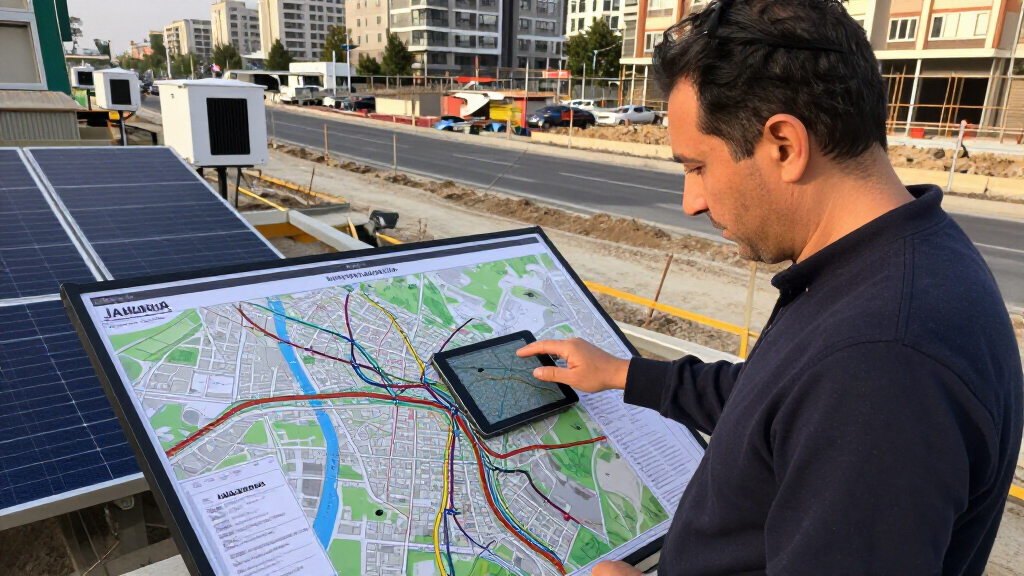
The Ankara Metropolitan Municipality introduced the 2050 transportation master plan in March 2024, outlining extensive infrastructure projects, including new metro lines, road expansions, and transit corridors. Officials state these measures are designed to address future population growth and urban sprawl, which could lead to a transformation in land values and real estate development.
Experts suggest that the plan’s emphasis on transit-oriented development could make certain districts more attractive for investment, while others might see a decline in property values if they are bypassed by new transit routes. The plan is still in the early implementation phase, with some projects already underway and others in the planning stages.
Local authorities note that the plan aims to reduce traffic congestion, lower emissions, and promote sustainable growth, aligning with Turkey’s broader urban development goals. However, critics and industry analysts warn that the actual impact on the real estate market will depend on the execution and community engagement during the implementation process.
Potential Impact on Ankara’s Urban and Real Estate Landscape
This plan is significant because it could reshape the city’s physical and economic structure. By prioritizing transit infrastructure, Ankara aims to facilitate more sustainable growth and improve mobility, which are critical for its long-term development. The reconfiguration of transportation routes is likely to influence property prices, urban expansion, and investment patterns. For residents and investors, understanding these changes is vital for future planning and decision-making.
Top picks for "ankara plan gayrimenkul"
As an affiliate, we earn on qualifying purchases.
Background on Ankara’s Urban Growth and Transportation Planning
Over the past decade, Ankara has experienced rapid urban growth, with increasing demand for efficient transportation infrastructure. Previous efforts focused on expanding existing metro lines and improving road networks but faced limitations in addressing congestion and sprawl. The 2050 master plan represents a comprehensive effort to future-proof the city’s infrastructure, incorporating new transit corridors, smart city technologies, and sustainable development principles.
Historically, transportation projects in Ankara have influenced land use, with areas near transit hubs becoming more valuable. The new plan aims to accelerate this trend, with a focus on transit-oriented development and urban densification.
While details of the plan have been publicly discussed, the full scope and timeline remain under development, with some projects already in progress and others awaiting approval.
“The 2050 transportation plan will fundamentally change how and where people live and work in Ankara. It’s a transformative step toward sustainable urban growth.”
— Mehmet Yılmaz, Ankara Urban Planning Director
Unclear Aspects of Implementation and Market Impact
It is not yet clear how quickly the projects will be completed or how they will precisely influence property prices across different districts. The full economic and urban development effects depend on execution, funding, and community involvement. Some stakeholders question whether the plan will be able to address existing inequalities or if it might lead to gentrification in key areas.
Next Steps in Project Development and Market Response
Authorities plan to continue detailed planning, secure funding, and begin phased construction of key transit corridors. Monitoring of land and property market responses will be crucial over the coming years. Stakeholders, including residents and investors, should watch for updates on project timelines and potential zoning changes.
Further public consultations and evaluations are expected before major projects move into full implementation, aiming to ensure community needs are addressed alongside urban growth objectives.
Key Questions
How will the 2050 transportation plan affect property prices in Ankara?
The plan could increase property values near new transit lines and hubs, but effects will depend on the speed of implementation and local development policies.
Which areas are most likely to benefit from the new infrastructure?
Districts along planned transit corridors and those designated for densification are expected to see increased attractiveness for residents and investors.
Are there any risks associated with the plan?
Potential risks include uneven development, gentrification, or delays in project completion, which could impact expected economic benefits.
When will the full effects of the plan be visible?
It will likely take several years for the entire plan to be implemented and for its effects on the urban and real estate landscape to become clear.
Source: local