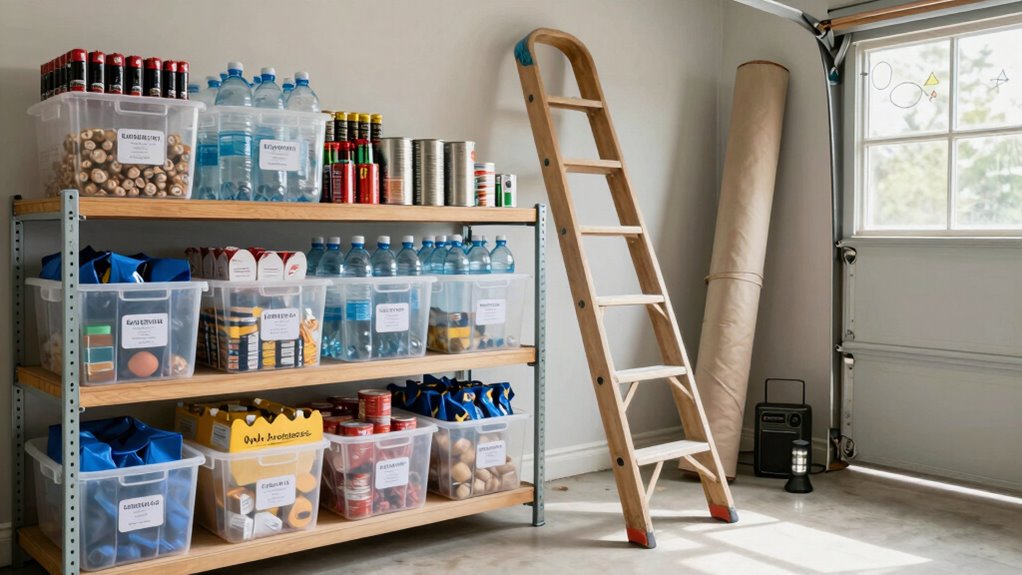
Before hurricane season starts, check your emergency kit for essential supplies like water, non-perishable food, batteries, medications, and important documents. Inspect your home for vulnerabilities—secure windows, doors, and the roof, and clear debris from your yard. Make sure your insurance is up to date and document your belongings. Review evacuation routes, prepare your vehicle, and monitor weather updates regularly. To guarantee you’re fully prepared, there are more important steps to take into account.
Key Takeaways
- Inspect and repair the roof, windows, and doors to enhance storm resistance.
- Stock and organize emergency supplies, including water, food, medications, and pet items.
- Review and update home safety protocols and reinforce structural vulnerabilities.
- Confirm insurance policies are current and document property for claims.
- Familiarize with evacuation routes, shelters, and ensure vehicle readiness.
Hurricane season can strike unexpectedly, so preparing now to protect your home and loved ones is essential. The first step is guaranteeing you have an all-inclusive emergency kit ready to go. Your kit should include necessities like bottled water, non-perishable food, a flashlight, batteries, a first-aid kit, necessary medications, and important documents stored in a waterproof container. Don’t forget items for your pets if you have any, such as food, water, and supplies. Having these things prepared means you won’t waste time searching during a storm, and you’ll feel more confident that you can handle whatever comes your way.
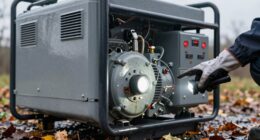
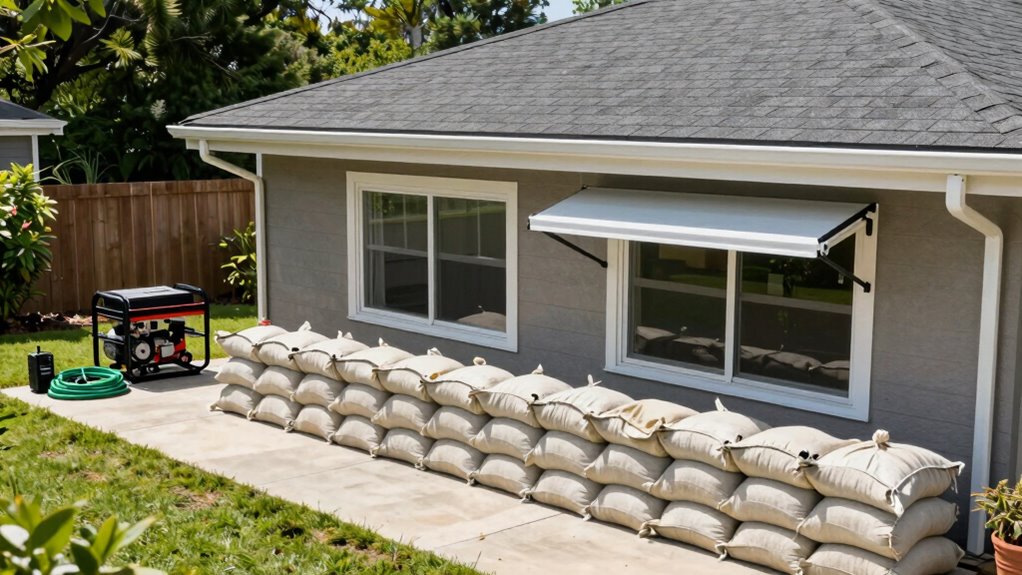
Home preparedness is equally important. Inspect your roof for loose shingles or damage and fix any issues beforehand. Clear your yard of any debris, such as branches or outdoor furniture, that could become projectiles in high winds. Make sure windows and doors are secure; installing storm shutters or boarding up windows can greatly reduce damage. Check your garage door to ensure it’s sturdy and can withstand strong winds, since garage doors are often weak points during storms. If your home has a backup power source, like a generator, test it to confirm it’s working properly, and keep fuel supplies on hand. Additionally, understanding your home’s structural integrity can help you identify potential vulnerabilities before a storm hits. Regularly reviewing these safety protocols ensures everyone in your household knows what to do in an emergency. Being familiar with home reinforcement techniques can also help you take extra steps to strengthen your house before a storm arrives.
Another essential part of your preparations is reviewing your insurance policies. Confirm that your coverage is up-to-date and sufficient to cover potential damages. Take photos of your property and belongings for documentation, which can help streamline insurance claims if needed. Additionally, develop a communication plan with family members and neighbors. Decide on a safe meeting spot and ensure everyone knows how to reach each other if a storm disrupts regular communication channels.
Guarantee your evacuation plan is clear and practical. Know your local evacuation routes and identify nearby shelters. Keep a list of emergency contacts, including local authorities, utility companies, and family members. Make arrangements for any special needs family members or neighbors who might require assistance during an evacuation. Prepare your vehicle by checking fuel levels and ensuring it’s in good working order, so you’re ready to leave quickly if necessary. Staying informed through trusted weather sources can help you act promptly and avoid last-minute panic.
Lastly, stay informed by monitoring weather updates regularly through trusted sources. Being aware of the forecast helps you act swiftly and avoid surprises. By proactively checking these aspects—your emergency kit, home safety measures, insurance, and communication plans—you set yourself up for a smoother, safer hurricane season. The effort you put now can make a profound difference in safeguarding your home and loved ones when the storm finally approaches.
Top picks for "check before hurricane"
Open Amazon search results for this keyword.
As an affiliate, we earn on qualifying purchases.
Frequently Asked Questions
How Early Should I Start Preparing for Hurricane Season?
You should start preparing for hurricane season at least a month in advance. Early storm preparedness allows you to review your evacuation plans, stock up on supplies, and secure your home. Don’t wait until a storm warning to act. By planning ahead, you guarantee you’re ready for any emergency, minimizing risks and stress. Being proactive helps you stay safe and organized when a hurricane approaches.
What Are the Most Common Hurricane Myths?
Many believe hurricanes are just big winds, but storm surge proves otherwise—it’s often deadlier. You might hear myths like staying put during a storm is safest, yet ignoring hurricane myths can be dangerous. Ironically, some think hurricanes only hit certain areas, but they can surprise you anywhere. Knowing the truth about storm surge and dispelling hurricane myths helps you prepare better and stay safe when the next storm approaches.
How Do I Find Local Emergency Shelters?
You can find local emergency shelters by checking community resources like your city’s official website or local government pages. They often list shelter locations and provide maps. Contact your local emergency management office or fire department for updated information. Additionally, community centers and libraries may serve as shelters or provide essential resources during hurricanes. Keep this information handy so you’re prepared and know exactly where to go if you need shelter.
What Insurance Coverage Is Best for Hurricane Damage?
Imagine your home gets flooded during a hurricane; standard homeowners insurance often doesn’t cover flood damage. To protect yourself, you should consider flood insurance, which offers specific coverage options for water-related destruction. It’s the best choice for hurricane damage because it fills gaps left by regular policies. Review different flood insurance plans, compare coverage options, and make sure you’re fully protected against potential storm-related flooding.
How Can I Stay Informed During a Hurricane?
You can stay informed during a hurricane by setting up emergency communication systems, like emergency alert apps and local radio or TV stations. Enable weather alerts on your phone for real-time updates, and keep a battery-powered or hand-crank radio handy in case power goes out. Regularly monitor official sources such as the National Weather Service for the latest weather alerts, ensuring you receive timely information to protect yourself and your loved ones.
Conclusion
As the season approaches, take a moment to prepare and guarantee your safety net is in place. A little foresight now can help soften the impact of nature’s unpredictable dance, gently guiding you through stormy times. Remember, being prepared isn’t just about supplies but about peace of mind. When you’ve done your part, you’ll find comfort in knowing you’ve laid a quiet foundation of resilience—ready to face whatever comes with hope and strength.